Not all pool pump shaft seals are created equal. Choosing the right shaft seal is crucial to preventing costly leaks and ensuring optimal pump performance. Victor is a reputable manufacturer known for producing high-quality mechanical seals at competitive prices. Pool owners need the right pool pump shaft seal for reliable performance, avoiding unnecessary repairs.
Key Takeaways
- Choosing the right pool pump shaft seal prevents leaks and helps the pump run better.
- Materials such as PTFE, graphite, and flax are available to meet different pool needs. You should choose a material that matches your pool type.
- Ensure the seal meets the requirements of your pump. This helps prevent leaks and extends the pump’s lifespan.
- Inspect the seal regularly and replace it every 7,500 hours of operation or when a leak is detected. This ensures your pump runs well.
- High-quality seals from trusted brands like Victor can help reduce maintenance costs and extend the life of your equipment.
Why Pool Pump Shaft Seals Differ
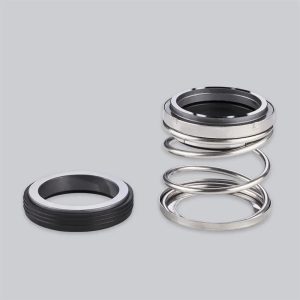
Pool Pump Shaft Seals Materials Used
Pool pump shaft seals are made from different materials. Each material performs best under specific pool conditions. Polytetrafluoroethylene (PTFE) offers excellent chemical resistance and heat resistance. Graphite is suitable for high-temperature environments and helps components operate smoothly. Flax fiber is lower in cost and suitable for simple applications. The table below lists the main materials and their advantages:
| Material | Advantages |
|---|---|
| PTFE | Resistant to chemical corrosion and high temperatures, durable. |
| Graphite | Ideal for high-temperature applications and provides good lubrication. |
| Flax | Affordable and suitable for less demanding conditions. |
Victor manufactures mechanical shaft seals using high-quality materials. Even under harsh pool conditions, their shaft seals effectively prevent leaks. Pool owners can rely on Victor to provide high-quality shaft seals for any pool.
Pool Pump Shaft Seals Size and Fit
The size and fit of pool pump shaft seals are crucial. If the seal doesn’t match the pump, leaks may occur, causing the pump to malfunction. Each pump requires a specific size seal for a tight fit. Victor offers seals suitable for numerous well-known brands and various types of pumps, making it easy for pool owners to choose the right seal. Choosing the correct size and fit ensures efficient pump operation and extends its lifespan.
Tip: Always consult the pump manual or manufacturer’s specifications before selecting a pool pump shaft seal.
Pool Pump Shaft Seals Design Types
There are different designs for pool pump shaft seals. The main ones are single seals, double seals, and cartridge seals. Each type is made for a special job. The table below shows how they are different:
| Seals | Design Description | Common Applications |
|---|---|---|
| Single Seal | One set of sealing surfaces, suitable for clean fluids. | Domestic water pumps, standard centrifugal pumps. |
| Double Seal | Two sets of sealing surfaces with barrier fluid, suitable for harsh environments. | Chemical industry, wastewater treatment. |
| Cartridge Seal | Pre-assembled unit, easy to install, available in single and double seal configurations. | Industrial pumps, food processing, critical equipment. |
Victor manufactures a wide range of pool pump shaft seals. Their seals are versatile and compatible with many major pump brands. This means pool owners can find the right seals to effectively prevent leaks.
Why Pool Pump Shaft Seals Differences Matter
Pump Performance and Longevity
A suitable pool pump shaft seal is crucial to the pump’s operating efficiency and service life. When the seal matches the pump’s requirements, it prevents water leakage, ensuring smooth pump operation and reducing energy consumption. Using seals made of suitable materials improves reliability and wear resistance. Some materials withstand higher temperatures and pressures than others. If the seal is the right size and made of durable materials, the pump will have a longer service life and require fewer maintenance.
- The material of the seal affects its resistance to harsh environments.
- Some seals perform better in high-temperature or highly corrosive environments.
- Good seals ensure continuous pump operation, preventing leaks and malfunctions.
Victor’s seals are designed to withstand harsh pool environments. Their seals help pumps operate more efficiently and for longer, saving on maintenance and replacement costs.
Chemical and Temperature Resistance
Pool water typically contains chlorine, salt, and other chemicals. These substances can damage seals if they are not designed for this environment. Some seals fail in high-chlorine or low-pH conditions. Saltwater pools can also damage ordinary seals. These types of pools require special salt-resistant seals. When seals can withstand chemicals and high temperatures, they effectively prevent pump leaks and damage.
Note: Victor’s mechanical seals are made with advanced materials that are resistant to chemicals and high temperatures. This means they function properly in chlorinated or saline pools and effectively protect the pump.
Risks of Wrong Seal
Choosing the wrong shaft seal for your pool pump can lead to numerous problems. A leaking shaft seal can cause water leakage, damaging the pump and the surrounding area. If the seal’s size or material doesn’t match the pump, it will accelerate wear, leading to more frequent repairs and higher costs. Using the wrong seal can also cause reduced pump efficiency or even failure.
- Pumps using the wrong seal may vibrate or make noise.
- Leaks can cause water loss and damage.
- More repairs mean longer downtime and higher costs.
Using the right seal, especially ozone- and salt-resistant seals, can reduce leaks and lower maintenance requirements. Victor seals are known for their reliability, so pool owners can rely on their pumps for good performance and a longer lifespan.
Choosing the Right Pool Pump Shaft Seal
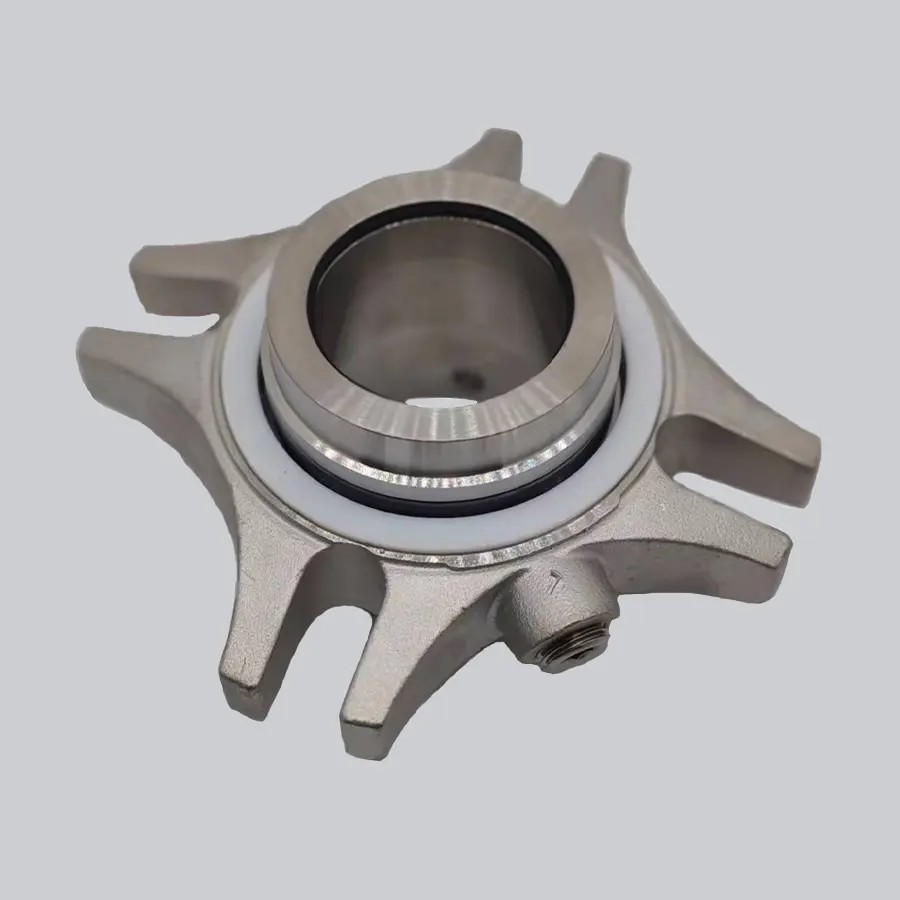
Check Pump Model and Specs
To choose the right seal, you need to know the pump’s brand and model. Every pump is different, so pool owners must know the pump’s brand, model, and power. You can find this information on the pump’s nameplate or label. This label is typically located on the motor housing or the side of the pump. The shaft seal must be compatible with both the motor and the pump to ensure proper installation. Many experts recommend using a GOKIT kit. A GOKIT kit contains all the seals required for a given pump model. This helps prevent leaks and ensures proper pump operation.
Tip: Always check the manufacturer’s specifications. Compatibility is crucial. Parts that look identical may not be compatible with your pump.
Match Materials to Pool Type
Pool pump shaft seals are made from different materials. Pool owners should choose seal materials that match their pool type. Chlorinated pools require seals that can withstand chemicals. Saltwater pools require seals that can withstand salt. Victor manufactures seals using robust and durable materials that can withstand strong chemicals and high temperatures. They employ rigorous material inspection and advanced testing tools to ensure the high quality of their seals. Victor seals ensure pumps are protected from leaks and extend their lifespan.
| Pool Type | Recommended Seal Material | Benefit |
|---|---|---|
| Chlorine Pool | Chemical-resistant | Prevents Seal Breakage |
| Brine Pools | Salt Corrosion Resistant | Rust-Proof |
| Heated Pool | High Temperature Resistant | Handles high temperatures |
Avoid Common Mistakes
Many pool owners make mistakes when choosing new shaft seals. Running the pump dry can cause seal breakage and leaks. Excessive chlorine usage or improper shock sterilization can also quickly damage seals. Leaks, if not repaired promptly, can lead to pump failure. Seals wear down over time, so original equipment manufacturer (OEM) seals typically need replacement after approximately 7,500 hours of operation. Animals can also damage seals. Pool owners should replace seals before they break and consult experts or reputable brands like Victor. Victor’s original equipment manufacturer (OEM) seals are easy to replace and cheaper than most other brands.
Note: Choosing the right seal for your pump can save money and reduce maintenance costs.
Not all pool pump shaft seals work the same way. Choosing the right seals ensures smooth pump operation and helps prevent leaks. Pool owners should consult the pump manual or a professional before purchasing new parts. Victor offers reliable seals for a wide range of pump models to help protect your pool investment. The right seals offer numerous benefits:
- Avoid replacing the entire pump through cost-effective maintenance.
- Maintain optimal water flow.
- Prevent drips and damage using new seals and gaskets.
- Ensure the pump functions properly, resulting in clear water.
- Extend equipment lifespan by replacing parts regularly.
Choosing high-quality seals means a longer pump lifespan and a safer pool.
FAQ
What happens if someone uses the wrong pool pump shaft seal?
Using the wrong seal can lead to leaks, pump damage, and higher repair costs. Victor recommends selecting the right seal for your pump model for best results.
How often should pool owners replace shaft seals?
Pool owners should check shaft seals every swimming season. Most experts recommend replacing the shaft seal every 7,500 hours of use or when a leak occurs.
Are Victor mechanical seals compatible with major pump brands?
Yes! Victor seals are designed for many major brands. Pool owners can find direct-fit products for pumps from brands such as Grundfos and Alfa Laval.
Can pool owners install the shaft seal themselves?
Many pool owners can install the shaft seal themselves using basic tools. Victor’s direct-fit seals make installation easy and convenient. For best results, it is recommended to follow the pump manual or consult a professional.