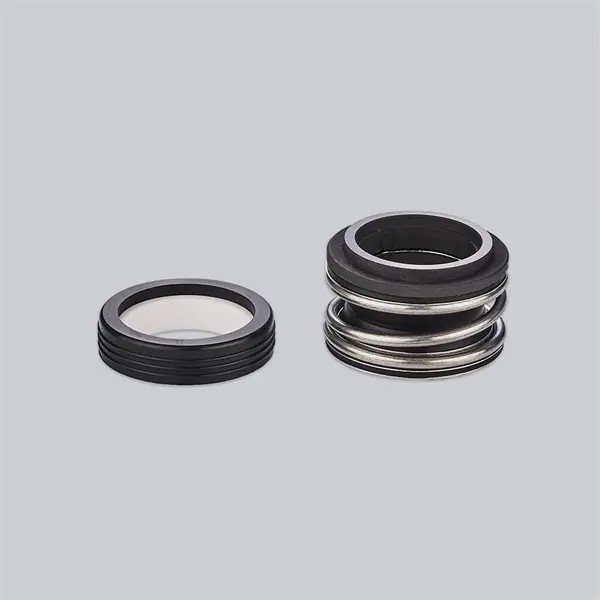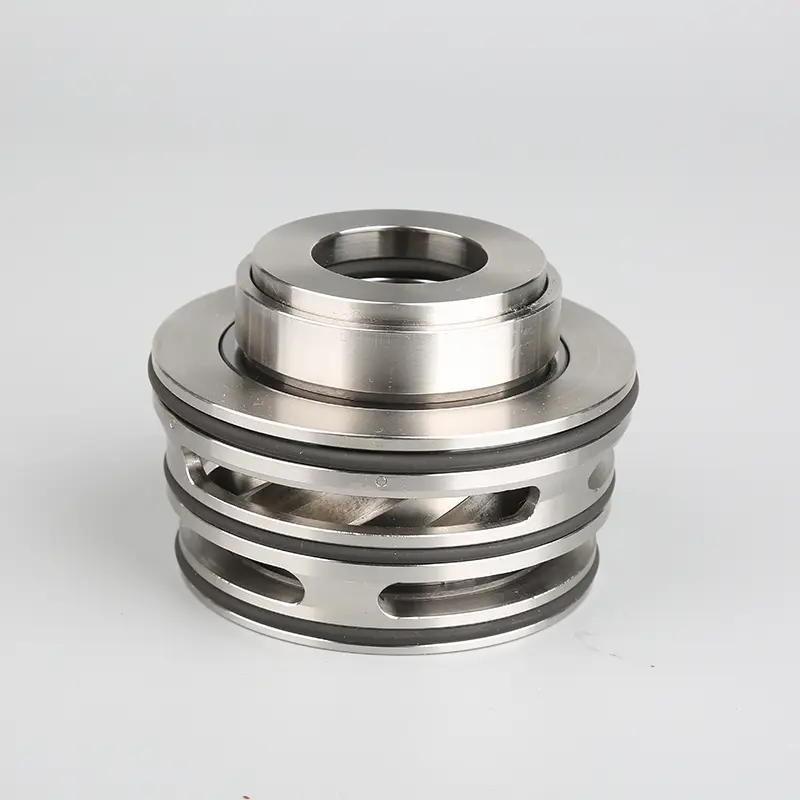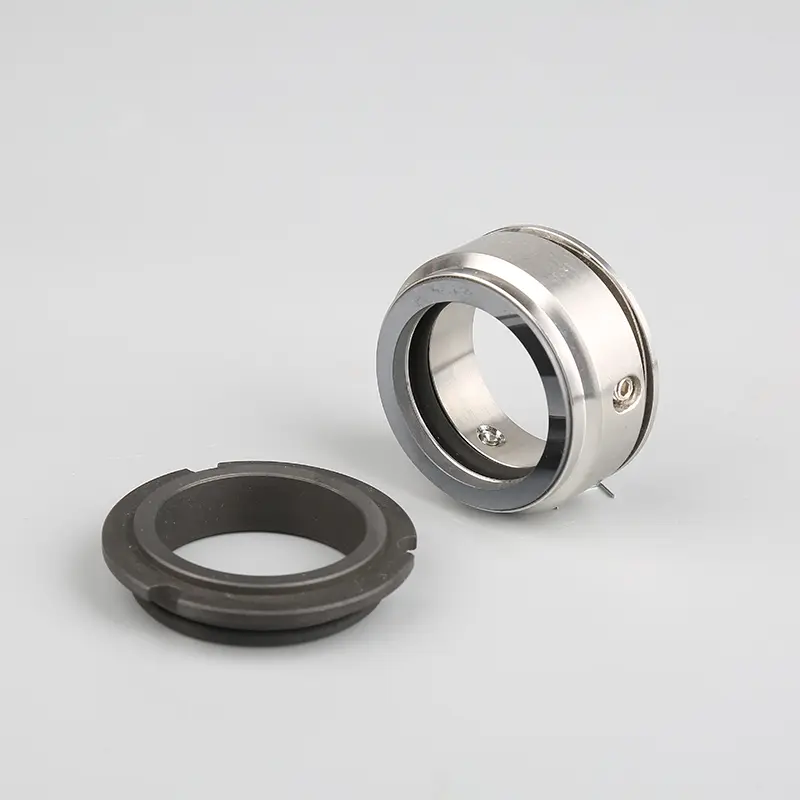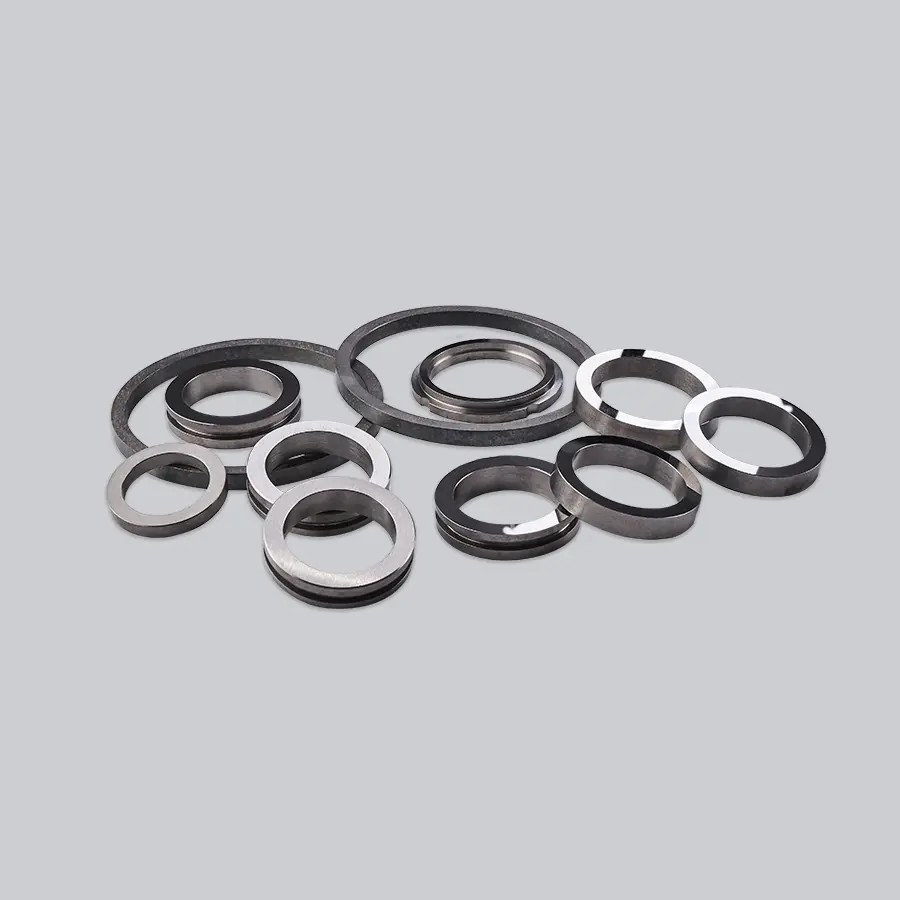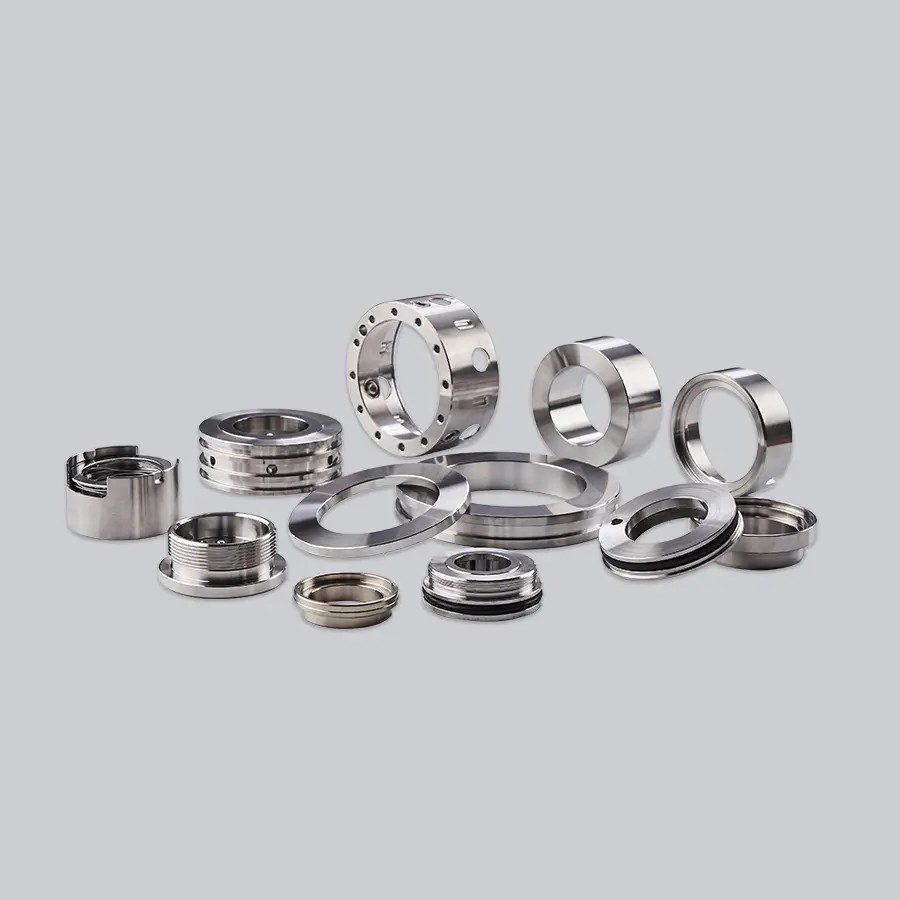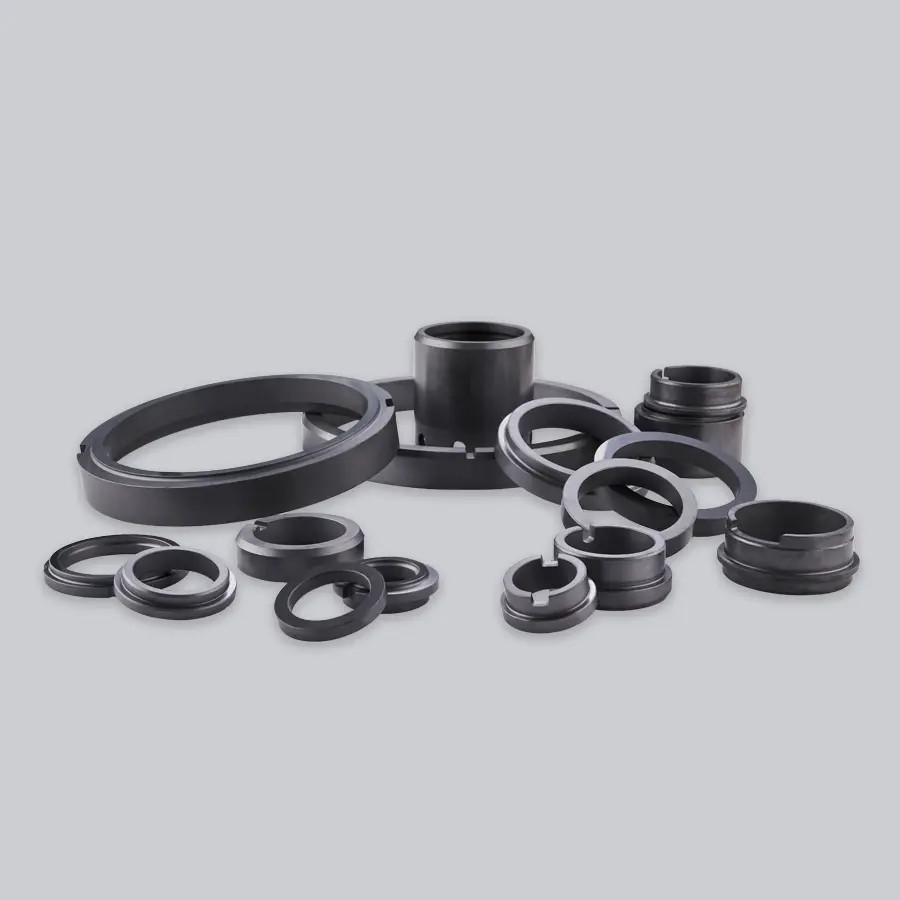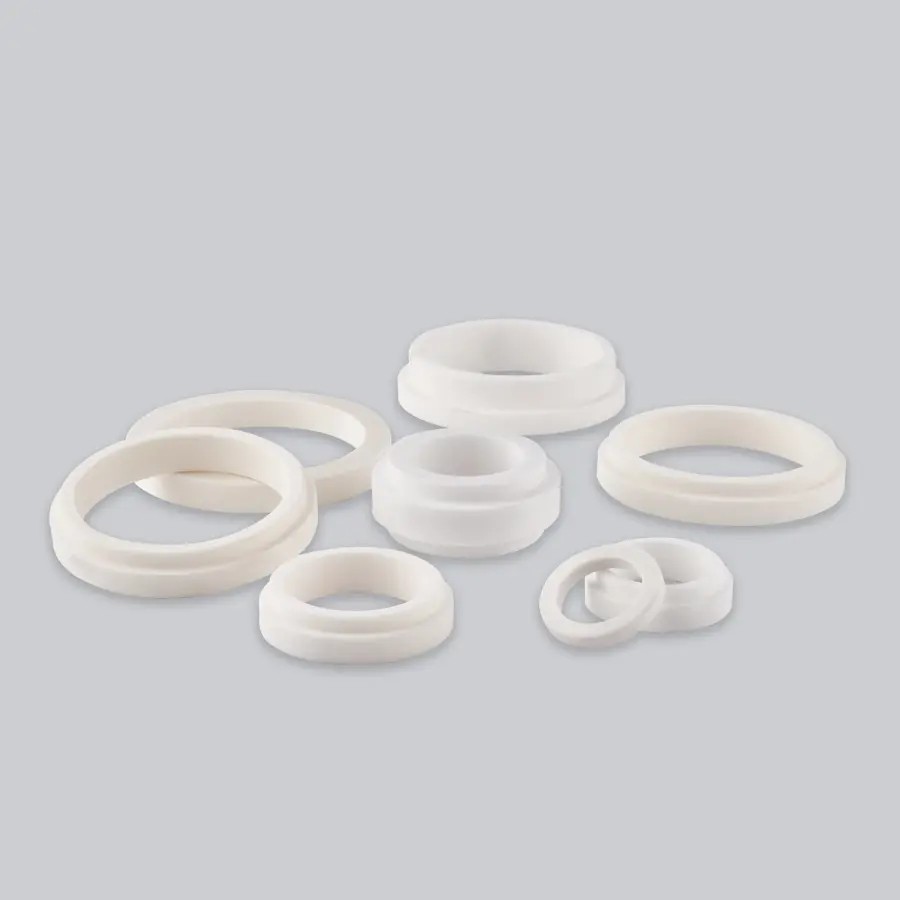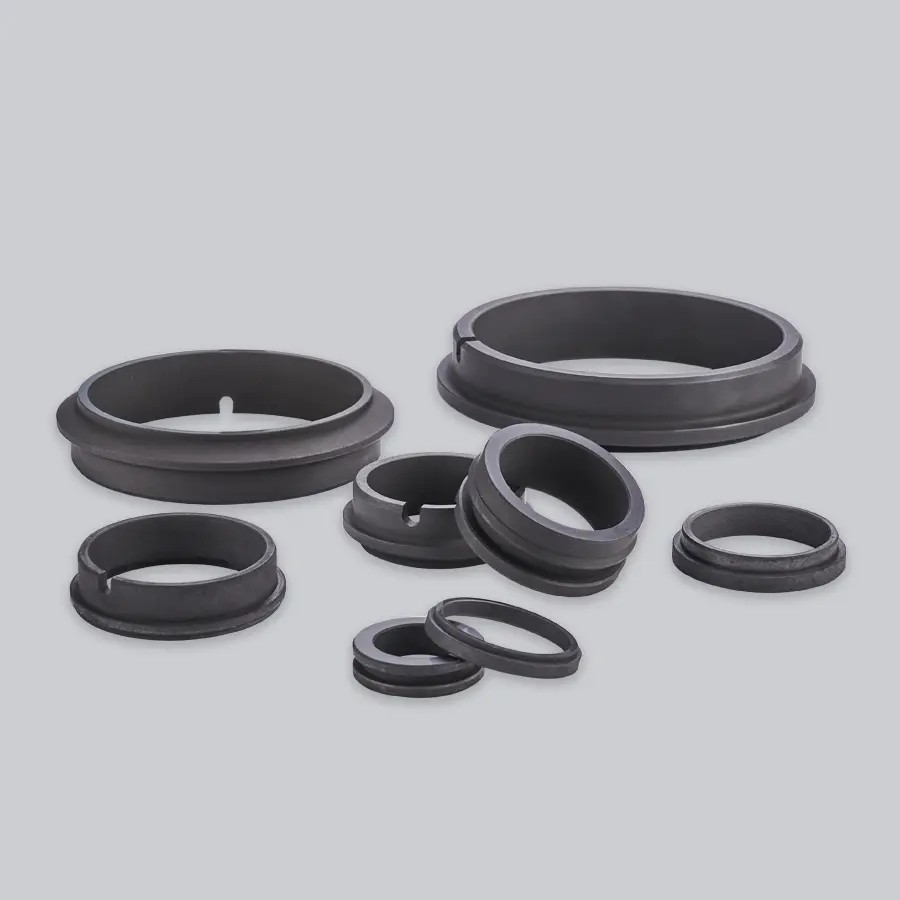
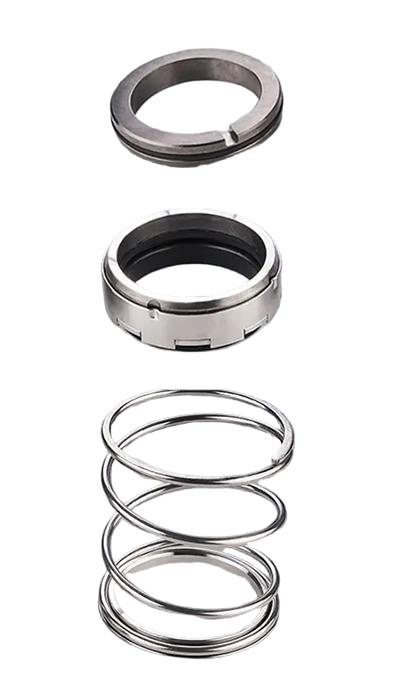
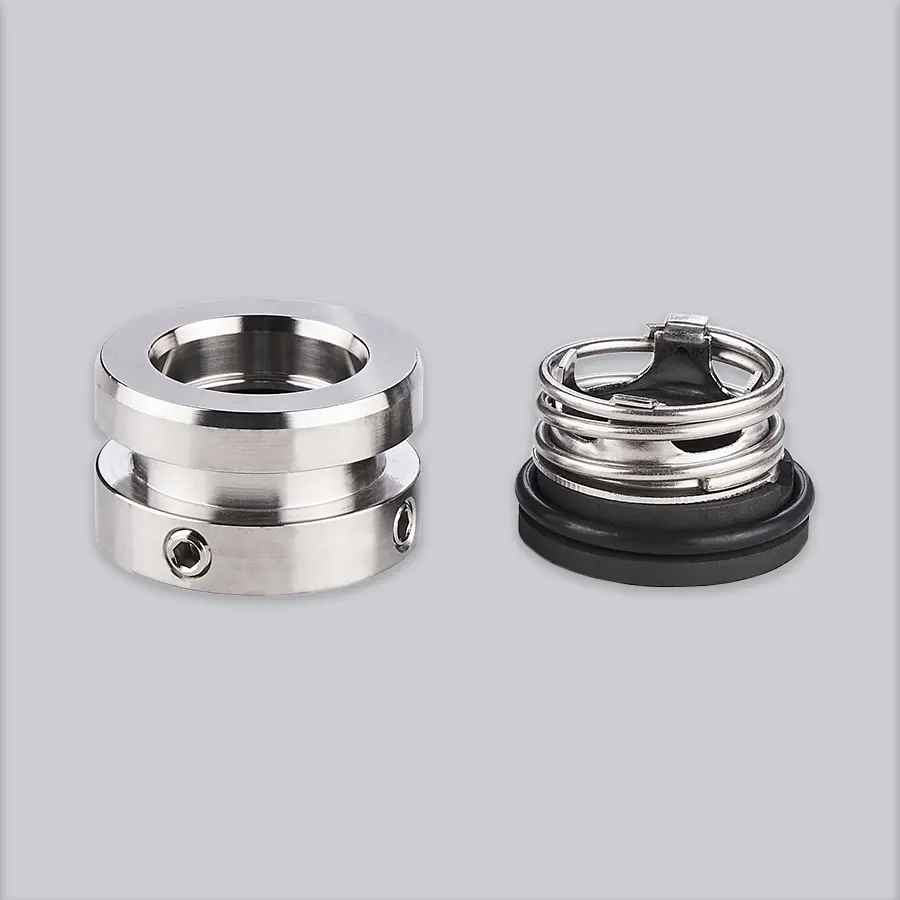
We supply a full range of pump seal parts, from standard designs to custom-made solutions. Simply provide your drawings or samples, and our expert team will create mechanical seal spare parts to meet your unique needs.
Competitive Pricing
Victor provides high-quality pump seals at prices that are consistently 10% lower than industry peers. It allows our customers to achieve better value without compromising on sealing performance.
OEM Compatibility
Our expertise includes developing OEM mechanical seals for globally recognized pump brands, such as IMO, ABS, Grundfos, Alfa Laval, Lowara, Allweiler, KRAL, Fristam, Emu, APV and Flygt.
Global Trust
We are registered in more than 30 countries, reflecting the international trust in our products. This global presence ensures material quality standards are recognized and accepted worldwide.
Skilled Manufacturing
With a dedicated factory space of 3,800 m² and a team of 40 technical experts, we maintain strict control over material selection and processing, ensuring consistency and reliability in every seal we produce.
Acquire all kinds of knowledge from professional China pump mechanical seal manufacturer

In any centrifugal pump or piece of rotating equipment, the component that creates the dynamic seal barrier is known as the rotating face—also called the primary ring or rotary portion. It mounts directly to the pump shaft and spins with it. While a mechanical seal always consists of two main

A gasket creates a tight seal between two stationary flat surfaces in industrial equipment, while a mechanical seal prevents fluid leakage in machinery with moving components, such as pumps and mixers. Understanding this core distinction is critical for selecting the right sealing solution, reducing operational costs, minimizing leaks, and extending

A failing pool pump seal comes with clear, easy-to-spot signs. Homeowners commonly notice water leaks, strange noises, or weaker pump performance. Catching these issues early makes a major difference: Repair costs can be reduced by up to 60%. Standard seal replacement ranges from $150 to $300. Delaying repairs often leads

A cartridge mechanical seal is a pre-assembled, self-contained sealing unit designed to prevent fluid leakage in rotating equipment such as pumps, mixers, and compressors. Used across a wide range of industrial sectors, it offers simplified installation, strong operational reliability, and long service life. Today, cartridge seals are used in more
1. Rotary Face (Rotating Ring)
The rotary face, also known as the rotating ring, is mounted on the pump shaft and rotates together with it. It forms one side of the main sealing surface. This component is typically made from materials such as carbon, silicon carbide, or tungsten carbide to ensure excellent wear resistance and stable performance under high-speed operation.
2. Stationary Face (Seat)
The stationary face, or seat, is fixed in the pump housing or gland plate and remains immobile during operation. It works in direct contact with the rotary face to form the primary sealing interface. Common materials include ceramic, silicon carbide, and tungsten carbide for high durability and sealing precision.
3. Secondary Seals
Secondary seals include O-rings, gaskets, or bellows that prevent leakage between the metal parts of the seal assembly. They provide flexible, reliable sealing where metal-to-metal contact cannot. Depending on the operating environment, materials such as Viton, EPDM, NBR, or PTFE are selected for optimal chemical and temperature resistance.
4. Spring or Spring Set
The spring or spring set applies the necessary pressure to keep the sealing faces in close contact, ensuring a consistent seal even as parts wear over time. Depending on the design, it may consist of a single spring, multiple small springs, or a wave spring to suit various applications.
5. Retainer / Collar
The retainer, also known as the collar, connects the rotary face to the shaft and holds the rotating parts firmly together. It ensures that the motion of the shaft is accurately transferred to the rotary face for consistent performance.
6. Gland Plate
The gland plate secures the stationary components in place and fastens the seal assembly to the pump housing. It may also feature ports for flushing, cooling, or barrier fluid, depending on the seal system configuration.
7. Drive Mechanism
The drive mechanism transmits torque from the shaft to the rotary face, ensuring both rotate synchronously. Common drive types include drive pins, set screws, or keyways, designed to prevent slippage and maintain sealing efficiency.
For inquiries about our products or pricelist, please leave your email to us and we will be in touch within 24 hours.
About Victor
Contact Victor