
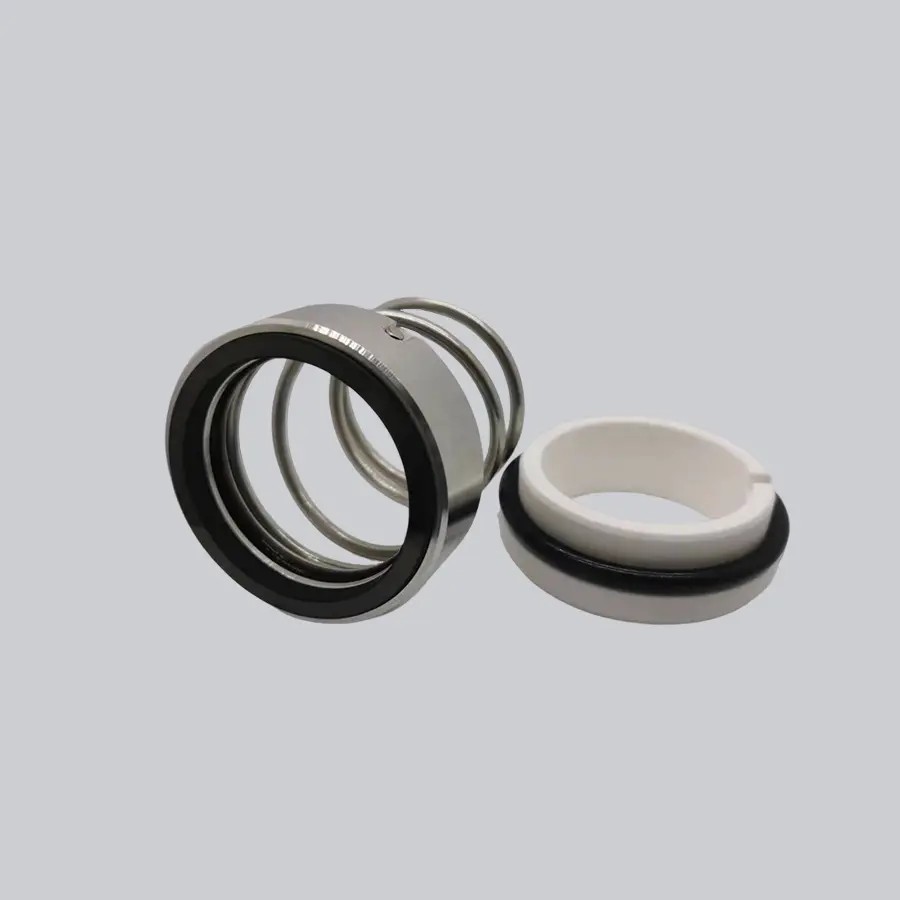
If you’ve ever dealt with a leaking centrifugal pump, you know how costly and dangerous seal failures can be. Even a small leak can lead to product loss, equipment damage, contamination, and unexpected downtime.
In a centrifugal pump, the mechanical seal is installed around the pump shaft, directly behind the impeller, where the rotating shaft passes through the stationary pump housing. This location is critical because it prevents fluid from escaping while allowing the shaft to rotate freely.
Proper seal placement and installation are essential for reliable pump performance, longer equipment life, and leak-free operation.
Key Takeaways
- A mechanical seal is installed directly behind the impeller where the pump shaft passes through the housing
- Improper installation causes 20% of all centrifugal pump failures
- Sealing problems account for 31% of total centrifugal pump downtime
- Always follow manufacturer instructions for installation and alignment
- Victor mechanical seals meet ISO 9001 and API 682 global industry standards for reliability
- Regular maintenance can extend seal life from 1 year to 5+ years
Where to Install a Mechanical Seal in a Centrifugal Pump
Exact Location and Anatomy
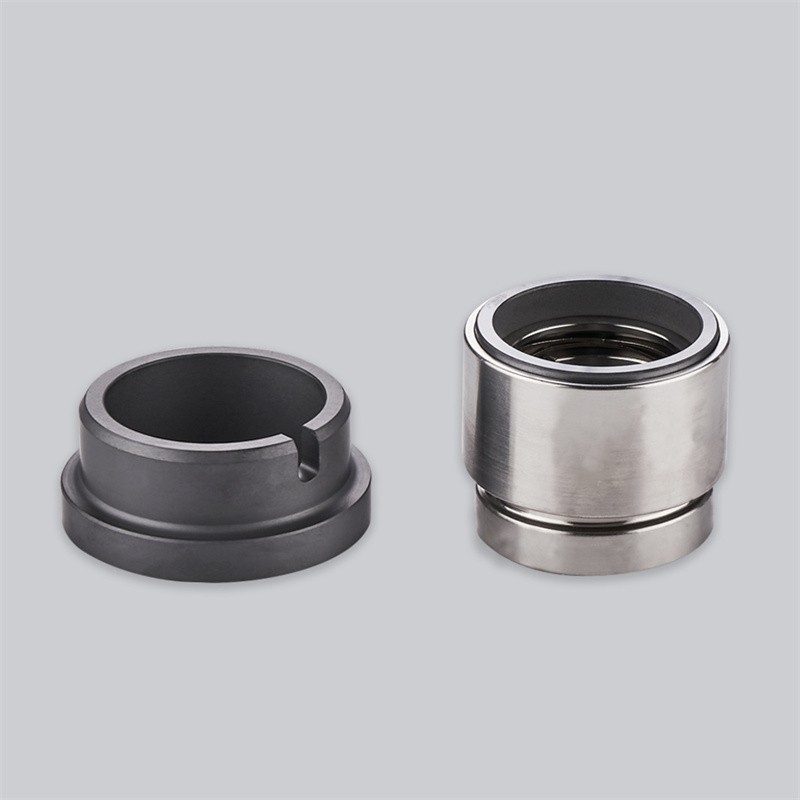
The mechanical seal is mounted on the pump shaft, immediately behind the impeller, in a dedicated cavity called the seal chamber (or stuffing box). This is the exact point where the rotating shaft exits the stationary pump housing.
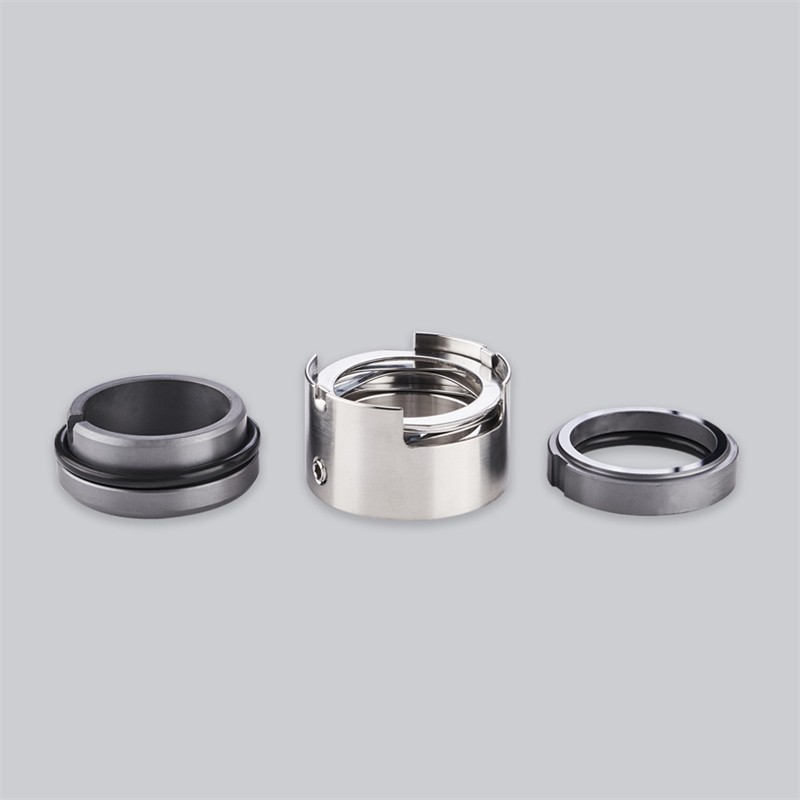
The seal consists of two primary components:
- Rotary seal face: Mounted on the spinning shaft, rotates with the impeller
- Stationary seal face: Fixed to the pump housing, does not move
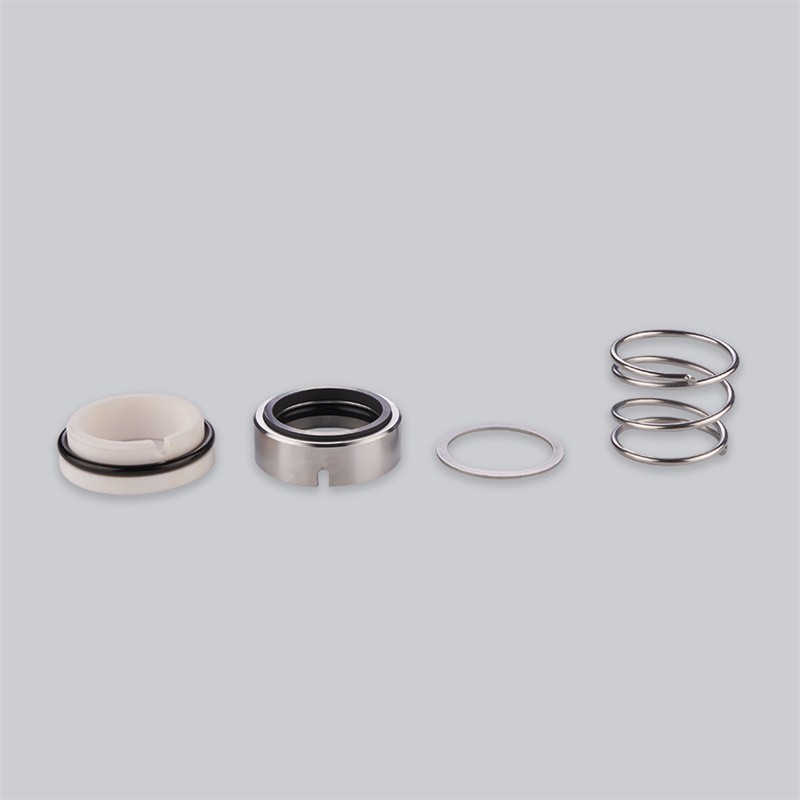
Internal springs or bellows maintain constant pressure between the two faces, creating a thin lubricating film of process fluid that prevents friction and stops leaks. Even when the pump is off, this pressure keeps the faces sealed.
Pro Tip: Always refer to your pump manual or Victor’s product guide for exact cavity dimensions. Each pump model has a unique seal chamber size and shape.
Why This Specific Position?
This location is the only point where the rotating shaft penetrates the wet side of the pump. The mechanical seal creates an impermeable barrier between:
- The wet side: Contains the process fluid being pumped
- The dry side: Houses the motor, bearings, and drive components
Installing the seal anywhere else would fail to contain the fluid or interfere with the pump’s hydraulic performance.
Consequences of Incorrect Placement
Installing the seal in the wrong position or misaligning it is the leading cause of premature seal failure. The table below shows the most common failure modes and their symptoms:
| Failure Mode | Root Cause | Visible Symptoms |
|---|---|---|
| Dry running | No lubrication film between faces | Burn marks, smoke, blackened seal faces |
| Face wear | Abrasive particles in fluid | Grooves, scoring on seal surfaces |
| Thermal distortion | Uneven heat distribution | Cracked or warped seal faces |
| O-ring damage | Chemical attack or improper installation | Swelling, hardening, or cracking of O-rings |
| Shaft misalignment | Excess runout | Chatter marks on seal faces, uneven wear |
| Vibration-induced failure | Unstable lubrication film | Spalling, pitting of seal materials |
Why Mechanical Seals Are Critical
Preventing Hazardous Fluid Leaks
Mechanical seals are far more effective than traditional packing glands at containing fluids, especially when handling:
- Toxic or corrosive chemicals
- Flammable or explosive liquids
- High-value process fluids
- High-pressure or high-temperature media
They create a dynamic seal that maintains integrity even as the shaft spins at thousands of RPM. This not only saves product but also protects workers and the environment from dangerous leaks.
Protecting Pump Bearings and Components
Leaking fluid is the cause of bearing failure in centrifugal pumps. When fluid seeps past the shaft, it:
- Washes away bearing lubricant
- Causes rust and corrosion
- Introduces abrasive particles into moving parts
- Leads to catastrophic pump failure
A properly installed mechanical seal keeps fluid inside the pump and contaminants out, doubling the average lifespan of pump bearings and reducing maintenance costs by up to 50%.
Victor mechanical seals are engineered to meet the stringent API 682 standard, the global benchmark for reliability in centrifugal pump sealing. Our seals are designed to operate reliably in extreme temperatures, pressures, and corrosive environments.
Step-by-Step Mechanical Seal Installation Guide
Safety Preparation Before Installation
CRITICAL SAFETY WARNING: Always follow lockout-tagout (LOTO) procedures before working on any pump. This ensures the pump cannot start accidentally, preventing serious injury or death.
- Cut and lock out all power to the pump motor
- Close inlet and outlet valves and drain all fluid from the pump casing
- Perform a hazard assessment for the specific fluid being handled
- Wear appropriate PPE: safety glasses, chemical-resistant gloves, and protective clothing
- Keep the work area clean and organized to prevent slips and falls
Removing the Old Seal
Removing the old seal is a critical step in the installation process. The following steps demonstrate how to do this safely and correctly:
- Remove the bolts securing the pump casing and separate the casing halves
- Unscrew the impeller from the shaft using the correct tool
- Carefully remove both the rotary and stationary components of the old seal
- Thoroughly clean the seal chamber, shaft, and impeller hub to remove all dirt, debris, and old sealant
- Inspect the shaft for scratches, grooves, or runout that could damage the new seal
Installing and Aligning the New Seal
The following steps are crucial to ensuring a good seal:
- Apply a thin layer of compatible lubricant to the shaft and O-rings (do not use too much)
- Slide the stationary seal face into the seal chamber, ensuring it is seated flat and aligned
- Install the rotary seal assembly onto the shaft, following the manufacturer’s length setting
- Tighten all fasteners to the specified torque using a calibrated torque wrench
- Verify that the seal faces are clean, smooth, and free of scratches before final assembly
Important: Never touch the seal faces with your bare hands. Oil and dirt from your skin can cause premature failure.
Reassembly and Final Inspection
- Reinstall the impeller and tighten to the correct torque
- Align the pump with the motor driver according to manufacturer specifications
- Turn the shaft by hand to ensure it rotates freely without binding
- Connect all flush, quench, and barrier lines
- Vent the stuffing box to remove trapped air
- Ensure the pump has sufficient NPSH (Net Positive Suction Head) to prevent cavitation (vapor bubble formation that damages components)
During the first hour of operation, monitor the seal closely for leaks, unusual noise, or excessive heat. A small initial weep is normal as the seal faces wear in, but it should stop within 30 minutes.
Maintenance Tips for Longer Seal Life
Regular maintenance helps extend the life of the mechanical seal and ensures proper pump operation. Operators should perform the following steps:
- Monitor operating conditions: Regularly check pump temperature, pressure, and vibration levels
- Perform routine inspections: Check for leaks, noise, or heat near the seal chamber
- Maintain flushing systems: Ensure flush lines are clean and flowing properly
- Operate within design limits: Avoid running the pump dry or outside its recommended operating range
- Use the correct seal material: Match seal materials to the process fluid and operating conditions
- Keep the pump clean: Prevent dirt and debris from entering the seal chamber
Following these simple steps can extend the average life of a Victor mechanical seal from 2 years to 5 years or more.
Conclusion
The mechanical seal must be installed directly behind the impeller in the seal chamber where the pump shaft passes through the housing. This is the only position that can effectively contain process fluid and protect critical pump components.
Proper installation and alignment are essential for seal performance and longevity. Even small installation errors can cause premature failure and costly downtime. Victor mechanical seals are designed for easy installation and reliable operation, meeting ISO 9001 and API 682 standards for quality and performance.
By following the steps and guidelines in this guide, you can ensure your mechanical seals are installed correctly and will provide years of trouble-free service. For more information or to find the right seal for your pump, contact the Victor technical support team today.
FAQ
What does a mechanical seal do in a centrifugal pump?
A mechanical seal creates a tight barrier between the rotating shaft and stationary pump housing, preventing process fluid from leaking out and contaminants from getting in.
How can I tell if a mechanical seal needs replacing?
Common signs of a failing seal include:
- Visible leakage near the shaft
- Unusual noise or vibration from the seal chamber
- Excessive heat around the seal
- Burn marks or worn seal faces
Can Victor mechanical seals fit different pump brands?
Yes. Victor designs mechanical seals to be interchangeable with most major pump brands, including Goulds, Grundfos, Flowserve, and Sulzer. We offer over 10,000 seal configurations for various applications.
How long does a mechanical seal usually last?
With proper installation and maintenance, most mechanical seals last 2–5 years. Victor premium seals can last 5+ years in normal operating conditions.
What is API 682 and why is it important?
API 682 is the global industry standard for mechanical seals in centrifugal pumps. It sets strict requirements for design, testing, and performance to ensure maximum reliability and safety in critical applications.