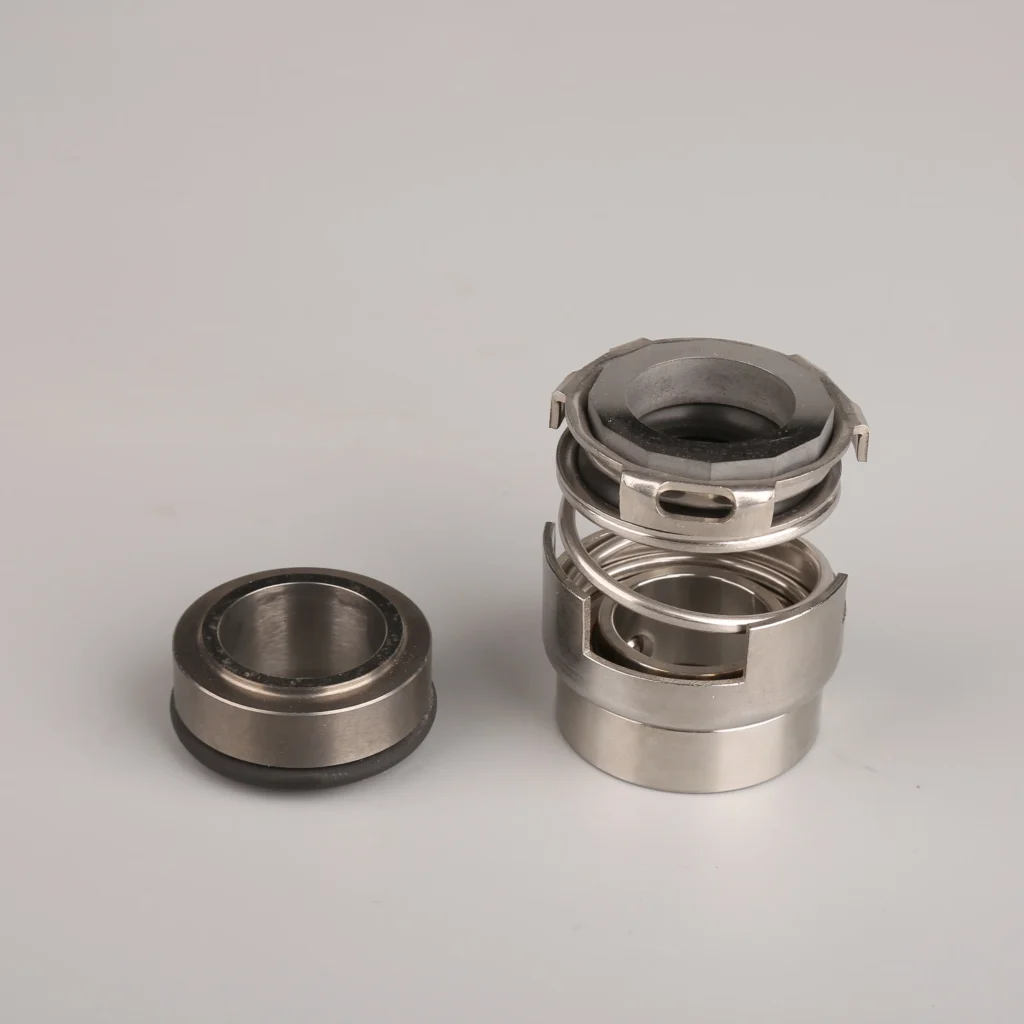
Most mechanical seals cannot operate without proper lubrication. A thin fluid film forms between the seal faces, reducing friction, dissipating heat, and preventing leakage. Without this lubrication layer, friction and temperature rise rapidly, leading to accelerated wear and potential seal failure.
Some advanced designs, such as component mechanical seals, use improved materials and engineering to enhance reliability and adapt to more demanding conditions—but even these are not always designed for continuous dry running.
Key Takeaways
- Most mechanical seals require lubrication to function properly
- Dry running causes rapid heat buildup, wear, and seal failure
- Specialized dry-running seals exist but are application-specific
- Proper installation, monitoring, and maintenance are critical
- Early detection tools help prevent costly damage
Key Facts About Mechanical Seal Dry Running
Standard Mechanical Seal Limitations
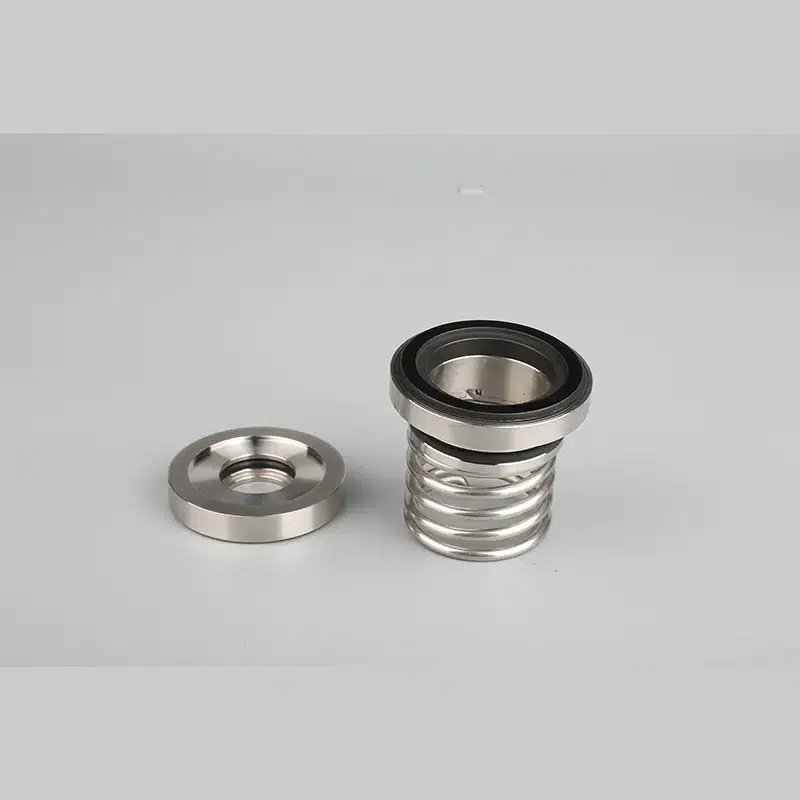
Most mechanical seals rely on a thin fluid film between the seal faces. This film provides lubrication and cooling.
Without it:
- Direct face contact increases friction
- Heat builds up rapidly
- Seal faces may crack, warp, or fail
Dry running typically results from loss of fluid film due to operational or system issues. Regular inspection and proper system setup are essential to prevent these issues.
Are There Dry-Running Seal Designs?
Yes, but they are specialized.
Dry-running mechanical seals are designed with:
- Advanced face materials (e.g., silicon carbide, tungsten carbide)
- Self-lubricating or heat-resistant properties
- Improved heat dissipation
| Feature | Dry-Running Seals | Standard Seals |
|---|---|---|
| Continuous dry operation | Yes (limited) | No |
| Requires lubrication | No (or minimal) | Yes |
| Heat resistance | High | Moderate |
| Typical applications | Specialized | General industrial |
These seals are used in specific environments and should not be considered a universal replacement.
What Happens When a Mechanical Seal Runs Dry?、
Heat and Friction Build-Up
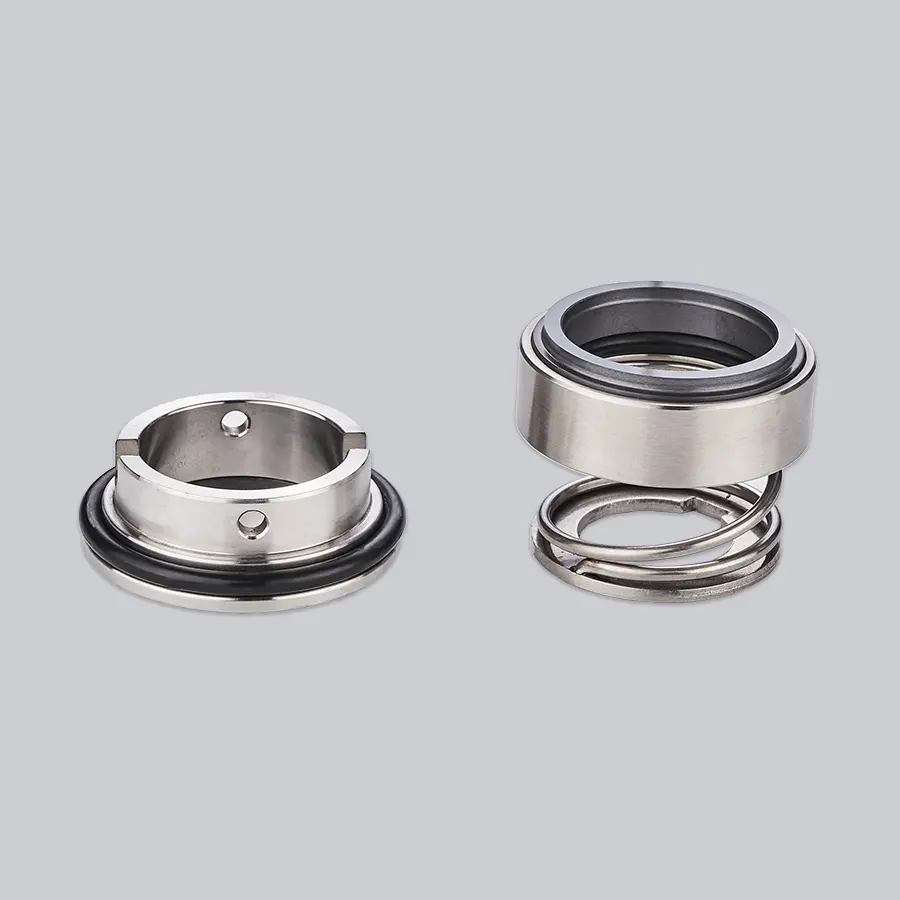
When a mechanical seal runs dry, the lubricating fluid film between the seal faces collapses, resulting in direct surface contact.
As a result:
- The coefficient of friction—typically 0.02–0.08 under lubricated conditions—increases significantly
- Breakaway (starting) friction may rise by 3–5× or more, depending on operating conditions
This rapid increase in friction generates heat almost instantly. Without fluid to dissipate it, temperatures can rise sharply within seconds, leading to immediate material stress and damage.
The table below summarizes the primary physical effects of dry running:
| Immediate Effect | Description |
|---|---|
| Excessive face wear | Direct contact accelerates material loss |
| Thermal cracking | High temperatures induce cracking, especially in brittle materials |
| Material degradation | Carbon or composite faces may fracture or deteriorate |
These effects can occur within seconds. Thermal expansion and distortion may further worsen contact conditions and accelerate failure.
Seal Damage and Failure Risks
Dry running can quickly lead to severe and often irreversible seal damage.
Typical failure modes include:
- Thermal degradation or surface burning
- Blistering, cracking, or deformation of seal faces
- Loss of sealing integrity and leakage
In some cases, rapid temperature changes can cause thermal shock, resulting in sudden and complete seal failure.
The table below outlines common failure outcomes:
| Failure Mode | Description |
|---|---|
| Heat-induced wear | Continuous friction leads to accelerated surface damage |
| Leakage | Loss of flatness and surface integrity compromises sealing performance |
Additional contributing factors may include:
- Gas ingress into the sealing interface
- Insufficient barrier or buffer fluid pressure
- Excessive axial loading
These factors further increase the likelihood of premature failure. In practice, dry running often results in unplanned downtime, higher maintenance costs, and reduced equipment reliability.
Note: Proper installation, adequate lubrication, and continuous monitoring are essential to prevent dry running and extend seal service life.
How to Prevent Dry Running in Mechanical Seals
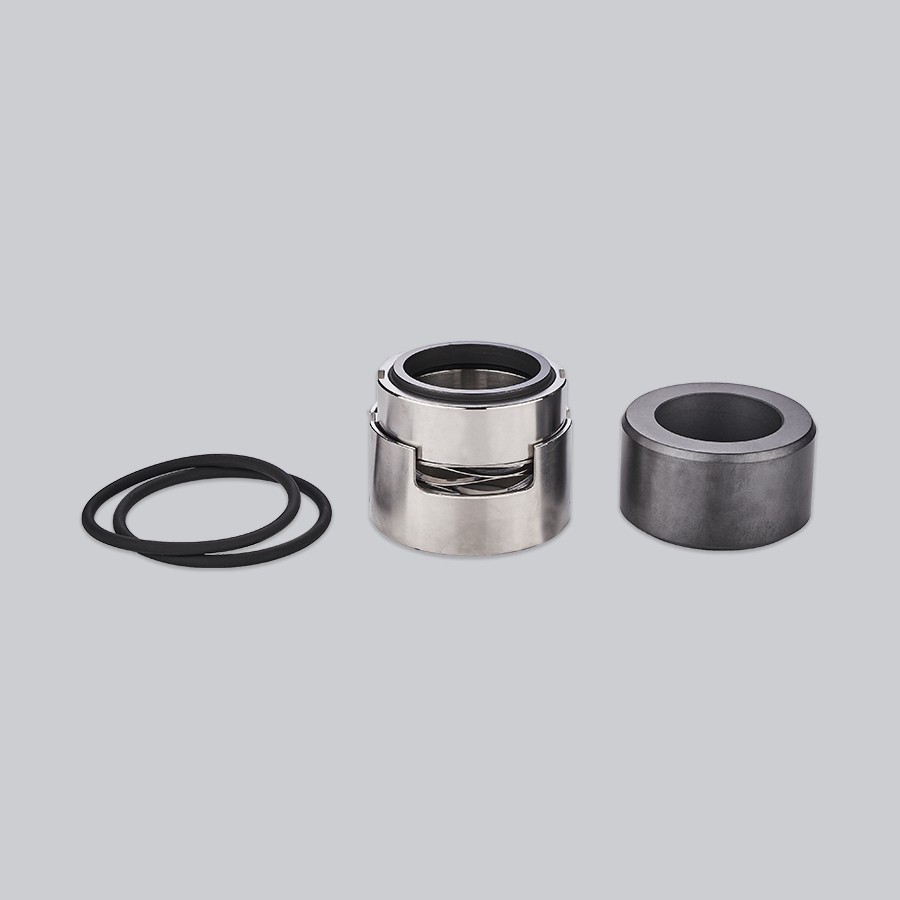
Preventing dry running is critical to maintaining seal performance and avoiding premature failure. A combination of correct installation, proper operation, and ongoing monitoring is essential.
Proper Installation and Operation
Correct installation is the first line of defense against dry running.
Key best practices include:
- Follow manufacturer specifications during installation
- Ensure proper alignment of the pump and seal components
- Verify all parts are correctly assembled and secured
- Provide adequate operator training to reduce human error
Improper installation—such as misalignment or incorrect settings—can significantly increase the risk of dry running and early seal failure.
Supporting systems should also be properly configured:
- Flush systems
- Quench systems
- Barrier or buffer fluid systems
These systems help maintain a stable lubricating film, dissipate heat, and ensure optimal operating conditions.
Additional precautions:
- Use clean handling procedures to prevent contamination
- Avoid over-compression, which can damage seal faces
- Install protection devices such as flow sensors or dry-run monitors
Tip: Proper installation and trained operation can prevent the majority of dry-running incidents.
Monitoring and Maintenance
Routine monitoring and preventive maintenance are essential to detect early signs of dry running and extend seal life.
Recommended practices include:
- Perform regular inspections for leakage, wear, or abnormal conditions
- Follow manufacturer-recommended replacement intervals
- Monitor system performance under actual operating conditions
Advanced diagnostic tools can improve reliability:
- Thermal imaging: Identifies abnormal heat buildup
- Vibration analysis: Detects misalignment or imbalance
- Visual inspection: Checks for wear, scoring, or surface damage
- Leak rate monitoring: Evaluates sealing performance
Modern systems may also use smart sensors for real-time monitoring, allowing early detection of flow loss, temperature spikes, or vibration changes that indicate potential dry-running conditions.
Note: Combining routine inspection with real-time monitoring significantly reduces the risk of unexpected seal failure.
Conclusion
Most mechanical seals are not designed to run dry. They rely on a thin fluid film to reduce friction, control temperature, and maintain sealing performance. Once this lubrication is lost, friction and heat increase rapidly—often leading to seal failure within seconds.
While specialized dry-running seals are available, they are limited to specific applications and cannot replace standard designs in most systems. For the majority of industrial uses, preventing dry running remains essential.
By ensuring proper installation, maintaining stable operating conditions, and using monitoring tools to detect early warning signs, operators can significantly reduce failure risks, extend seal life, and avoid costly downtime.
FAQ
Can a mechanical seal run dry?
In most cases, no. Standard mechanical seals require a lubricating fluid film to operate properly. Running dry will quickly cause excessive heat, wear, and failure.
How quickly can a seal fail during dry running?
Failure can occur within seconds. Without lubrication, friction increases sharply, causing rapid heat buildup that can damage seal faces almost immediately.
Are there mechanical seals designed for dry running?
Yes, but they are specialized. Dry-running seals use advanced materials and designs to handle limited dry conditions, and are typically used in specific industries or controlled environments.
Is using a dry-running seal always better?
No. Dry-running seals are not a universal solution. They are typically more expensive and designed for specific conditions. For most applications, a properly maintained standard mechanical seal is more effective and reliable.