A single seal failure in a chemical, pharmaceutical, or oil-processing pump can result in toxic leaks, environmental contamination, expensive downtime, and serious safety risks. In high-risk applications, a standard single mechanical seal often cannot provide enough protection.
Double mechanical seals are designed to create an additional sealing barrier between the pumped fluid and the external environment. By using two seals together with a barrier or buffer fluid system, they significantly reduce leakage risk, improve equipment reliability, and enhance operational safety. Because of these advantages, double mechanical seals are widely used in industries that handle hazardous, corrosive, abrasive, or high-temperature fluids.
Key Takeaways
- Double mechanical seals use two independent sealing faces for fail-safe leak protection
- Dual mechanical seals are ideal for handling hazardous, abrasive, corrosive, or high-pressure/high-temperature fluids.
- Barrier fluid between seals cools, lubricates, and cleans faces, extending seal life by 2–3x
- Dual mechanical seals are a prerequisite for regulatory compliance in the chemical, oil and gas, and pharmaceutical industries.
- Double mechanical seals reduce leakage by over 80% and improve pump reliability by 25%
Understanding Double Mechanical Seals
What Is a Double Mechanical Seal?
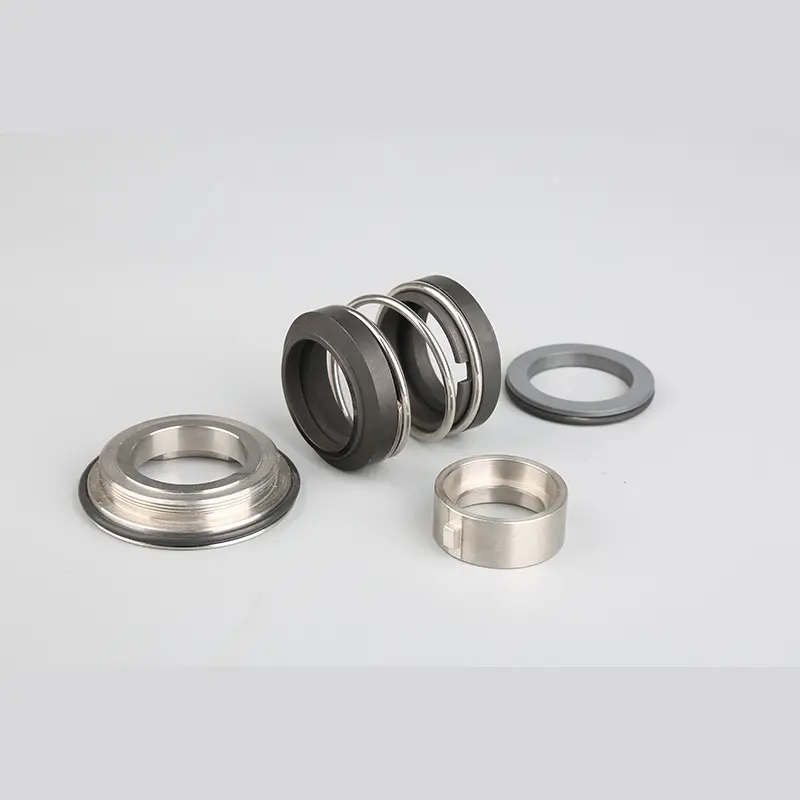
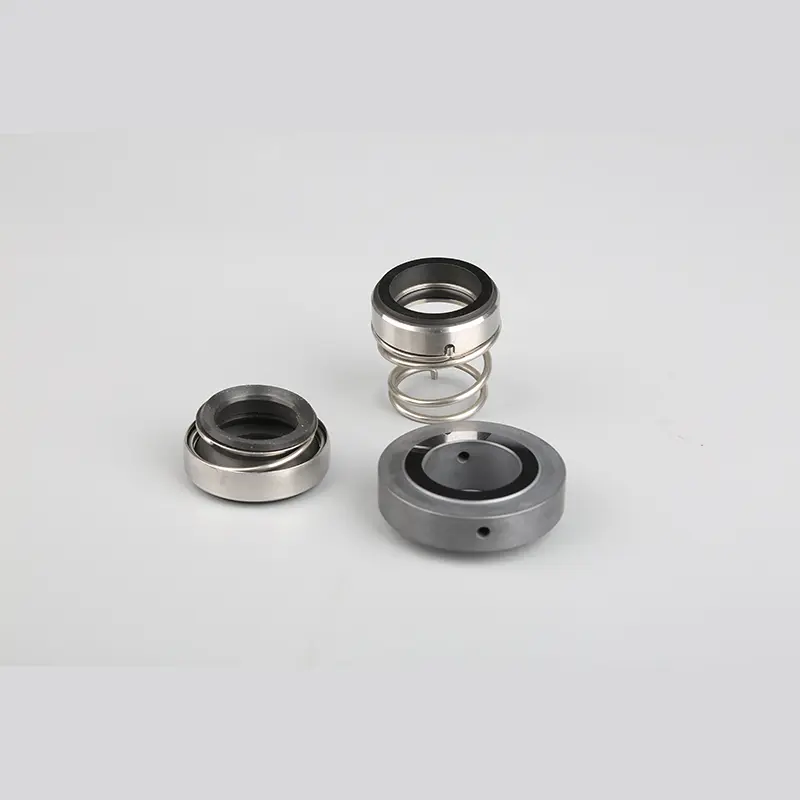
A double mechanical seal is a precision-engineered device that uses two separate sealing surfaces to contain process fluid in centrifugal pumps. It creates an impermeable barrier between the rotating shaft and stationary pump housing.
The three core components of a double mechanical seal are:
- Inboard (primary) seal: Mounted closest to the process fluid, contains the main pumped media
- Outboard (secondary) seal: Acts as a backup barrier, prevents any escaped fluid from reaching the atmosphere
- Barrier fluid system: Circulates a clean, compatible liquid between the two seals to cool, lubricate, and clean the seal faces
This redundant design ensures that even if the primary seal fails, the secondary seal will contain the fluid, preventing catastrophic leaks.
Single vs. Double Mechanical Seal: Which to Choose?
Mechanical seals come in two primary configurations, each optimized for different operating conditions:
| Feature | Single Mechanical Seal | Double Mechanical Seal |
|---|---|---|
| Number of Seal Faces | 1 | 2 |
| Leakage Control | Minimal vapor leakage allowed | Zero visible leakage |
| Initial Cost | Lower | 2–3x higher |
| Installation Complexity | Simple | Requires trained technicians |
| Best For | Clean, non-hazardous, low-pressure fluids | Toxic, flammable, corrosive, or high-pressure media |
| Average Service Life | 1–2 years | 3–5 years with proper maintenance |
| Total Cost of Ownership | Higher (more frequent replacements) | Lower (less downtime and repairs) |
CRITICAL SAFETY WARNING: Double mechanical seals are required by law in many countries for handling toxic, flammable, or carcinogenic fluids. Failure to use the correct seal can result in regulatory fines, legal liability, and catastrophic accidents.
How Double Mechanical Seals Work
Inboard and Outboard Seal Arrangement
The dual-seal arrangement works in tandem to provide maximum protection:
- The inboard seal faces the process fluid and handles the full operating pressure. It is designed to contain the majority of the pumped media.
- The outboard seal is positioned between the inboard seal and the atmosphere. It acts as a safety backup, containing any fluid that may pass the primary seal.
If the inboard seal fails, the outboard seal immediately takes over, preventing any process fluid from escaping into the environment. This gives maintenance teams time to schedule a repair without an emergency shutdown.
The Critical Role of Barrier Fluid
Barrier fluid is the lifeblood of a double mechanical seal system. It circulates between the two seal faces and performs three essential functions:
- Lubrication: Creates a thin film between the rotating and stationary faces to reduce friction and wear
- Cooling: Removes heat generated by friction, preventing thermal distortion and seal failure
- Containment: Maintains a higher pressure than the process fluid (in pressurized systems), ensuring no hazardous media can escape
The most common barrier fluid system is API Seal Plan 54, which uses an external pressurized reservoir to circulate clean, temperature-controlled fluid. Victor double mechanical seals are fully compatible with all standard API seal plans.
Pro Tip: Check barrier fluid level and quality weekly. Contaminated or low barrier fluid is the #1 cause of premature double seal failure.
Why Use Double Mechanical Seals?
Handling Hazardous Fluids
Double mechanical seals are non-negotiable for pumps transporting dangerous substances, including:
- Toxic or carcinogenic chemicals
- Flammable or explosive liquids
- Radioactive materials
- Environmentally harmful fluids
The dual-barrier design ensures that even in the event of a primary seal failure, no hazardous material will be released. This protects workers, prevents environmental damage, and avoids costly cleanup operations.
According to industry data, double mechanical seals reduce hazardous fluid leaks by over 90% compared to single seals.
Managing Abrasive or Corrosive Media
Pumps handling slurries, acids, or other corrosive/abrasive fluids place extreme stress on seal components. Double mechanical seals address this challenge by:
- Using advanced wear-resistant materials
- Isolating the seal faces from the process fluid
- Providing continuous flushing to remove abrasive particles
| Seal Face Material | Key Properties | Best For |
|---|---|---|
| Silicon Carbide | Extremely hard, excellent chemical resistance | High-pressure, high-temperature, and corrosive applications |
| Tungsten Carbide | Superior abrasion resistance | Slurries and abrasive media |
| Carbon Graphite Blends | Self-lubricating, low friction | General industrial applications |
Withstanding High Pressure and Temperature
Double mechanical seals are engineered to operate reliably in extreme conditions:
- Temperature range: -40°C to 320°C (-40°F to 608°F)
- Pressure range: Up to 40 bar (580 psi)
- Special designs available for pressures exceeding 100 bar (1450 psi)
Single seals cannot maintain integrity at these extremes, making double seals the only viable option for high-pressure steam, hot oil, and high-pressure process applications.
Safety and Regulatory Compliance
Global regulatory bodies including OSHA, EPA, and API require double mechanical seals for many critical applications. These regulations are designed to:
- Protect worker health and safety
- Prevent environmental pollution
- Ensure process safety and reliability
Victor double mechanical seals are designed and tested to meet the stringent requirements of API 682, the global industry standard for centrifugal pump sealing. Using Victor seals ensures full compliance with all major international safety and environmental regulations.
Applications and Industry Use
Common Industries
Double mechanical seals are used across a wide range of industries where safety and reliability are paramount:
| Industry | Typical Applications |
|---|---|
| Oil & Gas | Refinery pumps, offshore platforms, pipeline transfer pumps |
| Chemical & Petrochemical | Acid pumps, solvent pumps, toxic chemical transfer |
| Pharmaceutical | Sterile process pumps, API manufacturing |
| Food & Beverage | Hygienic pumps for dairy, beverage, and food processing |
| Power Generation | Boiler feed pumps, cooling water systems |
| Water & Wastewater | Sludge pumps, chemical injection pumps |
According to the 2026 Global Pump Sealing Report:
- 39% of oil and gas pumps use double mechanical seals
- 28% of chemical processing pumps are equipped with double seals
- 34% of high-pressure industrial applications require double seal technology
Global Adoption Trends
The demand for double mechanical seals is growing rapidly worldwide:
- 41% of new industrial pumps are now fitted with double mechanical seals
- The global double seal market is projected to grow at a CAGR of 6.2% from 2026 to 2032
- Growth is driven by stricter environmental regulations and increasing focus on worker safety
Conclusion
Double mechanical seals are an essential investment for any pumping application involving hazardous, abrasive, or high-pressure fluids. While they have a higher initial cost than single seals, they provide unmatched safety, reliability, and regulatory compliance, resulting in significantly lower total cost of ownership over time.
Victor double mechanical seals are engineered to meet the most demanding industrial requirements, with advanced materials and designs that deliver long-lasting performance. Our seals are fully API 682 compliant and compatible with all major pump brands.
For help selecting the right double mechanical seal for your specific application, contact the Victor technical support team today. We offer custom sealing solutions for even the most challenging operating conditions.
FAQ
What is the main purpose of a double mechanical seal?
A double mechanical seal provides dual-layer leak protection for centrifugal pumps. It uses two independent sealing faces to ensure that even if one seal fails, the other will contain the process fluid, preventing hazardous leaks.
When should I use a double mechanical seal?
You should use a double mechanical seal when pumping:
- Toxic, flammable, or corrosive fluids
- Abrasive slurries or solids-laden media
- High-pressure or high-temperature fluids
- Any fluid where leakage would pose a safety or environmental risk
How does barrier fluid help the seal?
Barrier fluid circulates between the two seal faces to lubricate, cool, and clean the sealing surfaces. In pressurized systems, it also maintains a higher pressure than the process fluid, preventing any hazardous material from escaping.
Are double mechanical seals worth the extra cost?
Yes. While double seals have a higher initial purchase price, their return on investment is typically less than 12 months for critical applications:
- Reduce leakage by over 80%
- Extend pump life by 2–3x
- Eliminate costly emergency shutdowns and environmental cleanup
- Ensure compliance with safety regulations
Are double mechanical seals hard to install?
Double mechanical seals require careful installation by trained technicians. Victor designs our seals for ease of installation, with clear instructions and technical support available. Proper installation is critical to achieving maximum seal life and performance.