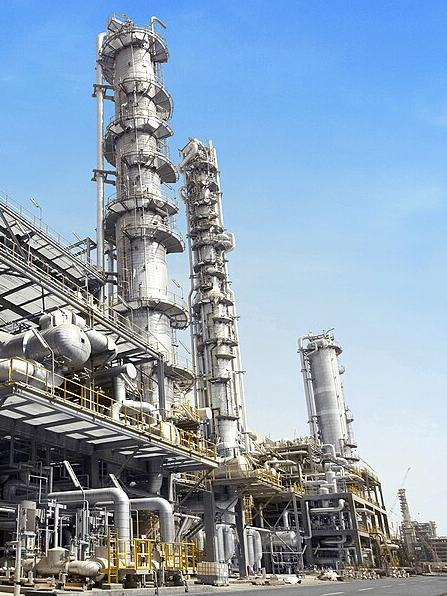
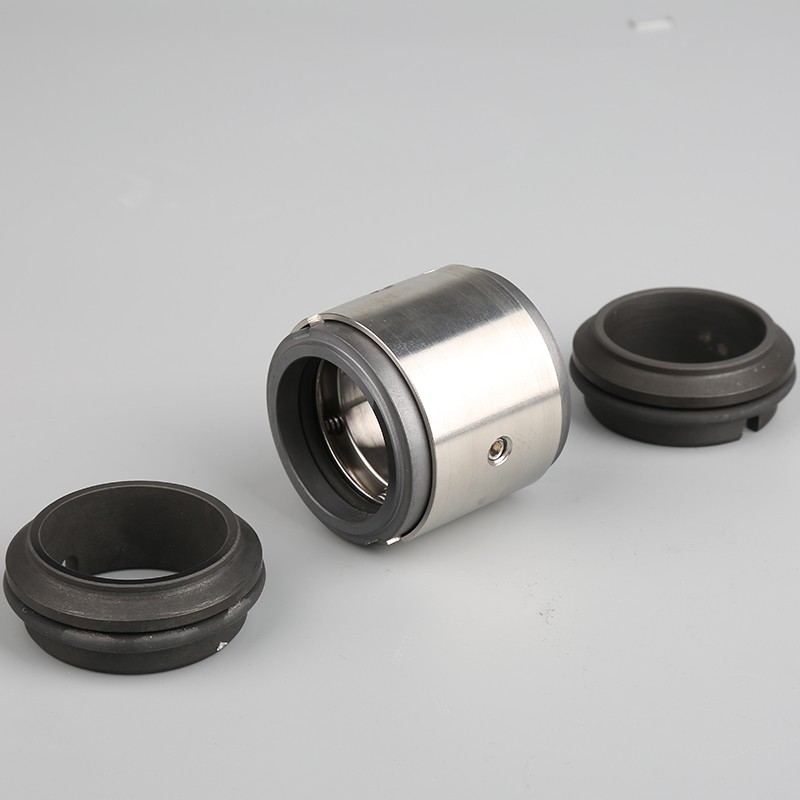
Mechanical seals can significantly reduce leakage and maintenance requirements compared with traditional gland packing in centrifugal pumps. They can cut leakage by up to 90%, reduce maintenance by around 80%, and improve energy efficiency, often leading to lower total cost of ownership over the pump’s lifespan. While gland packing has a lower upfront cost, mechanical seals often recover their investment within 6–12 months through reduced downtime, energy savings, and compliance benefits.
Here we compare the key operational and financial differences between mechanical seals and packing to help you choose the best solution for your application.
Key Takeaways
- Mechanical seals eliminate 90% of process leakage compared to gland packing
- They require 80% less maintenance and last 2–4 times longer
- Reduced friction cuts pump energy consumption by 10–15%
- Dual mechanical seals achieve near-zero leakage for hazardous fluids
- Total 5-year cost of ownership is 95% lower than packing
- Improves workplace safety and ensures compliance with EPA, OSHA, and API 682
Total Cost of Ownership: The Definitive Advantage
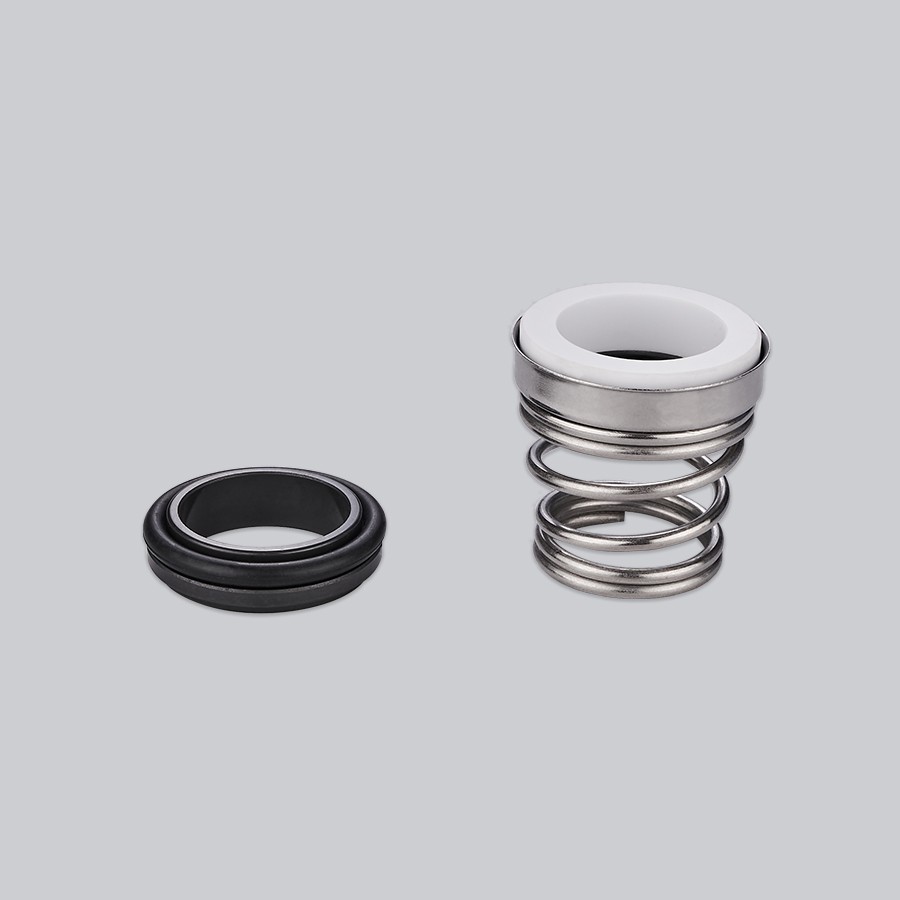
The biggest mistake companies make is only comparing upfront costs. While packing costs 70% less initially, the cumulative expenses of maintenance, energy waste, and product loss make it exponentially more expensive over time.
5-Year Cost Breakdown (Single Pump)
| Category | Gland Packing Cost | Mechanical Seal Cost | Savings with Mechanical Seals |
|---|---|---|---|
| Initial Installation | $250 | $700 | -$450 |
| Maintenance Labor | $1,500 | $300 | $1,200 |
| Replacement Parts | $600 | $500 | $100 |
| Energy Waste | $2,625 | $0 | $2,625 |
| Product Loss | $27,500 | $0 | $27,500 |
| Total 5-Year Cost | $32,475 | $1,500 | $30,975 |
Source: Hydraulic Institute Pump Efficiency Guide, 2024
Real-World Industrial Results
- A 100 HP process pump operating continuously under full load reported annual energy savings of approximately $3,500 after upgrading to mechanical seals.
- A chemical plant in Texas reported a 78% reduction in pump maintenance costs and a significant decrease in product loss, estimated at $1.2 million per year.
- A Midwest refinery achieved 99.7% pump uptime following installation of API 682-compliant mechanical seals.
📌 When Packing May Still Be Appropriate:
- Low-pressure (<10 bar), low-temperature (<80°C) applications with non-hazardous fluids.
- Pumps handling highly abrasive slurries containing large solid particles.
- Emergency or temporary repairs where immediate seal replacement is not feasible.
Leakage and Sealing Performance
Why Mechanical Seals Outperform Packing
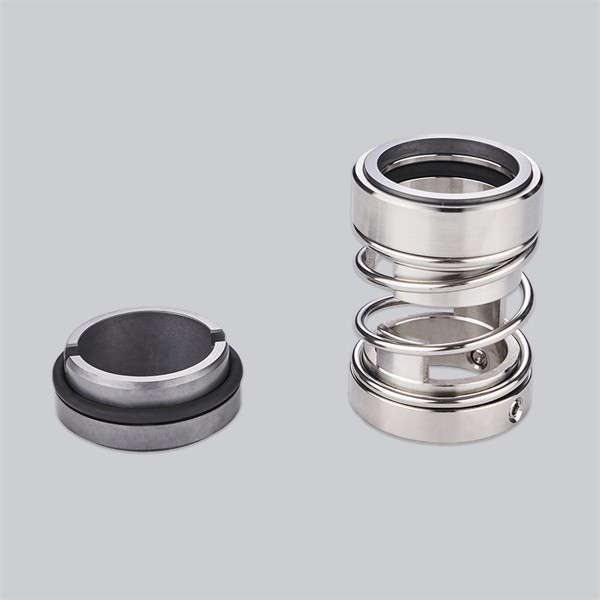
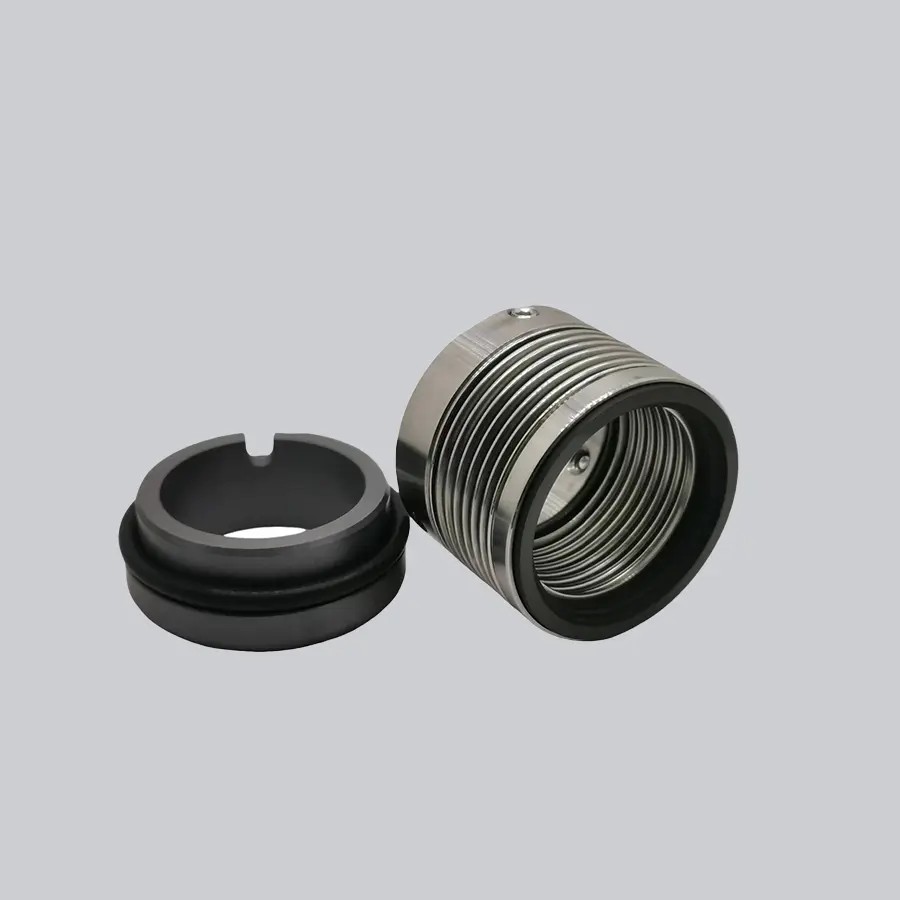
Mechanical seals use two precision-lapped flat faces (one rotating, one stationary) that run on a thin film of process fluid to create a nearly impermeable barrier. In contrast, gland packing (soft fibrous material wrapped around the shaft in the stuffing box) relies on compression to seal, which inherently requires controlled leakage for lubrication.
Leakage Rate Comparison
The differences in leakage rates are obvious. The table below shows the leakage rate for each type:
| Seal Type | Typical Leakage Rate | Annual Fluid Loss (1 Pump) |
|---|---|---|
| Gland Packing | 10–20 drops/minute | 1,500–3,000 gallons |
| Single Mechanical Seal | <5 mL/hour | <13 gallons |
| Dual Mechanical Seal | Near-zero visible leakage | <0.1 gallons |
Packing leakage creates slippery floors, releases toxic vapors, and contaminates the environment. Mechanical seals, especially dual seal arrangements with barrier fluids, effectively contain even the most dangerous chemicals, helping companies avoid EPA fines that can exceed $50,000 per day for violations.
Maintenance and Reliability
Dramatically Reduced Downtime
Packing is a high-maintenance solution that requires constant attention:
- Monthly tightening adjustments to compensate for wear
- Complete replacement every 3–6 months
- Causes shaft sleeve wear that costs $1,000+ to repair
Mechanical seals are designed for set-it-and-forget-it operation:
- Only quarterly visual inspections required
- Service life of 2–8 years with proper installation
- No shaft wear or damage
Maintenance Interval Comparison
| Component | Maintenance Frequency | Total Annual Labor Hours |
|---|---|---|
| Gland Packing | Monthly adjustments + quarterly replacement | 10–15 hours |
| Mechanical Seal | Quarterly inspections + replacement every 3–5 years | 1–2 hours |
This 80% reduction in maintenance frees up your team to focus on critical equipment and reduces unplanned shutdowns by 70% or more.
Energy Efficiency
Lower Friction = Lower Power Bills
Packing creates significant friction as it rubs against the rotating shaft. This friction wastes energy, generates heat, and accelerates component wear. Mechanical seals have minimal friction because the sealing faces run on a thin film of process fluid.
- Mechanical seals use up to 80% less power than packing for sealing
- Reduced friction lowers pump operating temperatures by 20–30°C
- Extends bearing and motor life by 30–50%
According to the U.S. Department of Energy, pump systems account for 20% of all industrial electricity use. Upgrading from packing to mechanical seals is one of the fastest and most cost-effective ways to improve energy efficiency and reduce carbon emissions.
Safety and Environmental Compliance
Protect Workers and the Planet
Mechanical seals eliminate the most common safety hazards associated with packing:
- Slippery floors from spilled fluids
- Exposure to toxic, corrosive, or flammable vapors
- Risk of fire and explosion from chemical leaks
- Frequent maintenance on hot, running pumps
Regulatory Compliance
Mechanical seals help companies meet global safety and environmental standards:
- EPA Clean Water Act (spill prevention)
- OSHA Hazard Communication Standard
- API 682 (oil and gas industry requirements)
- ATEX (explosive atmospheres)
- ISO 14001 (environmental management)
Leading mechanical seal manufacturers help companies reduce leakage to near-zero levels, avoiding costly fines, regulatory audits, and reputational damage.
Side-by-Side Performance Comparison
| Feature | Mechanical Seals | Gland Packing |
|---|---|---|
| Leakage Control | Excellent (near-zero) | Poor (10–20 drops/minute) |
| Maintenance Requirements | Very low | Very high |
| Energy Efficiency | Excellent | Poor |
| Shaft Wear | None | Severe |
| High-Speed Performance | Excellent | Poor |
| Hazardous Fluid Suitability | Excellent | Not recommended |
| Upfront Cost | Higher | Lower |
| Total 5-Year Cost | 95% Lower | Much higher |
| ROI Period | 6–12 months | Never |
Conclusion
For 90% of industrial centrifugal pump applications, mechanical seals are the clear and superior choice. They provide better leakage control, require less maintenance, save energy, improve safety, and deliver an exceptional return on investment.
While packing may have a place in simple, low-risk applications, the long-term costs and risks far outweigh any initial savings. Upgrading to mechanical seals is a proven way to improve plant reliability, reduce operating costs, and ensure compliance with global safety and environmental regulations.
To learn more about mechanical seal solutions for your specific application or to request a cost-savings analysis, contact our team of engineering experts today.
FAQ
What is the single biggest advantage of mechanical seals over packing?
The biggest advantage is dramatically lower total cost of ownership. Mechanical seals cost more upfront but save 95% over 5 years through reduced maintenance, energy waste, and product loss.
How much less maintenance do mechanical seals require?
Mechanical seals require 80% less maintenance than packing. They only need quarterly visual inspections and last 2–4 times longer, reducing labor costs and downtime.
Do mechanical seals really save energy?
Yes. Mechanical seals create much less friction than packing, reducing pump energy consumption by 10–15%. For a 100 HP pump running 24/7, this translates to $3,500+ in annual energy savings.
Are mechanical seals safer for workers?
Absolutely. Mechanical seals eliminate the safety hazards of packing leakage, including slippery floors, toxic vapors, and fire risks. They also reduce the need for maintenance on running pumps.
When should I still use packing instead of a mechanical seal?
Packing may be appropriate for low-pressure, low-temperature applications with non-hazardous, non-abrasive fluids, or for emergency temporary repairs. For all other applications, mechanical seals offer better long-term value.
How long do mechanical seals last?
With proper installation and maintenance, mechanical seals typically last 3–5 years. API 682 compliant seals can last 5–8 years or more in demanding applications.