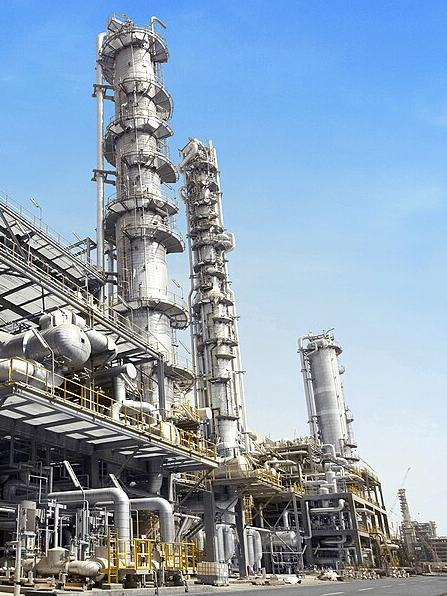
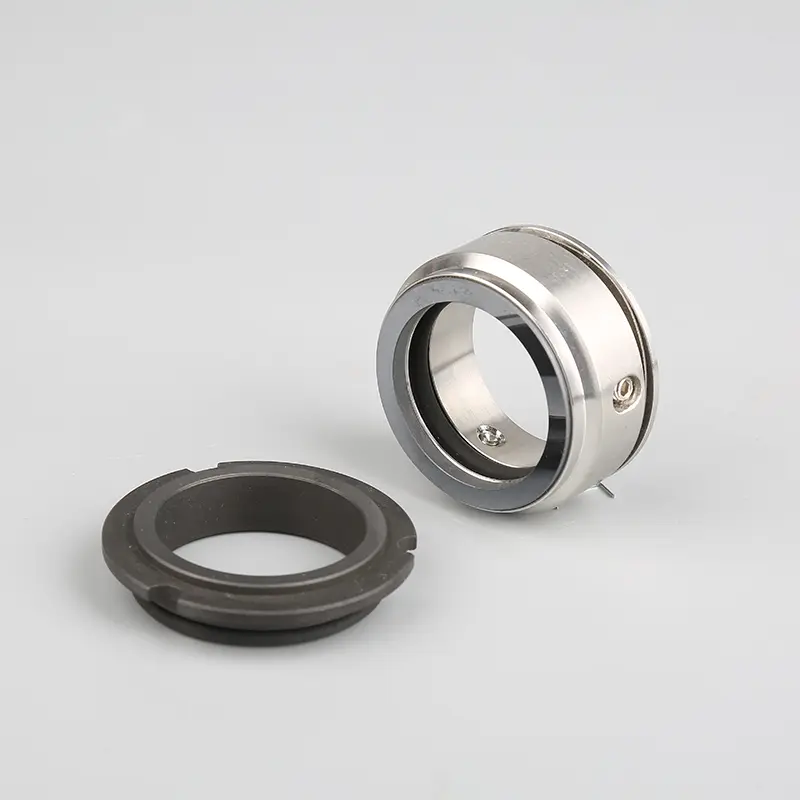
API 682 is an internationally recognized standard developed by the American Petroleum Institute (API) for mechanical seal systems used in centrifugal and rotary pumps. The standard defines requirements for seal design, testing, installation, and operation to improve reliability, safety, and environmental performance in demanding process industries.
Key Takeaways
- API 682 is the mandatory global standard for mechanical seals in oil, gas, and chemical industries
- It ensures consistent safety, reliability, and interchangeability across all seal manufacturers
- Compliance reduces process leakage by 90% and extends pump lifespan by 30–50%
- Choose seal category (1/2/3) based on process hazard level and operating conditions
- API 682 seals have higher upfront cost but deliver 2–3x lower total cost of ownership
- Following the standard helps companies avoid regulatory fines and catastrophic workplace accidents
Purpose and Scope of API 682
Why API 682 Was Developed
Before API 682 was first published in 1994, mechanical seal designs varied widely between manufacturers. This led to inconsistent performance, frequent failures, and dangerous leaks in process plants. API 682 was created to:
- Ensure safety and reliability: Establish minimum performance requirements for seals handling hazardous fluids
- Standardize designs: Create uniform seal types, arrangements, and testing procedures
- Guarantee interchangeability: Allow seals from different manufacturers to be swapped without modification
The standard has been updated multiple times to incorporate new technologies and address emerging safety concerns. Today, it is required by law in most countries for pumps handling flammable, toxic, or corrosive materials.
Industries and Equipment Covered
API 682 applies primarily to these industries:
- Petroleum refining
- Natural gas processing
- Chemical and petrochemical manufacturing
- Pipeline transportation
- Power generation
API 682 primarily covers cartridge-mounted mechanical seal systems used in centrifugal and rotary pumps with shaft diameters typically ranging from 20 mm to 110 mm. The standard is not intended for specially engineered seals or sealing systems used in equipment such as mixers and compressors.
⚠️ REGULATORY NOTE: Non-compliance with API 682 can result in heavy fines, forced plant shutdowns, and legal liability in the event of an accident. Many insurance companies also require API 682 compliance for coverage.
Key Requirements of API 682 Mechanical Seals
Seal Categories
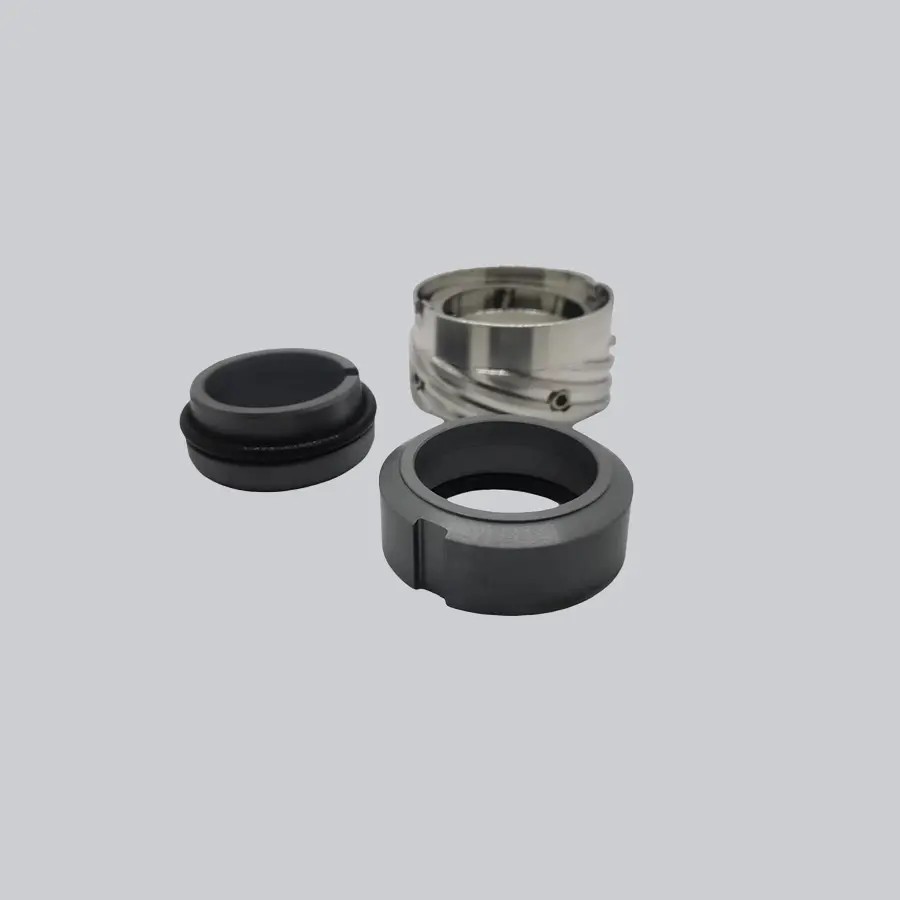
API 682 defines three seal categories based on process hazard level:
| Seal Category | Application | Operating Conditions |
|---|---|---|
| Category 1 | Low-risk services | Non-hazardous fluids, <150°C, <16 bar |
| Category 2 | General industrial services | Moderate hazard fluids, <260°C, <40 bar |
| Category 3 | High-risk services | Toxic, flammable, or high-value fluids, <400°C, <100 bar |
Seal Arrangements
The standard specifies three primary seal arrangements:
| Arrangement | Description | Leakage Performance | Typical Application |
|---|---|---|---|
| Arrangement 1 | Single seal | <5.6 g/h liquid leakage | Clean, non-hazardous fluids |
| Arrangement 2 | Dual seals with unpressurized buffer fluid | <1000 ppm vapor leakage | Low-to-medium hazard fluids |
| Arrangement 3 | Dual seals with pressurized barrier fluid | Zero visible leakage | Toxic, flammable, or carcinogenic fluids |
Mandatory Testing Requirements
All API 682 seals must pass rigorous performance testing:
- Hydrostatic pressure testing at 1.5x maximum operating pressure
- Dynamic performance testing at rated speed and pressure
- Thermal cycling testing to simulate real-world operating conditions
- Life testing to verify minimum 3-year service life
Piping Plans
API 682 defines 32 standard piping plans to support seal operation. The most common include:
- Plan 11: Recirculates process fluid to lubricate seal faces (most common for single seals)
- Plan 32: Uses external clean fluid to flush the seal chamber
- Plan 53A: External reservoir supplies barrier fluid to dual seals
- Plan 74: Uses pressurized nitrogen gas as a barrier fluid
Benefits of API 682 Compliance
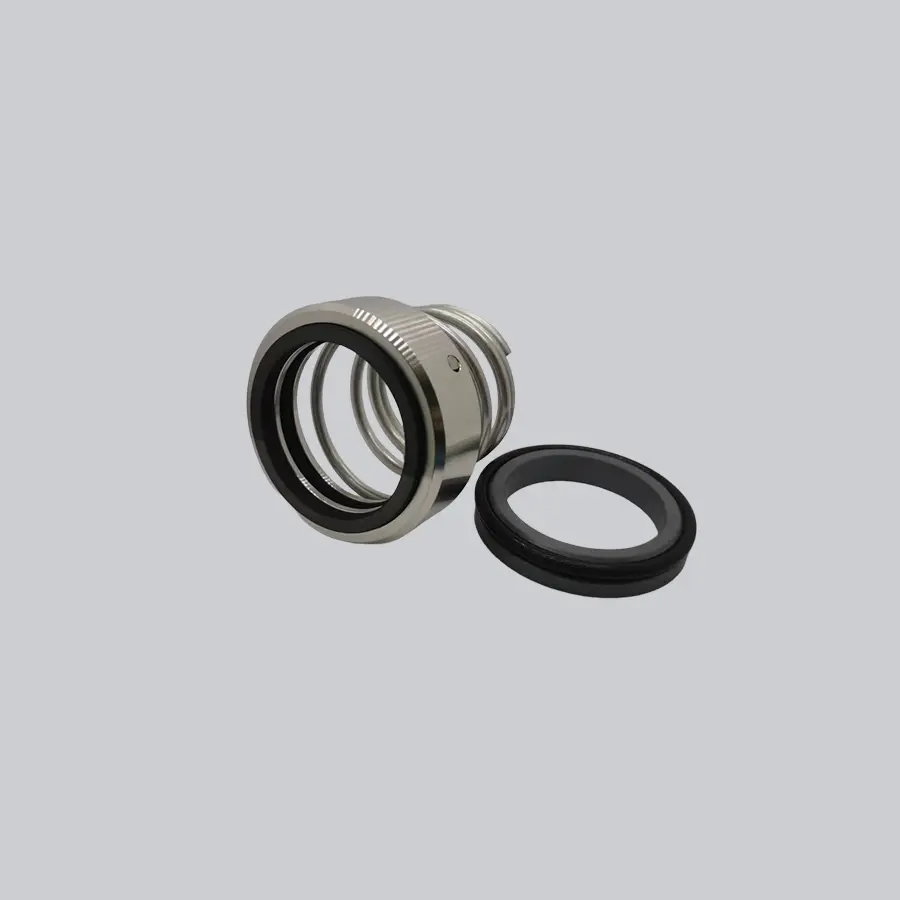
Improved Safety and Environmental Protection
API 682 sets strict leakage limits that far exceed general industry standards:
- Maximum liquid leakage: 5.6 grams per hour
- Maximum vapor leakage: 1000 parts per million (ppm)
- Dual seals achieve effectively zero leakage
For example, a chemical plant in Jiangsu, China, was fined $2.3 million for excessive toxic leaks. After upgrading to API 682 seals, they eliminated all reportable leaks and passed all regulatory inspections.
Reduced Maintenance and Downtime
API 682 seals are designed for long life and easy maintenance:
- Average seal life: 3–5 years (vs. 1–2 years for non-compliant seals)
- 70% fewer unplanned shutdowns
- 50% lower maintenance costs
A typical refinery with 100 pumps can save over $500,000 per year in maintenance costs and lost production by upgrading to API 682 compliant seals. The average return on investment (ROI) is less than 12 months.
Lower Total Cost of Ownership
While API 682 seals have higher upfront costs, they deliver significant long-term savings:
| Cost Component | API 682 Compliant | Non-Compliant |
|---|---|---|
| Initial Purchase | Higher | Lower |
| Annual Maintenance | Low | Very High |
| Downtime Costs | Minimal | Significant |
| Total 5-Year Cost | 30–50% Lower | Higher |
How to Choose the Right API 682 Mechanical Seal
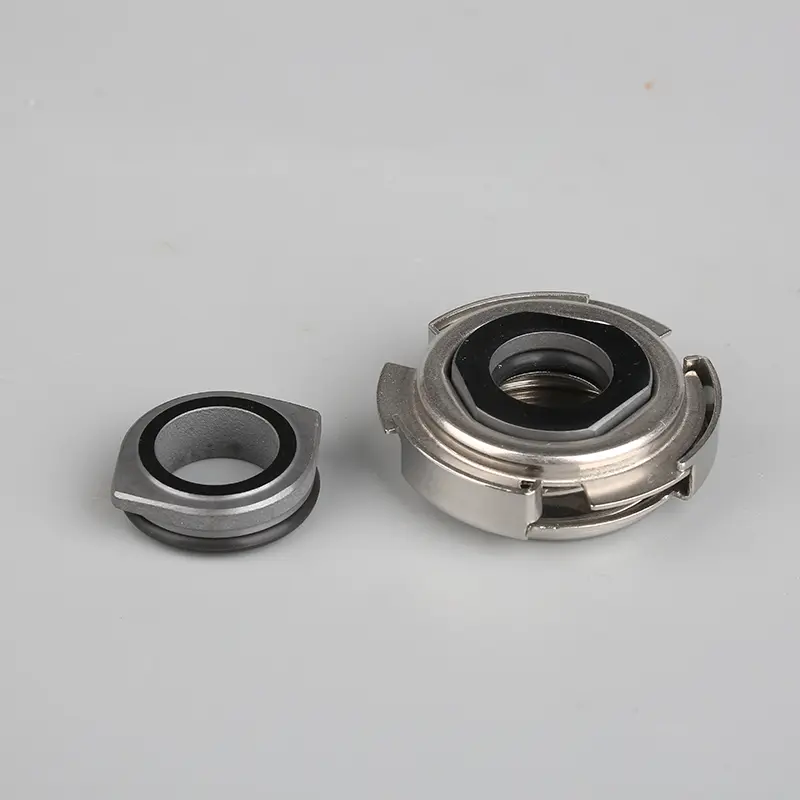
Critical Selection Factors
When selecting an API 682 seal, consider these key factors:
- Process fluid properties: Chemical compatibility, viscosity, and abrasiveness
- Operating conditions: Temperature, pressure, and shaft speed
- Hazard level: Toxicity, flammability, and environmental impact
- Maintenance requirements: Ease of installation and replacement
- Total cost of ownership: Initial cost vs. long-term operating costs
Expected Seal Lifespan by Type
| Seal Type | Expected Service Life |
|---|---|
| Single Spring | 1–2 years |
| Cartridge Seal | 2–4 years |
| Bellows Seal | 3–5 years |
Compliance Verification
To ensure you are getting a genuine API 682 compliant seal:
- Verify the manufacturer has API Q1 certification
- Request a copy of the seal’s API 682 compliance certificate
- Confirm the seal meets all requirements of your specific application
- Inspect the seal for proper marking and documentation
💡 Pro Tip: Always specify API 682 compliance in your purchase orders and contracts. This ensures you receive seals that meet the standard’s strict requirements.
Conclusion
API 682 is more than just a technical standard – it’s a proven framework for improving safety, reliability, and profitability in process industries. By following API 682 requirements, companies can significantly reduce leakage, minimize downtime, and comply with global safety regulations.
Whether you’re designing a new pump system or upgrading existing equipment, choosing API 682 compliant seals is an investment that pays for itself many times over. With the right seal selection and proper maintenance, you can achieve seal life of 3–5 years or more, even in the most demanding operating conditions.
FAQ
What does API 682 mean for mechanical seals?
API 682 sets global standards for the design, testing, and installation of mechanical seals in centrifugal and rotary pumps. It ensures seals are safe, reliable, and interchangeable across manufacturers.
Who should use API 682 mechanical seals?
API 682 seals are required for pumps handling flammable, toxic, or corrosive fluids in oil refineries, chemical plants, natural gas facilities, and pipeline operations.
How does API 682 help with maintenance?
API 682 uses standardized cartridge designs that allow for quick and easy seal replacement. This reduces maintenance time from hours to minutes and minimizes pump downtime.
Are API 682 seals more expensive?
API 682 seals have higher upfront costs, but they last 2–3 times longer and require much less maintenance. This results in 30–50% lower total cost of ownership over the life of the seal.
What is the difference between API 682 and API 610?
API 610 is the standard for centrifugal pumps themselves, while API 682 is the standard for the mechanical seals used in those pumps. API 610 requires that pumps used in hazardous services be equipped with API 682 compliant seals.
What is the latest version of API 682?
The current version is API 682 5th Edition, published in 2021. It includes updates for digital condition monitoring, environmental compliance, and extended seal life requirements.