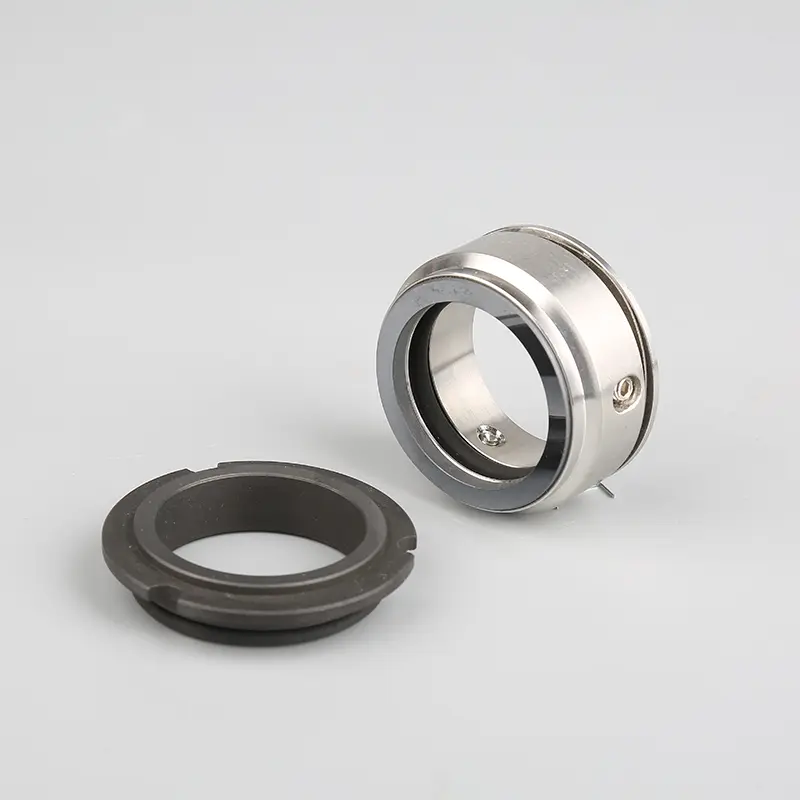
If you’ve ever seen a puddle under a centrifugal pump or noticed fluid leaking around the shaft, you’ve already seen the result of poor sealing. A mechanical seal is the engineered solution—designed to create a tight barrier where the rotating shaft passes through the pump housing.
Its core function is simple but critical: contain process fluids, prevent leakage, and block contaminants like dirt, air, and moisture.This role is essential for safe and efficient pump operation. In fact, mechanical seal failures account for up to 69% of pump maintenance issues, showing how important proper sealing is.
Compared to traditional packing, mechanical seals perform far better. Packing can leak 10–20 drops per minute, while mechanical seals reduce leakage to just milliliters per hour, improving both efficiency and environmental safety.
Key Takeaways
- Mechanical seals prevent fluid leakage to near-zero levels—reducing loss from gallons per day (with packing) to mere milliliters per hour.
- They block external contaminants—including dirt, air, and moisture—from entering the pump, protecting bearings and shafts from premature wear and corrosion.
- Lower operating friction translates to measurable energy savings and reduced heat generation, improving overall pump efficiency and reducing carbon footprint.
- Proper seal selection and maintenance can reduce pump repair costs by 30–40% while extending equipment service life and enhancing workplace safety.
How Mechanical Seals Work and What Affects Their Performance
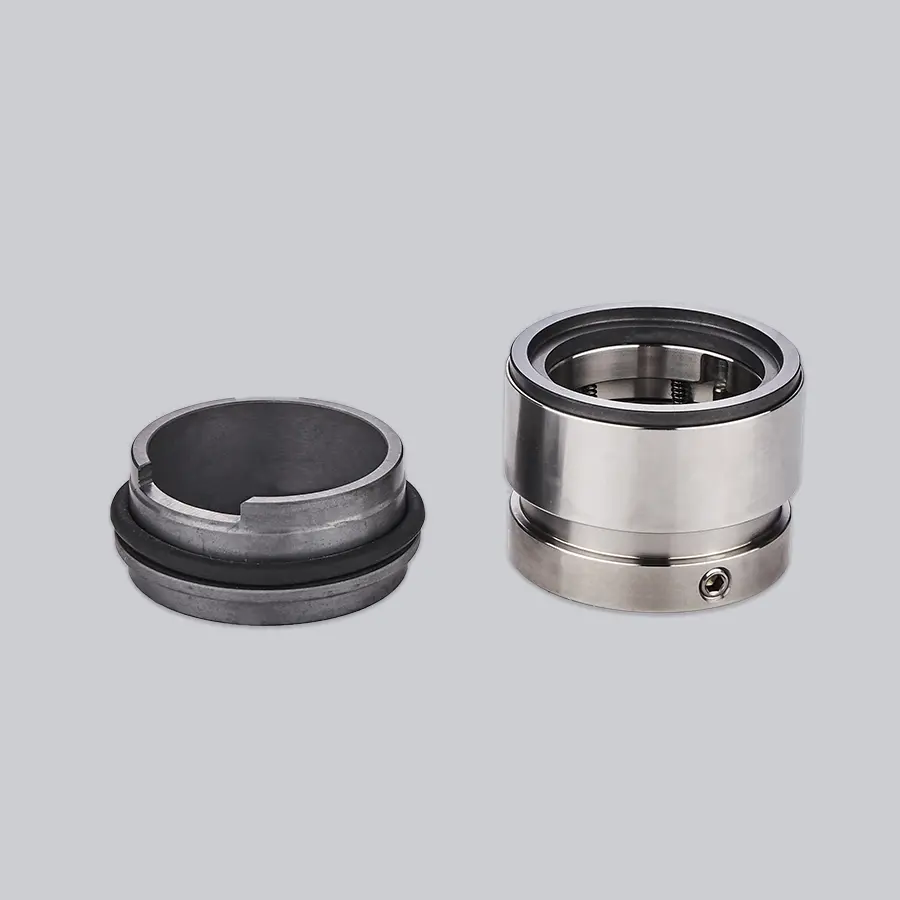
How Mechanical Seals Work in a Pump
A mechanical seal operates by forming a precision-engineered sealing interface between two ultra-flat surfaces:
- A rotating seal face attached to the pump shaft
- A stationary seal face fixed within the pump housing
These two faces are pressed together with controlled spring force to create a micro-clearance seal. A very thin fluid film—typically less than 1 micron thick—forms between them, which simultaneously:
- Minimizes friction and heat generation
- Reduces mechanical wear
- Controls leakage to an extremely low, environmentally acceptable level
This fluid film is the secret to the mechanical seal’s longevity. It provides just enough lubrication to prevent face contact while maintaining a near-perfect seal.
Key Factors Affecting Seal Performance
| Factor | Description | Typical Requirement |
|---|---|---|
| Fit | Precision tolerance between seal and shaft | Within ±0.001 inch (0.025 mm) |
| Surface Finish | Flatness and smoothness of seal faces | ≤ 2–3 helium light bands (0.000032 inch flatness) |
| Mechanical Force | Spring pressure maintaining face contact | 10–30 psi face loading |
| Fluid Film | Thin lubricating layer between faces | < 1 micron thickness |
Core Functions of a Mechanical Seal
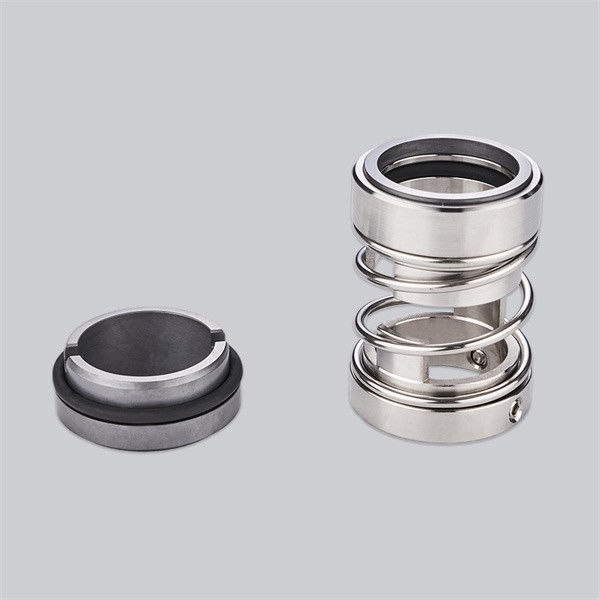
A mechanical seal performs six essential functions that collectively ensure pump reliability and safety.
Preventing Fluid Leakage
The primary function is to keep process fluid inside the pump where it belongs. The precision-lapped seal faces create a hydrodynamic barrier that reduces leakage to near-zero levels—typically measured in milliliters per hour rather than liters per day. This prevents:
- Product loss and wasted raw materials
- Environmental contamination
- Slip and fall hazards around the pump base
Blocking Contaminants
Mechanical seals prevent external contaminants from entering the pump through the shaft opening. This bidirectional protection keeps out:
- Dirt and dust: Prevents abrasive wear on bearings and shafts
- Air: Maintains pump prime and prevents cavitation
- Moisture: Protects lubricant integrity in bearing housings
By blocking these intrusions, the seal significantly extends the life of internal pump components.
Improving Energy Efficiency
Mechanical seals operate with dramatically lower friction than traditional compression packing. A packed pump can consume 15–20% more energy simply due to shaft drag. Reduced friction means:
- Less heat generation at the shaft interface
- Lower motor amperage draw
- Reduced overall energy consumption and operational carbon footprint
Protecting Equipment
By controlling leakage and minimizing friction, mechanical seals protect critical pump components from secondary damage:
- Shafts: Prevent scoring, fretting, and corrosion under the seal area
- Bearings: Keep lubricant clean and uncontaminated by process fluid
- Pump housing: Eliminate erosive washout around the stuffing box
This protection translates directly into fewer unplanned failures and longer mean time between repairs (MTBR).
Enhancing Safety and Environmental Protection
In industrial applications, leaks can be more than an inconvenience—they can be dangerous. Mechanical seals are essential when handling:
- Flammable hydrocarbons (oil and gas)
- Corrosive chemicals (acids, caustics)
- Toxic or hazardous fluids
- High-temperature heat transfer fluids
A properly selected and installed mechanical seal helps prevent spills, protects personnel from exposure, and ensures compliance with EPA, OSHA, and ISO 14001 environmental regulations.
Maintaining System Stability
Mechanical seals help maintain consistent internal pressure within the pump casing. This stability is critical for:
- Systems requiring precise flow control
- Multi-pump parallel operations
- Processes sensitive to pressure fluctuations
By eliminating the variable leakage path inherent in packed pumps, mechanical seals contribute to smoother, more predictable process control.
How to Choose the Right Mechanical Seal and Improve Reliability
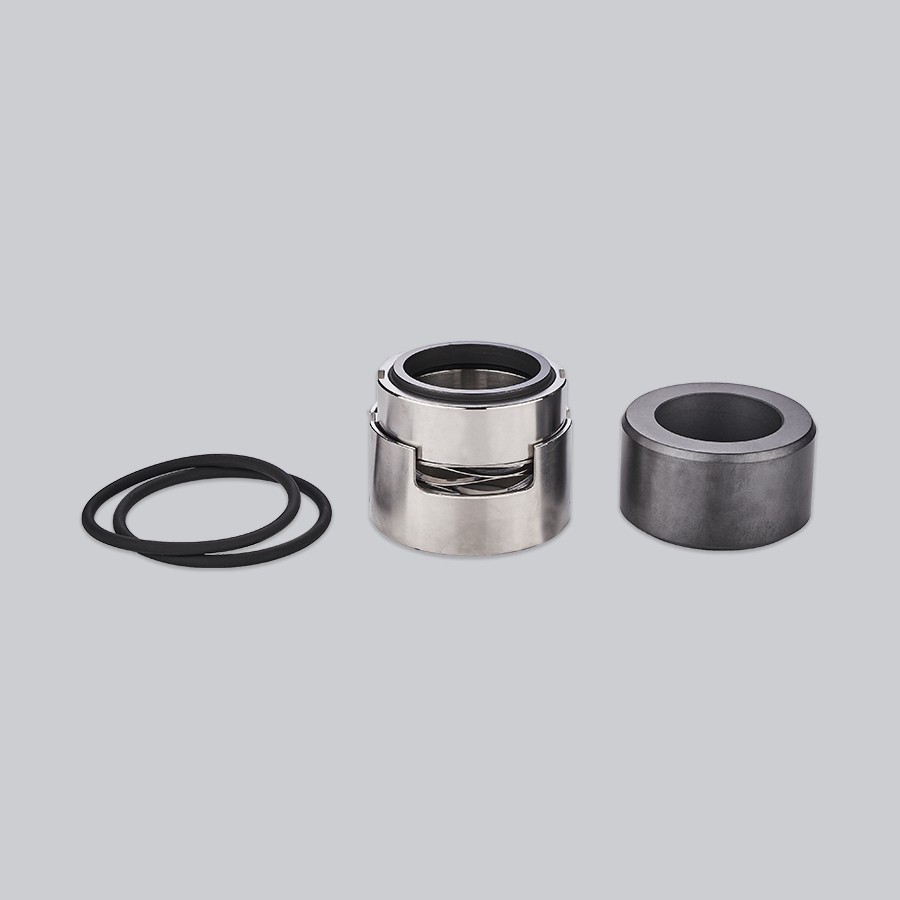
Selecting the right mechanical seal requires careful evaluation of operating conditions. An incorrect choice can lead to premature failure—sometimes within hours or days.
Key Selection Factors
| Factor | Key Considerations |
|---|---|
| Fluid Characteristics | Is the fluid corrosive, abrasive, viscous, crystallizing, or shear-sensitive? |
| Operating Temperature | What are the normal and maximum temperatures? |
| Operating Pressure | Are there pressure fluctuations or high differential pressures? |
| Shaft Speed | What are the pump RPM and shaft dimensions? |
| Industry Standards | Are API 682, ISO 21049, or FDA requirements applicable? |
| Maintenance Capability | Is skilled maintenance available, or is a cartridge seal preferred? |
Improving Reliability and Reducing Maintenance Costs
A properly selected and correctly installed mechanical seal can deliver significant operational benefits, including:
- Reduce maintenance costs by 30–40%
- Increase equipment uptime by 20–25%
- Extend mean time between repairs (MTBR) to 3–5 years in clean applications
To achieve these results, focus on:
- Material selection matched to fluid properties
- Correct installation following manufacturer specifications
- Proper support systems, such as API piping plans (flush, quench, or barrier fluid)
- Regular monitoring, including vibration, temperature, and leakage checks
Conclusion
A mechanical seal is the key to reliable, efficient, and safe centrifugal pump operation. Its core functions—containing fluids, blocking contaminants, reducing friction, protecting equipment, enhancing safety, and maintaining system stability—directly reduce pump maintenance issues (which 69% stem from seal failures), cut repair costs by 30–40%, and extend equipment life. Beyond leak prevention, it saves energy, ensures compliance with safety and environmental standards, and supports consistent process operation. Choosing the right seal and maintaining it properly is an essential investment in long-term operational efficiency.
FAQ
What is the main function of a mechanical seal in a pump?
Its main function is to contain process fluids, prevent leakage, block contaminants (dirt, air, moisture), reduce friction, protect pump components, and maintain system stability.
How is a mechanical seal different from traditional packing?
It has far less leakage (milliliters per hour vs. 10–20 drops per minute for packing), lower friction, less energy consumption, and less maintenance.
How often should a mechanical seal be inspected?
Inspect during routine pump maintenance (every few months for standard applications; monthly for harsh environments) to detect issues early.
Can mechanical seals handle corrosive/abrasive fluids?
Yes, with proper material selection (e.g., silicon carbide, stainless steel) matched to the fluid.
What happens if the wrong mechanical seal is chosen?
Premature failure, increased leakage, equipment damage, unplanned downtime, higher costs, and potential safety/environmental violations.