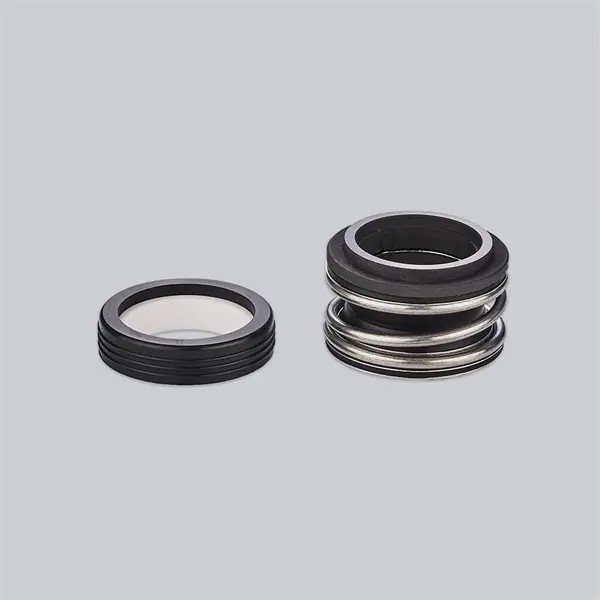
Bellows mechanical seals are typically constructed from three main material categories: elastomers (such as Viton, EPDM, NBR, and Neoprene), metals (such as stainless steel, Hastelloy, and AM350), and specialized materials like PTFE.
The material selection directly affects chemical resistance, mechanical strength, and overall durability. Choosing the right material ensures reliable sealing performance and longer service life under specific operating conditions.
The table below outlines how different material types are used across applications:
| Material Type | Characteristics | Market Role |
|---|---|---|
| Metal Bellows Mechanical Seals | High strength, excellent heat resistance, strong chemical resistance | Widely used in demanding environments and expected to dominate the market |
| Elastomer Bellows Mechanical Seals | Flexible, cost-effective, good sealing in standard conditions | Common in general industrial and commercial applications |
| PTFE Bellows Mechanical Seals | Exceptional chemical resistance, suitable for extreme temperatures | Niche applications with growing demand |
Key Takeaways
- Selecting the right material is critical for durability and chemical resistance
- Elastomer bellows are suitable for low-pressure and moderate environments
- Metal bellows perform better under high temperature and harsh chemical conditions
- Understanding operating conditions helps ensure proper material selection
- High-quality materials reduce maintenance costs and improve system safety
Types of Bellows Seal Materials
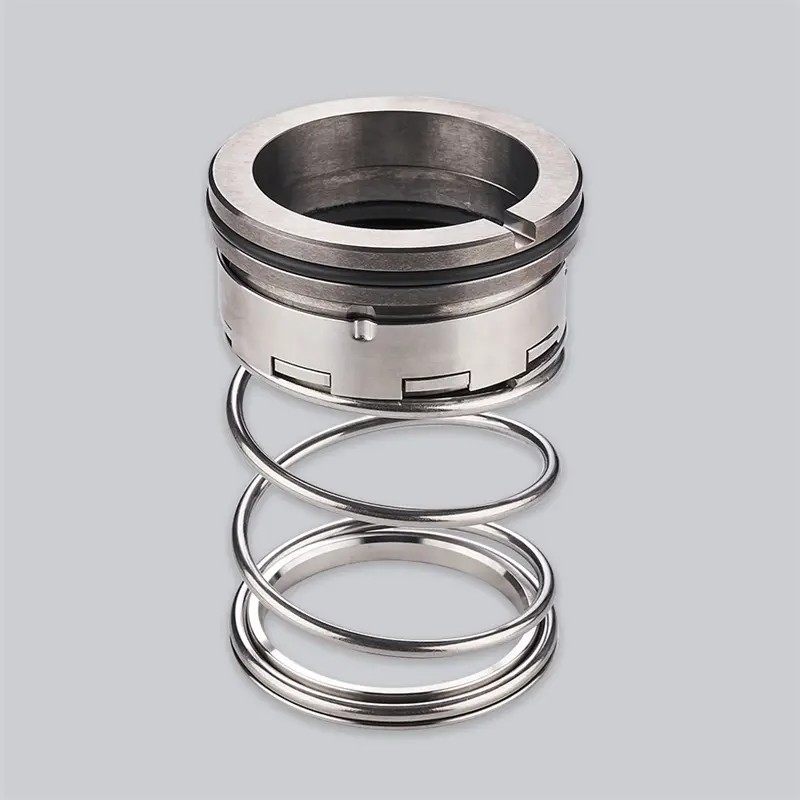
Elastomer Bellows (Viton, EPDM, NBR, Neoprene)
Elastomer bellows are widely used due to their flexibility and sealing performance. Different elastomers are selected based on their specific properties.
Viton offers excellent resistance to heat and chemicals, making it suitable for demanding environments. EPDM performs well in steam, water, and ozone conditions, commonly used in outdoor and potable water applications. NBR provides strong oil resistance and is widely used in hydraulic systems. Neoprene offers balanced resistance to ozone, oil, and moderate heat.
| Material | Temp. Range | Key Features | Common Applications |
|---|---|---|---|
| NBR | -30°C ~ 100°C | Oil-resistant, cost-effective | Hydraulic systems, automotive |
| Viton (FKM) | -20°C ~ 200°C | High chemical and heat resistance | Chemical processing, automotive |
| EPDM | -40°C ~ 130°C | Resistant to steam, water, ozone | Water systems, outdoor use |
Elastomer bellows allow self-alignment and flexibility, making them ideal for low-pressure applications with mild chemical exposure.
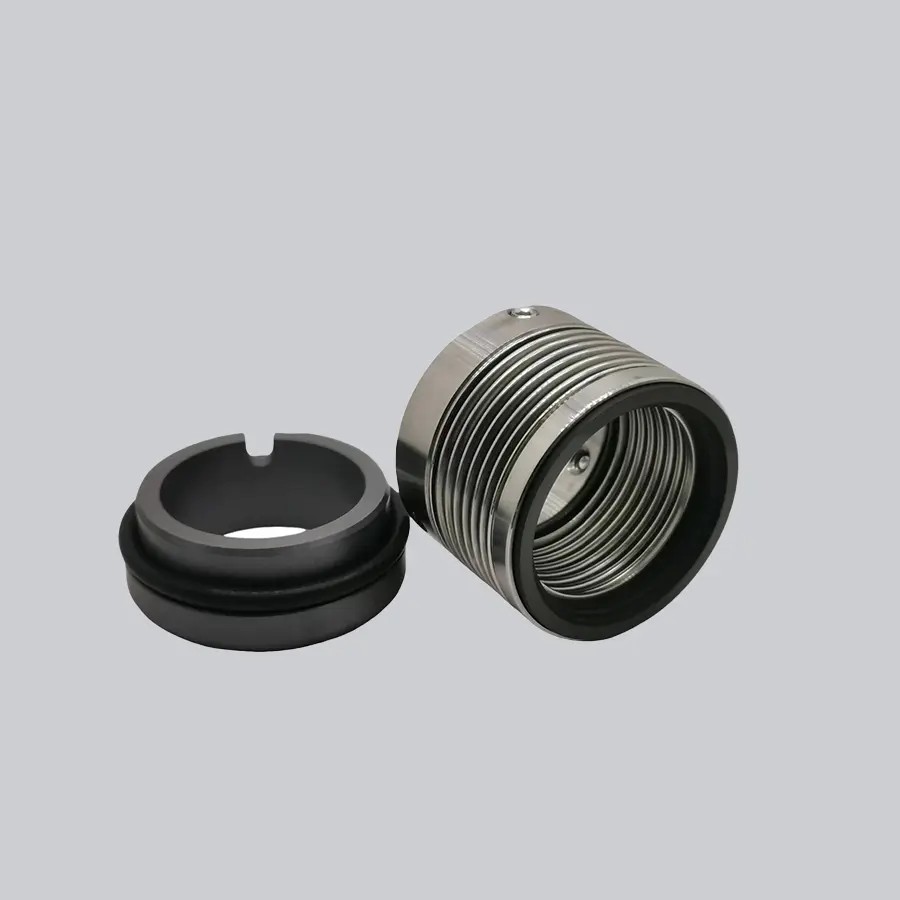
Metal Bellows (Stainless Steel, Hastelloy, AM350)
Metal bellows seals are designed for high-performance and demanding environments. Stainless steel is commonly used due to its corrosion resistance and mechanical strength. Hastelloy is preferred for highly corrosive and high-temperature environments. AM350 provides excellent strength and elasticity under elevated temperatures.
| Material | Description |
|---|---|
| Stainless Steel | Suitable for general industrial applications with good corrosion resistance |
| Hastelloy (C-276) | Ideal for highly corrosive environments |
| AM350 | High strength and elasticity at elevated temperatures |
Metal bellows seals are widely used in industries requiring high temperature tolerance, pressure resistance, and chemical durability.
Seal Face Materials (Carbon, Silicon Carbide, Tungsten Carbide, Ceramic)
Seal face materials are critical for preventing leakage and ensuring long-term performance. Carbon is commonly paired with harder materials due to its self-lubricating properties. Silicon carbide offers superior hardness, thermal conductivity, and chemical resistance. Tungsten carbide provides excellent wear resistance under high-load conditions. Ceramic is used in less demanding environments with clean fluids.
| Material | Wear Resistance | Thermal Conductivity |
|---|---|---|
| Carbon | Low | Moderate |
| Silicon Carbide | Very High | High |
| Ceramic | High | Moderate |
| Tungsten Carbide | Very High | Moderate |
Silicon carbide is ideal for high-performance applications, while tungsten carbide performs well under heavy mechanical stress.
Other Key Components (Flexible Graphite, Metal Parts)
Additional materials also contribute to sealing performance. Flexible graphite is commonly used as a secondary sealing element due to its excellent chemical and thermal resistance. Metal components, including welded bellows, provide structural strength and durability, especially in high-temperature applications.
- Flexible graphite enhances sealing and chemical resistance
- Metal components improve strength and long-term reliability
Material Properties and Performance

Corrosion and Chemical Resistance
Material selection plays a key role in resisting chemical attack and corrosion. Metal bellows materials such as stainless steel, Hastelloy, and Inconel offer excellent resistance to aggressive chemicals. Elastomer materials like Viton and EPDM provide compatibility with a wide range of fluids.
| Material Type | Description |
|---|---|
| Primary Seal Materials | Carbon, Silicon Carbide, Tungsten Carbide |
| Secondary Seal Materials | Viton, EPDM, FFKM |
| Metal Components | Stainless Steel, Hastelloy, Inconel |
Metal bellows are typically used in highly corrosive environments, while elastomer bellows are better suited for less aggressive conditions.
Temperature and Pressure Limits
Operating temperature and pressure significantly influence material performance. Metal bellows can withstand extreme conditions, typically ranging from -40°C to +380°C and pressures up to 25 bar. Elastomer bellows are more limited in high-temperature and high-pressure environments.
| Feature | Metal Bellows | Elastomers |
|---|---|---|
| Pressure Tolerance | Up to 25 bar | Limited |
| Temperature Range | -40°C to +380°C | Moderate |
Metal bellows are commonly used in industries such as oil & gas, chemical processing, and power generation.
Mechanical Strength and Flexibility
Mechanical performance depends on both strength and flexibility. Metal bellows provide excellent durability and can handle high stress and extreme conditions. Elastomer bellows offer flexibility but lower mechanical strength.
| Type of Bellows | Flexibility |
|---|---|
| Metal Bellows | High flexibility and strength |
| Elastomer Bellows | Moderate flexibility |
Proper design factors such as wall thickness and convolution geometry also impact performance and lifespan.
How to Choose the Right Bellows Seal Material
Application and Fluid Compatibility
Selecting the right material requires understanding the fluid being handled. Corrosive fluids require highly resistant materials, while standard fluids allow more flexible options.
| Material | Advantages | Applications |
|---|---|---|
| Carbon | Self-lubricating | Water, light hydrocarbons |
| Silicon Carbide | Highly durable, chemical resistant | Abrasive fluids |
| Tungsten Carbide | High strength | High-pressure systems |
Elastomer bellows are suitable for general applications, while metal bellows are required for aggressive or high-temperature environments.
Operating Conditions
Temperature and pressure must match material capabilities. Industrial pumps may operate from -50°C to 250°C or higher. High-pressure systems require strong materials such as stainless steel or Inconel.
Elastomers are ideal for standard environments, while metal bellows are better suited for extreme conditions.
Tip: Always verify operating limits before selecting a material.
Industry Standards and OEM Requirements
Industry standards ensure safety and performance. API 682 is widely used for mechanical seal design and material selection. OEM requirements may also specify materials for compatibility and reliability.
| Key Points | Description |
|---|---|
| Compliance | Meets safety and performance standards |
| API 682 | Defines design and material guidelines |
| Application Needs | Matches material to operating environment |
Conclusion
Selecting the right material for a bellows seal is essential for achieving reliable performance and long service life. Each material offers unique advantages depending on the application environment.
- Consider both initial cost and long-term maintenance
- High-quality materials reduce downtime and improve efficiency
- Proper material selection enhances safety, especially in hazardous environments
Working with experienced suppliers can help ensure optimal material selection and system performance.
FAQ
What is the main difference between elastomer and metal bellows seals?
Elastomer bellows are flexible and cost-effective, suitable for low-pressure applications. Metal bellows are stronger and designed for high temperature and corrosive environments.
How do you select the right bellows seal material?
Engineers evaluate fluid type, temperature, and pressure to determine the most suitable material.
Can bellows seals work with extreme temperatures?
Yes. Metal bellows can handle very high and low temperatures, while elastomers are limited to moderate ranges.
Why is chemical resistance important?
Chemical resistance prevents material degradation, reduces leakage risk, and extends seal life.