
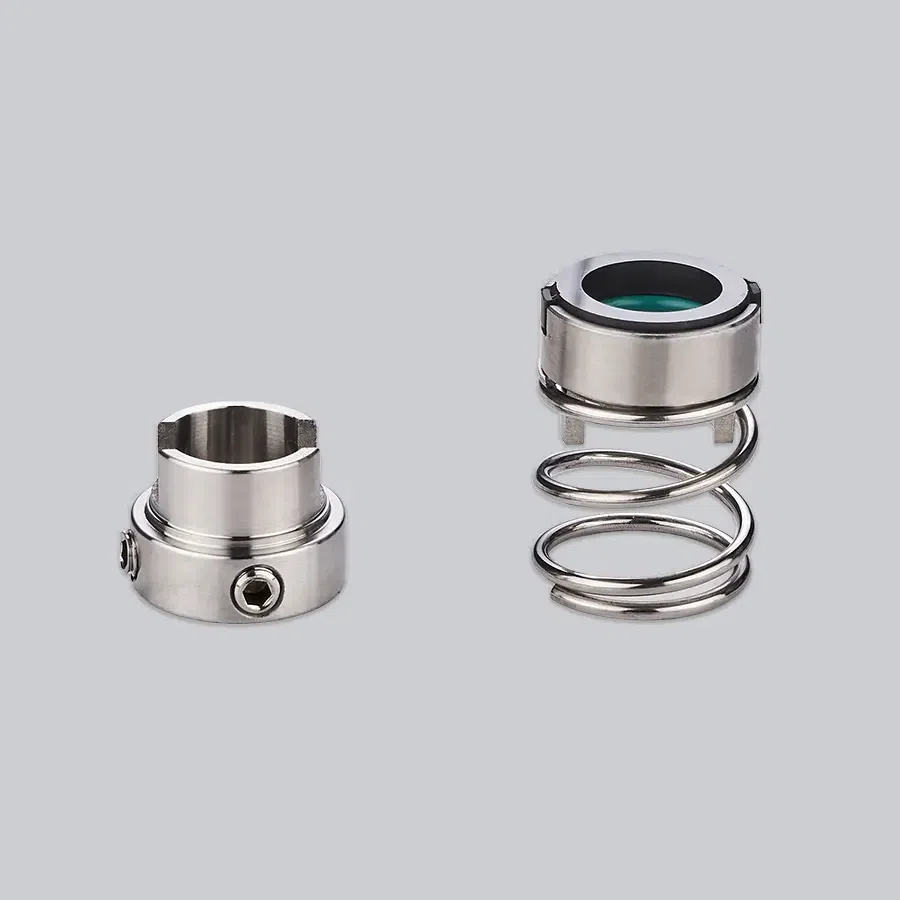
Grundfos pumps can be fixed. Many people fix them themselves or ask trained technicians for help. Mechanical seals and other parts can wear out. Special suppliers like Victor sell parts that fit and are easy to replace. Common problems are not enough oil, parts wearing away, parts not lined up, and dirt building up. Other problems are pressure not working right and the motor getting too hot. When people put in new parts, the pump works well again and lasts longer.
Key Takeaways
- Grundfos pumps can be fixed by changing old parts like mechanical seals. This helps the pump work for a longer time.
- Doing regular check-ups and finding problems early, like leaks or strange sounds, can stop bigger issues and expensive fixes.
- You can fix small problems yourself, but hard problems need experts. This keeps you safe and makes sure the pump works well.
- Think about how much repairs cost compared to buying a new pump. Also, check if the pump is important and if parts are easy to get. This helps you choose the best option.
- Always look at the warranty before fixing or changing parts. This can help you save money and get good service.
Types of Grundfos pumps repairs
Common issues
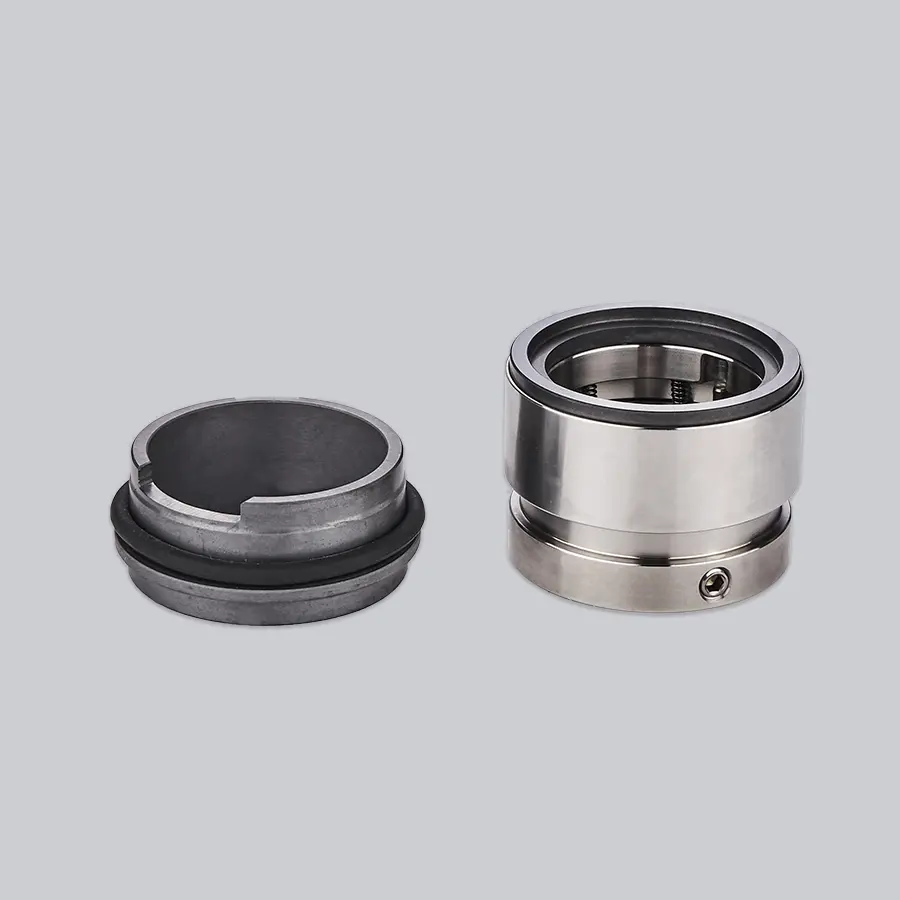
Grundfos pumps can get worn out after being used a lot. Service records show problems that owners might see.
- Sometimes the pump stops working because the pressure switch breaks.
- The motor can get too hot if water does not flow enough to cool it.
- Dirt and debris can block the pump intake, especially if there is sediment in the water.
These problems can make the pump stop or work less well. Checking the pump often helps find these issues early. Fixing problems quickly keeps bigger failures from happening.
Replaceable parts(mechanical seals)
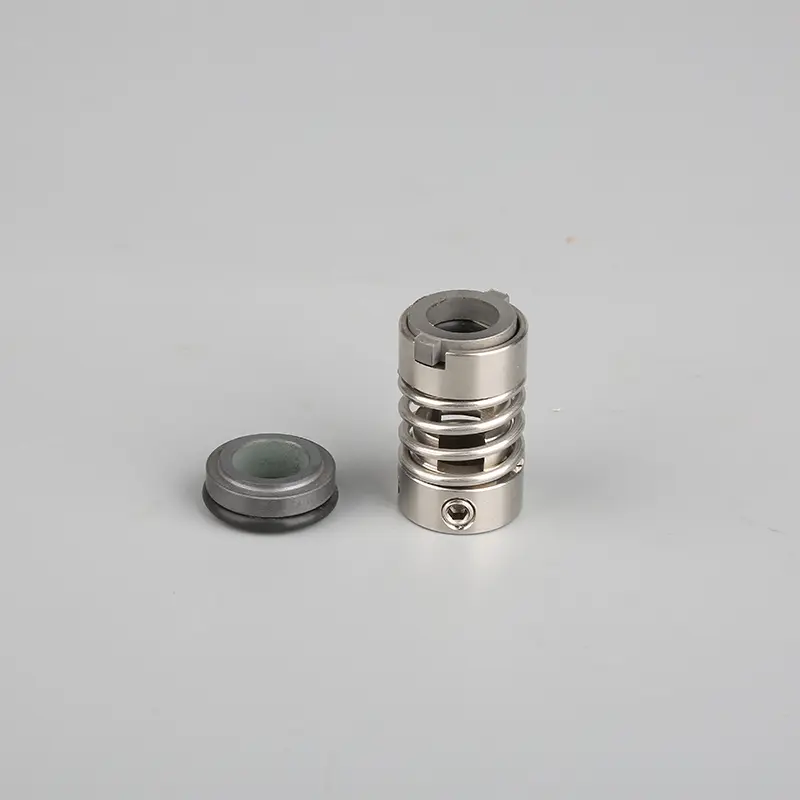
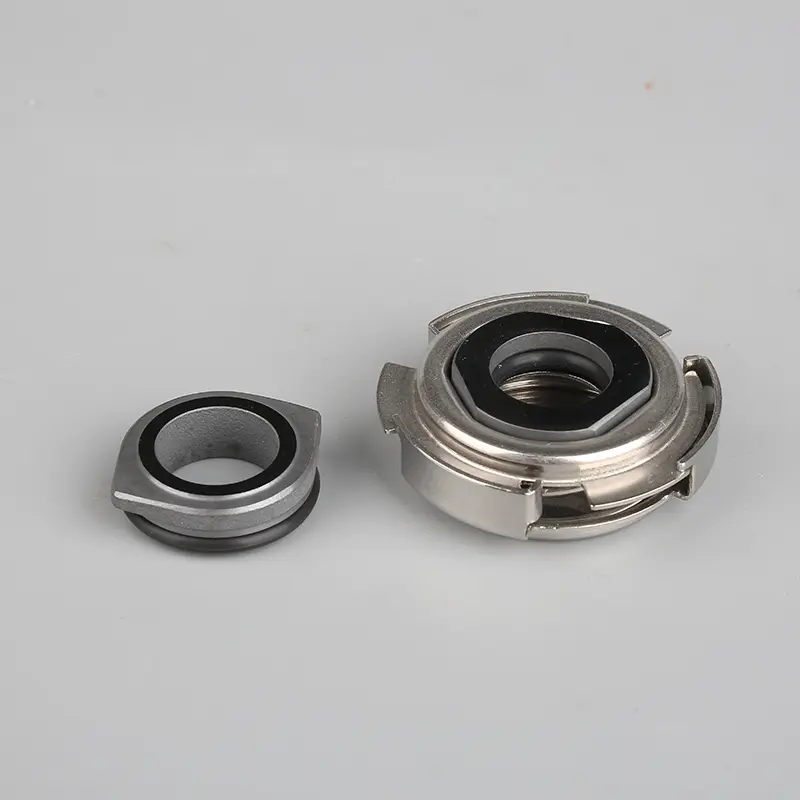
Many Grundfos pump repairs mean changing parts that are old or broken. Mechanical seals are changed most often. These seals stop water from leaking and keep the motor safe. Suppliers like Victor sell many mechanical seals for different Grundfos water pumps.
Repairs can be easy or hard, depending on the problem. Small leaks may only need sealant at joints or O-rings. Sometimes, users turn O-rings to use a new side. If there is damage or high pressure, the seal should be replaced right away. The table below shows common ways to fix pumps:
| Repair Method | Description | Limitations |
|---|---|---|
| Sealant Application | Used for small leaks at joints or O-rings. | Only a short-term fix; full replacement needed later. |
| Mechanical Seal Welding | Tiny welding fixes metal seal cracks. | Not for ceramic or carbon seals. May break again. |
| O-Ring Flipping or Rotation | Turn O-rings to use a fresh side. | Works only if the O-ring is still good and not worn everywhere. |
| Replacement Recommendation | Replace the seal right away if damaged or under high pressure. | N/A |
Grundfos pumps last longer with regular care and new parts. Using good mechanical seals from trusted sellers keeps pumps working well.
Assessing Grundfos pump repair
Repairable vs. non-repairable signs
People sometimes do not know if their pump can be fixed or needs to be replaced. Service technicians look for certain signs to help them decide. The table below shows what these signs mean for fixing or replacing the pump:
| Indicator | Repairable Condition | Replacement Condition |
|---|---|---|
| Visible leakage | Small leaks can be fixed | Big leaks mean the seal is broken |
| Unusual noises | Quiet sounds can be fixed | Loud or strange sounds mean big problems |
| Drop in pump performance | Small drops can be fixed | Big drops mean the pump is badly damaged |
| Excessive heat generation | A little heat can be managed | Too much heat means something is very wrong |
| Contamination ingress | Small amounts can be handled | Lots of dirt means the seal is broken |
Technicians check for these signs when they do regular maintenance. They listen for odd sounds and look for leaks. They check how well the pump works and feel if it is hot. If the pump only has small problems, it can be fixed. If there are big problems, it may need to be replaced.
There are guides and repair services for Grundfos pumps. Many websites help owners find out what is wrong. The table below shows common problems and ways to fix them:
| Common Issue | Description | Suggested Solutions |
|---|---|---|
| Excessive Noise | Pump is louder than normal | Check the impeller, look at the bearings, check suction pressure |
| Not Meeting Flow Rate | Air or low suction | Make sure all connections are tight, use a vortex breaker, check how deep the pump is |
| Low Discharge Flow | Wrong rotation or blocked suction | Check the motor wiring, use a filter, maybe use a bigger pump |
When to call a professional
Some repairs are easy. Owners can fix small leaks or change old seals. Other repairs are hard. If the pump has big damage, a professional should help. Trained technicians know how to fix tough problems. They use special tools and follow the right steps.
Many service centers teach technicians how to fix pumps. The California Service Center has classes for engineers and contractors. These classes show how to take care of and fix different pumps. Burt Process workers go to training and get certificates. This makes sure repairs are done well and safely.
People should call a professional if the pump is still under warranty or if the problem is hard to fix. Professionals can help find the problem and give good advice. They make sure the pump works safely and lasts longer.
Grundfos pumps repair process
DIY steps overview
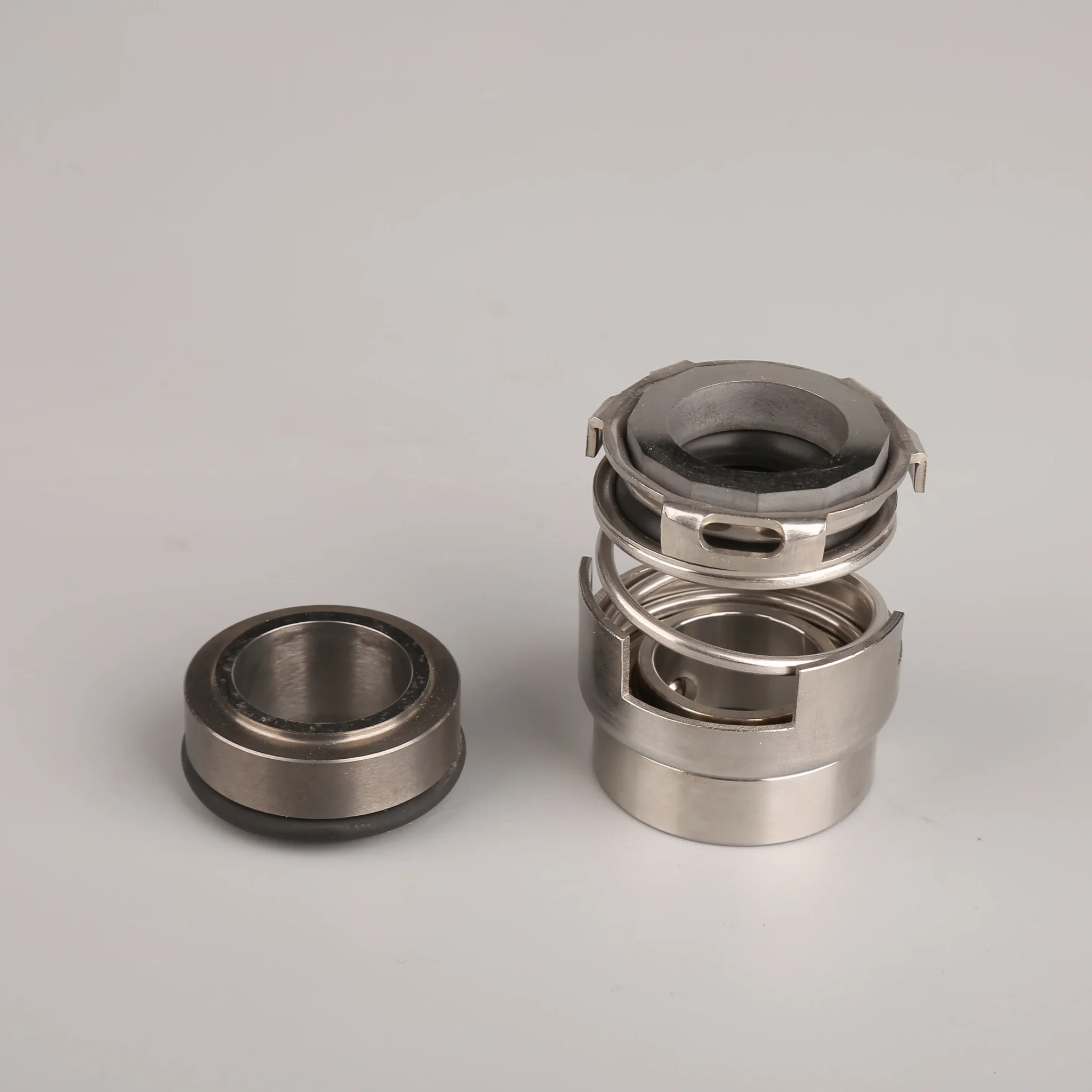
Many people fix their pumps at home. They change old parts like mechanical seals or fix small leaks. Safety is very important before starting any repair. People should always:
- Turn off the water on both sides of the pump.
- Turn off all power and make sure there is no electricity.
- Carefully loosen wires and lift the lock if needed.
- If you are not sure about the wires, ask an expert for help.
After making things safe, owners can take off the pump cover. They check for worn seals, broken O-rings, or dirt inside. Putting in a new mechanical seal can make the pump work well again. Owners should write down every repair they do. The log should list what was done, problems found, and parts changed. These notes help owners know the pump’s condition and guess when it will need repairs again.
Tip: Writing down repairs helps find problems early and stop bigger issues later.
Professional service options
Some repairs need special skills or tools. Trained technicians know how to fix Grundfos pumps. They follow careful steps to find and fix problems. Service centers use good parts and test the pump after fixing it. Brands like Grundfos give good warranties and save money over time if experts do the repairs. Customers trust brands that give good service.
Professional repairs can help the pump last up to 30% longer. Owners who want the best results pick this, especially for hard problems or if the pump still has a warranty.
Repair cost vs. replacement
Cost comparison
Many people ask if they should fix or get a new pump. The answer depends on different things. Some pumps are cheaper to fix. Others cost more to repair. The table below shows what helps people choose:
| Factor | Repair Recommendation | Replace Recommendation |
|---|---|---|
| Criticality of Pump | Not critical to production or backup available | Critical to production and no backup available |
| Energy Efficiency | Modern and efficient | Older, inefficient technology |
| Facility Age | Layout is old and hard to change | Facility allows easy swap |
| Availability of Pump Systems | Specialty pump with long wait for new parts | Standard pump can be shipped quickly |
| Availability of Components | Spare parts are easy to find | Parts are hard to find or repair costs too much |
If the pump is not needed all the time, repair is smart. If there is a backup, fixing the pump is a good idea. New pumps with good technology are worth fixing. If parts are easy to get, repair saves money. If the pump is old or uses lots of energy, replacement is better. If parts are hard to find, getting a new pump is best. People also pick replacement if the pump is needed all the time and there is no backup.
Tip: People should look at repair costs and new pump costs. Sometimes, buying a new pump saves money later.
Warranty and support
Warranty and support are important when deciding. If the pump still has a warranty, repair is free or costs less. Many companies help with repairs and give advice. Grundfos pumps have good support and service. Owners can call service centers or check guides online. If the warranty is over, people should check repair part and labor costs. Trusted sellers like Victor offer quality mechanical seals. These seals help pumps work well. Good support helps pumps last longer and work better.
Note: Always check the warranty before fixing or buying new parts.
Grundfos pumps can be fixed if you use the right steps. People should look for common problems before deciding what to do. They can compare how much repairs cost and check the warranty. Good parts like Victor mechanical seals are easy to find in big markets.
FAQ
How often should someone replace a mechanical seal in a Grundfos pump?
Most users replace mechanical seals every 2 to 5 years. The exact time depends on how often the pump runs and the type of liquid it moves. Regular checks help spot wear early.
Can Victor mechanical seals fit all Grundfos pump models?
Victor offers a wide range of mechanical seals. Many fit popular Grundfos models. Users should check the pump’s model number and compare it with Victor’s product list before buying.
What tools do technicians need for basic Grundfos pump repairs?
Technicians usually need a wrench, screwdriver, pliers, and seal puller. Safety gloves and goggles protect hands and eyes. A clean workspace helps prevent dirt from entering the pump.
Is it safe for someone to repair a Grundfos pump at home?
Home repairs are safe if users follow safety steps. They must turn off power and water before starting. For complex issues or if unsure, they should contact a professional.