
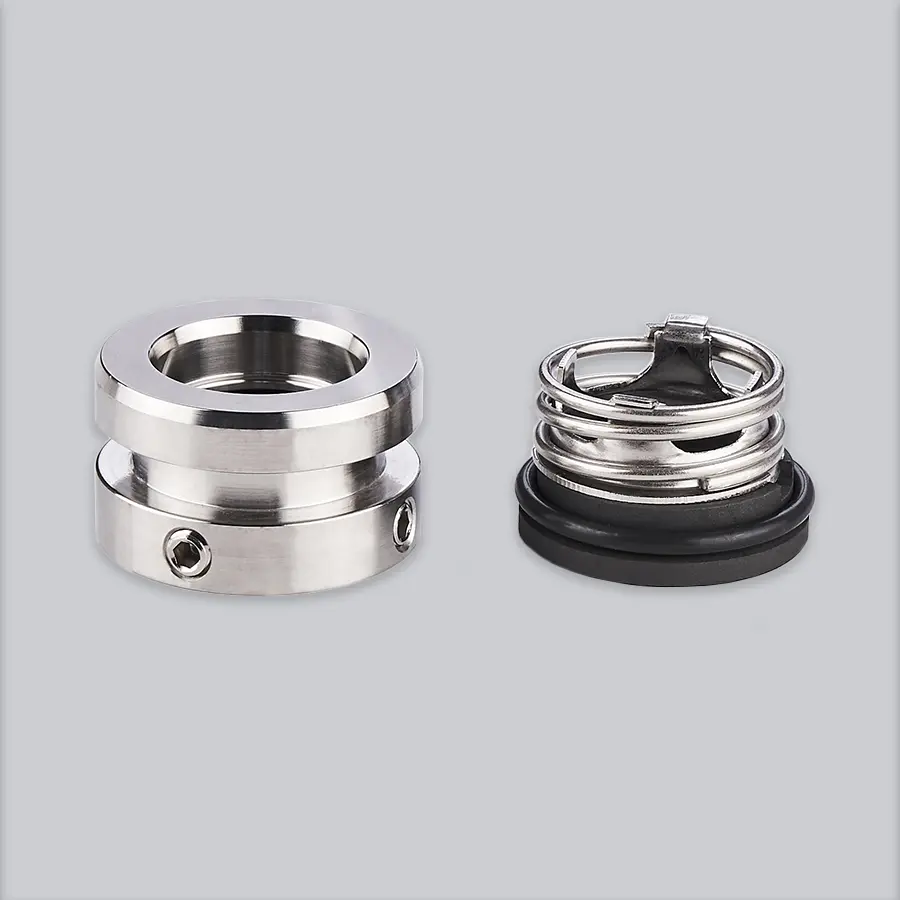
Yes, you can often fix mechanical seals. The chance of fixing them depends on the kind and amount of damage. Finding problems that can be fixed helps stop you from replacing seals you do not need to. Some common reasons why seals fail are:
- Not installing them right, like when they are not lined up
- Running them dry or not having enough oil
- Getting dirty from rough bits
- Using the wrong chemicals or the material breaking down
- Too much shaking or the shaft moving too much
Victor is a trusted brand. They make strong mechanical seals. Their seals work well in tough jobs.
Key Takeaways
- Mechanical seals can sometimes be fixed if the damage is small. Checking them often helps find problems early.
- Some problems like corrosion, abrasion, and small chips can be fixed. Fix these problems before they get worse.
- You should know when to get a new seal. If the damage is big or fixing it costs a lot, getting a new seal is better.
- Use the right steps to take apart, check, and put the seal back together. This helps make sure repairs work well.
- Always ask experts for help with hard repairs or if you are not sure about the seal’s shape.
Types of Mechanical Seals Damage
Repairable Issues
Mechanical seals can get damaged while working. Some problems can be fixed if you find them early. Here are some common repairable problems:
- Corrosion: Metal parts can get small holes or pits from strong chemicals. If the corrosion is not bad, you can sometimes clean or treat it.
- Abrasion: Surfaces can wear down when tiny bits move in the fluid. Small amounts of abrasion can be fixed by smoothing or changing parts.
- Minor chipping: Little chips on parts that are not important may not cause problems and can sometimes be made smooth.
Tip: Check your seals often to find these problems before they get worse.
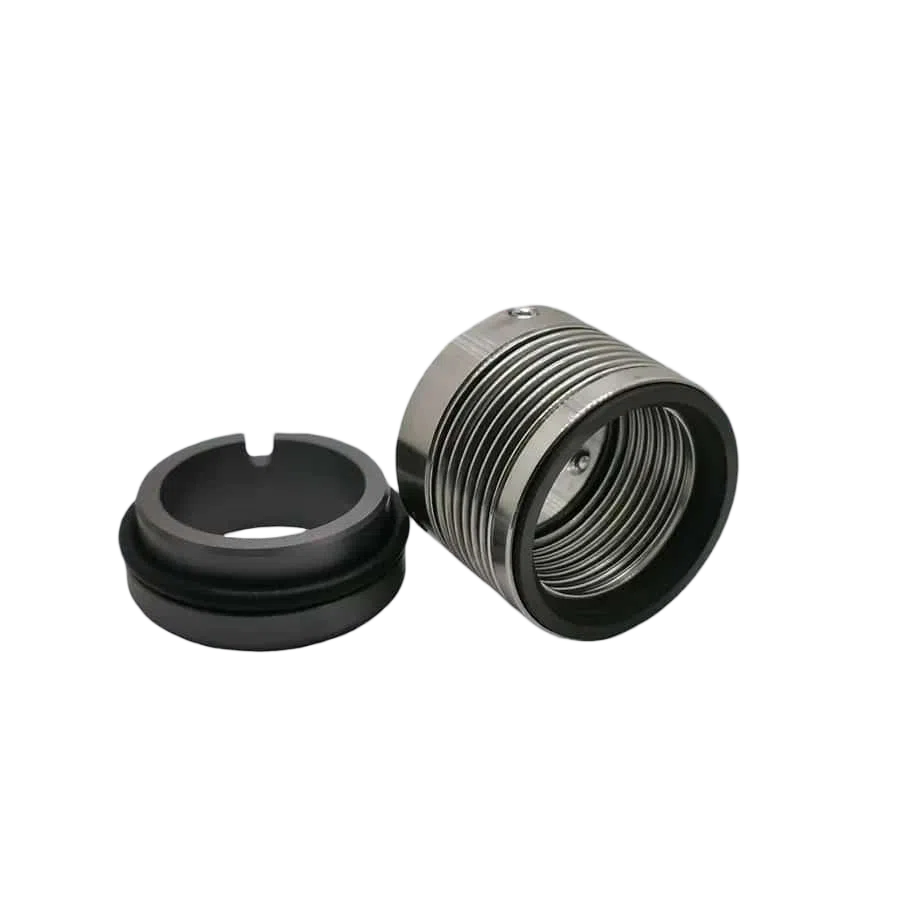
Victor has many kinds of mechanical seals. These include single spring, wave spring, elastomer bellow, and metal bellow types. Each kind can get different types of damage. For example, metal bellow seals do not corrode as easily, but elastomer bellows can get hurt by chemicals more.
The table below shows which parts you can fix or change:
| Component Type | Repairability |
|---|---|
| O-Rings and Elastomers | Usually changed during maintenance |
| Sleeves and Tapers | Can be changed if scratched or corroded |
| Glands and Hardware | Bolts, gaskets, and rings can be upgraded or changed |
| Sealing Faces | If damaged, they cannot be fixed; you must change them |
| Bellows or Spring Assemblies | Do not fix if cracked or worn out |
Damage Signs
Knowing the signs of damage helps you stop bigger problems. Watch for these clues:
- Leaks near the seal
- Strange sounds or shaking from the pump
- Worn spots, pits, or color changes on seal faces
- Lower pressure or the pump not working as well
A fast look can show many of these problems. Victor’s mechanical seals have things like clear marks and easy-to-reach parts to help you check them.
When to Replace
Sometimes, you cannot fix a seal or it costs too much. Here are some things to think about when you need to change a mechanical seal:
| Criteria | Description |
|---|---|
| Extent of Damage | Big cracks, deep rust, or broken parts mean you need a new seal. |
| Material Limitations | Some materials cannot be fixed after they break. |
| Age and Usage of the Seal | Old seals or ones used a lot can break more often. |
| Cost vs Benefit of Repair | If fixing costs almost as much as a new seal, it is better to get a new one. |
Victor says you should check the seal’s age, what it is made of, and how long it has been used before you decide. For example, a metal bellow seal in a chemical plant can last longer, but you should change it if you see cracks or it looks tired.
Note: Always follow what the maker says for fixing or changing seals to keep your equipment safe.
Identifying Repairable Seals
Visual Inspection
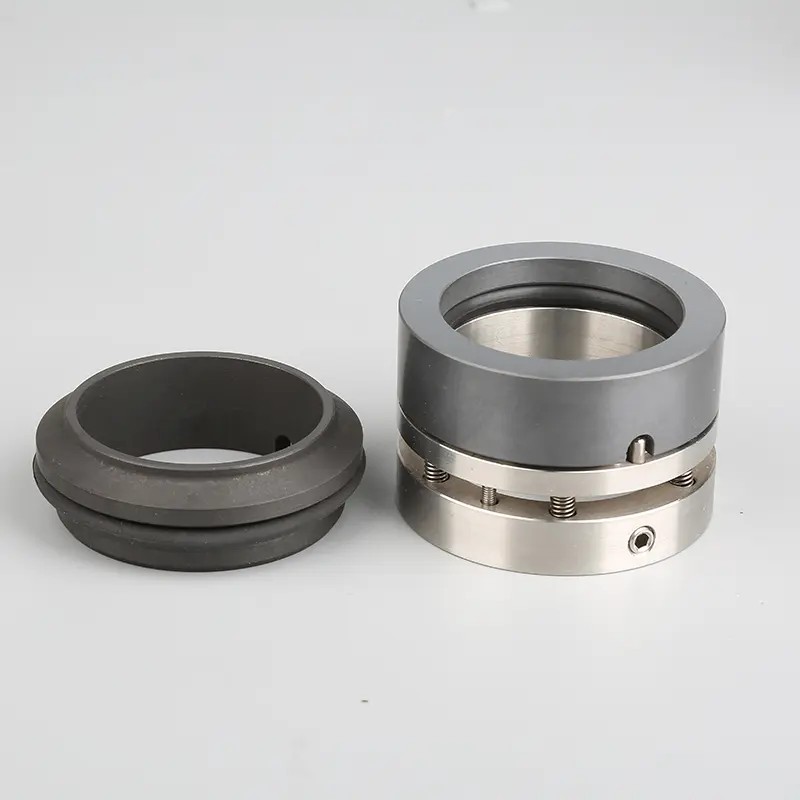
A careful look at the seal can reveal many problems. People should follow these steps to check if a seal can be repaired:
- Look for any leaks around the seal chamber. Even a small drip can signal trouble.
- Check the seal faces for cracks, grooves, or discoloration. These marks often show wear or damage.
- Search for signs of contamination, like dirt or foreign particles near the seal.
- Feel for abnormal heat. If the area feels hotter than usual, the seal may not work right.
- Use a flashlight and magnifying glass to see small details.
- Test for pressure and leakage. This helps confirm if the seal holds tight.
Regular checks help keep mechanical seals working longer. People should also inspect the support system for leaks or loose parts.
Tip: Write down what you find during each inspection. Note the seal’s type, where it came from, and how long it has been in use. This record helps track changes over time.
Performance Clues
Changes in how the pump works can point to seal problems. Watch for these clues:
- The pump vibrates more than normal.
- The pump gets hotter during use.
- The pump does not move as much fluid as before.
- Leaks become larger or more frequent.
A table can help show what these clues mean:
| Symptom | What It Means |
|---|---|
| Increased leakage | Possible seal face or o-ring damage |
| Drop in efficiency | Seal may not hold pressure |
| Higher temperature | Friction or misalignment in the seal |
| More vibration | Seal or shaft may be out of line |
Checking these clues early can prevent bigger problems.
Professional Assessment
Sometimes, a seal needs a closer look by an expert. People should seek help when:
- The seal material must match special chemicals or high temperatures.
- The environment has moisture, UV light, or other harsh factors.
- The damage is hard to see or understand.
Experts from trusted brands like Victor can give advice. They know about sealing technology and can suggest the best repair or replacement. Their knowledge helps keep equipment safe and running well.
Note: Always ask a professional if you are unsure about the seal’s condition or repair steps.
Mechanical Seals Repair Steps
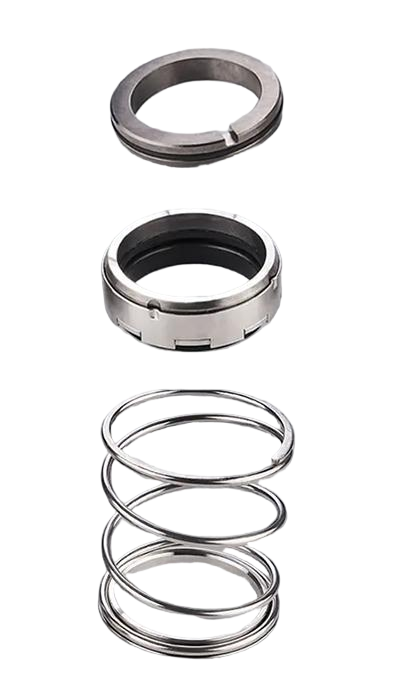
Repairing mechanical seals involves several important steps. Each step helps ensure the seal works well after repair. People should follow these steps carefully to avoid future problems.
Disassembly and Cleaning
Proper disassembly and cleaning protect the seal from further damage. Here is a common process:
- Clean any dirt or buildup from the outside of the seal before taking it apart. This prevents new contamination.
- Use only safe tools. Avoid hammers or chisels, which can damage the seal parts.
- Remove each part gently. Take extra care with seals that have two ends, so no pieces get lost.
- If the gland feels loose, replace both the moving and stationary rings. Do not just tighten them, as this can cause leaks.
Tip: Keeping the work area clean helps prevent mistakes during repair.
Inspection and Filing
After cleaning, each part needs a close look. People use different methods to check for damage or wear.
| Inspection Method | Description |
|---|---|
| Visual Inspection | Shows leaks or fluid outside the pump. |
| Pressure Testing | Checks if the seal holds pressure without leaking. |
| Vibration Analysis | Finds problems with the seal or bearings by measuring unusual vibrations. |
| Regular Inspection | Finds small problems early during routine checks. |
If the seal faces have small rough spots, people can use a fine file to smooth them. They should never file deep cracks or large chips. Those parts need replacement.
Note: If repairs happen often, the system may have bigger issues. Check for misalignment, poor lubrication, or contamination.
Parts Replacement
Some parts cannot be fixed and must be replaced. People should look for these signs:
- High temperature at the seal face. This may mean the seal ran dry or is not lined up right.
- Contamination in the seal chamber. This can cause fast wear.
- Cracks, deep scratches, or discoloration on seal faces.
- Leaks at the seal chamber.
- Loss of pump efficiency.
When replacing parts, people must check that new materials match the system’s needs. All parts should meet safety and performance standards.
Always use parts that fit the seal’s design. Victor offers many replacement parts that are easy to install and maintain.
Reassembly and Testing
After replacing or repairing parts, careful reassembly is key. People should:
- Follow the manufacturer’s instructions for putting the seal back together.
- Make sure all parts line up correctly and fit tightly.
- Check that O-rings, springs, and drive lugs are in the right place.
- Test the seal by running the pump and checking for leaks or strange noises.
A good test shows the seal works well and the repair was successful.
Victor’s mechanical seals are designed for easy installation and maintenance. This helps reduce downtime and makes repairs faster.
Fixing a seal works for small problems. But you should get a new seal if the damage is bad or if safety rules say so. The table below lists things you should think about:
| Factor | Description |
|---|---|
| Part Compatibility | Makes sure fixed seals work like new ones. |
| Health & Safety Requirements | Follows safety rules for dangerous jobs. |
| API 682 Compliance | Meets important rules for seal safety. |
| Material Identification | Checks that the right materials are used. |
| Design Competency | Needs careful measuring for tricky seals. |
| Right Repair Provider | Picks skilled people for the best job. |
Doing regular checks helps seals last longer:
- Look for leaks or worn spots.
- Put in parts the right way.
- Keep the work area neat.
Victor helps customers by fixing, replacing, and giving good support after the sale.
FAQ
How often should someone inspect a mechanical seal?
People need to check mechanical seals every few months. Checking often helps find small problems early. This keeps machines working well and stops bigger problems.
Can anyone repair a mechanical seal, or does it need a professional?
Most repairs should be done by a trained technician. Some easy checks or part changes are okay for people with experience. For Victor Mechanical Seals, getting help from a pro gives the best results.
What tools are needed for basic mechanical seal repair?
- Clean cloths
- Soft brushes
- Fine files
- Wrenches
- Flashlight
Tip: Always use the right tools so you do not hurt the seal.
Does Victor offer replacement parts for their mechanical seals?
Yes, Victor has many replacement parts for their seals. These parts fit well and help the seal work right. People can call Victor for quick help and fast delivery.