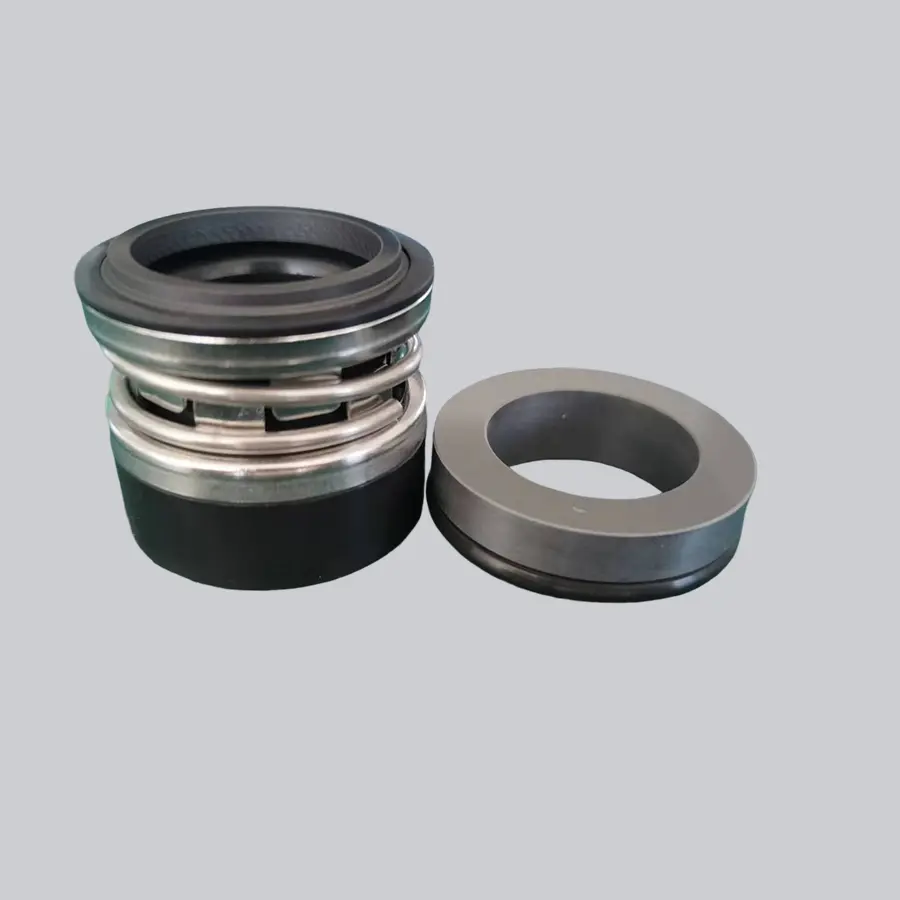
Mechanical seals typically require seal water to function effectively, especially in water pump seal systems. Victor’s mechanical seals for water pumps demonstrate how seal water cools both the seal and the shaft, while also providing lubrication for moving parts and flushing away contaminants. The amount of water needed depends on the type of mechanical seal, its application, and factors such as temperature, speed, and pressure. Certain seals, like the allweiler mechanical seal, are designed to operate in dry conditions or specialized environments. Victor ensures that every water pump seal is durable and delivers reliable performance.
- Seal water:
- Prevents overheating
- Reduces friction and wear
- Protects mechanical seals for water pumps from harmful particles
Key Takeaways
- Seal water keeps mechanical seals cool and slippery. This stops them from getting too hot and helps them last longer.
- It is very important to have the right amount of seal water. The water should not get more than 15°F warmer. This helps the seal work well.
- Seal water also washes away dirt and other things. This makes the seals wear out less and need fewer repairs.
- Picking the best mechanical seal and using enough seal water saves money. It also makes the pump work better.
- Checking and taking care of seal water systems often stops problems. This helps avoid overheating and seal breaks.
Why seal water matters for mechanical seals
Cooling and lubrication in water pump seal systems
Seal water is very important for mechanical seals. It helps keep the seal faces cool. It also lowers friction. When a water pump seal works, moving parts get hot. Too much heat can hurt the seal and shaft. Seal water moves through the seal chamber and takes away heat. This keeps the temperature safe.
Seal water makes a thin layer between the seal faces. This layer works like oil. It lowers friction and wear. This helps the seal last longer. If there is not enough lubrication, the seal faces can get too hot and break.
Victor’s mechanical seals use seal water to keep the inside of the seal chamber just right. This stops leaks and helps the pump work well.
Here is a table that shows what seal water does:
| Role of Seal Water | Description |
|---|---|
| Cooling | Seal water takes away heat made by friction between the seal faces. This keeps the temperature right for the seal. |
| Lubrication | It makes a thin layer that lowers friction and wear on the seal faces. This stops the seal from breaking too soon. |
Experts say the seal water should not get more than 15°F hotter as it goes through the seal. The best flow rate is about 0.32 gallons each minute. Water should go in at 92.5°F and come out at 107.5°F. These numbers help keep the seal cool and slippery.
Flushing contaminants with seal water
Seal water does more than cool and lubricate. It also washes away dirt, chemicals, and other stuff from the seal faces. This keeps the seal clean and safe from damage. Clean seal faces work better and last longer.
Seal water takes away things that could scratch or wear down the seal. It also helps wash away chemicals that could cause rust. By keeping the seal faces clean, seal water means fewer repairs and less money spent.
- Seal water is very important for keeping the mechanical seal working well by making a good seal chamber.
- It lowers friction and heat in the mechanical seal, which helps stop leaks.
- The lubrication from seal water is needed; without it, seals can break from too much heat and friction.
Victor’s externally flushed mechanical seals and internally flushed mechanical seals both use seal water to keep dirt away from the seal faces. This helps the seals work well even when things get tough.
Impact on mechanical seal longevity
Seal water helps mechanical seals last longer. By cooling, lubricating, and cleaning the seal faces, seal water stops seals from breaking early. This means less time fixing things and less money spent.
Rules like NSF 61 and API 682 tell people how to use seal water in pump seals. NSF 61 makes sure water system parts do not add bad chemicals to the water. API 682 gives rules for using seal water with mechanical seals. These rules help people pick safe and strong seals.
Victor checks every seal to make sure it meets these rules. Each seal gets checked for size and pressure before it leaves the factory. This makes sure Victor’s mechanical seals work well and last a long time.
Tip: Using the right amount of seal water can save money. It can also help the planet by using less water and needing fewer repairs.
Types of mechanical seals and water needs
Externally flushed mechanical seals
Victor makes externally flushed mechanical seals for pumps that need more cooling and lubrication. These seals are placed in the dry part of the pump volute. They get seal water from outside the pump. Water moves through small tubes from the pump’s discharge to the seal. This setup stops the seal from getting too hot and keeps it clean.
Externally flushed mechanical seals go in the dry part of the volute. They need water from outside to stop overheating from friction. Water comes through small tubes from the pump’s discharge to the seal. These seals are used when cooling and lubrication are very important.
These seals are good for water pump seal systems that need cooling and flushing. Victor’s designs help keep the seal chamber safe and the pump running well.
Internally flushed mechanical seals
Internally flushed mechanical seals use seal water from inside the pump. The water goes from the pump and then back to it. This keeps the product clean and does not need extra water from outside. Victor’s internally flushed mechanical seals make piping easy and help with cooling.
| Advantage | Description |
|---|---|
| No product contamination | The flush water comes from the pump and goes back to it. |
| No reproducing of product | The product does not need to be reprocessed like with an external flush. |
| Simplified piping | Only pipe or tubing and maybe an orifice are needed. |
| Improved cooling and lubrication | With the right orifice and throat bushing, the seal chamber pressure can be higher. |
These seals are used in many pumps where keeping the product pure is important. Victor’s mechanical seals help people pick the right system for their needs.
Dry-running mechanical seals and other options
Some mechanical seals do not need seal water. Dry-running mechanical seals use special materials or other fluids to cool and lubricate. Victor has products for these uses. These seals are used where water is not wanted or not there.
| Alternative Fluid/Method | Description |
|---|---|
| Process Fluid | Uses the pumped liquid if it can lubricate well. |
| External Clean Water | Used often because it is easy to get and not expensive. It cools and washes away dirt. |
| Barrier Fluids | Uses light oils, glycol, or special lubricants for special needs. |
| Waterless Mechanical Seals | Uses dry-running materials and gas to work without water. |
Victor’s dry-running mechanical seals are used in chemical plants, oil and gas, and other places where water cannot be used. These seals have special designs to keep pumps working without seal water.
Tip: Always check what you need before picking a mechanical seal. Victor’s experts can help you choose the best seal for your system.
Risks without seal water
Overheating and seal failure
Mechanical seals need seal water to work well. Without enough seal water, the seal faces can get very hot. Heat builds up fast when there is no cooling or lubrication. This can cause the seal faces to break down.
Dry running happens when the seal faces do not get enough lubrication. Most mechanical seals depend on a thin film of fluid to lower heat and friction. Without this film, the seal faces overheat, wear out quickly, and fail.
Too much heat is one of the fastest ways to destroy a mechanical seal. Overheating can also damage the shaft and other pump parts. This risk is high in every water pump seal system.
Increased wear and maintenance costs
Lack of seal water leads to more wear and tear on mechanical seals. Poor lubrication makes the seal faces rub together. This causes them to wear out faster. When seals wear out, they need to be replaced more often.
- More frequent seal failures mean higher maintenance costs.
- Repairs and replacements take time and money.
- Pumps may use more energy if seals do not work well.
- Leaks from worn seals can lead to fines or safety problems.
When seal water is not clean, it can cause cavitation. Cavitation makes bubbles that can damage the seal faces. This adds to the cost and trouble of keeping pumps running.
Effects on water pump seal performance
Seal water keeps the seal chamber clean and cool. Without it, dirt and chemicals can build up on the seal faces. This makes the seal less effective. The pump may leak or lose pressure.
A water pump seal that does not get enough seal water will not last as long. It may also fail when the pump is needed most. Victor tests every seal to make sure it works well with the right amount of seal water. This helps customers avoid problems and keep their equipment running.
Victor’s quality checks and pressure tests help ensure that every mechanical seal meets high standards for safety and reliability.
Common risks when seal water is missing:
- Overheating and rapid seal failure
- Increased wear and frequent repairs
- Cavitation damage from poor water quality
Proper use of seal water protects mechanical seals and keeps water pump seal systems working their best.
Practical guidance for choosing seal water solutions
Determining water needs for mechanical seals
Picking the right amount of seal water helps seals last longer. People who run pumps look at many things before they set up a water pump seal system. They check how big the seal chamber is. They also look at how fast the pump moves. The kind of fluid in the pump matters too. The shape of the throat bushing changes how much seal water is needed. API piping plans help people control the area around pump seals and make them work better.
Here is a table that shows important rules for picking seal water:
| Guideline | Description |
|---|---|
| Environmental Controls | Make pumps work better in different places. |
| API Piping Plans | Help seals last longer by controlling their area. |
| Flush Flow Rates | Change the water flow based on what is needed. |
People also think about how much flush fluid costs and what kind to use. Real-life data from machines helps them make smart choices.
Manufacturer recommendations and best practices
Manufacturers give clear tips for taking care of seal water systems. They say never let seals run dry. Dry running can make seals get too hot and crack. A dry-run monitor warns workers if seals are in danger. People should know the pressure, temperature, and speed of the pump. Good lubrication keeps a thin layer of fluid between seal faces and stops friction.
Best practices are:
- Stop dry running so seals do not break.
- Use a flush seal if the pumped liquid turns into gas.
- Watch seals to make sure they do not get too hot.
- Lower shaking by running the pump at its best speed.
- Teach workers to find problems early.
Tip: Checking systems often and training workers keeps seal water systems working well.
Industry examples and Victor’s expertise
Victor helps customers by installing seals and teaching workers. Their team helps pick the right seal material for each job. Stainless steel is good for marine pumps because it does not rust. Victor picks materials that last long and save money. Talking to Victor’s experts gives people new ideas and special help for pump seals.
People in chemical plants, marine pumps, and water treatment plants trust Victor’s help. Victor’s guides and support help users keep seal water systems working and avoid problems.
Seal water is important because it keeps mechanical seals cool and slippery. It also helps stop dirt and other bad things from hurting the seal. Victor makes sure every seal works well and is safe to use.
- Good lubrication and checking the seals often stop them from getting too hot or running without water.
- Doing what the maker says helps seals last longer and not wear out fast.
Seal support systems help control what happens around a mechanical seal. They give flushing, cooling, and pressure so the seal can work safely.
Victor gives tips and expert help so people can pick the right seal water for their pumps.