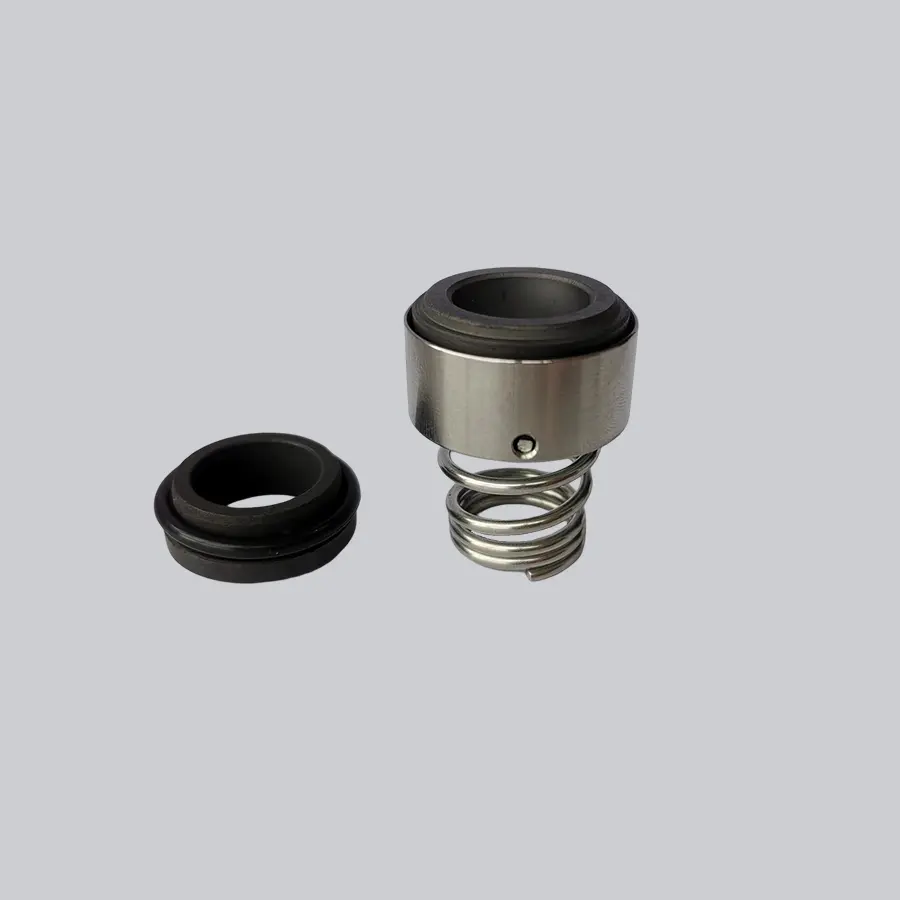
Drivers usually see warning signs when a fuel pump seal goes bad. The most common signs are fuel leaks and a strong fuel smell. You might also notice lower fuel pressure. The engine may not work well. You could get worse fuel efficiency. These problems show up near the fuel pump or along fuel lines. Beginners can find these problems fast. Fixing them quickly stops big fuel system damage. Trusted brands like Victor have mechanical seal solutions. They offer component mechanical seals and OEM mechanical seal options. These help make fuel system repairs reliable.
Key Takeaways
- Check under your car for fuel leaks. If you see puddles or wet spots near the fuel pump, the seal might be bad.
- Notice if you smell strong fuel around your car. If the gasoline smell does not go away, the seal could be leaking and needs to be checked.
- Watch your fuel pressure. If it drops a lot, your engine may not work well. This can mean there is a problem with the seal.
- Look for engine problems like sputtering or hard starts. These signs can mean the fuel pump seal is failing.
- Check and take care of your fuel system often. This stops seal damage and helps your car stay safe.
Signs Of A Bad Fuel Pump Seal
Visible Fuel Leaks
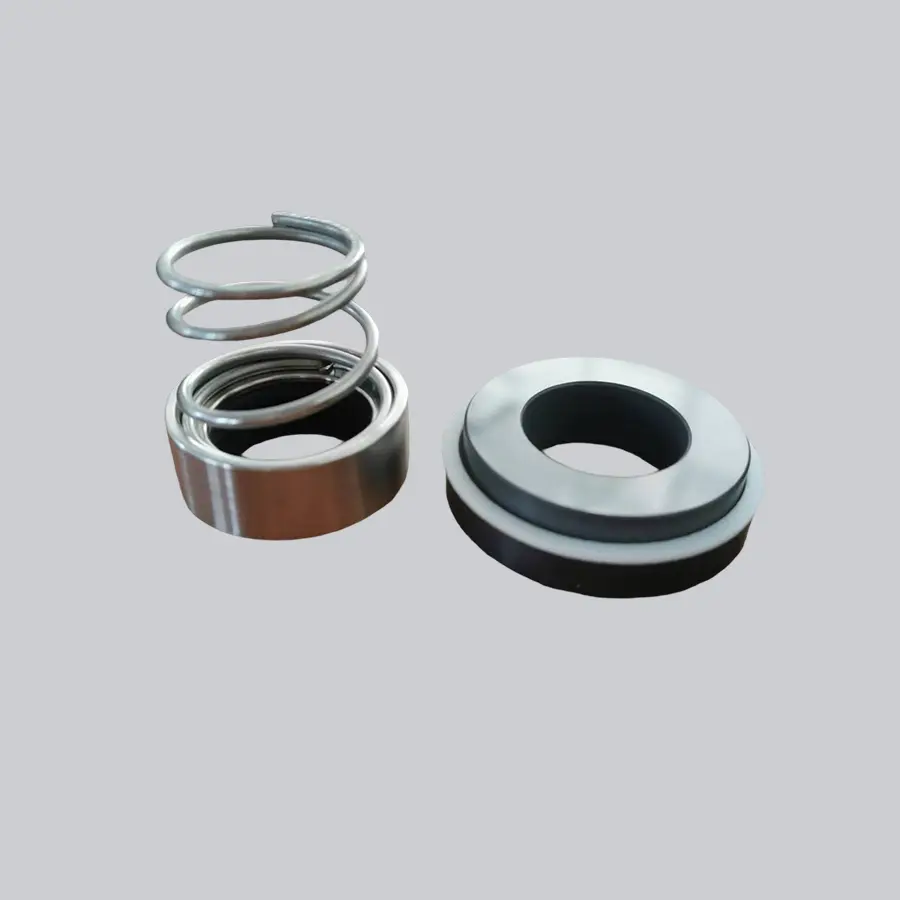
Car experts often see fuel leaks first when a fuel pump seal is bad. Drivers might notice puddles under their car or near the pump. These puddles mean fuel is leaking out. The area close to the fuel pump or fuel lines can look wet or stained. Sometimes, liquid gathers on the ground after the car sits for a while. Fuel leaks waste gas and can be dangerous.
Tip: Always look for puddles or wet spots under your car, especially after parking overnight.
Strong Fuel Smell
A strong fuel smell around your car can mean a seal leak. Gasoline vapors escape when the fuel pump seal does not work right. The smell is strongest near the fuel tank or engine. Worn seals in other parts can also cause this smell. Sometimes, a broken gas cap or too much fuel in the tank lets vapors out. This makes the smell even stronger. If you keep smelling fuel, the seal needs to be checked.
- Gasoline smell inside or outside the car means a leak.
- The smell can get worse after you fill up or drive.
Drop In Fuel Pressure
A drop in fuel pressure is a common sign of a bad fuel pump seal. When the seal leaks, the pump cannot keep the right pressure. Experts have seen pressure drop from 9 psi to 1 psi or from 7 psi to 2 psi after a leak. This makes the engine run poorly. The fuel system cannot send enough fuel, so the engine may idle rough or misfire.
- The fuel pump may not give enough fuel to the engine.
- Losing pressure causes bad engine performance and stalling.
Poor Engine Performance
Bad engine performance can happen if the fuel pump seal is failing. The engine might sputter or hesitate when you speed up. Power can change suddenly while driving. You might hear a whining noise from the fuel tank area. The engine may be hard to start or stop running without warning. These signs show the pump cannot send fuel right because of a seal leak.
| Symptom | Description |
|---|---|
| Difficulty Starting | The engine takes longer to start or will not start. |
| Power Surges | Power changes quickly while you drive. |
| Engine Sputtering | The engine hesitates or sputters when you speed up. |
| Stalling | The engine stops running while you drive. |
| Increased Emissions | More emissions come out because fuel does not burn all the way. |
Decreased Fuel Efficiency
Lower fuel efficiency is another sign of a bad fuel pump seal. Studies show a bad fuel pump can lower efficiency by up to 15%. Drivers may need to get gas more often. The engine uses more fuel because the pump cannot keep the right pressure. A seal leak wastes fuel, so you go to the gas station more.
- Needing gas often means the fuel pump seal could be bad.
- Lower fuel efficiency hurts both how the car runs and your wallet.
Note: If the check engine light comes on, it could mean a problem with the fuel pump seal or another part of the fuel system.
These signs of a bad fuel pump seal help drivers find problems early. Knowing these signs can stop bigger problems and keep your car safe.
Causes Of Mechanical Seal Failure
Knowing why fuel pump seals fail helps drivers keep cars working well. Many things can hurt a mechanical seal and make it leak or not work right.
Age And Wear
Mechanical seals in fuel pumps get old and wear out. Most seals last one to three years. Some seals last five years if you take care of them. When seals get old, they lose strength and bend less. Old seals can crack or shrink. This lets fuel leak out. Drivers should check for dirt and change old seals to stop leaks.
- Most mechanical fuel pump seals last:
- One to three years if you drive normally
- Up to five years with good care
Doing regular fuel system checks helps your car last longer and run better.
Heat And Pressure Damage
High heat and pressure inside the pump can break seals. If fuel gets too hot, the seal can get soft or melt. Too much pressure can push fuel past the seal and cause leaks. The table below shows how heat and pressure hurt seals:
| Temperature (°F) | Pressure (psi) | Failure Cause |
|---|---|---|
| > 300°F (150°C) | N/A | Parts of the seal break down and leak |
| N/A | > rated capacity | Too much pressure makes the seal fail |
Victor mechanical seals are made to handle tough conditions. They use strong materials like Silicon Carbide. These materials do not get damaged by high heat or strong chemicals.
Installation Issues
If you install a seal wrong, it can break early. Mistakes include using the wrong gasket, not changing the fuel filter, or letting dirt get in the tank. These problems cause leaks, low pressure, and dirty fuel. Good installation helps seals last longer and keeps the pump working.
- Bad installation, like not lining up parts or not using enough oil, can break seals early.
- Following instructions is important so you do not hurt the seal.
- Lining up the pump right stops seal damage.
- Using enough oil keeps o-rings safe on the seal.
- Good installation makes seals last longer and helps the system work better.
Chemical Exposure
Fuel pumps use fuels with additives or biofuels. These chemicals can hurt seals by making them swell or crack. The table below shows chemicals that damage seals:
| Chemical Type | Effect on Seals | Reference |
|---|---|---|
| Biofuels | Make rubber seals swell and break | Link |
| Additives | Cause rubber to break down and get old fast | Link |
Victor mechanical seals made from Silicon Carbide work well with strong chemicals. This material does not get hurt by acids or bases. It is good for pumps that use strong fuels.
Checking your fuel system often helps seals last longer. It stops problems like leaks, damage, and dirt from hurting seals. Good care, like checking parts, changing filters, and using good fuel, keeps fuel pressure right and stops seal damage.
Drivers who know what causes fuel pump seal failure can protect their cars. Regular care, careful installation, and using good seals like Victor help stop leaks and keep fuel systems safe.
How To Check Your Fuel Pump Seal
Visual Inspection Steps
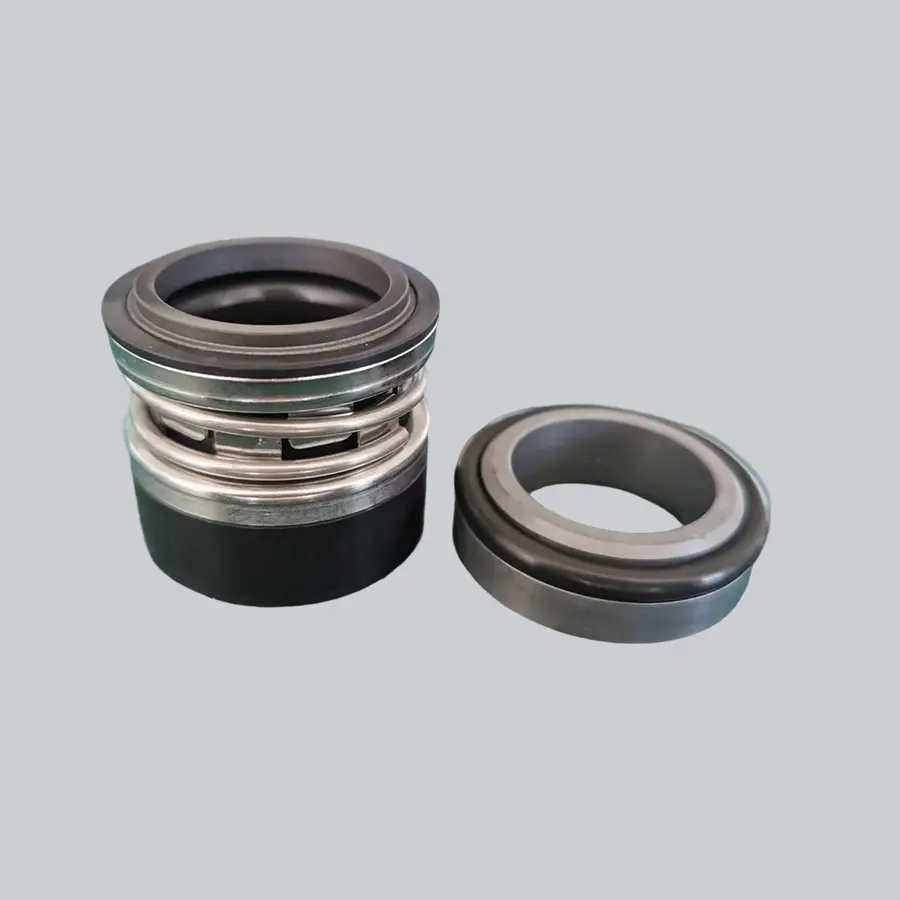
A visual inspection helps drivers spot early signs of a bad fuel pump seal. They should follow these steps:
- Look for fuel leaks near the pump area. Wet spots or stains often show a seal leak.
- Check for a drop in fuel pressure. A damaged seal can cause poor engine performance.
- Notice if the engine has trouble starting. This can mean a weak or leaking seal.
- Watch for reduced fuel efficiency. A faulty seal makes the engine work harder and use more fuel.
- Pay attention to the check engine light. This warning may point to a problem with the pump seal.
A visual inspection can reveal leaks, cracks, or worn parts. It helps drivers find early-stage problems with the fuel pump seal. However, some internal issues may not show during this inspection.
Checking For Leaks And Odors
Drivers should check for leaks and odors to confirm a seal leak. They can use simple tools for this task:
- A bike pump can pressurize the fuel system. If the system does not hold pressure, a seal leak may exist.
- A fuel pressure test kit gives more accurate results. It helps find slow leaks or problems with other pump parts.
A strong fuel smell near the pump or under the car often means a seal leak. Drivers should check for puddles or wet spots after parking. These signs point to a failing fuel pump seal.
Tip: Always check for fuel odors in a well-ventilated area to stay safe.
Troubleshooting Mechanical Seal Problems
If a driver finds signs of a bad fuel pump seal, they should troubleshoot further. They can:
- Compare fuel pressure readings to the car’s manual.
- Listen for engine noises or poor engine performance.
- Inspect the seal for cracks or swelling.
If the seal shows damage or the pump does not work right, replacement is the best option. Victor mechanical seals offer a reliable solution for fuel pump seal failure. These seals help restore fuel system safety and performance.
What To Do If The Seal Is Bad
Replace The Fuel Pump Seal
If you see a seal leak, fix it soon. Changing the fuel pump seal stops leaks and keeps the pump working. Many people can do this job with simple tools. Always follow safety steps when working on your car. Use a good replacement seal for best results. Victor replacement seals are strong and last a long time. The table below shows how Victor seals compare to other brands:
| Feature | Victor Replacement Seals | Other Aftermarket Options |
|---|---|---|
| Manufacturing Capability | Proven manufacturing with registrations in 30+ countries and a large production facility | Varies by manufacturer |
| Quality Assurance | 100% dimensional checks and pressure-leak tests | Often less rigorous |
| Material Composition | Hard-face materials like silicon carbide or tungsten carbide | Varies widely |
| Versatility in Applications | Engineered for a wide range of pumping applications | Limited to specific uses |
Picking Victor replacement seals helps stop leaks later. It also keeps your fuel system safe.
When To Call A Professional
Sometimes, you need an expert to help with fuel pump seal problems. Call a professional if you notice these things:
- You use more gas than normal and the tank empties fast.
- The engine sputters or hesitates when you speed up.
- The car is hard to start, which means the pump may not work right.
- The engine runs rough or misfires and gets worse.
- You smell strong gasoline while driving or near your parked car.
- The engine is hard to start.
- You hear strange sounds from the fuel tank, like whining or buzzing.
- The engine sputters or stalls while you drive.
A professional can find leaks you cannot see and fix the pump safely.
Prevent Future Problems
You can stop future seal leaks by taking care of your car:
- Make sure you install the seal the right way.
- Do not let seals run dry. Lubrication keeps them cool and working.
- Use the right lubricants to lower friction and wear.
- Watch for too much vibration. Less shaking means less damage to the seal.
Check your car often and use good replacement seals like Victor. These steps help your fuel system work well and stop leaks.
Drivers can find a bad fuel pump seal by checking for leaks. They should also notice if they smell fuel. Watch for problems with how the engine runs. Fixing the seal quickly stops bigger issues and saves money. Changing a bad seal keeps the fuel system safe. Victor is a trusted brand for strong mechanical seals. These seals help machines last longer and work better.
| Benefit | Description |
|---|---|
| Enhanced Operational Efficiency | Good seals mean less downtime and more work gets done. |
| Reduced Maintenance Costs | Strong seals lower repair costs and need fewer replacements. |
| Extended Equipment Life | Tough seals stop damage and help fuel systems last longer. |
| Improved Safety | Quality seals stop leaks and keep things clean and safe. |
| Energy Efficiency | Good sealing can lower energy use by up to 25 percent. |
Drivers who pick Victor mechanical seals keep their fuel systems safe and make driving safer.