A failing pool pump seal comes with clear, easy-to-spot signs. Homeowners commonly notice water leaks, strange noises, or weaker pump performance. Catching these issues early makes a major difference:
Repair costs can be reduced by up to 60%.
Standard seal replacement ranges from $150 to $300.
Delaying repairs often leads to more severe damage and higher expenses.
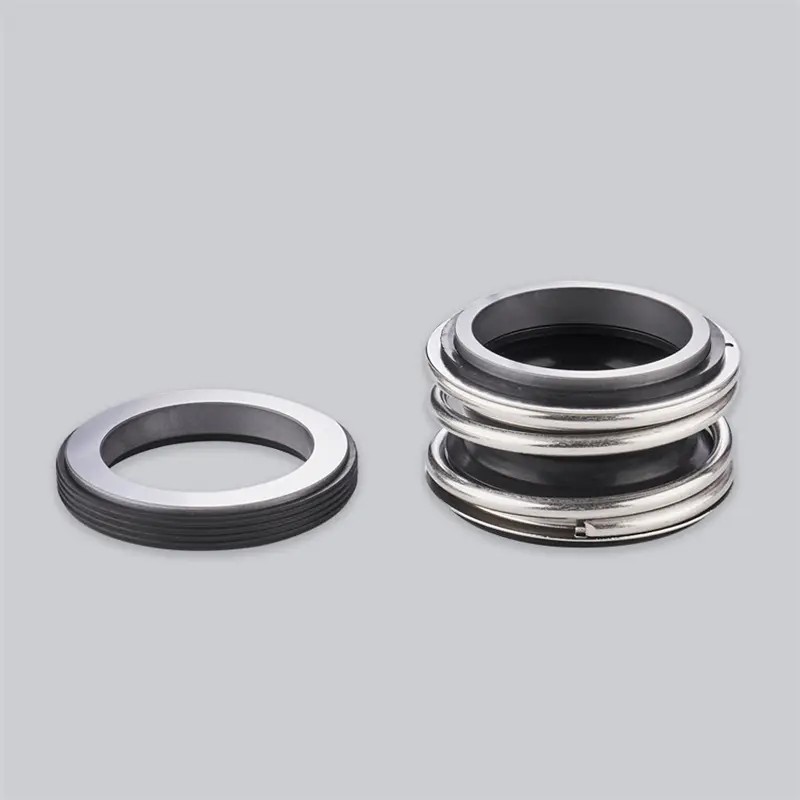
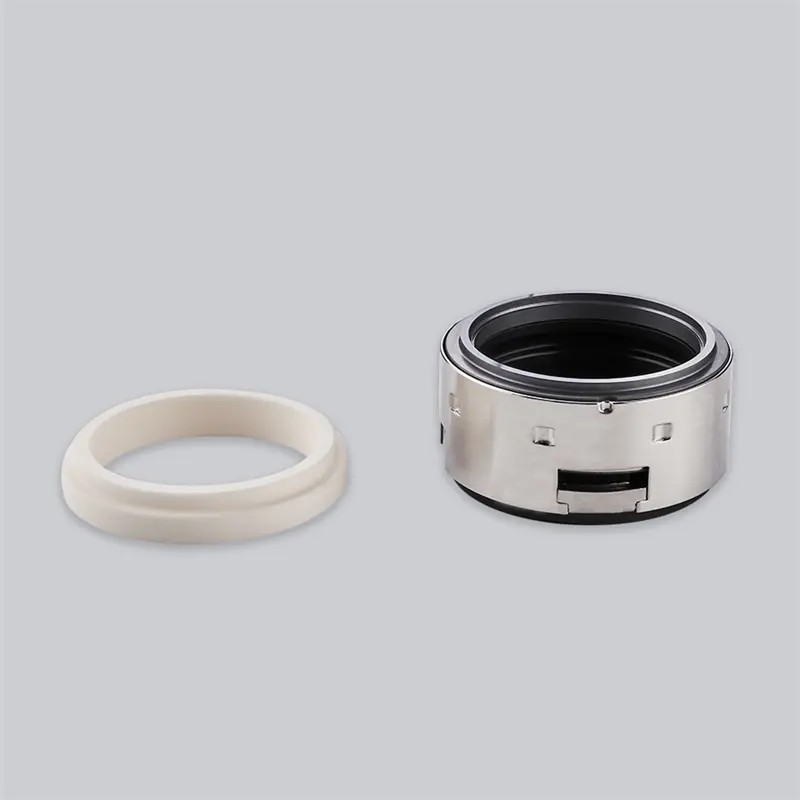
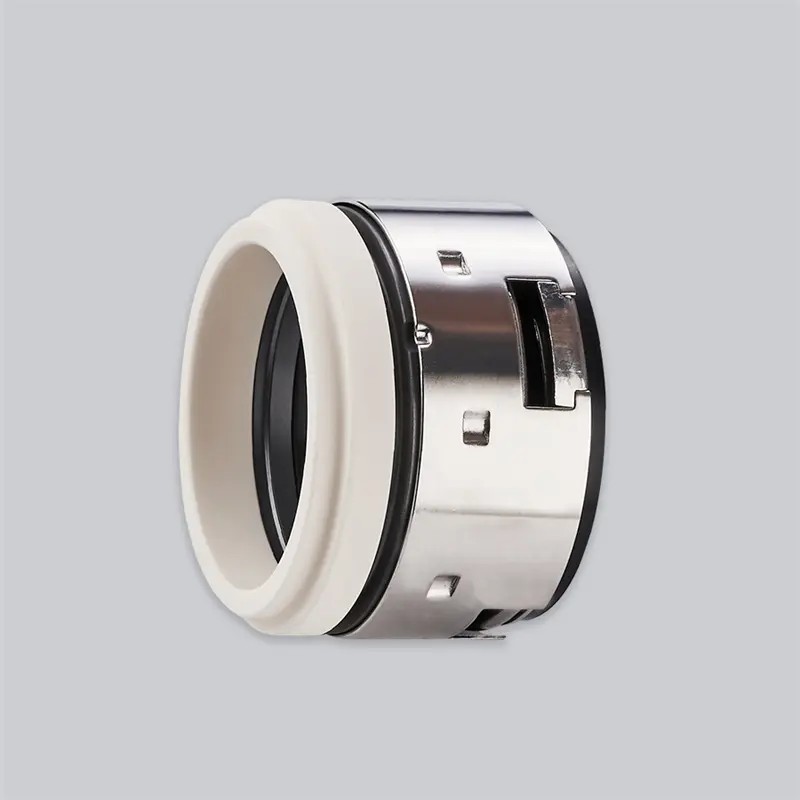
Victor provides reliable pump mechanical seal solutions built to withstand demanding pool environments.
Key Takeaways
- Watch for water pooling around the pump base — this is the most common early warning of seal failure.
- Listen for grinding, screeching, or whining noises, as these often signal seal damage.
- Monitor water flow and pressure; a noticeable drop in performance frequently points to a faulty seal.
- Inspect your pump regularly to catch problems early and avoid expensive repairs.
- Using high-quality seals such as those from Victor helps extend service life and reduce leak risks.
Signs of Pool Pump Seal Failure
Water Leaks Around the Pump Housing
Water leakage is the primary indicator of a failed pool pump seal. You may see dampness or standing water near the pump base, meaning the seal can no longer contain water inside the housing. Persistent leaks not only waste water but also create potential electrical hazards and can damage pump components over time.:
Unusual Pump Noises
Faulty seals often produce distinct abnormal sounds during pump operation:
- Screeching or grinding: Internal components are rubbing due to poor lubrication or misalignment.
- High-pitched whining: Often caused by air entering through a damaged seal.
- Rattling or clanking: Loose parts or debris interfering with seal and shaft movement.
Any sudden change in pump noise should be inspected promptly to avoid further damage.
Drop in Pump Performance
Seal failure often leads to reduced pump efficiency. When the seal is damaged, water escapes and air is drawn into the pump, causing poor priming, weak return flow, and ineffective filtration. The pump may run louder and hotter while circulating less water, reducing overall pool cleanliness.
Visible Damage or Cracks
In more advanced cases, physical damage becomes visible near the seal area. You may notice cracks on the pump housing, wear marks on the shaft, or deteriorated O-rings and gaskets. Even small cracks or surface wear can lead to consistent leakage and should be addressed quickly.
Tip: Regular visual checks help identify seal damage before it causes complete failure.
Common Causes of Pool Pump Seal Failure
Improper Installation
Incorrect installation is one of the leading causes of early seal failure. Misaligned parts, scratched seal faces, or improperly tightened fittings can lead to immediate leaks, air ingestion, and loss of prime. Even small mistakes during fitting can drastically shorten seal life.
Dry Running
Dry running—operating the pump with inadequate water levels—is one of the fastest ways to damage a pool pump seal. Unlike other causes of wear, dry running can ruin a seal in seconds: water acts as both the seal’s lubricant and coolant, and without it, seal faces overheat rapidly, warp, crack, or wear down completely. To prevent this, always check that the pump basket is full and water levels are adequate before starting the pump—even a brief period of dry operation can lead to irreversible seal damage.
Debris Contamination and Shaft Misalignment
Two distinct issues—debris and misalignment—commonly degrade pool pump seals, each causing unique damage. Pool debris (dirt, sand, or small particles) can bypass filters and scratch the seal’s precision faces, creating tiny gaps that allow water to leak and air to enter. Shaft misalignment, often caused by worn bearings or improper installation, puts uneven pressure on the seal, accelerating wear and preventing it from forming a tight, consistent barrier. Both issues reduce seal lifespan, but debris causes surface damage while misalignment leads to structural stress on the entire seal assembly.
Age and Wear
Most pool pump seals last 3 to 5 years with normal use. Over time, elastomers harden, crack, or lose flexibility, and seal faces gradually wear down. Regular inspections help identify age-related deterioration before complete failure occurs.
Fixing and Preventing Pool Pump Seal Issues
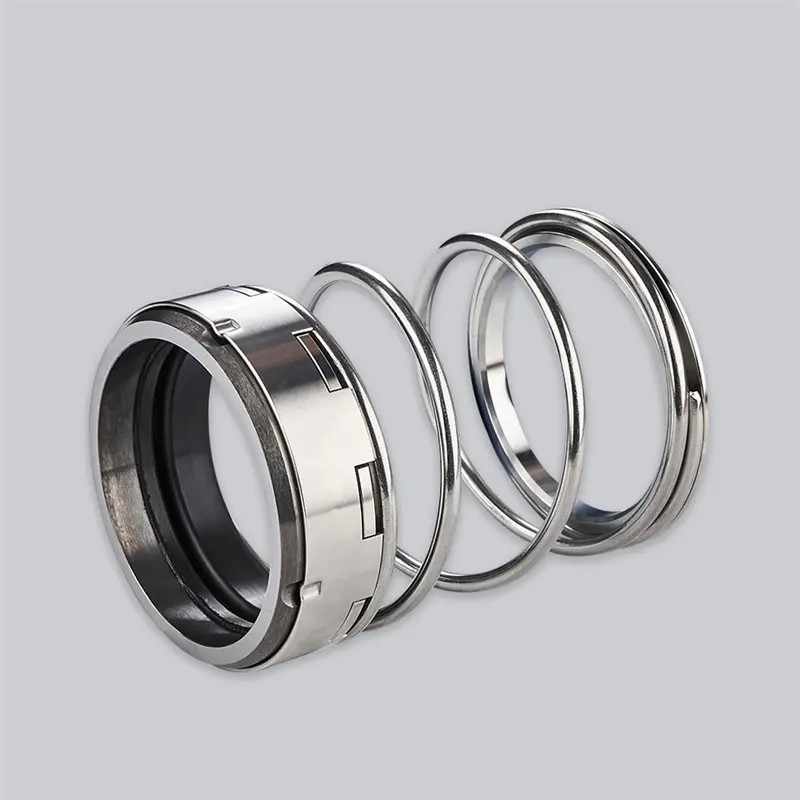
Repair or Replace the Pump Seal
Minor, early-stage leaks can sometimes be fixed by clearing away debris, tightening loose fittings, or cleaning contaminated seal surfaces. However, once a seal shows warping, cracking, heavy scratching, or consistent leaking, full replacement is the only reliable solution.
Running a pump with a damaged seal not only reduces performance but also risks overheating, motor burnout, and permanent damage to the pump housing. For long-lasting, leak-resistant performance, heavy-duty seals made with wear-resistant materials such as M106K+ Carbon and 99.5% Pure Ceramic hold up far better against pool chemicals, debris, and regular operation.
When to Call a Professional
Contact a pool technician if:
- Leaks persist after basic tightening and cleaning.
- Unusual grinding or screeching noises continue.
- Leaks return shortly after seal replacement.
- You notice cracks or structural damage to the pump housing.
Professionals ensure proper alignment and installation to prevent repeat failures.
Preventive Maintenance Tips
Regular maintenance greatly extends seal life and reduces breakdowns:
- Weekly: Skim debris, empty pump baskets, and check pressure.
- Monthly: Clean filters and inspect O-rings; apply pool-safe lubricant as needed.
- Seasonally: Winterize pumps properly by draining or protecting from freezing.
- Annually: Inspect motor bearings and electrical components; schedule professional service.
Tip: Consistent maintenance and high-quality seals reduce long-term repair costs and downtime.
Conclusion
Spotting early signs of a failing pool pump seal can save you from costly repairs and extend your pump’s lifespan. Most issues arise from dry running, debris, misalignment or natural wear, making regular inspections key to reliable performance.
When replacement is needed, choosing durable, chemical-resistant seals like Victor ensures long-lasting protection, reduces repeat failures, and keeps your pool pump running efficiently year-round.
FAQ
What causes pool pump seal failure most often?
The most frequent causes are improper installation, dry running, debris contamination, chemical damage, and natural aging after years of use.
How can I spot early signs of seal failure?
Early signs include water leaks near the pump, unusual noises, reduced water flow, and visible wear on seal components. Regular inspections help catch issues early.
Can a pool pump run with a failed seal?
It can run, but continuing operation risks further damage to the motor, bearings, and housing. Leaks also create electrical hazards and reduce efficiency.
How long does a pool pump seal last?
Most standard seals last 3–5 years. High-quality options like Victor seals can last longer under proper maintenance.
What should I do after seal failure?
Turn off the pump immediately to prevent further damage. Inspect the seal and replace it if worn or broken. Using a premium seal helps avoid repeat issues.