Mechanical pump seals are essential for preventing liquid from leaking out of equipment. Positioned between the spinning shaft and the pump housing, a water pump seal plays a crucial role in protecting systems from water damage and ensuring efficient operation. Victor Mechanical Seals are trusted across many industries for their reliable performance. With over 27 years of experience, Victor offers a wide range of mechanical seal water pump solutions, including specialized water pump seal options and grundfos cr pump seal replacement for seamless installation and long-lasting durability.
Key Takeaways
- Mechanical seals stop leaks in water pumps. They keep fluids inside and help protect nature.
- Taking care of seals often makes them last longer. It also helps pumps work better and saves money on fixing them.
- Picking the best materials for seals helps them work with certain fluids. It also helps them handle different working conditions.
- Knowing the parts of mechanical seals helps you fix problems. It also helps you keep pumps working well.
- Victor Mechanical Seals are known for being strong and dependable. This makes them a good choice for many uses.
What is a mechanical seal?
Definition and function
A mechanical seal is a tool that keeps liquid inside a machine. It is used in things like pumps or mixers. The seal is placed where a spinning shaft goes through a still part of the machine. There are two main pieces in the seal. One piece stays in place on the pump housing. The other piece turns with the shaft. The seal makes a wall that stops water or other liquids from getting out, even when the shaft spins. This helps stop leaks and keeps the machine working well.
Mechanical seals are very important in many machines. They keep liquid from leaking out along the shaft. They also keep the inside of the pump safe. These seals help the pump work better by making sure it is sealed tightly. They also help the pump last longer because they stop leaks from causing damage.
Victor Mechanical Seals is a brand people trust for these products. Victor has been making seals for over 27 years. Their seals are strong and last a long time. They use good materials and test their seals carefully. This makes sure each seal works well, even when things get tough.
Water pump seal applications
Mechanical seals are used in many ways. In water pumps, they stop water from leaking out. This keeps the system safe. You can also find these seals in mixers, boats, and machines that handle chemicals. Water pump seal products from Victor fit right into the equipment. This makes them easy to put in and use.
Some ways people use mechanical seals in water pumps are:
- Keeping water inside the pump and stopping leaks.
- Letting the shaft spin without letting liquid out.
- Making sure the pump works well and does not leak.
Many businesses need these seals to keep their machines safe and working right. Victor Mechanical Seals has answers for many uses, like water pumps, mining, and boats. Their seals help machines run longer and need less fixing. This makes them a smart pick for anyone who needs good sealing products.
Mechanical seal components
Seal faces and materials
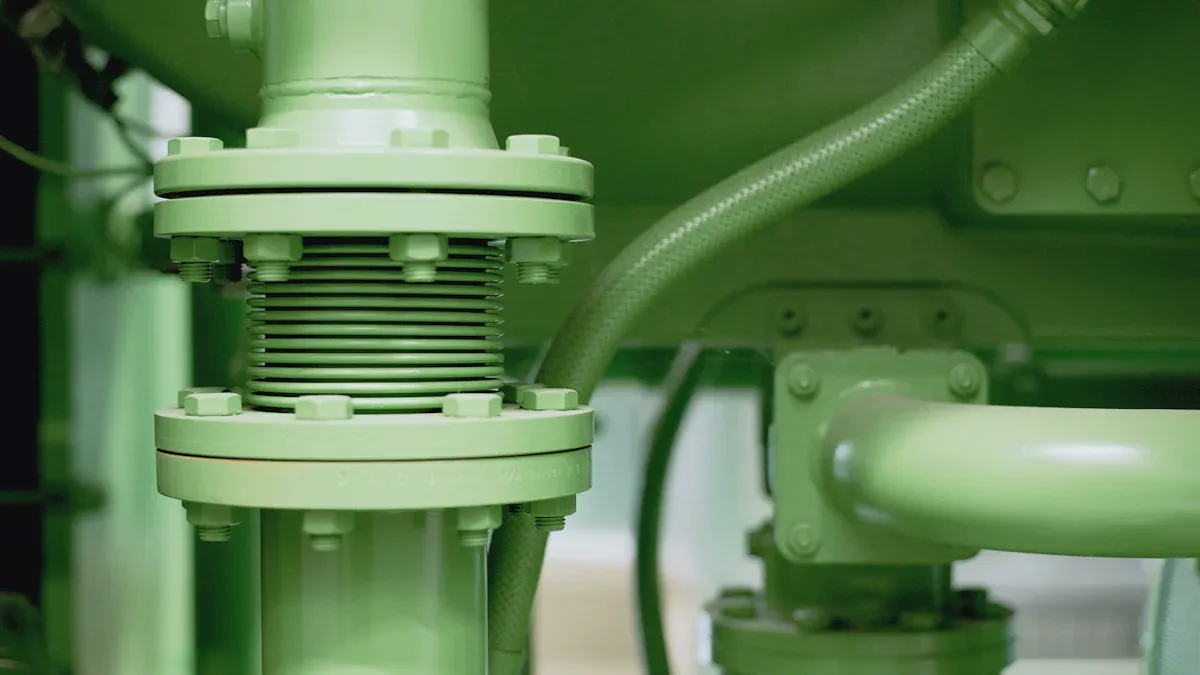
Mechanical seals have different parts that help water pumps work. The two main faces are called the rotating face and the stationary face. The rotating face is attached to the shaft and spins with it. The stationary face stays in one place on the pump housing. These faces push together to stop liquid from leaking. The materials used for these faces are very important in pumps. Victor Mechanical Seals uses tough materials that last a long time.
| Material | Advantages | Limitations |
|---|---|---|
| Carbon Graphite | Handles chemicals well, can lubricate itself | Breaks easily, wears out faster in rough places |
| Silicon Carbide | Very hard, does not rust, works in high heat | Costs more, hard to make special shapes |
| Tungsten Carbide | Strong and hard | Not used for every job |
These materials help seals work in many kinds of machines. Victor checks each seal to make sure it is strong and works well.
Secondary seals and springs
Secondary seals like O-rings, gaskets, and bellows stop leaks between faces and other pump parts. They give extra protection and help the faces move when needed. Springs or bellows push the faces together and keep the seal tight when the shaft moves. Picking the right secondary seals and springs makes mechanical seals work better in pumps and other machines. Victor Mechanical Seals chooses materials for each job so every seal works well in tough places.
Note: Secondary seals and springs are important for stopping leaks and letting faces move. They help seals last longer and work better in many pumps.
Component interaction
All parts of a mechanical seal work together to keep pumps sealed. The rotating face and stationary face push against each other to stop leaks. Secondary seals fill spaces and block liquid from getting out. Springs keep the faces touching, even when the shaft moves. Metal parts hold everything in place and keep the seal lined up. Victor Mechanical Seals tests every part to make sure it is strong and works well. This careful design helps stop problems and keeps water pump seals working in many machines.
How mechanical seals work
Sealing mechanism
Mechanical seals stop leaks where the shaft enters the pump. The sealing mechanism has many parts that fit together carefully. Here is how mechanical seals work in water pumps:
- The seat stays still inside the pump housing.
- A gasket or o-ring keeps the seat tight.
- The rotating part connects to the shaft and spins.
- Another o-ring seals the spinning part to the shaft.
- A spring pushes the two faces together.
- The gland plate holds all the parts in place.
- A clamp ring keeps everything secure.
The main seal forms between the spinning face and the still face. These faces press together and make a barrier. This barrier keeps water or other fluids inside the pump. O-rings and gaskets fill tiny gaps so no liquid escapes. Springs keep the faces pressed together, even if the shaft moves. This design lets mechanical seals handle high pressure and tough jobs.
Victor Mechanical Seals uses CTB testing to check how well their seals handle heat. This testing makes sure the seals work well when temperatures change.
Tip: Each part is designed carefully. This helps mechanical seals work smoothly and stop leaks in water pumps.
Lubrication and cooling
Lubrication is important for mechanical seals. A thin layer of liquid sits between the spinning and still faces. This layer lowers friction and stops the faces from wearing out fast. Lubrication also helps remove heat when the faces rub together. If there is not enough lubrication, the seal can get too hot and break.
Cooling is also important. Good cooling keeps the seal faces at the right temperature. Some water pump seals use extra cooling, like flush plans or cooling jackets. These help stop overheating. Regular maintenance and picking the right materials also help with cooling. These steps help seals last longer and work better.
- Lubrication lowers friction and wear.
- Cooling systems take away heat and stop damage.
- Maintenance and good materials help with both.
Pressure management
Pressure inside the pump can change a lot. Managing pressure is important for mechanical seals. There are different ways to control pressure and keep the seal working:
- Flush plans send clean fluid between the seal faces. This controls pressure and removes heat.
- Barrier fluids act as a buffer. They keep the process fluid away from the seal faces and help with lubrication.
- Pressure equalizing systems balance pressure inside the pump and outside air.
- Springs keep the seal faces pressed together, even if pressure changes.
- Monitoring systems watch the pressure and make changes if needed.
These methods help mechanical seals stay tight, even when the pump faces tough conditions. Victor Mechanical Seals uses strong springs and good materials. This helps their seals handle pressure changes in water pumps and other machines.
Note: Good pressure management helps seals last longer. It keeps water pumps safe and working well.
Water pump seal importance
Leak prevention
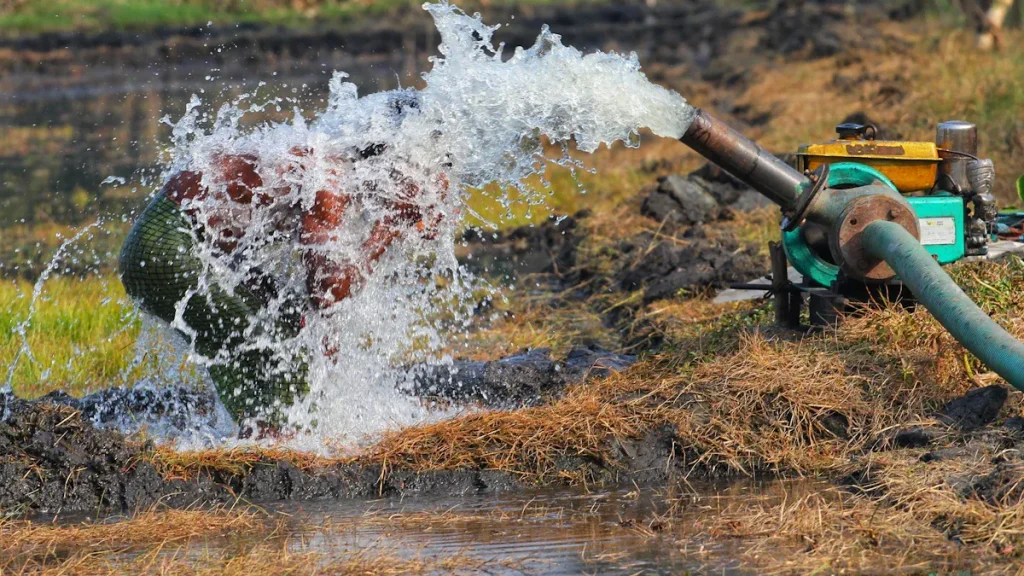
Mechanical seals are very important for stopping leaks in water pumps. These seals have two faces. One face does not move, and the other face spins. Together, they make a tight barrier around the shaft. A thin layer of sealing fluid sits between the faces. This layer helps stop water or other fluids from leaking out. The design keeps the system safe and strong. Mechanical seals can handle tough conditions. They follow strict rules like API 682 to use the right materials and designs. By stopping leaks, these seals help protect nature and save water. They also lower the chance of spills, which makes work safer for everyone.
- Mechanical seals stop leaks in water pumps.
- They help the environment by using barrier fluids that keep bad substances inside.
- Seals save water and help protect resources.
Efficiency and protection
Seals do more than just stop leaks. They help pumps work better by keeping important fluids inside. When a water pump seal works well, the pump runs smoothly and uses less energy. This saves money and helps the equipment last longer. Mechanical seals keep dirt and harmful chemicals out of the pump. They also help meet safety rules and keep workers safe. As technology gets better, seals become even more important for pumps in many jobs.
Pumps with good seals work better and last longer. They need fewer repairs and help companies save money.
Maintenance benefits
Mechanical seals make it easier to take care of water pumps. They are made to handle changes in temperature and pressure, so they do not break often. Good lubrication between the seal faces lowers heat and friction. This helps the seals last longer. Reliable seals make it easier to know when maintenance is needed. This means companies can fix problems before they get worse. It also lowers repair costs and keeps pumps running without long stops.
| Evidence Point | Description |
|---|---|
| Reliability and Efficiency | Mechanical seals improve reliability and efficiency, reducing maintenance. |
| Condition Resistance | Seals handle temperature and pressure changes, so repairs are less frequent. |
| Lubrication and Prediction | Good lubrication and failure prediction lower maintenance needs. |
How long a mechanical seal lasts depends on how it is used. Things like temperature, pressure, and chemicals can change how long the seal works. Good care and careful assembly help seals last longer. If a seal breaks, repairs can cost a lot, and lost work can cost thousands of dollars each hour. Using good seals helps avoid these problems and keeps pumps working their best.
Victor Mechanical Seals is known for high-quality products at good prices. Their seals fit right into the equipment, so they are easy to install. Customers like the strong quality and helpful service from Victor. Picking Victor means pumps work better, maintenance costs go down, and it is a smart choice for any job.
Types and issues of mechanical seals
Common types
Mechanical seals come in different types for water pumps. Each type is made for a special job. Some common types are:
- Single spring seals use one coil spring. This spring pushes the seal faces together. They work best in clean water pumps.
- Multiple spring seals have many small springs. These springs give even pressure. They are good for pumps that spin fast.
- Cartridge seals are sold as a complete unit. They are simple to put in. This helps stop mistakes when setting up.
- Bellows seals use a flexible bellows instead of springs. They work well with chemicals and high heat.
Victor sells both OEM and standard mechanical seal choices. For example, Victor gives OEM pump mechanical seals for ALFA-LAVAL water pumps. These can replace the AES P07 mechanical seal. The company uses strong materials for seal faces. These include carbon graphite, silicon carbide, and tungsten carbide. Elastomers like NBR, EPDM, FKM, and HNBR help seals last longer.
| Product Type | Application | Replacement Seal |
|---|---|---|
| OEM pump mechanical seal | ALFA-LAVAL water pumps | AES P07 mechanical seal |
Typical problems
Mechanical seals can have problems when working. These problems can cause leaks or damage if not fixed fast. The table below lists some common problems and what they mean:
| Problem | Description |
|---|---|
| Heat Checking | Liquids with low specific gravity at high speeds and pressure can cause drips and noise. |
| Blistering | Raised spots on seal faces may show up. This can cause leaks when the faces pull apart. |
| Coking | Black stuff can build up on the seal from high heat or dirty flush water. This makes the seal wear out quickly. |
| Chemical Attack | Pitting and rust can happen if the wrong seal material is used. |
Other problems are deadheading, dry running, and bad venting. Issues like shaft misalignment, coupling imbalance, and dirty seal faces can also hurt seal performance.
Tip: Check your pump often. This helps you find problems early and keeps the pump working well.
Maintenance tips
Taking care of mechanical seals helps them last longer. Here are some easy tips:
- Do not let the seal run dry. This stops overheating and cracks.
- Keep vibration low to protect the seal.
- Use the right lubrication to lower friction and wear.
- Put the seal in the right way to avoid misalignment.
- Check seals often for wear, cracks, or old age.
- Change broken seals quickly to keep the pump working well.
- Follow the maker’s instructions for putting in and changing seals.
Doing these things helps stop common problems. Victor has both standard and OEM seals for many jobs. This makes it easy to find the right seal for any pump.
Mechanical seals are very important in water pumps. They stop leaks and help pumps work well. The main parts are the rotating face, stationary face, secondary seals, and a spring. Victor Mechanical Seals are strong and last a long time. They also help lower how often you need to fix pumps.
- Mechanical seals keep fluid from leaking out of the pump.
- Taking care of seals helps them last longer and work better.
- Good seals mean you spend less money fixing pumps.
| Factor | Description |
|---|---|
| Operating Conditions | Pick a seal that fits the heat, pressure, and fluid. |
| Fluid Compatibility | Choose materials that match the fluid in the pump. |
| Reliability and Maintenance | Use seals that are simple to take care of and last longer. |
Choosing the right seal and taking care of it helps pumps work well for many years.