
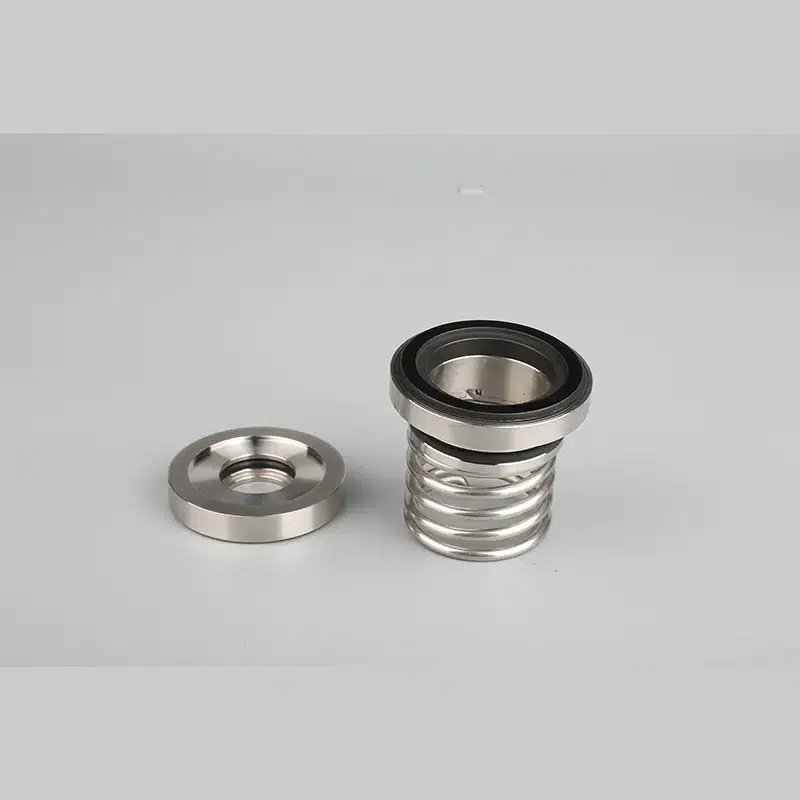
Sizing a mechanical seal correctly is essential for reliable pump operation. An incorrectly sized seal will either leak immediately or fail prematurely. This guide describes a systematic method for measuring key dimensions, verifying application requirements, and selecting the right seal — whether replacing an old seal or installing a new one.
Proper sizing requires accurate measurement of critical components, cross‑referencing with manufacturer specifications, and attention to operating conditions. Using the correct tools and following a repeatable procedure minimizes errors. Standard and OEM seals (such as those offered by Victor) are available for most pump brands, but correct sizing remains the user’s responsibility.
Key Takeaways
- It is very important to measure things correctly. Use dial calipers to check the shaft and housing sizes. This helps the seal fit right.
- Find out the seal type and how it will be used before you measure. Knowing the pump model and fluid type helps you pick the right seal.
- Always check your measurements with the manufacturer’s guide. This makes sure the seal fits and works as needed.
- Make sure the material matches the job. Using the wrong material can cause leaks or break the equipment.
- Do not make mistakes like measuring old, worn seals. Do not forget to check all the details about how it will be used. Careful work stops expensive problems.
Preparation for Measuring Mechanical Seals
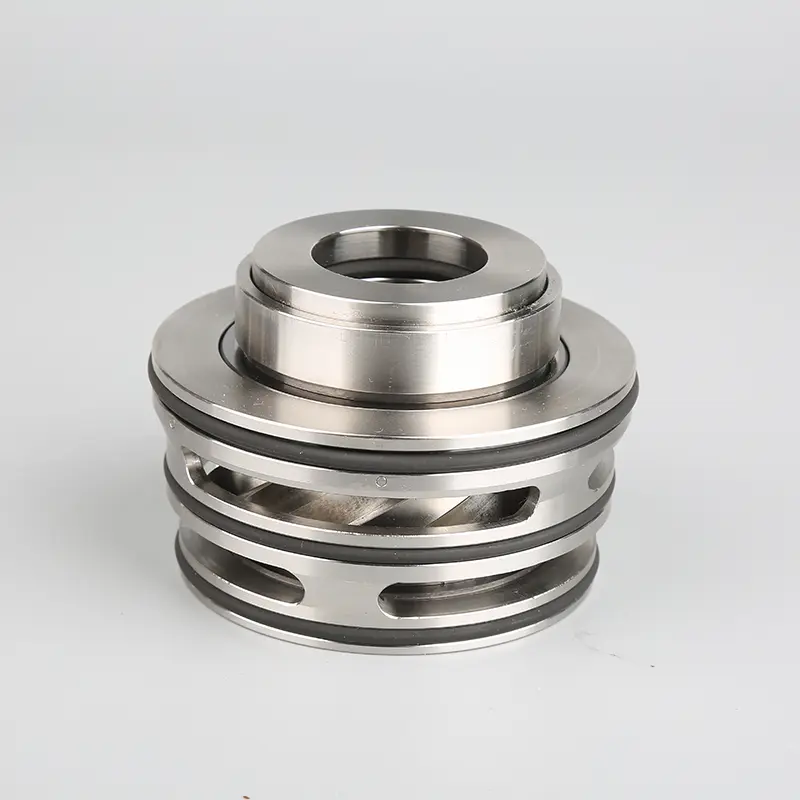
Gather Tools and Safety Gear
You need to get the right tools and safety gear before measuring a mechanical seal. Using the correct tools helps you get good results and keeps everyone safe. Here is a list of what you need:
- Dial calipers or vernier calipers for exact measurements
- Safety glasses to keep your eyes safe from dirt
- Chemical-resistant gloves to protect your hands from bad chemicals
- Clean cloths to wipe parts clean
- Notepad and pen to write down measurements
- Flashlight to see better in small spaces
Workers must clean all pump parts before they start. They should check surfaces that touch each other for damage. Lockout/tagout steps are needed so machines do not turn on by accident. People must make sure all equipment meets the rules. Springs should not be rusty or bent. Seal faces must be smooth so they do not leak.
Tip: Always check the size limits with the maker’s rules so you do not make mistakes.
Identify Seal Type and Application
Before measurement, it is crucial to understand the type of seal and its purpose. Personnel should record the pump model, manufacturer, and any serial numbers on the seal. They need to check for damage or hardening of the elastomer. The color and material of the seal face can reflect the seal’s manufacturing process. It is essential to check whether the seal face is driven by a spring or metal bellows.
To pick the right seal, you should:
- Find out the temperature the seal will handle.
- Know the job and place where the seal will work.
- Pick the seal type that fits these needs.
Checking elastomers for hardness and bendiness shows if they are still good. Make sure the seal works with the fluid, temperature, and chemicals. These steps help the mechanical seal work well in its job.
How to Measure Mechanical Seals
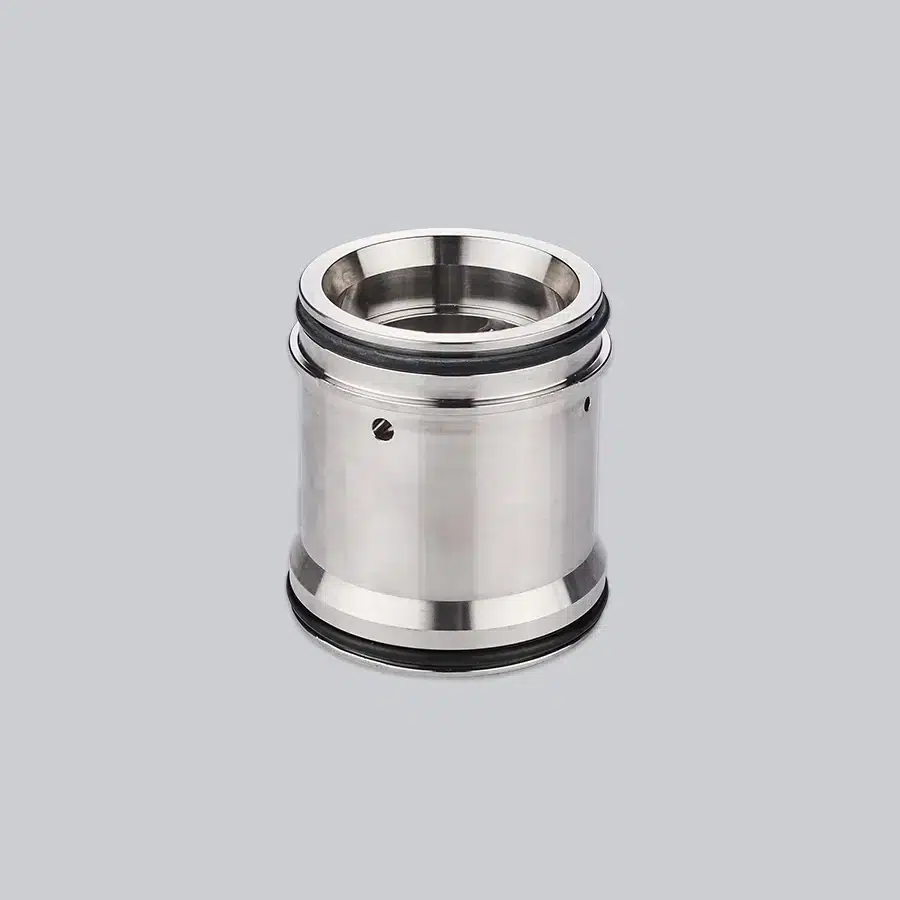
Measure Shaft and Housing Diameters
The workers first measure the diameters of the shaft and housing. These dimensions help them select the appropriate seal size. They use vernier calipers or micrometers for precise measurements. The shaft diameter refers to the inner diameter of the seal surrounding the pump shaft. The housing diameter refers to the diameter of the hole where the seal is housed.
Industry standards set limits for these measurements. The table below shows the permissible tolerances for the shaft and housing diameters:
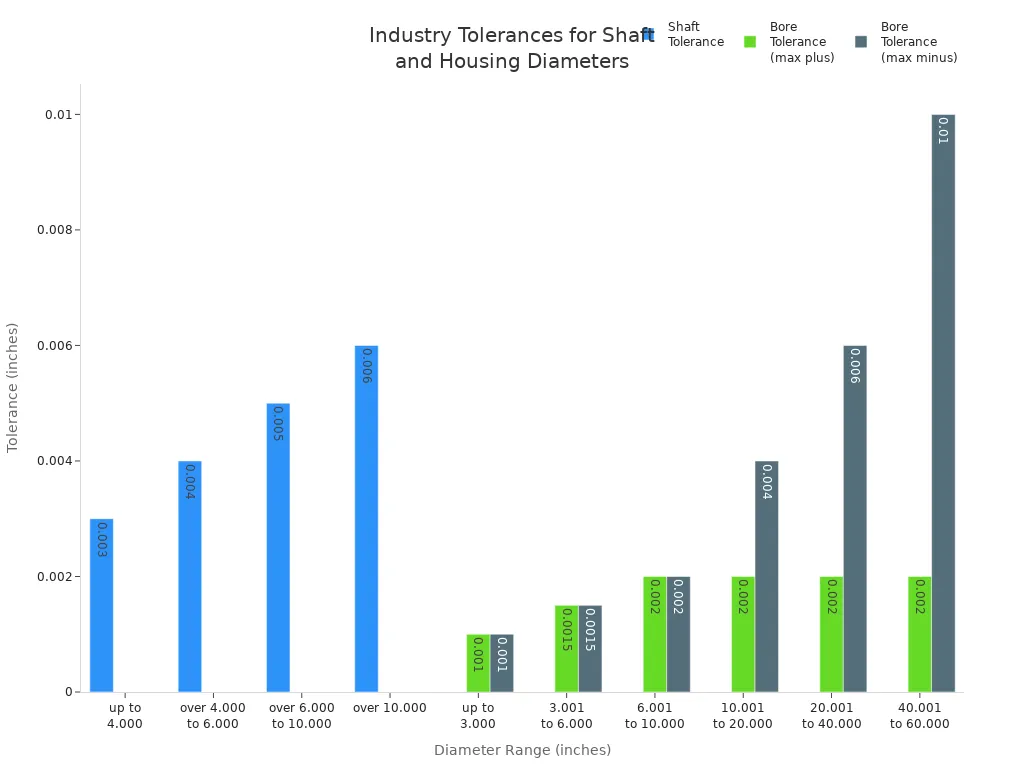
If the shaft diameter changes, the seal may not work right. If the inner diameter is too big, the seal can leak. If it is too small, the seal wears out fast from rubbing. Workers must check these numbers closely so the seal fits and works well.
Measure a Mechanical Seal Size: Key Dimensions
To determine the size of the sealing ring, workers need to check several important dimensions. Manufacturers set these dimensions to facilitate matching the sealing rings. The table below explains the main measurement dimensions:
| Dimension | Description |
|---|---|
| Outside Diameter (OD) | The outer edge of the seal face or gland, measured to make sure it fits. |
| Inside Diameter (ID) | The inner hole where the pump shaft goes through, showing the shaft size. |
| Width | The thickness of the seal, making sure it fits inside the stuffing box. |
Workers follow these steps to measure mechanical seals:
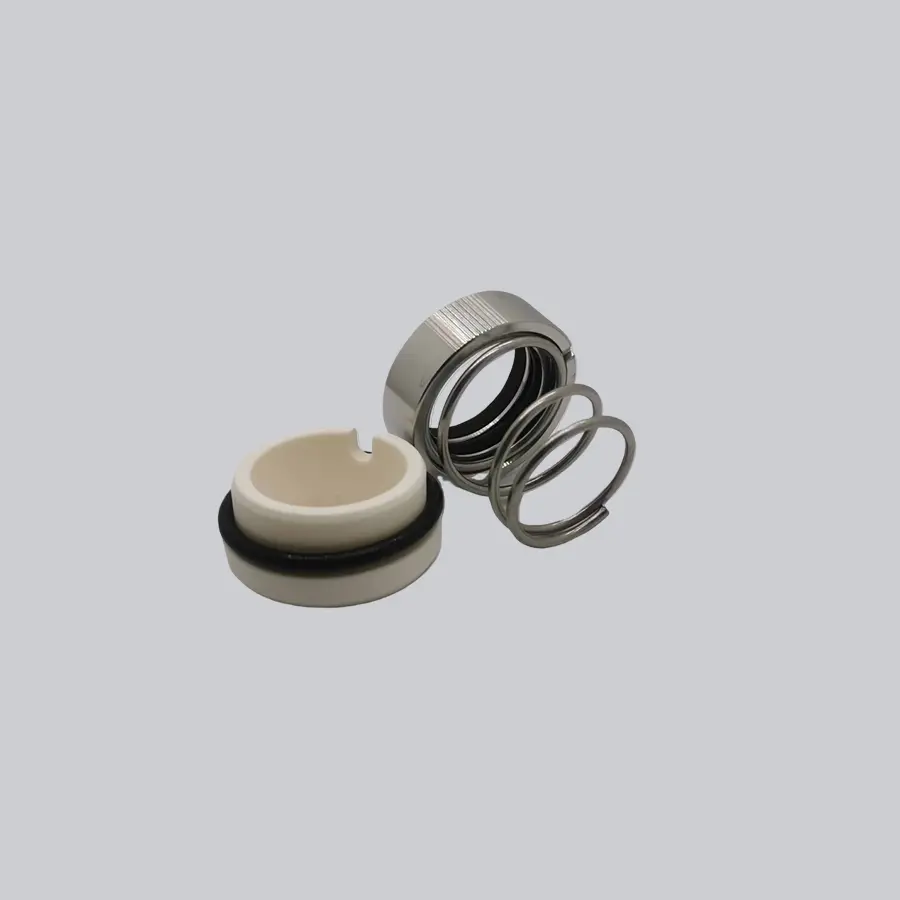
- Take apart the seal into its main pieces: seal head, spring, and stationary seat.
- Measure the inside diameter on the back of the seal head.
- Measure the spring length after taking it off the seal head.
- Measure the outside diameter of the stationary seat.
- Measure the thickness of the stationary seat.
These steps help workers get the right measurements and match the seal to the pump.
Take Accurate and Multiple Measurements
Workers must measure the seal at different locations. They measure the inner diameter, outer diameter, and width three times each, then add the three measurements together and divide by three to obtain the average. This helps to avoid errors caused by wear on parts or tool slippage. In this way, they can determine the actual dimensions of the seal.
Using calipers, micrometers, or height gauges yields good measurement results. Taking the average makes the measurements more accurate and helps prevent leaks. Workers must verify critical dimensions, not just rely on visual inspection. This meticulous work ensures that the mechanical seal is installed correctly and functions as intended.
Tip: Always check your measurements with international rules like API Standard 682 and API 610. These rules help you size and install mechanical seals the right way.
Mechanical Seal Selection and Fit Check
Cross-Reference Manufacturer Specifications
Before selecting new seals, workers must always verify their measurements against the dimensions provided by the manufacturer. This helps ensure the seals are the right size and function properly. Many workers take the following steps: First, they examine the old seals, measuring their inner diameter, outer diameter, width, and any relevant clearances. Then, they compare these dimensions to the drawings and dimensional limits in the manufacturer’s manual or documentation. They also check the material code to confirm its suitability for the chemicals and high-temperature conditions of the working environment. Workers also check the shaft speed specifications and the smoothness of the seal surface. If more information is needed, they request drawings or material certificates from the supplier. For critical machines, they will test seal samples on a workbench or in the field before formal use.
A seal selector tool from Victor or another trusted company can help match the measurements to the right part number. This tool also helps people find seals for both standard and OEM needs. OEM seals often need tighter limits and special materials. Standard seals may have looser limits.
Note: Two seals can be the same size but not work the same if the lip shape or spring tension is different.
Confirm Material and Pressure Requirements
Picking the right mechanical seal means checking more than just the size. The worker must make sure the seal material and design fit the job’s pressure, heat, and chemical needs. The table below shows what to check:
| Requirement Type | Details |
|---|---|
| Pressure | The pressure in the seal chamber and the seal size decide if a balanced or unbalanced seal is best. |
| Material Selection | Look at temperature limits, chemical resistance, flexibility, wear resistance, and thermal properties. |
| Operating Parameters | Know the temperature, pressure, speed, and type of fluid (liquid, gas, or solid) in the system. |
Heat changes can make seals grow or shrink. This can cause leaks or extra wear. High heat can also make elastomers hard or cracked. Chemical match is important because the wrong material can break down and stop working. A seal selector helps people check these things and pick the best seal for the job.
Common Sizing Mistakes to Avoid
Measuring Worn or Damaged Seals
Many workers make mistakes when they measure seals that are worn out or broken. Sometimes, they use old seals to check the size without seeing if the seal has changed shape or size. This can make the seal leak or break too soon. Workers should look at the seal rings, springs, and other parts for cracks or chips. They also need to check if any parts are flat or damaged. The gland, bushings, and sealing chamber should be checked for problems too.
Workers should follow the steps for putting in the seal and make sure the pump and motor line up right. If the seal is put in wrong or not lined up, it can get squeezed too much or too little. This can make the seal break. Cleaning and using the right oil helps stop these problems.
Overlooking Application Details
Some workers forget to think about where the seal will be used. They might not write down the pump model, what kind of fluid is used, or the temperature. This can make them pick a seal that does not fit the job.
Tip: Always check the pressure, temperature, and speed before you pick a seal.
A seal that works in one pump might not work in another if things change. Workers should look at old seal problems and know what the equipment needs. This helps them not make the same mistake again.
Ignoring Material Compatibility
Picking the wrong material for a seal can cause lots of trouble. If the seal does not match the fluid, it can leak. This wastes product and costs more to fix. The wrong material can also break, making the machine stop working.
| Risk Type | Description |
|---|---|
| Increased Leakage | Fluids that do not match the seal can leak out and waste product. |
| Reduced Equipment Uptime | If the seal fails, the machine stops and cannot work. |
| Elevated Maintenance Costs | You have to refill or fix the machine more often, which costs more. |
| Safety Hazards | Leaks can let out dangerous chemicals and hurt workers. |
| Environmental Risks | Leaks can harm nature and hurt animals and plants. |
| Compromised System Performance | The wrong material makes the seal wear out and the machine does not work as well. |
Workers should always pick a seal material that matches the chemicals, heat, and pressure in the system. This keeps the machine safe and working well.
Conclusion
Proper seal sizing requires careful measurement, the right tools, and verification against manufacturer data. Following each step systematically prevents errors and extends seal life. Reliable suppliers such as Victor offer quality standard and OEM seals, but always confirm your measurements and application conditions before ordering.
FAQ
What tools work best for measuring a mechanical seal?
A worker gets the best results with dial calipers or vernier calipers. These tools give accurate readings for shaft and housing diameters. Safety gloves and a clean cloth help keep the parts safe and clean during measurement.
Can someone reuse an old mechanical seal?
Reusing an old seal is not recommended. Old seals may have hidden damage or wear. A new seal ensures proper fit and leak-free operation.
How does a person know if the seal material matches the application?
A worker checks the chemical, temperature, and pressure limits for both the seal and the system. Manufacturer catalogs or a seal selector tool help match the right material to the job.
What happens if the seal size is slightly off?
| Problem | Result |
|---|---|
| Too Large | Seal may leak |
| Too Small | Seal wears out quickly |
A wrong size can cause leaks or fast wear. Always measure carefully.
Where can someone find replacement seals for many pump brands?
Victor offers standard and OEM mechanical seals that fit many global pump brands. Their catalog and support team help users find the right replacement quickly.