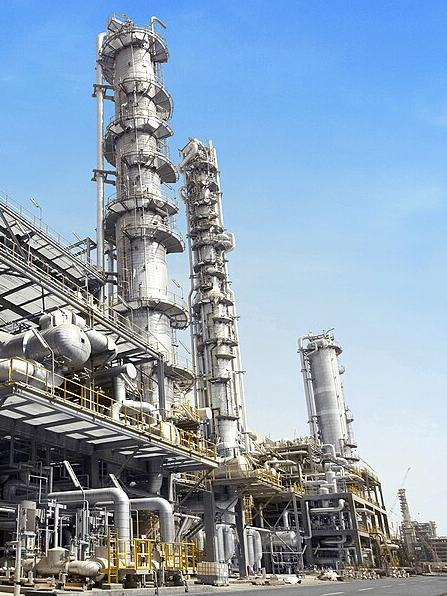
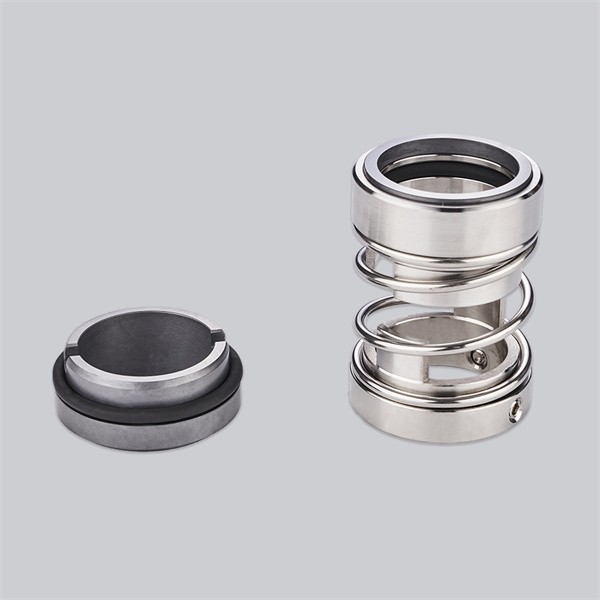
In most application scenarios, the service life of pump seals typically ranges from one to five years. Victor is a renowned manufacturer of mechanical seals. They subject their products to extensive testing to ensure superior performance. Most of their seals have a service life of at least two years, while some products can last for three years or even longer. The specific service life of a seal depends on its operating conditions and the materials used in its construction. For example:
| Material Type | Key Properties | Impact on Longevity |
|---|---|---|
| Silicon Carbide | Very hard and moves heat well | Good for fast machines that get hot |
| Tungsten Carbide | Does not wear out easily | Lasts longer in rough places |
| Elastomers (e.g., Viton™, EPDM) | Works with many chemicals and heat | Stops damage in tough places |
Key Takeaways
- Pump seals usually last from one to five years. How long they last depends on how you use them and what they are made of. Pick the right seal for your job to help it last longer.
- It is very important to install seals the right way. Always follow the manufacturer’s instructions. This helps the seal fit well and keeps it from failing early.
- Doing regular maintenance helps seals last longer. Check seals every month for leaks, damage, or if they are not lined up right. This can stop expensive problems before they start.
- Watch how the seal works all the time. Look for leaks, strange sounds, or more heat. These signs can help you find problems early.
- Using good quality seals, like ones from Victor, can help the pump work better. They also last longer, even in tough places.
Pump Mechanical Seals Lifespan
Average Lifetime by Industry
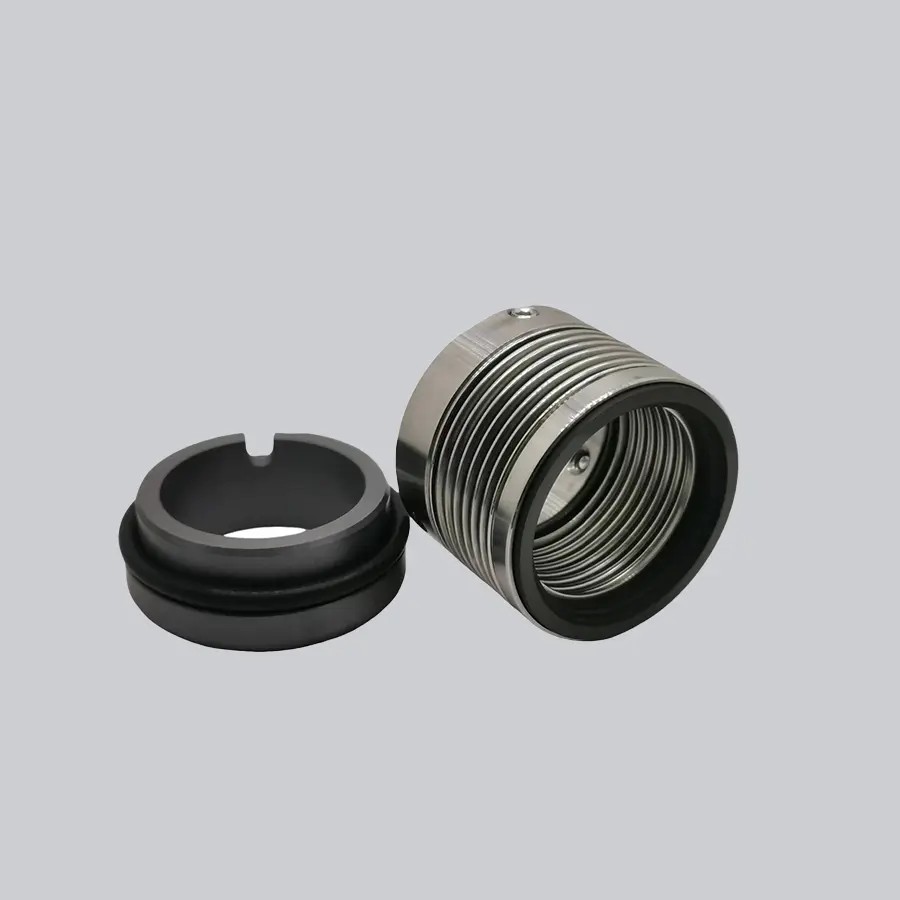
Pump mechanical seals are important in many industries. How long they last depends on where and how they are used. Maintenance also matters a lot. Victor’s mechanical seals go through tough tests like the CTB test. These tests make sure the seals work well in hard places.
Different jobs see seals last for different times. Here are some common lifespans:
- In the chemical industry, pump mechanical seals last 2 to 5 years. Chemicals can be harsh, so seals must fight off rust and damage.
- Water treatment plants often have seals that last 3 to 5 years. Clean water and good care help seals last longer.
- Oil and gas places may see seals last 5 to 10 years. Good setup and care help seals last longer and stop problems.
Pump seals can last longer if engineers pick the right materials. They should also use good methods. Victor’s seals fit right into many pumps. They work well with big brands. This helps seals meet what industries need and keep working well.
Note: If a mechanical seal fails in less than two years, something may be wrong. It could be a problem with how it was put in, the material, or how it is used. Always look for warning signs and follow what the maker says.
Factors Affecting Mechanical Seal Lifespan
Many things change how long a mechanical seal lasts. Knowing these things helps people make seals last longer and stop sudden problems.
- Pump alignment matters for seals. If the pump and motor are not lined up, the seal gets stressed and does not last as long.
- Too much shaking wears out seals fast. People should watch for too much vibration to keep seals safe.
- Heat and pressure change how long seals last. High heat can make elastomers too hard or too soft. Too much pressure can bend seal faces.
- The kind of fluid matters too. Rough or harsh fluids need special seals. Victor’s seals use silicon carbide and tungsten carbide to stop wear and damage from chemicals.
- Things like dust, dirt, and water can get into the seal area. Good sealing and care keep out bad stuff and help seals last longer.
Tip: Check seals often and change worn parts quickly. This stops more damage and helps seals last longer.
Rules about the environment also matter for seals. Mechanical seals stop leaks and help protect nature. Dual mechanical seals give extra safety, especially where rules are strict.
Victor’s mechanical seals undergo rigorous strength testing and offer a long service life. Selecting high-quality seals and adopting proper usage practices can extend their lifespan and minimize downtime.
Maximizing Pump Seal Lifetime
Installation Quality
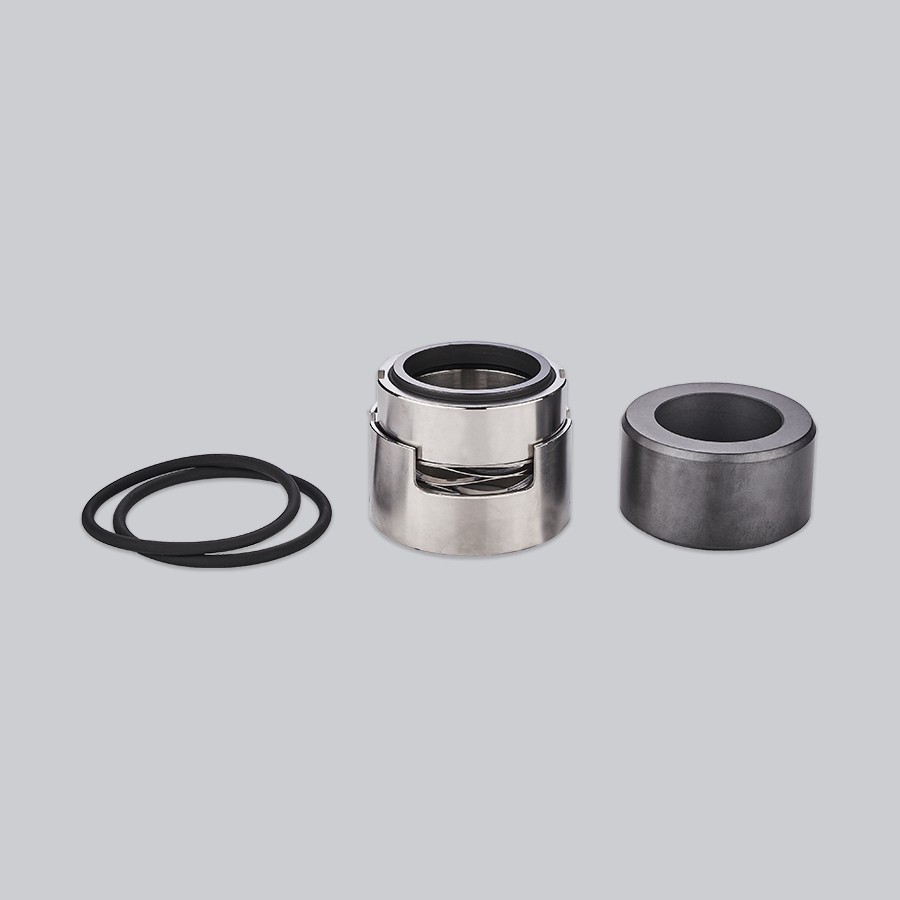
How you install a seal is very important. If workers follow the right steps, seals last longer and work better. The table below shows the best ways to install seals:
| Best Practice | Description |
|---|---|
| Follow Manufacturer Guidelines | Use the correct torque and assembly steps for each seal. |
| Cleanliness Is Key | Keep all parts clean and dry to avoid damage. |
| Check Shaft Condition | Make sure the shaft is smooth and free of scratches. |
| Proper Gland Bolt Torque | Tighten bolts evenly to prevent leaks and distortion. |
| Rotate Shaft by Hand | Turn the shaft to check for smooth movement and correct seal seating. |
| Eliminate Air Pockets | Prime the pump and flush the seal chamber to stop dry running. |
If you make mistakes when putting in a seal, it can break early. Some common mistakes are not lining up the parts, making bolts too tight, or scratching the seal faces. Workers should always look at each part before they start. Victor’s OEM fitment means their seals fit big brands well. This helps make installation better and helps seals last longer.
Maintenance Tips
Taking care of seals helps them last longer. Workers should make a schedule for checking seals and follow it. The table below shows important things to do for pump seal care:
| Maintenance Routine | Description |
|---|---|
| Proper Lubrication | Keeps a fluid film between seal faces to reduce heat and friction. |
| Regular Inspections | Finds leaks or wear early for quick repairs. |
| Temperature Control | Stops seal material from breaking down in extreme heat or cold. |
| Vibration Reduction | Reduces wear by keeping the pump steady. |
| Fluid Compatibility | Uses the right seal material for the fluid in the pump. |
Workers should clean and oil seal parts often. They should also look for leaks and check for shaking. Storing seals the right way is important too. Seals should be kept in a cool, dry place to stay in good shape and last longer.
Monitoring Pump Shaft Seal Performance
Watching the pump shaft seal helps find problems early. Workers can measure how much water goes in and out, check if the temperature changes, and watch the drain flow. These steps help show if the seal is getting worn out. The table below lists helpful things to measure:
| Measurement Type | Description |
|---|---|
| Water inflow and outflow | Shows changes in seal performance over time. |
| Temperature difference | Finds heat build-up that may signal seal wear. |
| Drain flow | A drop can mean the seal needs attention soon. |
Checking seals all the time helps stop surprise breakdowns and makes them last longer. Using these tools helps workers fix things before they break. Victor’s mechanical seals are strong and last a long time. They are a good choice for people who want seals they can trust and easy pump seal care.
Signs of Pump Seal Wear
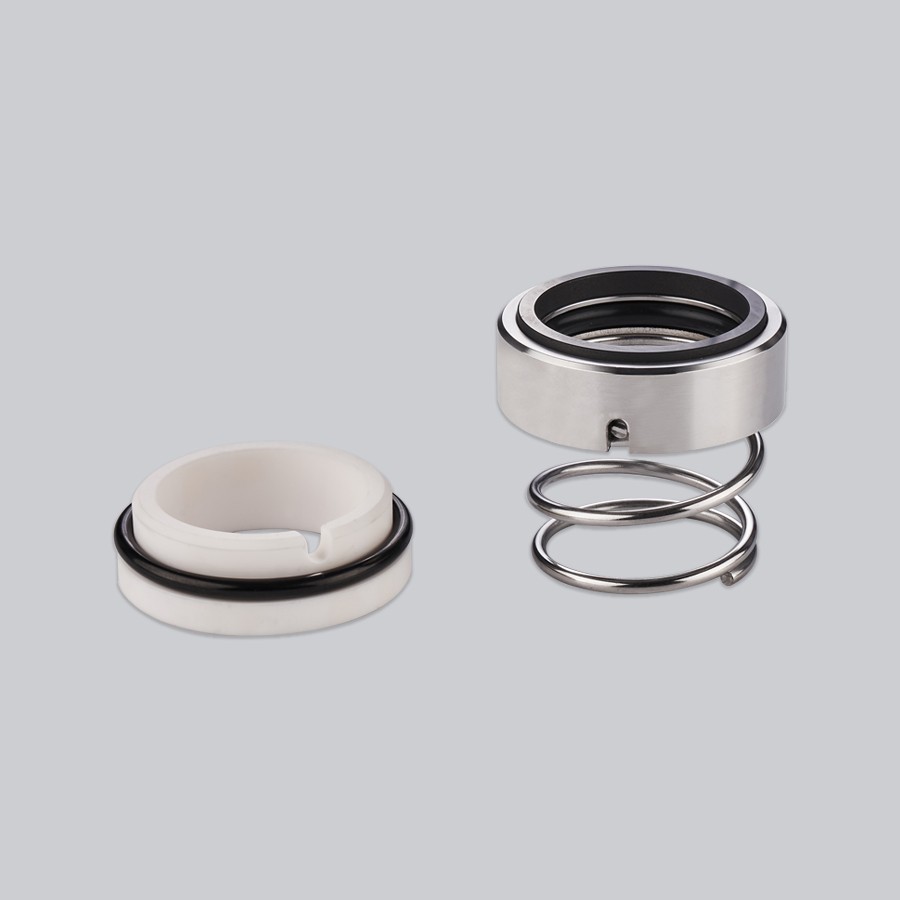
Common Symptoms
Pump seals give clear signs when they start to wear out. Workers can find these signs early and stop bigger problems. Here are some common signs:
- You might see leaks around the seal. Even small drips mean the seal is not working right.
- The pump may make strange noises. Grinding or squealing sounds can mean the seal faces are hurt.
- The pump might shake more than usual. This can show the seal is worn or not lined up.
- The area near the seal can get hotter. Heat builds up when the seal faces do not fit well.
- Workers may need to check or tighten the seal a lot. If this happens often, the seal may be almost done.
Victor’s mechanical seals work well in tough places. They use PTFE and silicone to handle very hot or cold spots. Field data and what customers say show Victor seals last, even with rough stuff or lots of starts and stops.
Tip: Check seals often to find these signs early. This helps stop sudden pump problems and keeps things running well.
When to Replace Pump Shaft Seal
Knowing when to change a pump shaft seal saves money and time. The table below shows important signs and what they mean:
| Indicator | Description |
|---|---|
| Visible Leaks | Any dripping or spraying from the seal area is a main sign of wear or failure. |
| Increased Maintenance Needs | If you must tighten or fix the seal a lot, it means the seal is almost done. |
| Performance Decline | Lower flow, pressure changes, or more energy use can mean the seal is not working well. |
| Excessive Wear or Damage | Look for cracked, worn, or rusty seal faces when you check, especially in mechanical seals. |
Changing pump shaft seals at the right time is important. Small problems in a seal can turn into bigger issues if not fixed. Checking seals often and using good ones helps stop equipment from breaking. Inspections can find uneven heat or pressure on the seal face before things get worse.
Changing seals when needed keeps pumps working well. Too many changes can cost more and take more time. Bad seals can let dirt or other stuff into the pump, which can hurt the fluid and cause trouble with rules. Watching seals closely and acting fast helps seals last longer and stops sudden pump problems.
Pump mechanical seals can last from one to five years. How long they last depends on the type and how people use them. Things like what they are made of, heat, pressure, and putting them in the right way matter a lot.
FAQ
How often should someone check pump seals?
People should check pump seals every month. Regular checks help find leaks or wear early. This keeps pumps working well and avoids big problems.
What causes pump seals to fail early?
Pump seals can fail early from poor installation, wrong material choice, or harsh fluids. High heat or vibration also shortens seal life. Knowing seal application limits helps prevent early failure.
Can a pump run with a worn seal?
A pump can run with a worn seal, but leaks and damage may happen. Running with a bad seal can hurt the pump and cause downtime. Replacing seals quickly protects equipment.
How does seal performance behavior change over time?
Seal performance behavior can change as seals wear out. Leaks, noise, or heat may increase. Regular checks help spot these changes before bigger problems start.
Why choose Victor mechanical seals?
Victor mechanical seals last longer because they use strong materials and pass tough tests. They fit many pumps and work well in hard jobs. People trust Victor for reliable sealing.