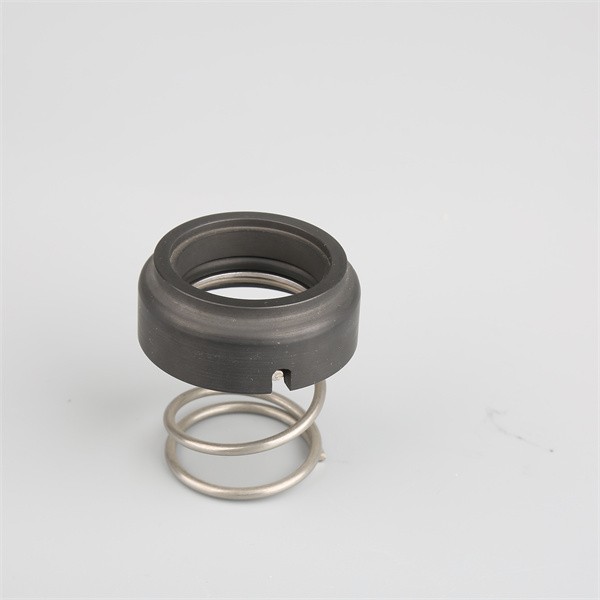
Most pumps feature either a single mechanical seal or a double mechanical seal. Mechanical seals prevent fluid leakage by creating a tight interface between two primary faces: one stationary face affixed to the pump housing, and a rotating face that moves with the drive shaft. A spring component maintains consistent pressure between the faces to retain internal fluids. Victor is a reputable manufacturer with extensive industry experience, producing high-performance mechanical seals for diverse industrial applications. Proper seal configuration is critical to enhancing operational safety and pump efficiency.
Single mechanical seals are utilized in approximately 52% of industrial pumping systems.Double mechanical seals are gaining increased adoption across industries due to heightened safety and emission control requirements.
Key Takeaways
- Pumps are typically equipped with one or two mechanical seals to prevent fluid leakage.
- Single mechanical seals feature a simple, cost-effective design ideal for clean fluids and compact installation spaces.
- Double mechanical seals offer enhanced safety for hazardous fluids and extreme high-pressure applications.
- Seal selection depends on fluid properties, operating conditions, and regulatory safety standards.
- Regular inspection and maintenance are essential to ensure reliable sealing performance and prevent unexpected failures.
Single Mechanical Seal (One Seal)
What Is a Single Mechanical Seal
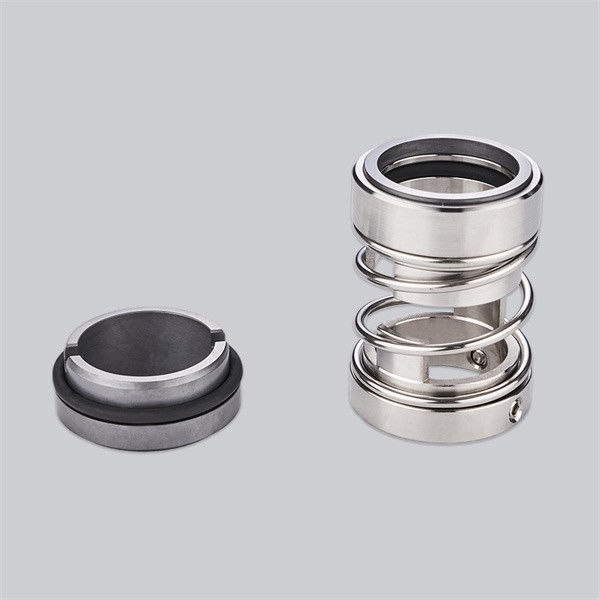
A single mechanical seal consists of a set of sealing end faces used to seal process fluids. The fixed end face is mounted on the pump casing, while the mating end face rotates synchronously with the drive shaft. Spring pressure maintains contact between the end face and the pump casing. It has a compact structure, simple design, and is easy to install and maintain.
The table below shows the main differences between a single mechanical seal and a double mechanical seal:
| Feature | Single Mechanical Seal | Double Mechanical Seal |
|---|---|---|
| Sealing Surfaces | One set of sealing surfaces | Two sets of sealing surfaces (inner and outer) |
| Configuration | Simple design | Back-to-back or tandem configurations |
| Barrier/Buffer Fluid | Not applicable | Barrier or buffer fluid required |
| Applications | Water, oil, organic solvents, mild corrosives | Flammable, toxic, explosive, abrasive media |
| Auxiliary System | Not required | Mandatory support system |
A single mechanical seal works best with clean or safe fluids. It does not need extra cooling or oil. This makes it a good choice for many jobs. The simple shape means there are fewer parts to break.
Common Applications for Single Seals
Many industries use single mechanical seals because they work well and are simple to use. The table below lists some common industries and how they use these seals:
| Industry | Description |
|---|---|
| Oil and Gas | Used for fluid handling in extraction and processing. |
| Chemical | Essential in chemical processes where leakage risk is manageable. |
| Pharmaceutical | Used in the production of drugs and medical products. |
| Pulp and Paper | Important in making paper products. |
| Power | Applied in energy generation systems. |
| Water and Wastewater | Used in treatment and distribution systems. |
| Mining | Employed in equipment handling fluids in mining operations. |
| Food and Beverage | Used in processing and handling food products. |
Single mechanical seals are picked when space is tight. Their small size lets them fit where double seals cannot. They also work well under normal conditions. Many companies choose single seals because they cost less and are easier to fix.
Note: Single mechanical seals can last a long time if used right. The average life of a seal is about 27.5 months. But they need regular checks because they cause many pump problems.
Double Mechanical Seal (Two Seals)

What Is a Double Mechanical Seal
A double mechanical seal consists of two sets of sealing surfaces: an inner seal facing the process fluid and an outer seal facing the external environment. A barrier fluid or buffer circulates between the two sealing surfaces, providing cooling and lubrication while preventing leakage. This design offers excellent leak protection for hazardous fluids, even under extreme pressure and temperature conditions.
Scenarios Requiring Double Mechanical Seal
Double mechanical seals are specified for high-safety applications involving toxic, flammable, or explosive fluids. They also protect pumps handling abrasive slurries and aggressive chemicals, and are commonly required for high-pressure and extreme-temperature operations.
The table below shows where double seals are used and the types:
| Application Area | Common Seal Types |
|---|---|
| Chemical Processing | Double seals, non-pusher seals |
| Food and Beverage | Dry gas seals, cartridge seals |
| Pharmaceuticals | Dry-running seals, double seals |
| Wastewater Treatment | Balanced seals |
Safety rules are important when picking a double mechanical seal. Certifications like ATEX, UL/cUL, IECEx, and CE marking show the seal is safe for risky places. The table below explains what these certifications mean:
| Certification | Description |
|---|---|
| ATEX | Makes sure equipment is safe in explosive places and sorts risky areas into zones. |
| UL/cUL | Shows the product meets North American safety rules for things like pumps. |
| IECEx | Gives a world safety check for equipment in explosive places and keeps safety high. |
| CE marking | Shows the product meets health and safety rules in Europe. |
Tip: Picking the right double mechanical seal makes pumps safer and last longer. Victor’s experts can help choose the best seal for each job.
Factors That Determine the Number of Seals
Fluid Characteristics and Hazard Level
Fluid composition directly influences seal requirements. Chemical aggressiveness may degrade seal materials, leading to premature failure, while abrasive particulates cause face scratching and accelerated wear. Elevated fluid temperatures can compromise seal integrity. Compatibility with fluid pH, viscosity, and chemical composition is critical to prevent swelling, corrosion, or brittleness. Pumps handling hazardous fluids typically require double or tandem seals with buffer fluid systems to prevent emissions and ensure safety.
Operating Pressure and Temperature Range
Extreme pressure and temperature conditions dictate seal quantity requirements. High pressure can force fluid past sealing faces, while excessive heat causes thermal distortion and reduced sealing efficiency.
| Feature | Single Mechanical Seal | Double Mechanical Seal |
|---|---|---|
| Operational Conditions | Limited range | Broader tolerance |
| High Pressure Capability | Unsuitable | Recommended |
| High Temperature Tolerance | Limited | Enhanced |
| Leakage Protection | Basic containment | Advanced zero-emission control |
Seal elastomers have defined temperature limits: nitrile rubber operates from -40°F to 250°F, fluorocarbon rubber withstands up to 400°F, and specialized agitator seals can exceed 500°F. Proper material selection ensures safe and reliable operation.
Environmental and Safety Compliance Requirements
Industry regulations govern seal selection and emission limits. Standard API 682 specifies leakage restrictions of less than 1000 mL/m³ for chemical processing facilities, often necessitating double mechanical seals for compliance. Non-compliance can result in regulatory penalties, emphasizing the importance of adhering to environmental standards. Seals installed in hazardous locations must meet strict safety certifications to protect personnel and ecosystems.
Tip: Always verify regional and industry safety regulations prior to selecting a pump sealing system.
How to Tell How Many Seals Your Pump Has
Visual Inspection
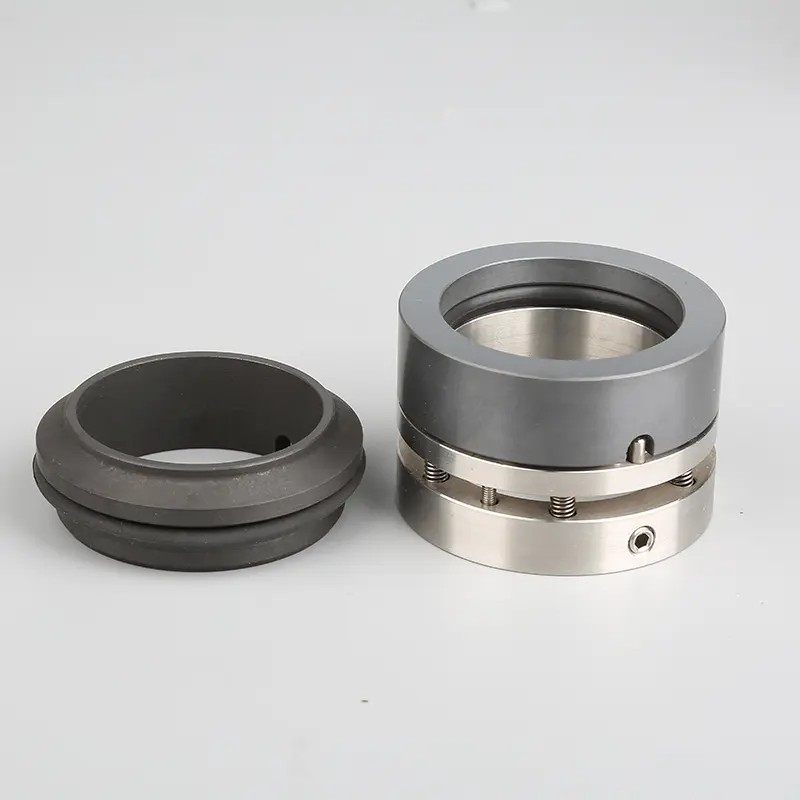
The seal chamber provides clear visual indicators. Single seals typically feature a compact seal housing, while double seals require an extended chamber with external ports for barrier fluid lines. Additional fittings and tubing connections confirm dual seal configuration. Equipment labels and identification tags may also specify seal quantity and type.
Check the Manufacturer’s Documentation
The pump’s operating manual and technical data sheets provide clear specifications regarding seal configuration and quantity, and often include detailed assembly drawings. If a paper manual is unavailable, electronic documents can be obtained from the manufacturer’s website. Victor provides comprehensive technical specifications for all seal models to ensure correct identification.
Review Maintenance Records
Historical maintenance logs document seal replacement history, including previous seal types and any upgrades from single to double seals for enhanced safety. Most mechanical seals operate for 6,000 to 10,000 hours before requiring replacement. Maintenance records help track leakage patterns and schedule preventive replacements, clarifying current sealing configuration.
Maintenance logs typically document:
- Seal replacement dates
- Installed seal type and model
- Leakage and wear observations
- Single-to-double seal upgrades
Conclusion
Pumps are designed with either one or two mechanical seals depending on fluid characteristics, operating conditions, and safety regulations. Choosing the correct seal configuration is critical to ensuring reliable leakage control, protecting personnel and the environment, and maximizing pump service life.
Victor combines years of engineering expertise with high-quality materials to deliver durable single and double mechanical seals that meet global industry standards. By fully evaluating fluid compatibility, pressure and temperature ranges, and compliance requirements, you can select the ideal seal arrangement for your application.
FAQ
How does a mechanical seal prevent leaks in a pump?
A mechanical seal creates a tight barrier between two precision-machined faces. One face remains stationary while the other rotates with the shaft, preventing fluid from escaping along the drive shaft.
Can a pump use more than two mechanical seals?
Most industrial pumps utilize either one or two seals. Specialized applications may employ additional sealing stages, though double seals sufficiently address the majority of high-demand conditions.
When should someone choose a double mechanical seal?
Double mechanical seals are recommended for:
- Hazardous, toxic, or flammable fluids
- Extreme high-pressure and high-temperature environments
- Applications with strict emissions regulations
How often should mechanical seals be checked or replaced?
Mechanical seals should be inspected during routine pump maintenance. Typical service life ranges from 6,000 to 10,000 operating hours, with replacement recommended upon signs of leakage, abnormal noise, or visible wear.