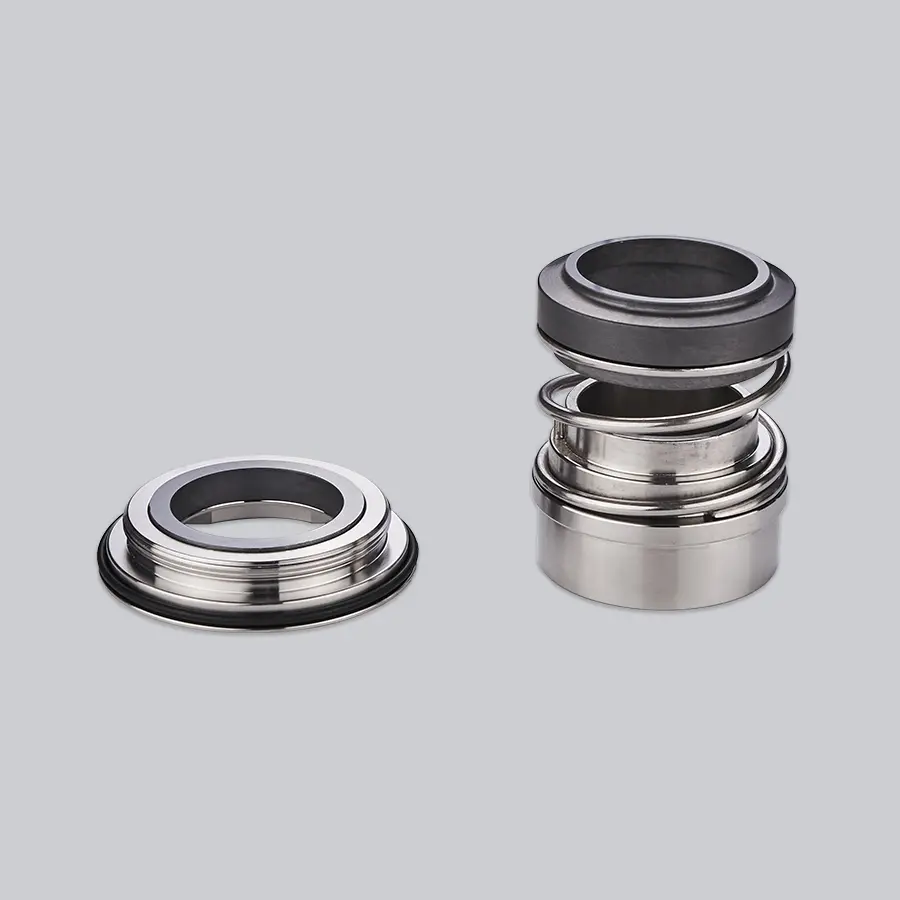
The cost to replace a mechanical shaft seal (industrial pump seal) can vary significantly based on equipment type, seal design, materials, and service conditions. For standard centrifugal pumps, professional replacement typically ranges from $400 to $1,200. For DIY replacement (trained personnel only), parts-only cost starts around $250. Several key factors influence total expense:
- Seal type (component vs. cartridge, single vs. double)
- Material grade (carbon, silicon carbide, alloy, high-temperature elastomers)
- Regional industrial labor rates
- Choice between OEM or premium aftermarket brands such as Victor
Key Takeaways
- Mechanical shaft seal replacement costs range from $250 (parts-only DIY) to $1,200+ (complex professional installations).
- Always obtain 3–5 detailed quotes from industrial pump repair shops to compare pricing.
- Premium aftermarket seals like Victor Mechanical Seals match OEM performance at 20–40% lower cost.
- Fixing small leaks early avoids catastrophic failure and cuts long-term costs by 3–5x.
- Complex cartridge seals, double seals, and deep-set seals require certified technicians to avoid misalignment and repeat failures.
Shaft Seal Replacement Cost Range
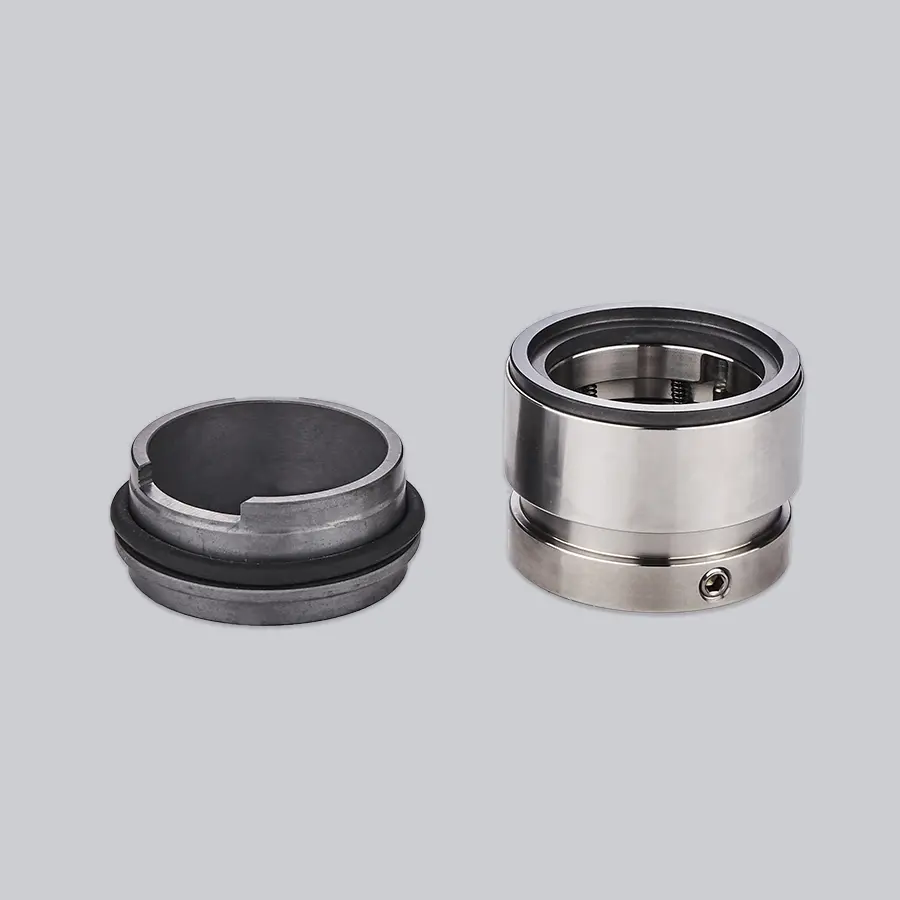
Average Cost Breakdown
Costs depend on seal type, accessibility, and pump size.
- Standard small/medium centrifugal pumps: $350–$600 (parts + labor)
- Heavy-duty / high-pressure pumps: $700–$1,200+
- Cartridge seals / double seals: $600–$1,500+
Tip: Always request itemized estimates from industrial service providers—costs vary widely by region and equipment model.
What the Cost Includes
Professional mechanical seal replacement includes far more than just the seal:
- Seal parts: Mechanical seal assembly + wear components
- Labor: Disassembly, seal installation, precision alignment, reassembly
- Fluid replacement: Barrier fluid, process fluid, or lubricant top-up
- Hardware: Single-use bolts, gaskets, O-rings, sleeves
- Sensors/accessories: Repair or replacement of proximity switches, vibration sensors
- Shop fees: Inspection, testing, hazmat disposal, overhead
Typical cost breakdown (USD):
| Item | Realistic Cost Range |
|---|---|
| Mechanical Seal (component/cartridge) | $80 – $450 |
| Labor (2–6 hours) | $200 – $900 |
| Fluid/Barrier Fluid Replacement | $40 – $180 |
| Hardware/Gaskets/Fasteners | $20 – $200 |
| Diagnostic/Shop/Disposal Fees | $30 – $150 |
Always review estimates carefully to understand all included services.
Key Factors Affecting Shaft Seal Replacement Cost
Parts Cost vs. Labor Cost
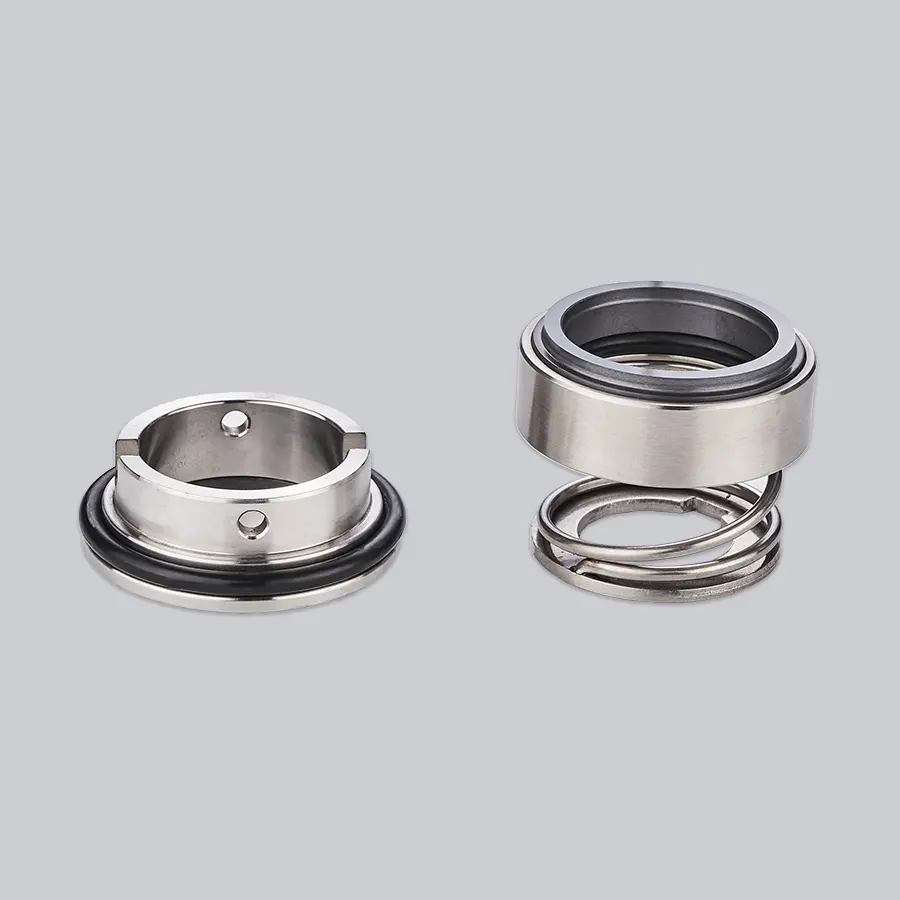
Total expense depends on seal quality and installation difficulty.
Labor is almost always the largest cost, especially for seals deep inside pump casings or requiring full gearbox disassembly. Victor Mechanical Seals lower total costs by delivering OEM-quality performance at 20–40% below OEM list prices.
Equipment & Seal Type Variations
Real 2026 industrial price ranges (USD):
| Seal Type | Typical Price (Seal Only) |
|---|---|
| Standard Component Seal (109/110/120 series) | $80 – $160 |
| Standard Cartridge Seal | $150 – $350 |
| Heavy-Duty Cartridge Seal | $300 – $600 |
| Double Mechanical Seal | $400 – $800+ |
| High-Temperature / Corrosive Service Seal | $250 – $700 |
| Dripless Marine/Industrial Shaft Seal | $300 – $600+ |
Special materials (SiC, tungsten carbide, exotic alloys) add 30–100% to base price.
Regional Labor Differences
US industrial labor rate: $100–$150 per hour (urban/industrial areas)
Rural areas: $80–$110 per hour
Complex jobs: 4–8 hours
Shaft Seal Replacement Process
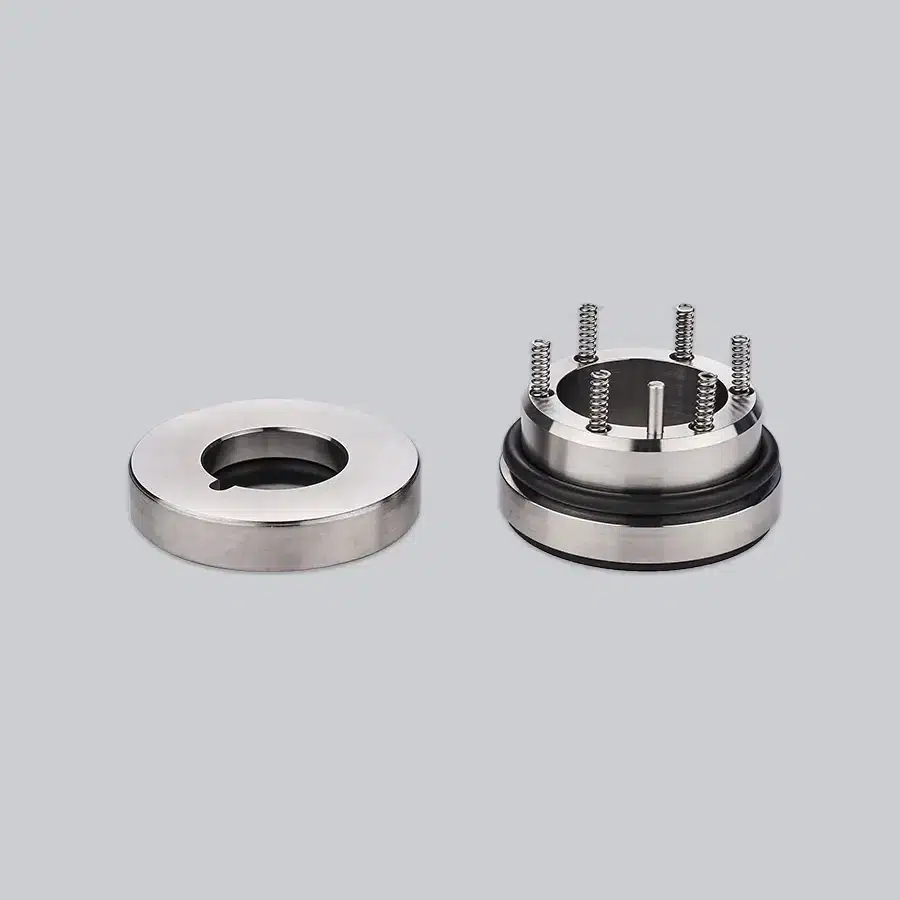
Step-by-Step Procedure
Replacing a mechanical shaft seal requires a systematic, safety-first approach. To begin, the equipment must be isolated, with lockout/tagout protocols followed to prevent accidental startup, and any process or barrier fluids in the pump housing should be drained. Next, the technician will disassemble the pump casing, remove the impeller, and take apart other shaft-mounted components to access the seal chamber.
Once the seal area is exposed, the shaft and sleeve are thoroughly cleaned and inspected for wear, scoring, or damage—any imperfections here could compromise the performance and lifespan of the new seal. Before installation, the seal components are lubricated with a compatible fluid to ensure smooth fitting, and the seal is then carefully placed in the correct orientation, as this is critical to avoiding premature failure.
After positioning the seal, it is set to the depth and alignment specified by the manufacturer, and the pump is reassembled with all fasteners tightened to the recommended torque specifications. Finally, a static pressure test is conducted to check for leaks, followed by an operational test under normal working conditions to confirm the seal functions reliably.
Tip: Always follow OEM manuals—misalignment causes 90% of early seal failures.
Typical Replacement Time
The duration of a shaft seal replacement depends on the pump’s design and the seal’s accessibility. For standard pumps with easy access to the seal chamber, the entire process typically takes 2–4 hours. For more complex setups—such as those with cartridge seals or deep-set seals—the replacement process usually takes 4–6 hours. For double mechanical seals or seals used in specialized heavy-duty applications, the job may take 6–8+ hours to complete thoroughly.
Common Mistakes That Increase Replacement Cost
Choosing the Wrong Seal
Opting for a shaft seal merely based on its size or low price is a common error that often results in fluid leaks, premature seal failure and frequent rework. There are multiple critical factors to consider, including fluid compatibility, operating temperature, system pressure, shaft speed and the working environment.
Unqualified DIY Installation
Carrying out seal replacement without professional training will lead to improper installation, triggering persistent leaks and equipment damage, and may also void the original equipment warranty.
The table below compares the differences between professional installation and DIY operations by qualified personnel:
| Aspect | Professional Install | DIY (Qualified Only) |
|---|---|---|
| Complexity | High (full disassembly) | Moderate–High |
| Warranty Risk | None | High (if untrained) |
| Tools | Special drivers, presses, torque wrenches | Basic + seal tools |
| Upfront Cost | $400–$1,200 | $250–$500 (parts only) |
| Long-Term Risk | Low | Very High (misalignment) |
Ignoring Early Warning Signs
Neglecting minor leaks can cause equipment overheating, which further leads to complete seal failure and even catastrophic damage to the entire pump unit.
The impact of different maintenance strategies on costs is shown in the following table:
| Maintenance Type | Cost Impact |
|---|---|
| Preventive (early repair) | Lowest cost |
| Deferred (delayed) | 3–5x higher |
| Emergency (failure) | 10x+ higher (including downtime) |
Conclusion
The cost to replace a mechanical shaft seal is primarily driven by four key factors: seal type, material quality, labor rates, and accessibility of the seal within the equipment. Investing in premium aftermarket seals—such as Victor Mechanical Seals—delivers performance on par with OEM parts while reducing costs by 20–40%, ultimately lowering the total cost of ownership over the seal’s lifespan.
Early detection of leaks, professional installation for complex seals (including cartridge and double seals), and consistent routine maintenance are the most effective strategies to minimize replacement costs and extend the overall service life of pumps. By partnering with a trusted industrial seal supplier, you can ensure you select the right seal for your specific application, at a competitive price, with proper installation to avoid costly rework.
FAQ
How long do mechanical seals last?
Mechanical seal lifespan depends on operating conditions: 8,000–12,000 operating hours (standard), 3,000–6,000 hours (harsh environments), and 15,000+ hours (ideal conditions).
Can I use Victor Mechanical Seals instead of OEM?
Yes. Victor seals are direct drop-in replacements for most OEM brands, meet API 682 standards, and offer equal reliability at a lower cost.
What happens if a seal fails?
Seal failure causes fluid leakage, system contamination, overheating, shaft wear, and potential catastrophic pump failure. Immediate repair avoids costly downtime and secondary damage.
Do I need a professional?
Trained maintenance can install simple component seals; certified pump technicians are recommended for complex seals (cartridge, double, high-pressure) to ensure alignment and performance.