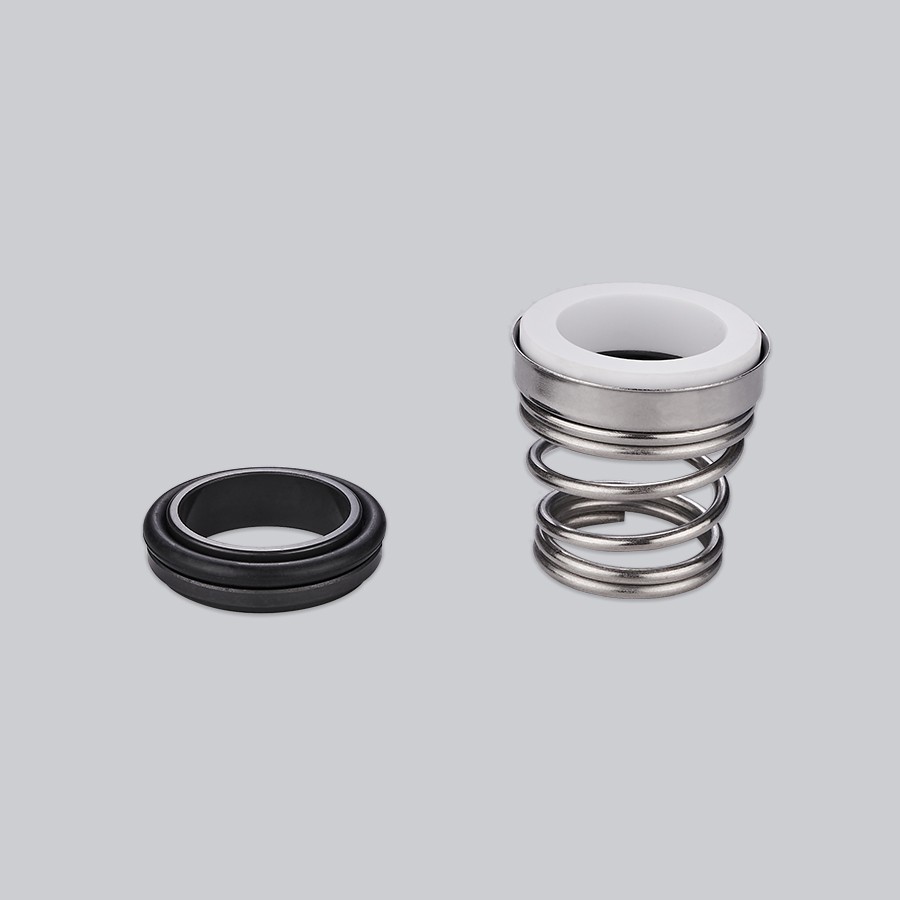
Most companies change a mechanical seal every 18 to 24 months. Advanced dry seals can last up to 60 months if cared for well. Victor is a trusted maker. Their mechanical seals are strong and work in tough places. Users should look at how the seal is used. They should check how it was put in and how it is cared for. These things help decide when to replace the seal. Watching the seal closely helps it last longer. It also stops sudden problems.
- Typical replacement intervals:
- Conventional seals: 18–24 months
- Dry seals: 48–60 months
Key Takeaways
- Replace mechanical seals every 18 to 24 months for regular types. Change advanced dry seals every 48 to 60 months.
- Check seals often for leaks, noise, and shaking. This helps you find problems early and makes seals last longer.
- Install seals the right way. Always follow the maker’s instructions. This stops seals from breaking too soon.
- Pick the best materials for seals. Think about the fluids the seals will touch. This helps seals last longer and work better.
- Do regular maintenance on seals. This keeps them working well and stops sudden problems.
Mechanical Seal Lifespan
Average Service Life
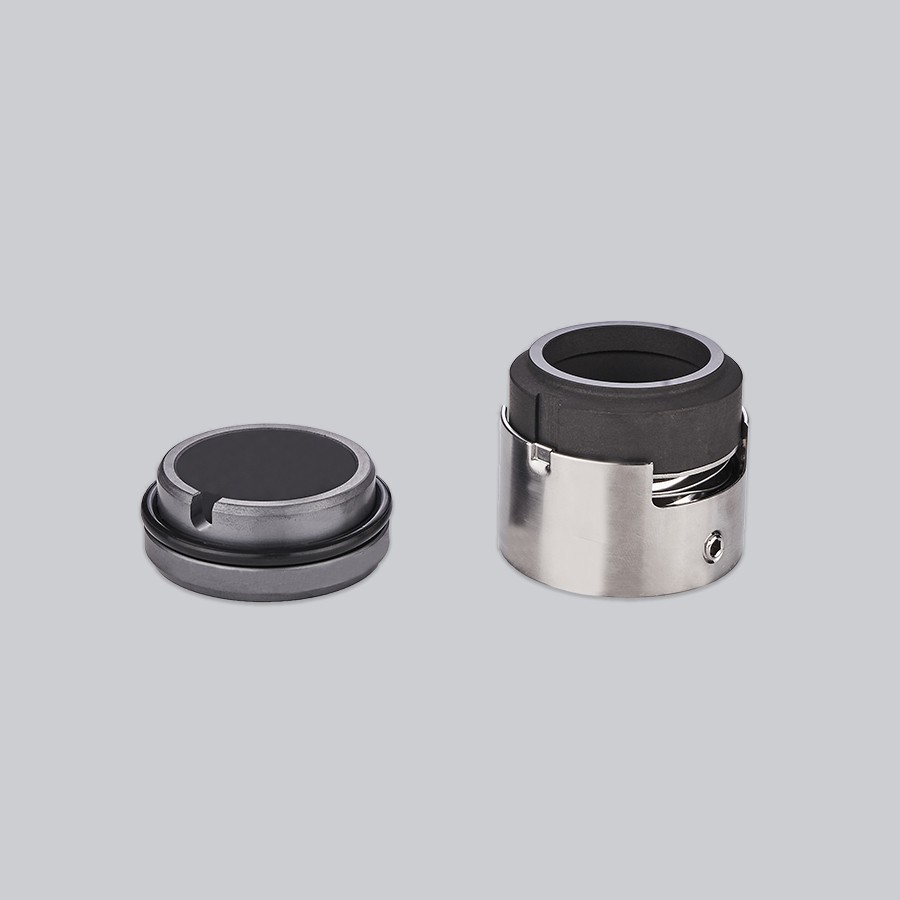
Mechanical seals are important in many machines. How long they last depends on use and care. Most surveys say seals last from one to five years. The kind of seal matters:
- Single spring seals last about one or two years.
- Cartridge seals can last two to four years.
- Bellows seals may last three to five years.
Many companies claim their seals can last three years or more with proper maintenance. Most manufacturers state their seals can last at least two years, with some even three years or more. Proper installation and regular inspection help extend their lifespan. If users follow the correct operating procedures, seals can last three to five years.
Victor manufactures seals suitable for harsh applications. Their seals feature a clever design and robust materials, ensuring a long service life even in harsh environments.
Tip: Doing regular checks and putting seals in carefully can make them last longer.
Industry Variations
Different industries use seals in different ways. The lifespan of seals also varies depending on the working environment. For example, seals in the chemical industry need to withstand strong acids and high temperatures, which accelerate wear. In the marine industry, seals must withstand the corrosive effects of seawater and high pressure. The mining, oil, and gas industries require seals that can withstand dirt and heavy loads.
Victor seals meet global standards and are widely used in water treatment plants, power plants, and other applications. Their seals can be adapted to various machines without any modifications, making them ideal for companies seeking reliable seals.
Some industries extend the lifespan of seals by using higher-quality materials and proper maintenance. Others require more frequent seal replacements due to corrosive chemicals or rough handling. Choosing the right seals and maintaining them properly are crucial for achieving optimal results.
Factors Affecting Seal Replacement
Operating Conditions
Many factors affect the lifespan of mechanical seals. The type of fluid, temperature, and pressure are all crucial. If the fluid is viscous or contains many impurities, the seal will wear out faster. High temperatures can cause the seal to expand or fail. Pressure variations increase the workload on the seal. The machine’s operating speed also affects the moving parts of the seal. Machines with large speed variations place greater pressure on the seal. High-quality lubricants and cooling systems help extend the lifespan of the seal. In industries such as shipbuilding, chemical engineering, or mining, these factors pose significant challenges to seals.
Note: Victor uses strong materials that meet world rules. This helps their seals work well even when things get tough.
Installation Quality
The method of installing seals is crucial. Improper installation can lead to premature seal failure. For example, misalignment, contamination of the sealing surface, or excessive force can all cause problems. These errors can result in leaks, uneven wear, or rapid failure. If a shaft seal leaks, it usually indicates a problem during installation. Careful and clean installation helps extend the lifespan of the seals.
Maintenance Practices
Regular inspections ensure proper seal operation. Never allow the machine to idle, as this can cause the seals to overheat. Shaking or vibration will also accelerate seal wear. Lubricating oil is crucial, as it cools the seals and reduces friction. Identifying misalignment during inspections allows for early detection of problems. Good maintenance means fewer breakdowns and a longer seal life.
Material Compatibility
The seal’s materials must match the fluids they touch. Some materials work in tests but fail in real jobs. For example, FKM may look good for some fluids but can break down fast in real use. NBR might last longer in those cases. Testing in real jobs is important. Victor follows rules like ASTM F477, ISO 4633, and EN681 to make sure their seals use the best stuff.
| Standard | Year Published | Description |
|---|---|---|
| ASTM F477 | 1976 | Rules for elastomeric seals for plastic pipes |
| ISO 4633 | 1984 | Rules for elastomer materials |
| EN681 | 1996 | Rules for elastomer materials |
Mechanical Seal Replacement Signs
Leaks and Drips
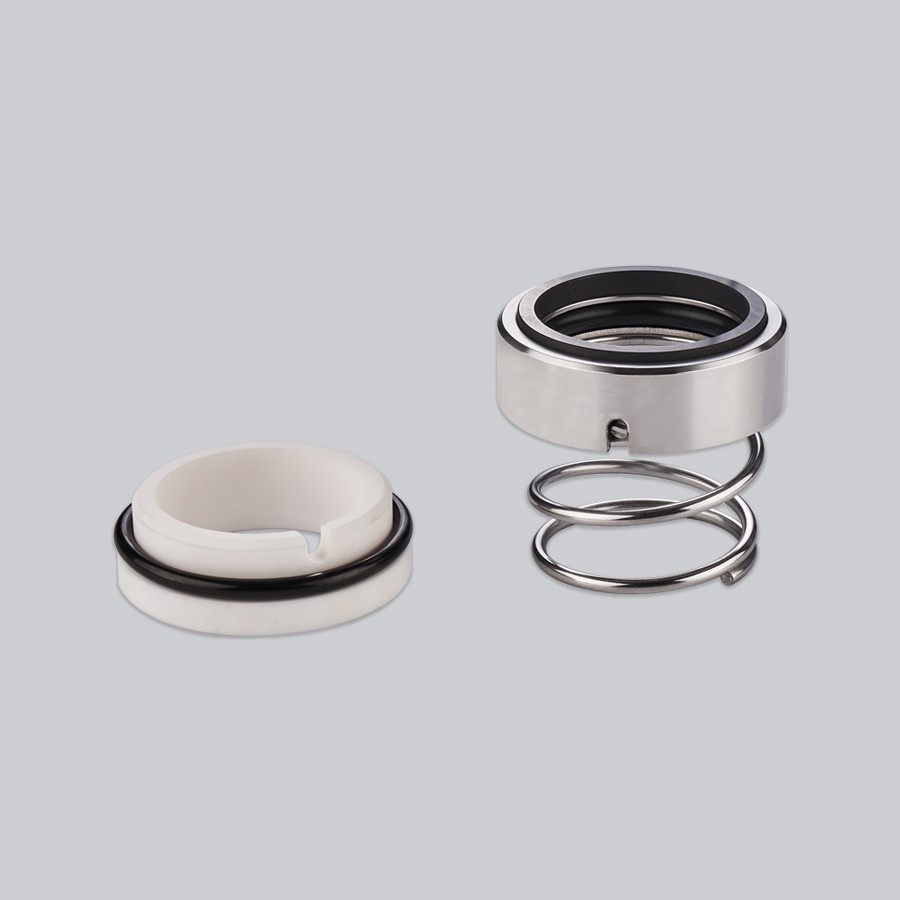
Leaks and drips are usually the first signs of trouble. People might see drops of fluid or water spraying near the shaft seal. These leaks can look small but may mean bigger problems inside the pump. If no one fixes a leaking shaft seal, the pump can break down.
If you see leaks you can’t explain, always check them during maintenance.
Noise and Vibration
Noise and vibration can warn you about seal problems. Experts use vibration tools because most problems show up as changes in vibration. An accelerometer can check vibration without stopping the machine. High squealing or chirping sounds may mean the seal is dry or not getting enough oil. If you hear clattering, parts might be hitting or not lined up right. Vibration can also break the fluid film between seal faces and cause more wear.
Efficiency Loss
If the pump is not operating properly, there may be a problem with the seals. When the pump is not operating within its optimal range, the flow rate will change, which can damage the seals. Dry running will cause the temperature and pressure to rise, which can damage the seals, especially in vertical pumps. If the pump suction is insufficient, vibration and air bubbles may occur, leading to seal failure.
Tip: Watch for changes in energy use or flow. These can help you find seal problems early.
Pressure Changes
System pressure changes can also indicate the need for seal replacement. If the seal face temperature rises, the drive torque increases, or the pressure drops rapidly, the seal may be wearing out. Inspect the soft face for stepped or tapered wear, edge chipping, or the presence of hard elastomeric seals. These signs often indicate impending seal failure.
Regularly checking for these signs helps extend seal life and ensures continuous machine operation.
Extending Seal Life
Proper Installation
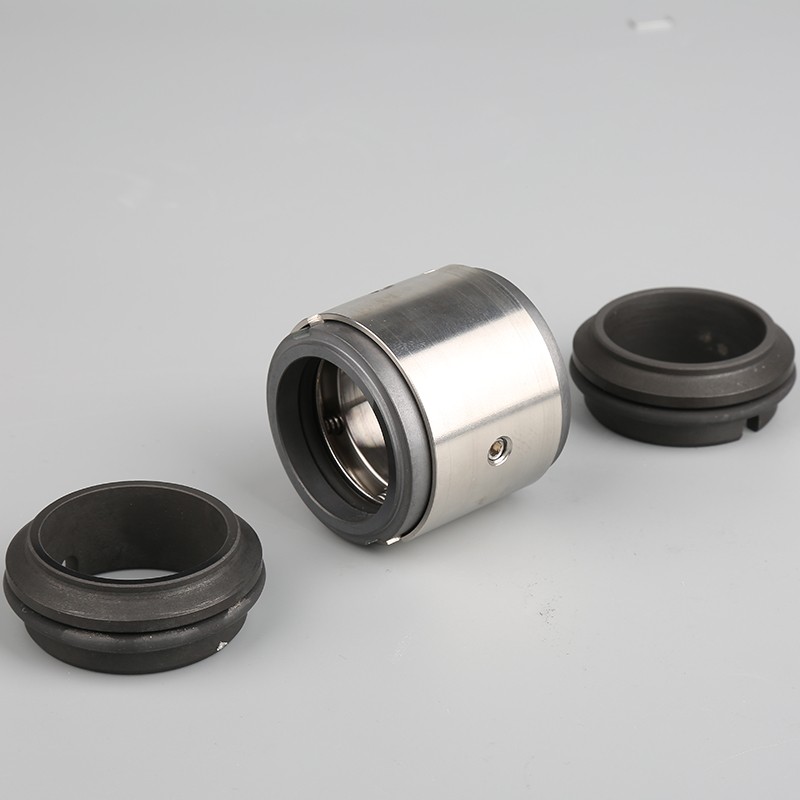
Putting in a mechanical seal the right way helps it last longer. Victor’s OEM and standard seals fit many machines without changes. This makes them simple to use in lots of places. Installers should always follow the maker’s instructions. The work area must be clean and have no dirt. The shaft or sleeve should feel smooth and not have scratches. Installers need to use the right amount of force on bolts. This stops damage to the seal. Turning the shaft by hand checks if the seal faces touch right. Getting rid of air pockets stops dry running. These steps help stop early problems and mean you do not have to replace the shaft seal too soon.
Tip: Bad installation can cause about 20% of all seal failures. Careful work now saves time and money later.
Regular Maintenance
Doing regular maintenance keeps mechanical shaft seal systems working well. Teams should look for leaks, noise, and shaking. Cleaning seal parts and keeping them oiled stops drying and cracking. Maintenance also means checking that the pump works inside safe limits. Companies that follow a schedule often see seals last three years or more. Victor gives a checklist for maintenance. It covers checks, cleaning, and changing parts. This list helps users avoid sudden breakdowns and plan for new parts before trouble starts.
Material Selection
Picking the right materials is important for seal life. Victor uses materials that fight heat, chemicals, and wear. In chemical plants, seals must handle strong acids and high heat. Advanced materials like silicon carbide and tungsten carbide last longer in hard jobs. Elastomers and metals must match the fluids they touch. Good material choices keep seals working and stop early replacement.
| Key Aspect | Description |
|---|---|
| Material Selection Importance | Needed for reliable seals in harsh environments |
| Resistance Requirements | Must resist corrosion, heat, and wear |
| Performance Stability | Should keep sealing performance steady under tough conditions |
Monitoring Parameters
Watching the seal helps find problems before they get bad. Teams use vibration checks to find faults early. Checking temperature shows if the seal gets too hot. Watching power use and flow rates can show leaks or blocks. Oil checks find wear before it gets worse. Listening tools can catch leaks or bearing problems early. Using these tools helps teams know when to change the shaft seal and avoid sudden breakdowns.
Note: Talking to seal experts gives teams the best advice for their machines. Experts help pick the right seal and care plan for each job.
FAQ
How can someone tell if a mechanical seal needs replacement?
People should watch for leaks or odd sounds. If the machine does not work as well, the seal might be getting old. Checking the seal often helps find problems early.
What makes Victor’s mechanical seals last longer?
Victor uses tough materials and clever designs. Their seals can handle heat, chemicals, and pressure. This lets them work well in hard jobs and last longer than other brands.
Can anyone install a mechanical seal, or does it need an expert?
A trained technician should put in mechanical seals. Good installation stops leaks and early breakdowns. Victor says to follow instructions and ask experts if you need help.
How often should maintenance teams check mechanical seals?
Teams should check seals every time they do routine maintenance. Regular checks help find small problems before they get worse. This keeps machines working well.
Do Victor’s seals fit different types of pumps?
Victor makes standard and OEM seals. Their seals fit many pump brands without changes. This makes them a smart pick for lots of industries.