Choosing the right pump mechanical seal can prevent leaks and help avoid costly downtime. Many problems stem from bearing issues, which account for 13% of mechanical seal failures. The table below lists key factors such as pressure and temperature, which are crucial when you need to replace your mechanical seal. VEEKTER Mechanical Seals offers an excellent selection for users who need to replace their mechanical seals.
| Operating Condition | Description |
|---|---|
| Pressure | Use the equipment within the appropriate pressure range. This prevents excessive wear or bending of the seal face. |
| Temperature | Maintain the appropriate temperature range to maintain the strength of the seal. |
| Speed | The design must be able to accommodate different speeds. |
Key Takeaways
- Choosing the right mechanical seal can prevent leaks and save time. Consider factors such as pressure, temperature, and fluid type. This will help you find the right seal.
- Different mechanical seals are suitable for different applications. Cylindrical seals are easy to install. Double seals make pumps safer to use in hazardous locations.
- Proper maintenance and correct installation of the mechanical seal help extend its service life. After replacing the seal, always check for damage and ensure the pump is properly aligned.
What Is a Pump Mechanical Seal?
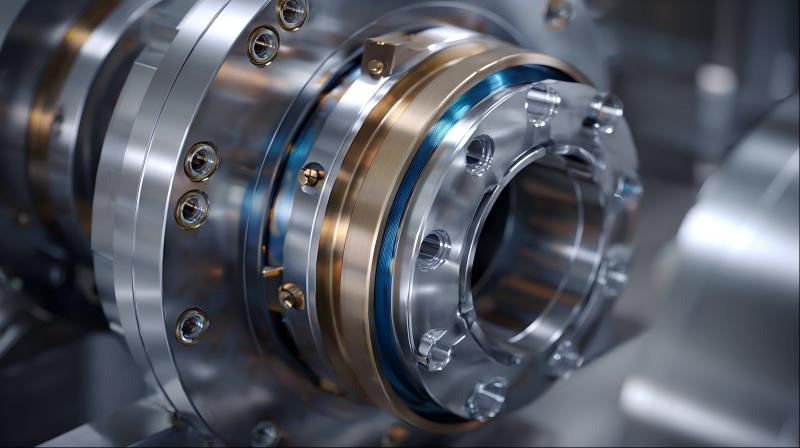
A pump mechanical seal is a component that prevents fluid leakage. It is located where the pump shaft passes through the pump housing. The seal allows the shaft to rotate while sealing the pressurized fluid within the pump. Mechanical seals are crucial in plants. They contribute to the proper operation of pumps and protect the machinery. Furthermore, they protect the environment by preventing leaks.
| Definition of Pump Mechanical Seal | Source |
|---|---|
| API 682 is the globally recognised standard for mechanical seals used in the petroleum, natural gas, and chemical industries. | Reliability Seals |
Note: Mechanical seals are used in pumps and mixers. They prevent fluid leakage and stop leakage along the shaft.
Main Components of a Mechanical Seal
A mechanical seal consists of several main components. The most important components are the primary sealing ring and the mating sealing ring. The primary sealing ring is made of carbon graphite or ceramic. The mating ring is made of ceramic or a mixture of ceramic and metal. These rings are tightly pressed together with a thin layer of fluid in between. This fluid layer helps the rings slide and keeps them cool. It also forms a tiny leakage channel, which is controlled by the seal.
- Main Ring (Rotating)
- Matching Ring (Fixed)
- Auxiliary Seals (e.g., O-rings or bellows)
- Springs or other components used to hold the rings together
Types of Mechanical Seals
Mechanical seals come in various shapes and designs. Some common types include:
- Single Spring Seals
- Wave Spring Seals
- Elastomer Bellows Seals
- Metal Bellows Seals
- Cylinder Seals
Each type of seal is best suited for a specific application. Metal bellows seals can withstand high temperatures. Cylinder seals are easy to install. The appropriate seal depends on the pump’s function and the fluid being pumped.
Mechanical Seal Selection Factors
Choosing the right seal for a pump requires careful consideration. Several factors need to be considered before selecting a mechanical seal. This helps extend the seal’s lifespan and ensures personnel safety. Each of the following is crucial when selecting a mechanical seal.
Fluid and Temperature Considerations
The type and temperature of the fluid will affect the seal you require. Some fluids may corrode certain materials. Other fluids contain chemicals that can damage the seal. The seal must be compatible with the fluid to prevent leakage or wear.
| Factor | Description |
|---|---|
| Liquid Type | The seal material should not react with the fluid. |
| Fluid Pressure | Low pressure requires unbalanced seals. High pressure requires balanced seals. |
| Temperature | The seal must handle the heat or cold. Balanced seals work better for high heat. |
| Operator Safety | Dual mechanical seals provide better safety for factory workers. |
| Abrasion Resistance | The seal must stand up to rough liquids to last longer. |
| Material Properties | Think about how the material handles heat, chemicals, bending, and wear. |
Temperature range is also very important. Some materials perform well at high temperatures, while others are better suited for low-temperature fluids. The table below lists the sealing materials and their heat limits.
| Material | Temperature Range |
|---|---|
| Carbon Graphite | -200°C to 450°C |
| Silicon Carbide | Up to 1000°C |
| Tungsten Carbide | Up to 600°C |
| Ceramic | Up to 1200°C |
Seals used in high-temperature environments may include cooling components or protective shields. The shape and size of the seal also contribute to its ability to withstand high temperatures. VEEKTER manufactures a variety of seals using high-strength materials suitable for a wide range of fluids and temperature conditions.
Pressure and Viscosity
The pressure on the sealing face affects the type of seal required. High-pressure pumps require seals capable of withstanding strong forces. The table below shows the performance of various seals at different pressures.
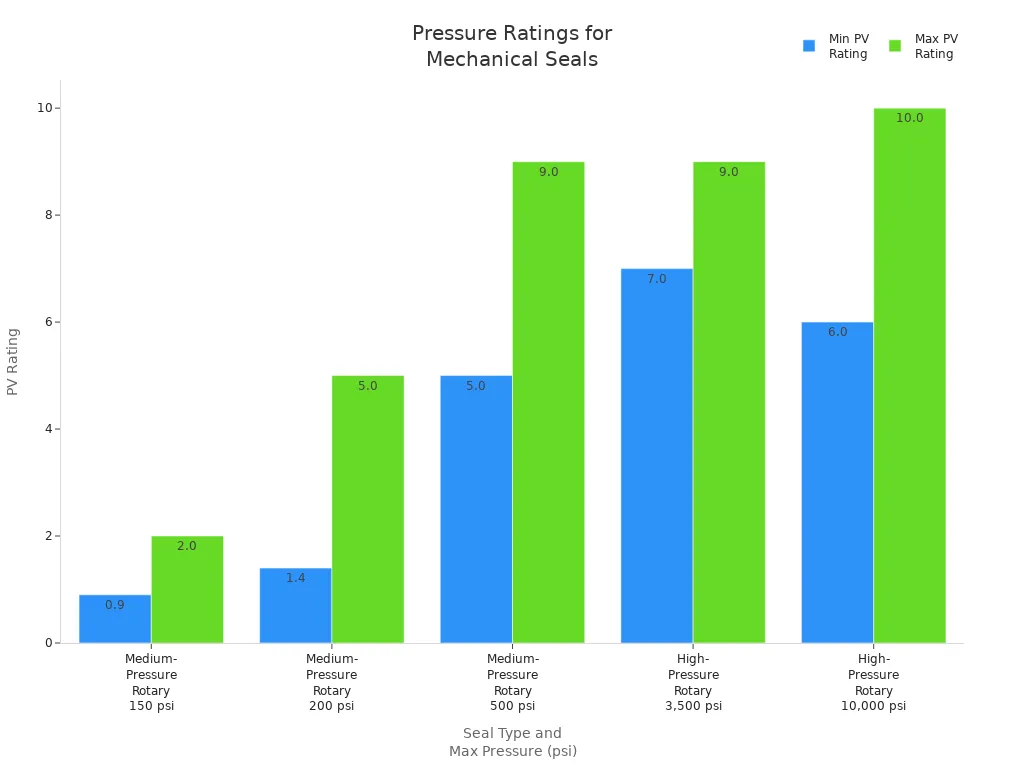
Viscosity refers to the consistency of a fluid. Thin fluids like water have poor lubrication, leading to faster seal wear. Thicker fluids like oil facilitate seal sliding but require more robust seals. Understanding pressure and viscosity helps in selecting the optimal seal. VEEKTER seals are trusted by numerous businesses for a wide range of pressures and fluids.
Solids and Environmental Compliance
Some fluids contain tiny solid particles that can scratch seals. Seals made with high-strength materials can extend their service life in such fluids. For thick or coarse fluids, dual mechanical seals with cooling and additional pressure are best. VEEKTER seals are made of robust and durable materials, capable of withstanding harsh working environments and offering a longer service life.
Tip: Always choose a seal appropriate for your application. For clean fluids, one seal may suffice. For fluids containing solid particles, using two seals is safer.
Environmental regulations are also crucial when selecting seals. Some industries must comply with strict laws and regulations. Seals must meet standards such as API 682 to prevent leaks and ensure safety. High-quality seals prevent contamination and help businesses comply with laws and regulations.
Shaft Size and Equipment Type
The size of the pump shaft and the type of equipment will affect the type of seal you need. The seal must match the shaft to prevent leaks. Some machines, such as mixers, require special seals. VEEKTER offers seals in a variety of sizes and designs. They can even customize seals for special machines. This helps users find the right seal to meet their needs.
Note: Always measure the shaft dimensions and inspect your machine before selecting a seal.
Choosing a mechanical seal means understanding all these factors. VEEKTER offers a wide range of seals, high-quality materials, and reasonable prices. This makes it easier for many companies to select the appropriate seals.
Types of Mechanical Seals
There are various types of mechanical seals, each suitable for specific applications. The main types include balanced and unbalanced seals, as well as push-rod and non-push-rod seals. In addition, there are other types such as cartridge seals, single seals, and double seals.
Component Seals
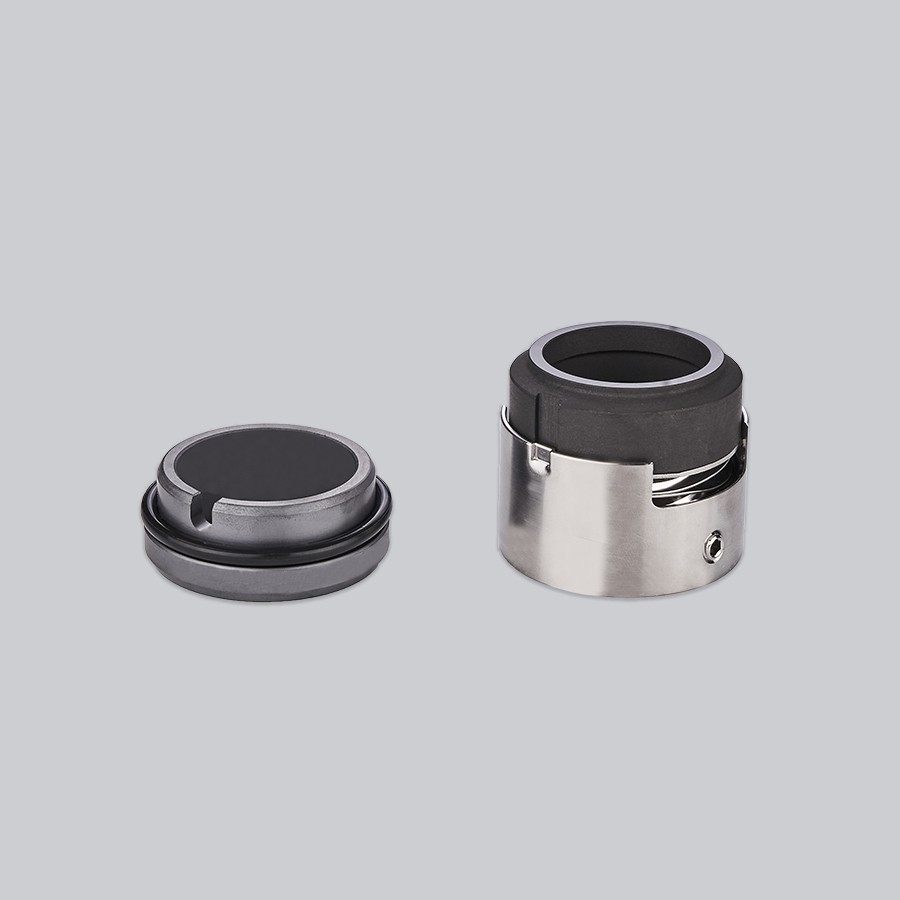
Component seals consist of multiple independent parts that need to be assembled by the installer. This allows for adjustment of the sealing performance according to the specific application. Small pumps often use component seals, which have lower initial costs, but require extra care during installation. Improper installation can lead to seal leaks or premature failure.
| Feature | Component Seals | Cartridge Seals |
|---|---|---|
| Installation | Requires careful assembly, higher chance of error | Pre-assembled, easy installation |
| Reliability | Possible misalignment, higher risk of failure | Factory preset, higher reliability |
| Cost | Lower initial price, more maintenance later | Higher price, lower maintenance cost |
| Maintenance | Requires more time and skill | Quick and easy |
| Customization | Easy to adjust for special needs | Standard sizes, less flexible |
| Suitability | Suitable for small pumps | Best for tough or dangerous jobs |
Cartridge Seals
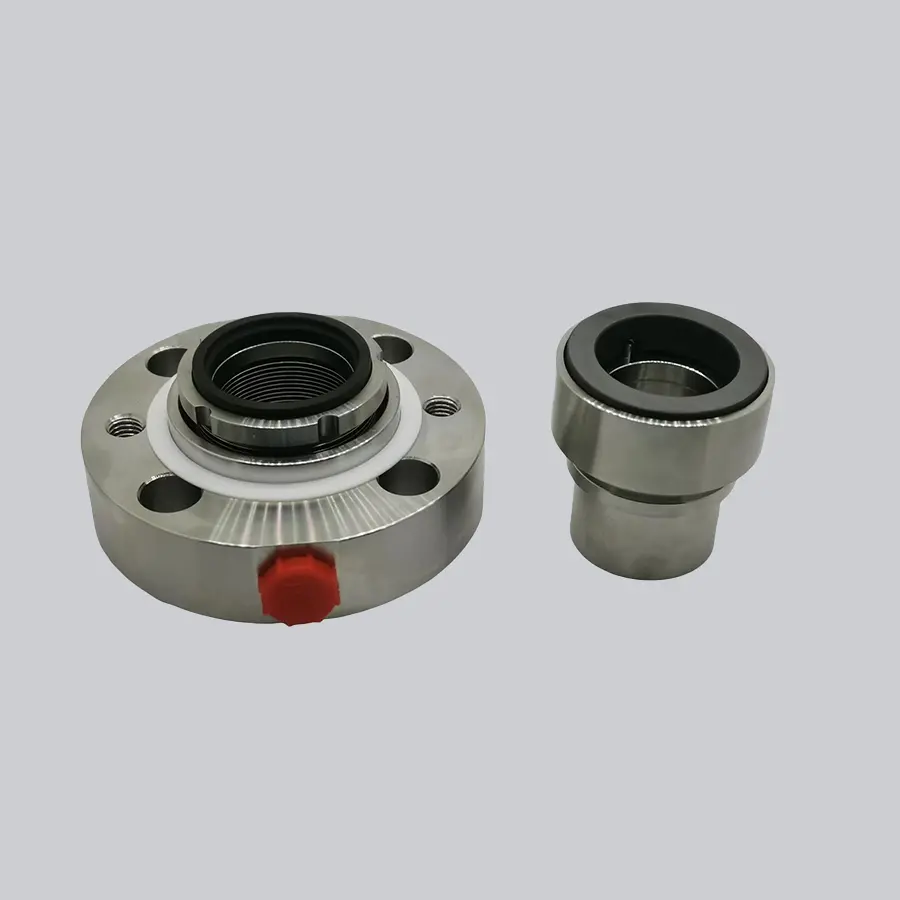
Tubular seals are supplied as a single unit. Installers simply install the seal into the pump without disassembling it. This makes installation quick and safe. Tubular seals help prevent leaks because they are pre-installed at the factory. They perform exceptionally well in high-pressure or hazardous operating environments. Many companies use tubular seals because of their simplicity and reliability.
Tip: Tubular seals help workers complete maintenance work faster and ensure safety.
Agitator Seals

Agitator seals are used in mixers and agitators, not just pumps. These seals perform heavy-duty work in chemical and pharmaceutical plants. They are also suitable for oil, water treatment, power, mining, and food processing plants. Agitator seals prevent fluid leaks, effectively stopping leaks even under high pressure or strong chemical environments.
- Chemicals: Handling powerful and hazardous fluids.
- Pharmaceuticals: Keeping products clean and safe.
- Mining: Handling coarse materials containing particles.
Split Seals
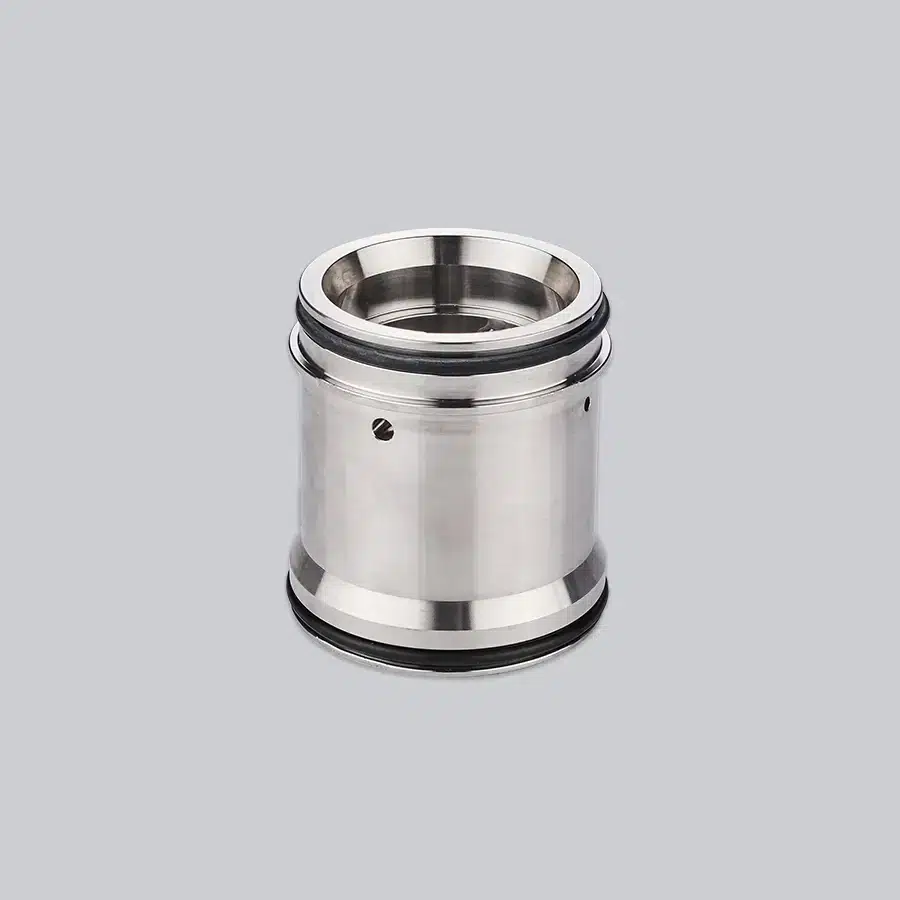
Split seals consist of two parts. Workers can quickly install or replace the seal without disassembling the pump or motor. Split-type seals save time and cost and are suitable for power plants, chemical plants, water plants, paper mills, and desalination plants. Split-type seals also prevent shaft sleeve wear and packing problems.
- Easy to install and maintain
- Saves time and cost
- Suitable for harsh environments
Note: Split-type seals help businesses avoid prolonged downtime and ensure continuous machine operation.
Select Seal Face Materials
Choosing the right seal face material contributes to good pump operation. The material should be compatible with the fluid, temperature, and pressure to ensure safe pump operation and extend its service life. The table below lists factors to consider when selecting a seal face material:
| Criteria | Description |
|---|---|
| Temperature constraints | Seal materials must handle the liquid’s temperature without exceeding limits. |
| Chemical resistance properties | Materials must be compatible with the fluid to prevent seal failure. |
| Flexibility | Important for accommodating operational conditions. |
| Wear resistance | Essential for longevity, especially with abrasive liquids. |
| Thermal expansion and conductivity | Affects performance under varying temperatures. |
| Low leakage & friction properties | Minimizes operational inefficiencies. |
| Corrosion resistant | Protects against degradation from the fluid. |
Silicon Carbide (SiC)
Silicon carbide has extremely high hardness and excellent wear resistance. It is best suited for pumps handling coarse or harmful fluids. It can withstand strong chemical corrosion and high temperatures. Silicon carbide is relatively brittle, so it is chosen when corrosion resistance is more important than toughness.
Silicon carbide is favored for its high wear resistance and corrosion resistance. It is suitable for applications involving strong chemical corrosion.
Tungsten Carbide
Tungsten carbide is tough and has good wear resistance. It is less brittle than silicon carbide. This material is suitable for pumps subjected to shock or vibration. Tungsten carbide is used when seals need to be protected against breakage.
- Tungsten carbide performs better when high fracture resistance is required.
- It is suitable for pumps handling heavy-duty or viscous fluids.
| Material | Hardness | Wear Resistance | Toughness | Best Use Case |
|---|---|---|---|---|
| Silicon Carbide (SiC) | 9.5 | Excellent | Brittle | High wear and corrosion resistance applications |
| Tungsten Carbide (WC) | 9 | High | Tough | Situations with higher fracture resistance needed |
Carbon/Graphite
Carbon and graphite play crucial roles in many seals. These materials can withstand dry operation and insufficient lubrication. Special grades of materials can operate in high-speed, high-temperature environments.
- Carbon/graphite seals are commonly used in piping systems due to their strength and performance advantages.
- Carbon/graphite seals are required when pumps are dry-running or insufficiently lubricated.
- Some grades of materials can withstand harsh operating environments even with insufficient or no lubrication.
Pumps conveying light hydrocarbons or operating in a dry environment require carbon/graphite sealing surfaces. They help prevent damage and ensure proper seal function.
How to Replace the Mechanical Seal

Preparation and Safety
Safety is paramount before replacing mechanical seals. Workers should not use tools such as hammers or shovels. These tools may damage the sealing surfaces. They need to check that all sealing components are present. Each component should be inspected for cracks or damage. All components must be kept clean. The sealing surfaces should be free of dirt and fingerprints. Using specialized seal installation tools helps protect the sealing elements.
Tip: Always wear gloves and safety goggles when operating the water pump.
Installation Steps
To replace the mechanical seal, follow these steps:
- Turn off the motor and unplug the power cord.
- Drain the liquid from the pump casing.
- Open the pump body to access the mechanical seal.
- Carefully remove the impeller.
- Gently remove the old seal ring; do not force it.
- Insert the new seal ring, ensuring it aligns with the shaft.
- Reassemble the water pump in reverse order.
- Start the water pump and check for leaks.
Even minor errors can lead to leaks or rapid wear. Proper installation helps extend the life of the seal ring and ensures proper pump operation.
Testing and Maintenance Tips
After replacing the mechanical seal, personnel should check for leaks. They need to check for wear on the seal ring. The water pump and motor must be properly aligned. Regularly checking the water pump helps detect problems early. Personnel should keep the sealing chamber clean. They need to monitor pressure and temperature. Aged gaskets and O-rings should be replaced as soon as possible. Training helps workers avoid mistakes when replacing seals.
Note: For challenging tasks or special situations, consult VEEKTER or other professionals to ensure correct mechanical seal replacement.
When selecting mechanical seals, fluid, temperature, and pressure must be checked. High-quality seals like those from VEEKTER help improve pump efficiency and save costs.
- Replacing seals can be quick and effective.
- Repairing seals is a wise move, especially for expensive ones, and reduces waste.
- Seeking expert help helps you choose the best solution.
| Benefit | Description |
|---|---|
| Operational Efficiency | Seals stop leaks and help pumps work smoothly. |
| Cost Savings | Less leaking means fewer repairs and less time stopped. |