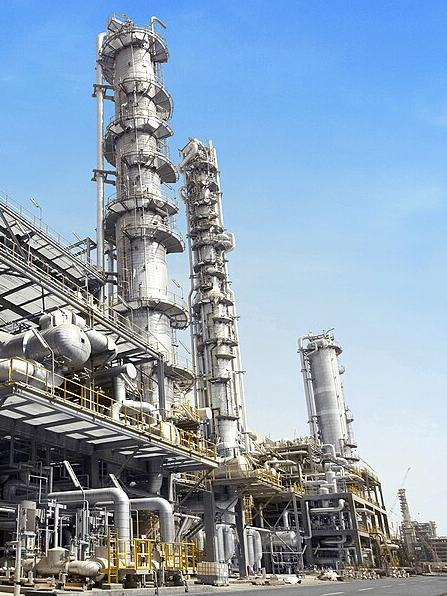
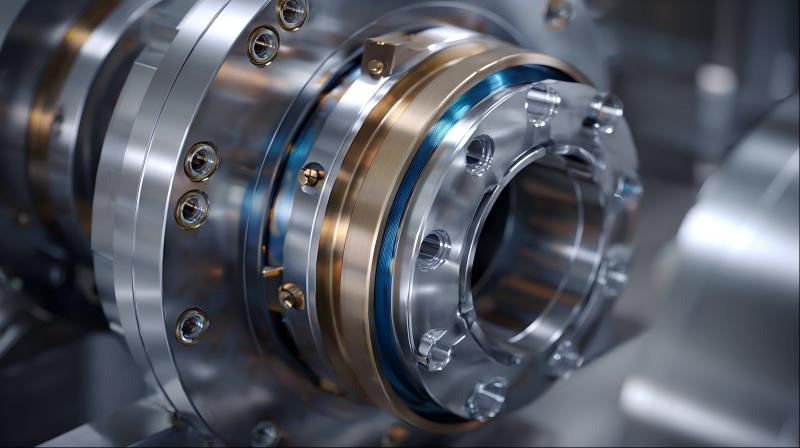
Many water pump failures are caused by problems with the seals. Studies show that approximately 70% of water pump failures are caused by mechanical seal issues. Leaks are often noticed due to dry running, overheating damage, or misalignment of the seal ring. Technicians must follow safety rules and use the correct tools when replacing mechanical seals. Victor mechanical seals help avoid these problems. Victor products are robust and durable, making them ideal for water pump repair.
Key Takeaways
- When replacing pump mechanical seals, always prioritize safety. Turn off the power, valves, and wear safety equipment to prevent accidents.
- Use the correct tools and materials. Victor mechanical seals perform well and are compatible with a wide range of water pump brands. They help achieve excellent sealing.
- When disassembling and assembling the water pump, follow each step carefully. Maintain the order of all parts to avoid errors. This helps to complete the job smoothly.
- Regularly inspect and maintain the water pump to detect problems early. This can extend the life of the mechanical seal and avoid costly repairs.
- After installing a new seal, test it. Check for leaks and ensure the water pump is functioning properly. This ensures the safe and reliable operation of the water pump.
Replace Mechanical Seal Preparation
Safety steps before mechanical seal replacement
Safety is paramount when operating a water pump. Technicians must shut off the power before starting work. They also need to close valves and bleed the pump. This prevents accidents and ensures the safety of all personnel. Lockout/tagout procedures help ensure no one accidentally starts the pump.
Tip: Always wear appropriate protective equipment. Gloves, safety glasses, and steel-toed boots will protect you from chemicals and heavy objects.
The following table lists the safety procedures that the water pump manufacturer considers important:
| Safety Precaution | Description |
|---|---|
| Proper Lubrication | Lubricate seal faces to stop overheating and possible fire. |
| Compatibility Check | Make sure the seal matches the liquid and pump conditions. |
| Installation Techniques | Use correct methods and tools for heavy seals and alignment. |
| System Review | Check the pump assembly after installation for correct operation. |
| Pressure Monitoring | Keep system pressures at safe levels to avoid seal failure. |
| Avoid Running Dry | Never run the pump without enough liquid. |
| Regular Maintenance | Inspect and maintain the pump often to catch problems early. |
Personal protective equipment (PPE) is also needed. The table below lists common PPE for this job:
| PPE Type | Description |
|---|---|
| Chemical-resistant gloves | Protect hands from chemicals during seal replacement. |
| Safety glasses | Shield eyes from splashes and debris. |
| Steel-toed boots | Protect feet from heavy objects. |
| Respiratory protection | Needed if the pump handles dangerous fumes. |
| Protective clothing | Guards against chemical spills and allows movement. |
Tools and materials needed
Having the right tools and materials helps ensure safe and easy work. Technicians should have everything prepared before starting work. Victor mechanical seals are trusted for their superior sealing performance and robust thickness, making them an ideal choice. These seals are compatible with a wide range of pump brands and meet international standards.
The following table lists the tools and materials required for replacing mechanical seals:
| Category | Recommended Tools/Materials |
|---|---|
| Seal Face Materials | Carbon, Silicon Carbide, Tungsten Carbide, Ceramics, Diamond Coatings |
| Elastomer Selections | Viton® (FKM), Aflas® (TFE/P), EPDM, Kalrez® (FFKM) |
| Tools for Installation | Calipers, Micrometers, Allen Wrenches, Socket Set, Torque Wrench, Screwdrivers, Rubber Mallet |
| Cleaning and Lubrication | Cleaning Solvents, Rags, Lubricants, Seal Installation Tool |
Technicians should read the instruction manual for their pump model. Training in safety and installation will help them perform the work correctly. With proper planning, they can safely replace mechanical seals and keep the pump running smoothly.
Disassembly Water Pump
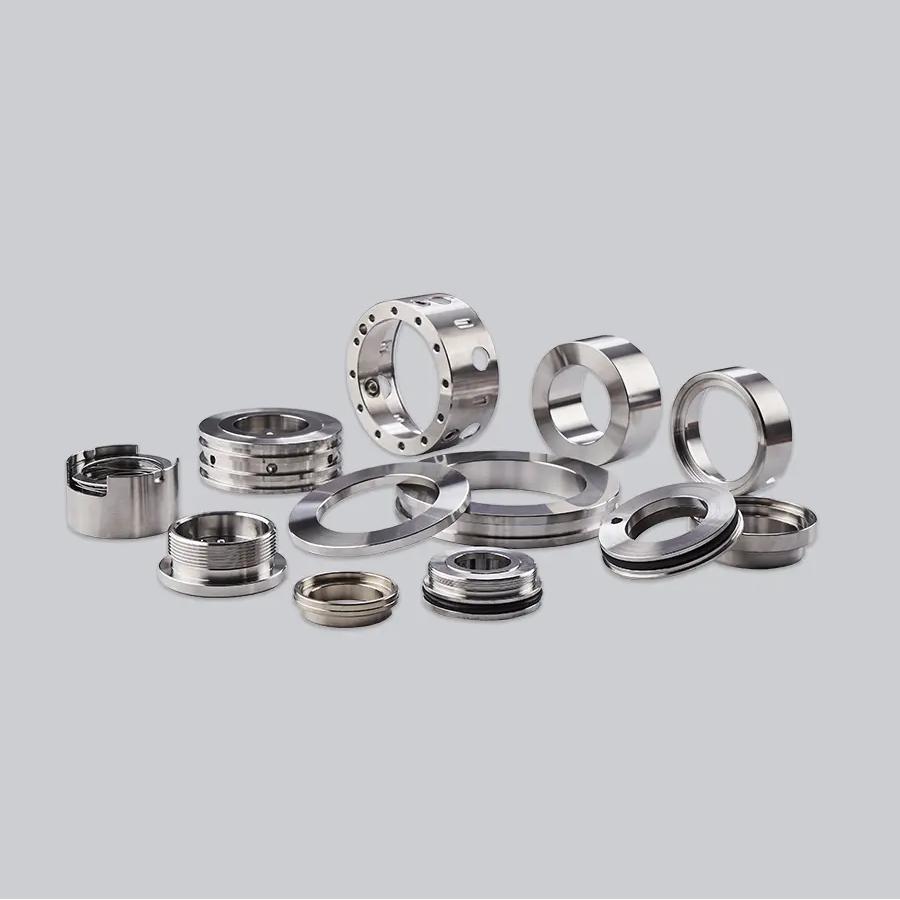
Disconnecting pump and isolating water supply
Before starting maintenance, technicians will disconnect the water pump. They will follow steps to ensure the work area is safe and dry. Here are the steps they take to prepare the water pump for maintenance:
- First, they will stop the motor. After closing the outlet valve, they will shut off the pump motor. This prevents water flow and ensures system safety.
- Next, they will address the suction system and other systems. They will close the suction valve and shut off other systems. This prevents water from entering the pump when it stops operating.
- Then, they will drain the pump if necessary. If there are corrosive or antifreeze liquids inside the pump, they will drain the liquid from the pump casing. This protects the pump and keeps the work area clean.
- Finally, they will record the downtime. They will record the downtime and any notes in the maintenance log. This helps track maintenance progress and preserve records for future use.
Tip: Technicians will check for leaks or unusual noises before starting work. This helps them identify problems early and develop a maintenance plan.
Removing impeller to access mechanical seal
After disconnecting the water pump and isolating the water supply, the technician will remove the impeller. The impeller is located inside the pump and covers the mechanical seal. The impeller must be removed before technicians can access the seal for replacement.
The technicians follow these steps:
- They remove the pump casing bolts. They use appropriate tools to loosen and remove the bolts.
- They lift the pump casing. They carefully lift the pump casing to expose the impeller.
- They unscrew the impeller. They use a wrench or special tools to unscrew the impeller from the shaft.
- They inspect the impeller. They check for wear or damage. If the impeller is intact, they set it aside for later use.
The technicians keep all components neat and secure. They place the bolts, washers, and impeller in a safe place. This facilitates the replacement of the mechanical seal and reassembly of the pump.
Replace Mechanical Seal
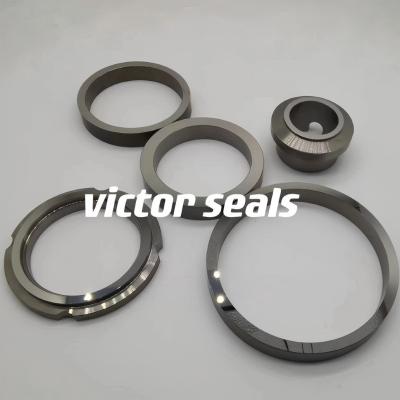
Removing old mechanical seal
The technicians first ensure the pump is dry and stopped running. They label each pipe and wire. This helps them reassemble all components later. Before removing the old seal, they remove the impeller first. They use seal removal tools or flathead screwdrivers. They disassemble each component in the correct order. They handle the mechanical seal carefully to avoid damage. The retaining parts are slowly removed from the seal cavity. The technicians do not twist or force the seal out. They clean the seal cavity and shaft to prepare for the next step.
Tip: Store all disassembled components in order. This helps to replace the mechanical seal more easily and avoids mistakes.
Cleaning sealing surfaces and inspecting components
Before installing the new mechanical seal, the technicians clean each component. They use acetone or other cleaning fluids. They check the seal surface for scratches, nicks, or grooves. They also check for pitting, discoloration, or rust.
| Operational Condition | Effect on Mechanical Seals | Consequence |
|---|---|---|
| High Temperature | Expansion & Elastomer Deterioration | Reduced Seal Efficacy |
| Low Temperature | Material Brittle & Cracking | Potential Seal Fracture |
| Excessive Pressure | Deformation & Face Disruption | Premature Seal Failure |
| Low Pressure | Insufficient Lubricating Film | Higher Wear & Tear |
| Corrosive Environment | Chemical Degradation | Leakage/Breakage |
Technicians inspect the pump and its operating environment. They know that harsh operating conditions accelerate seal wear.
Mechanical seal installation steps
The installation of a mechanical seal begins with selecting a suitable seal. Victor mechanical seals are suitable for a variety of pumps and conform to international standards such as DIN24960, EN12756, and ISO3069. Technicians install mechanical seals by following these steps:
- They select a suitable seal for the pump.
- They install the seal onto the shaft and align it with the moving parts.
- They slide the moving parts into the correct position and tighten them with set screws or a hydraulic device.
- They inspected the seal cavity to ensure it was properly installed and centered on the shaft. The cavity surface should not wobble.
- They checked the clearances around the shaft and components. This prevents component jamming and allows it to withstand temperature changes.
- They applied lubricant to the sliding parts and prepared the release fluid as needed.
- They tightened the seal with the correct torque to secure it in place.
- They recorded all measurements and torque values for later use.
Note: Always follow what the maker says about alignment and fit. This helps the seal work better and last longer.
Installing mechanical seals requires meticulous operation. The technicians ensured that each step was performed correctly. They used Victor mechanical seals because they are durable and perform exceptionally well. These seals help prevent leaks and ensure the pump operates correctly.
Reassembly and Testing for Mechanical Seal
Reinstalling impeller and pump casing
The technicians first reinstall the impeller onto the shaft. They hold the shaft in place with a wrench, then screw the impeller onto the shaft with screws, using new O-rings or washers. This helps prevent leaks. For pull-back pumps, they align the components with the pump housing and secure them with screws. For direct-coupled pumps, they use the original screws and tighten them to the correct torque.
Here are the main steps of reassembly:
- Install the impeller using a wrench and new washers.
- Reconnect the pump housing and secure it with screws.
- Realign the pump and motor to the correct tolerances.
- Reconnect the inlet and outlet pipes.
Tip: Technicians should backtrack their disassembly steps to make sure all parts go back in the right order.
Restoring power and water supply
After reassembly, the technicians open the inlet and outlet valves. This allows water to fill the pump housing. Some pumps require an additional venting device to remove air. They will check the alignment between the pump and motor. The alignment accuracy should be very high, between 0.001 inches and 0.002 inches. Proper alignment helps extend the lifespan of the mechanical seal.
Next, they will restore power to the pump. They will start the motor and observe for any problems. They will listen carefully for unusual noises and check for vibration. If everything is normal, the pump can be tested.
Checking for leaks and proper operation
Technicians use several methods to check new seals. They will perform leak tests to ensure the seals are working properly. The following table lists common seal inspection methods:
| Method | Description |
|---|---|
| Pressure Testing | Checks seals under working pressure to find leaks. |
| Leakage Testing | Looks for leaks using visual checks or flow meters. |
| Temperature Testing | Watches for overheating that can damage seals. |
| Wear Testing | Tests how long the seal lasts under use. |
| Material Compatibility | Makes sure seal materials work with the pump fluid. |
| Dynamic Testing | Checks seals during vibration and movement. |
| Seal Face Flatness Testing | Measures if seal faces are flat to prevent leaks. |
| Chemical Resistance Testing | Tests how seals hold up to chemicals. |
| Torque Testing | Checks if bolts are tight enough to stop leaks. |
Technicians also regularly inspect the seals. They check for leaks, alignment, and monitor temperature and pressure. Regular inspections help detect problems early. Many seals will fail shortly after installation if leak testing is not performed. Improper installation or incorrect seal selection can lead to premature failure. Careful testing and monitoring help extend the life of the seals and ensure safe pump operation.
Note:Regular inspection and monitoring help avoid costly downtime and ensure safe pump operation.
Replacing mechanical seals in a water pump requires attention to every step. Technicians will inspect the new seals to ensure they are in good condition. They will clean all surfaces before starting. They will use appropriate lubricants. Victor mechanical seals are durable and perform exceptionally well. The table below lists the reasons why many users trust Victor:
| Feature | Description |
|---|---|
| High Pressure | Handles tough conditions |
| Wide Temp Range | Works from -50 °C to 220 °C |
| Strong Material | Silicon carbide, stainless steel |
Checking the pump every week helps stop leaks. If the pump shakes or has flushing problems, call a professional for help.
FAQ
How often should water pump mechanical seals be replaced?
Technicians inspect mechanical seals during maintenance. Most seals can last for several years. However, if the pump operates in harsh environments, the seal’s lifespan may be shortened. Victor mechanical seals are made of high-strength materials, resulting in a longer service life.
What are the signs that a mechanical seal needs replacement?
Leaks mean the mechanical seal may need replacement. Unusual noises or wear on the sealing surface are also signs. If the pump overheats or vibrates, the seal may be damaged. Early detection of these problems can prevent pump failure.
Are Victor mechanical seals compatible with all brands of water pumps?
Victor mechanical seals are compatible with a wide range of water pump brands. They conform to international standards such as DIN24960, EN12756, and ISO3069. Technicians use Victor seals in the marine, chemical, and pump industries.
What tools do technicians need to replace mechanical seals?
| Tool | Purpose |
|---|---|
| Calipers | Measure shaft diameter |
| Torque wrench | Tighten bolts |
| Screwdrivers | Remove casing |
| Seal puller | Extract old seal |
Tip: Technicians should always use clean tools. This keeps the seal surfaces from getting dirty.