
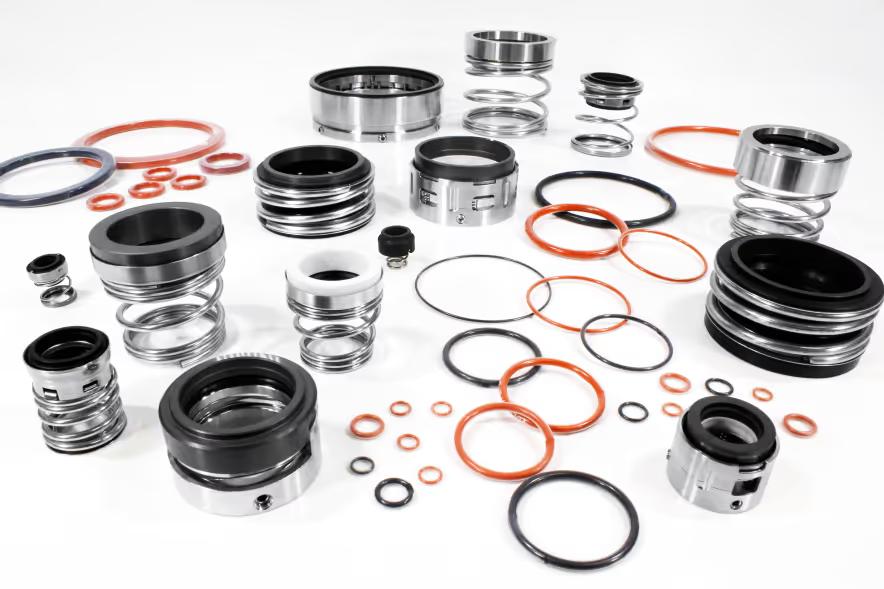
Anyone can replace a pump’s mechanical seal by following these simple steps. Safety is paramount, so be sure to wear gloves and safety glasses. With the right tools, both novices and experts can successfully complete the replacement by accurately measuring the key components. These components include the shaft diameter and gland depth. You can find these components in the table below:
| Measurement Type | Tool Used |
|---|---|
| Shaft Diameter | Vernier Caliper |
| Seal Chamber Diameter | Micrometer |
| Gland Depth | Depth gauge |
Victor mechanical seals are suitable for various industries, such as marine mechanical seals and mining mechanical seals.They are easy to install, making mechanical seal replacement more efficient and convenient. This saves time and money. This guide provides tips to help your pump run better and prevent leaks.
Key Takeaways
- When replacing mechanical seals, always wear gloves, safety glasses, and steel-toed boots for safety.
- Prepare the appropriate tools, such as wrenches, screwdrivers, and measuring tools, to make the replacement quick and easy.
- Before installing the new seal, inspect all parts for damage and clean them thoroughly to prevent leaks.
- Choose the right mechanical seal for your pump and fluid to help the pump run better and extend its lifespan.
- Assemble the pump correctly and test it for leaks to ensure safe and efficient operation.
Preparing to Replace Mechanical Seals
Gathering Tools and Supplies
First, gather all the necessary tools. Using the right tools makes the job easier and safer. You will need wrenches, screwdrivers, calipers, micrometers, and a depth gauge. Wear gloves, safety glasses, and steel-toed boots. Victor mechanical seals are compatible with a variety of pumps, so you won’t need extra adapters. This saves time and prevents errors. Ensure your work area is clean and well-lit. This helps prevent accidents and mistakes.
Tip: Always read the pump’s instruction manual to understand the required tools and seal type.
Turn off and separate the pump
Shutting down the pump ensures everyone’s safety. Please follow these steps for proper operation:
- Turn off the pump motor and main power supply.
- Close all inlet and outlet valves.
- Remove the drain plug and drain the fluid.
- Ensure the lockout/tagout procedure has been performed and documented.
- Ventilate the area and check emergency equipment.
- Prevent fluid from spreading or mixing with other substances.
- Dispose of waste according to your town’s regulations.
Following these steps will prevent the pump from starting unexpectedly and keep you safe from hazardous fluids. Victor mechanical seals are easy to install, allowing you to quickly replace the seal after the pump is shut down.
Safety steps
Safety first. Wear gloves, safety glasses, and steel-toed safety boots. Clean the seals with acetone before installation. Apply clean machine oil to the seal rings to prevent overheating. Tighten the bolts evenly and align the components correctly. Understand the procedures for handling leaks or alarms. After completion, regularly inspect the water pump to ensure its safe operation.
Note: Choose a sealing system that matches the fluid and the pump’s operating conditions. This reduces risks and extends the pump’s lifespan.
Disassemble pump
Drain and disconnect
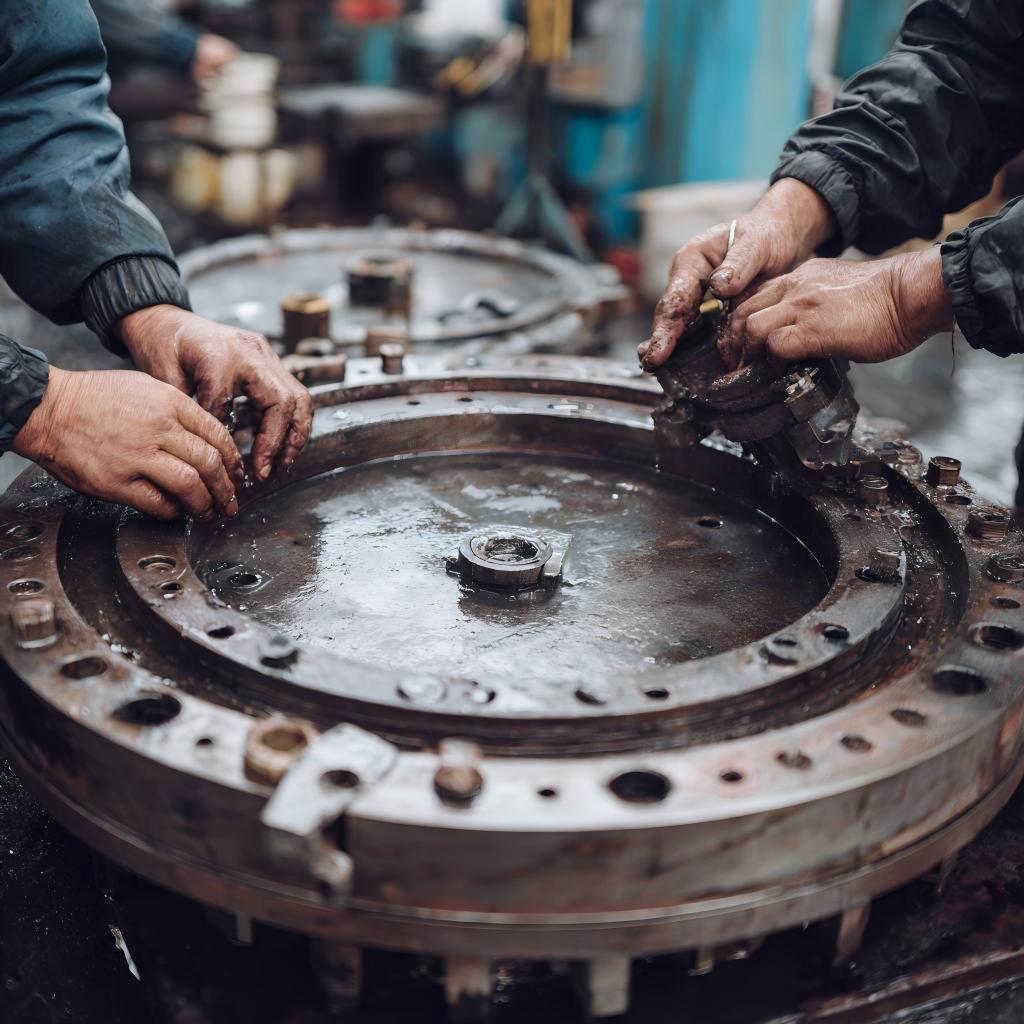
First, drain all liquid from the pump. This prevents leaks and protects the equipment. Disconnect all pipes and wires. Label each component for reassembly. If liquid remains inside, it may solidify, making the seals difficult to remove. This can damage the sealing surfaces. Careful draining and disconnection help prevent these problems.
Tip: Always use a container to collect any remaining liquid. This keeps the work area clean and safe.
Remove impeller and old seal
Next, remove the pump casing to access the impeller. Use the appropriate tools to loosen and remove the impeller. If the impeller is stuck, gently tap it with a rubber mallet. Handle the mechanical seal carefully. Improper removal can cause the sealing surfaces to crack or break, leading to seal failure. Do not ignore any clues regarding the cause of the seal failure. These clues will help in troubleshooting future problems.
A table can help you stay organized:
| Step | Required Tools | Precautions |
|---|---|---|
| Remove casing bolts | Wrench | Do not damage the threads |
| Remove Impeller | Puller/Mallet | Do not use excessive force or pry forcefully. |
| Remove old seal | Seal puller | Protecting the Sealing Surface |
Inspect and clean components
Before installing the new seal, inspect all components. Carefully observe and touch the parts to check for leaks, cracks, or wear. Inspect the sealing surfaces, elastomers, bushings, and seal chamber. If aging or cracks are found, replace the components. Specialized tools such as laser alignment or thermal imaging can help detect hidden problems. Clean each component with acetone to remove dirt and oil. This helps the new seal install and function better.
Note: A clean and inspected pump is more likely to allow the new mechanical seal to function properly.
Seal Removal
Remove Old Parts
First, all old components of the mechanical seal should be disassembled. Each component must be removed in the correct order. A seal removal tool or a flathead screwdriver can be used for this step. If the seal is stuck, apply gentle force. Avoid using sharp tools that could scratch the shaft or seal chamber. Scratches can lead to future leaks. All removed parts should be placed in a tray. This helps in checking for wear or damage. Victor recommends checking the old seal faces for cracks or chips. These signs can explain the cause of seal failure.
Tip: Take a picture of the seal assembly before disassembly. This helps with reassembly.
Remove Stationary Part
The stationary part of the seal is located in the seal chamber. It should be gently held and pulled straight out. If it feels stuck, a soft cloth can be used for better grip. Never twist or force the part out. Twisting can damage the seal chamber. If the stationary seat uses an O-ring, check for swelling or cracks. All parts must be removed, including gaskets or O-rings. Victor mechanical seals are easy to install, so users do not need to modify the seal chamber.
Clean
Before installing a new seal, the seal cavity and shaft must be cleaned. Using a lint-free cloth and acetone will yield the best results. All dirt, oil, and old gasket material must be removed. Even tiny particles can cause leaks. The shaft should be inspected for scratches or pits. If damage is found, the part must be repaired or replaced. A clean surface helps the new seal perform better and last longer. Victor mechanical seals perform best on clean, smooth surfaces.
Note: Clean parts make replacing mechanical seals easier and prevent premature failure.
Install new mechanical seal
Choose Right Replacement Part
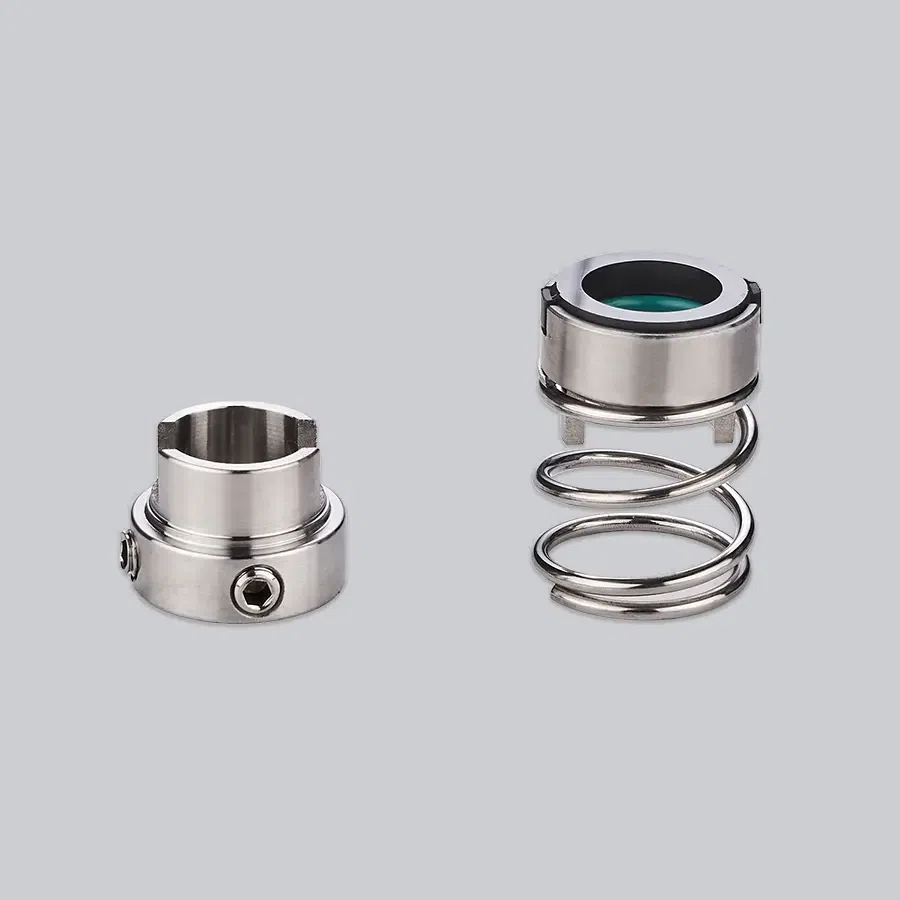
When replacing mechanical seals, choosing the right seal is crucial. Victor offers a wide range of mechanical seals suitable for various pump types and industries. Their seals are designed for easy installation and durability. Users should always select the appropriate seal based on the pump’s requirements. The wrong seal can lead to leaks, damage, or premature failure.
When choosing a replacement seal, consider the following important factors:
- Check the pumping environment. Examine the fluid’s pH, temperature, viscosity, and whether it is corrosive.
- Match the seal type to the application. High-pressure conditions require robust mechanical seals.
- Ensure the seal material is compatible with the fluid. This prevents swelling, cracking, or decomposition.
- Check the operating conditions. Temperature, pressure, and shaft speed all affect seal selection.
- Determine whether a single or double seal is needed. Some fluids require extra protection.
- Consider maintenance and repair. High-quality seals save time and money over their lifespan.
- If unsure, consult a pump expert.
Victor mechanical seals meet rigorous standards. They have passed durability and safety tests. Their seals have a longer lifespan than many other seals. For example, cartridge seals can last 2 to 4 years, while bellows seals can last up to 5 years.
The table can help you stay organized:
| Mechanical Seal Types | Expected Service Life Range |
|---|---|
| Single Spring | 1 – 2 years |
| Cartridge | 2 – 4 years |
| Bellows | 3 – 5 years |
Tip: For best results, be sure to follow the manufacturer’s instructions. If you have any questions, Victor’s support team can assist you.
Align and Install seal
Proper alignment ensures the new seal functions correctly and extends its lifespan. Before installation, all components should be inspected for damage. Measuring the shaft and housing helps confirm that the new seal is a perfect fit. Victor mechanical seals are designed for easy installation, so users do not need to modify the pump.
To align and install the seal, follow these steps:
- Inspect all components for cracks or wear.
- Use a dial indicator to check the shaft alignment. Correct any misalignment before proceeding.
- Ensure the housing is straight and centered. A straight edge or laser tool can be used for assistance.
- Clean all surfaces with a lint-free cloth and acetone.
- Gently press the seal into place. Never force or twist it.
Properly aligned seals prevent leaks and reduce wear. Victor seals make this step easier because they perfectly match the original equipment without any modifications.
Avoid common mistakes
Many people make mistakes when replacing mechanical seals. These mistakes can lead to leaks, damage, or pump failure. Victor wants users to successfully complete the replacement, so we’re sharing the following tips:
- Always check the specifications of the seal and the pump requirements. Do not skip this step.
- Clean all parts before installation. Dust or oil can damage the seal.
- Measure the shaft runout with a dial indicator. Address any issues before installing the seal.
- Follow the instructions for seal compression. Remove the locating clips only after tightening.
- Tighten the gland bolts in a cross pattern. Use a torque wrench to ensure even pressure.
- Keep the sealing surfaces parallel. Use an alignment tool if necessary.
- After installation, rotate the shaft two or three times by hand. It should rotate smoothly.
- Start the pump at a low speed. Observe for leaks or overheating.
Note: Carefully completing each step will help extend the life of the new seal and ensure safe pump operation.
Following these steps will allow you to confidently replace mechanical seals. Victor mechanical seals are reliable and help reduce downtime.
Reassemble and test mechanical seals
Reassemble pump
First, the new seal and all pump components should be inspected for any defects. If any problems are found, the seal must be replaced before continuing operation. Cleaning the pump body is crucial. The seal cavity must be clean and free of dirt and corrosion. Old gasket material should be removed from the housing and seal cover. Keep hands or gloves clean to prevent contamination of the new seal kit with oil or dirt. The lubricant supplied with the seal should be used, but avoid petroleum-based products. The lubricant should be applied to the back of the rotating element to hold it in place. The stationary component must be aligned perpendicular to the housing. The pump shaft should be rotated manually during assembly. This step maintains spring tension on the rotating element. Before starting the motor, the pump must be turned manually to ensure it does not run dry.
Tip: When installing the impeller, always use a new O-ring or gasket. This helps prevent leaks.
Reconnect and test for leaks
After reassembly, the housing should be reconnected using the original bolts. Each bolt must be tightened to the correct torque. Proper alignment of the pump is crucial. All components must be secure. The pump should be reconnected to the system, and all parts checked for alignment. Once ready, the equipment can be started and brought to normal operating conditions. Pay attention to any unusual noises or vibrations. While the pump is running, the seal area must be checked for leaks. If any leaks are detected or excessive heat is felt, stop immediately and inspect the seals. Pressure and temperature must be maintained within the manufacturer’s specified range. Running the equipment for a short test period helps confirm its stability.
| Step | Operation |
|---|---|
| Start Equipment | Note any unusual noises. |
| Check for Leaks | Visually inspect the sealing area. |
| Monitor temperature. | Feel for excess heat |
| Test Period | Run and observe performance |
Troubleshoot issues
If leakage occurs after replacing the mechanical seal, check for vibration. Loose bolts or improper alignment can cause problems. All valves and connections must be tightened. Clogged filters can impede fluid flow, so these components should also be checked. Ensure the mechanical seal is undamaged and installed correctly. The impeller shaft and bearings need to be properly aligned. The seal support system should be vented, and the valves set to the correct parameters. Victor mechanical seals offer proven durability and reliability. Many users have experienced stable performance and reduced leakage after installation. If the problem persists, re-examine each step or contact a pump specialist.
Note: Careful reassembly and testing will help pumps using Victor mechanical seals operate longer and more safely.
Following each step will yield the best results. Regular maintenance helps ensure the pump runs smoothly:
- Regularly inspect the seals and check for leaks.
- Observe the system pressure and its operation.
- Replace seals immediately if any damage is found.
Victor mechanical seals offer numerous advantages, ensuring long-term use:
| Advantages | Description |
|---|---|
| Prevent Leaks | Helps comply with environmental regulations. |
| Reduces friction and energy consumption | Saves energy, thus saving costs. |
| Extends pump lifespan | Helps extend the lifespan of shafts and bearings. |
| Reduces maintenance requirements | Requires less frequent replacement than traditional packing seals. |
FAQ
How often should mechanical seals be inspected?
Mechanical seals should be inspected monthly. Frequent inspections help prevent leaks and major repairs. Victor recommends regular maintenance for optimal performance. Early detection of problems helps extend the lifespan of the pump.
What are the signs that a mechanical seal needs replacing?
Leaks, vibrations, or unusual noises should be noted. If the area around the seal is hot, it indicates a problem. Victor mechanical seals can effectively address these issues, but timely action ensures safety and smooth operation.
Are Victor mechanical seals suitable for all pumps?
Victor mechanical seals are suitable for most pumps. Victor manufactures seals that are easy to install and compatible with a wide range of pumps. Users do not need special adapters. This saves time and avoids errors.
What tools are needed to replace a mechanical seal?
A wrench, screwdriver, caliper, and safety equipment are needed. Victor mechanical seals do not require additional adapters. Having a clean workspace and the right tools makes the job easier and safer.
Why choose Victor mechanical seals over other brands?
Victor offers robust and durable seals, easy installation, and reasonable prices. Their seals meet stringent international standards. Many companies trust Victor because it delivers excellent results and saves costs in the long run.