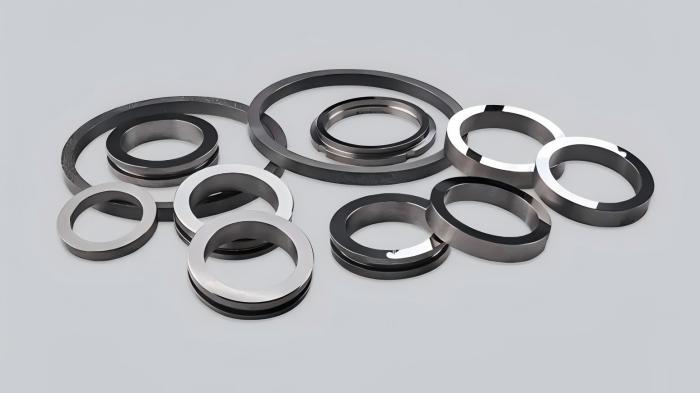
Shaft seal damage is typically discovered when there’s a liquid leak. They might notice low oil levels or water accumulation. Rust may also be present. Additionally, unusual noises may be heard. Victor has been working with mechanical seals for 27 years. He’s dedicated to helping machines operate efficiently in harsh environments. Regular inspections allow for early detection of problems, ensuring safe and reliable equipment operation. Many experts have observed cracks or overheating in seals. These signs indicate that the health of the shaft seal is crucial in all industries.
Key Takeaways
- Check for oil or liquid leaks near the shaft seal. This indicates the seal may be damaged.
- Regularly inspect the seal for wear, cracks, or bending. Early detection can prevent costly repairs.
- Try a soap and water test to find leaks. If bubbles appear, there’s a problem requiring repair.
- Choose a sealing material suitable for your work. This helps extend the life of the seal and saves costs.
- Keep the machine clean and properly maintained. Good maintenance extends the life of the shaft seal and improves its performance.
Common Signs of a Bad Shaft Seal
Shaft Seal Leakage
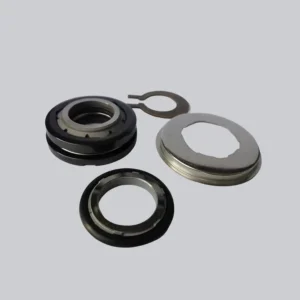
Shaft seal leakage is common in pumps and rotating equipment. Many factors can cause shaft seal leakage, such as dry running, chemical corrosion, or overheating. Sometimes, the seal may wear out or be improperly installed. Shaft seal leakage is generally considered a common problem because there are weak points in the seal, such as O-rings or gaskets. These parts can wear out or accumulate dirt. Mechanical seals, such as those manufactured by Victor, help control fluid leakage. They don’t always completely stop leaks, but they can prevent most fluid leaks. When shaft seal leakage worsens, it means the seal is failing and needs maintenance.
Visible Fluid or Oil Leaks
One of the most obvious signs of shaft seal failure is oil leakage. One may see oil accumulating around the seal or on the ground. This clearly indicates that the seal is not working properly. Other signs include:
- Oil stains or puddles near the equipment
- Grease on wheels or moving parts
- Discoloration or particles in the oil indicate contamination
- Grooves or scratches on the shaft indicate wear
- Hardening or cracking of the sealing lip
Victor mechanical seals are designed to reduce oil leaks and ensure smooth machine operation. Regular inspections help detect these problems early.
Shaft Seal Water Pooling or Collection
Water accumulation is another sign of shaft seal failure. One may notice water accumulating behind the pump, especially in dry areas. Sometimes, water seeps into the motor, causing damage. When water accumulates around the equipment, it can lead to overheating and further mechanical failures. The rotating motion of the shaft draws in water, which cools and lubricates the sealing surfaces. If the seal is already damaged, this water will worsen the situation. Victor seals are designed for harsh operating conditions and effectively prevent water ingress.
Shaft Seal Corrosion or Rust
Corrosion and rust are often signs of shaft seal failure. When oil or water seeps through the seal, it comes into contact with the metal parts. This contact causes a chemical reaction, leading to surface rust or pitting. Signs of corrosion include:
- Discoloration or rusting of the seal or nearby components
- Pores or pits appearing on the metal surface
- Increased leakage and reduced equipment efficiency
When a shaft seal fails, it also releases lubricant used for moisture protection. Without this protection, rust forms more quickly. Victor uses high-quality materials to prevent corrosion and ensure equipment safety.
Shaft Seal Unusual Noise
Abnormal noises can be a sign of a problem with the shaft seal. One may hear grinding, humming, booming, rattling, or other metallic sounds. These noises usually indicate worn seal faces or shaft misalignment. Increased vibration is also a clue. Vibration analysis helps detect these problems early so that repairs can be carried out before larger problems occur.
| Symptoms | Description |
|---|---|
| Increased vibration | Indicates misalignment or uneven wear on the seal surface, eventually leading to failure. |
| Unusual noises | Grinding or humming sounds indicate a mechanical failure in the shaft seal. |
The Victor team uses advanced tools to check for these signs to ensure proper machine operation.
Tip: Regularly checking for oil leaks, water accumulation, and unusual noises helps detect shaft seal problems early. This ensures equipment safety and reduces downtime.
Causes of Shaft Seal Failure
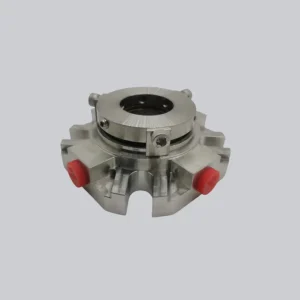
Understanding the causes of shaft seal failure helps extend the life of your machine. Many factors can damage shaft seals. Here are some of the most common causes and how to detect them before bigger problems arise.
Shaft Seal Wear and Tear
Seals are constantly moving and subjected to pressure, leading to wear. High-load machinery puts even greater pressure on seals. High temperatures, high pressures, and high-speed operation accelerate seal wear. In harsh environments, a seal’s lifespan may be only a few hundred hours. Regularly inspecting seals helps detect problems early. Worn seals can be replaced before excessive oil leakage occurs.
Shaft Seal Improper Installation
Incorrect shaft seal installation can damage the shaft seal. Leaks can occur if it is misaligned or not properly tightened. Using the wrong size seal can also cause problems. The following table lists common installation errors and their solutions:
| Installation Error | Description |
|---|---|
| Improper end face load | Uneven pressure can cause leaks or overheating. |
| Improper shaft preparation | Burnt or dirty material can damage the seal during installation. |
| Over-tightening or under-tightening | Can cause seal deformation or poor sealing. |
| Incorrect Seal Size | Both oversized and undersized seals can cause leaks and rapid wear. |
| Misalignment with adjacent parts | Can cause vibration and damage to the seal. |
Victor Seals adheres to stringent specifications to mitigate these risks. Properly performing each step helps detect leaks and prevent premature seal failure.
Contaminants or Debris
Dirty, dusty, water, and fine metal shavings can damage shaft seals. These substances can become trapped on the sealing lip and wear down the seal. Over time, this can cause the seal to crack, shortening its lifespan. Debris can also cause “flare wear,” meaning uneven wear of the seal. Keeping the machine clean and using filters helps detect seal problems and ensures proper machine operation.
Incorrect Seal Material
Choosing the wrong seal material can lead to its rapid failure. Strong chemicals or excessively high or low temperatures can damage seals and cause leaks. High temperatures can harden and crack the seal. Low temperatures can deform the seal. Chemicals can cause the seal to swell or crack. Victor uses high-quality materials that meet stringent standards, resulting in longer-lasting seals. Choosing the right seal material for each job helps prevent seal damage and ensures safe machine operation.
Note: Always choose a seal material that matches the chemicals and temperatures you are using. This simple step can prevent seal damage and save on repair costs.
What to Do About a Bad Shaft Seal
Inspect for Shaft Seal Leakage
Regularly checking the shaft seal can detect problems early. Here’s a simple inspection method:
- Carefully inspect the seal and surrounding components. Check for cracks, wear, or damage.
- Ensure the seal is installed in the correct position. A misaligned seal can cause leaks.
- Inspect the seal surface for scratches or damage.
- Check that the machine is operating at the correct pressure and temperature.
- Check that the oil or grease level is sufficient. Dry seals can cause overheating and failure.
- Check that the shaft is aligned with the motor. Misalignment can cause seal wear.
- Check the O-rings for bulging or cracks.
- Ensure the sealing material is compatible with the internal fluid.
- Check for scratches on the seals from dust or metal debris.
- Record the inspection results. This will help with future maintenance.
Tip: Regular inspections help prevent leaks and extend the machine’s lifespan.
Test the Seal (Soapy Water Method)
The soap and water method is a simple leak check:
- Mix soap with warm water and pour the mixture into a spray bottle.
- Spray the solution around the shaft seal.
- Observe for bubbles. Larger bubbles indicate a leak.
This method is suitable for finding larger leaks. For minor leaks, experts use specialized tools. However, this test can help most people detect problems before they worsen.
When to Seek Professional Help
Sometimes, problems require expert intervention. Contact a professional if you notice the following:
- Persistent signs of wear or damage
- Unusual noises or vibrations
- Water or oil-water mixing
- Problems with installing or selecting the right seal
Professionals can install new seals, examine deeper issues, and offer advice. Victor’s team can help you select the best mechanical seal for every job.
Preventative Maintenance Tips
Good maintenance ensures proper shaft seal operation. Here are some tips:
- Never let the seal dry out. Always keep fluid between the sealing faces.
- Avoid excessive vibration. Operate the machine at optimal speed.
- Use appropriate cooling oil or grease.
- When installing new seals, follow the manufacturer’s instructions.
- Keep the work area clean to prevent dust from entering.
- Train workers to operate the seals correctly.
Regular maintenance checks help detect problems early. This saves costs and ensures equipment safety.
Note: Victor mechanical seals provide strong protection and help prevent leaks under harsh operating conditions.
Early detection of shaft seal failures helps save money and ensures machine uptime. When a shaft seal fails, leaks, rust, or unusual noises may be observed. Regular inspections and timely problem-solving can avoid high repair costs and prevent machine downtime. Victor’s mechanical seals, made with robust materials and cleverly designed, help extend the life of your equipment. Cleaning parts and selecting the appropriate seal type can reduce failures. Training workers to install seals correctly is also crucial. Choose Victor for longer machine uptime and excellent support. Quickly resolve problems, protect your equipment, and avoid exorbitant costs.
FAQ
What is the function of a shaft seal?
A shaft seal prevents fluid leakage and keeps dust or water out of the machine. It helps the machine run smoothly and prevents leaks.
How often should I check my shaft seals?
Most experts recommend checking shaft seals during regular maintenance. For busy machines, monthly checks are ideal. Less frequently used equipment may need to be checked every few months.
Can a failed shaft seal cause other problems?
Yes! Damaged shaft seals can cause leaks, rust, and even damage other machine parts. Early repairs can save time and money.
How to Choose the Right Shaft Seal?
| Factor | What to Consider |
|---|---|
| Material | Match with fluid and heat |
| Size | Fit the shaft exactly |
| Application | Check pressure and speed |
The Victor team can help you choose the best shaft seal for any job.