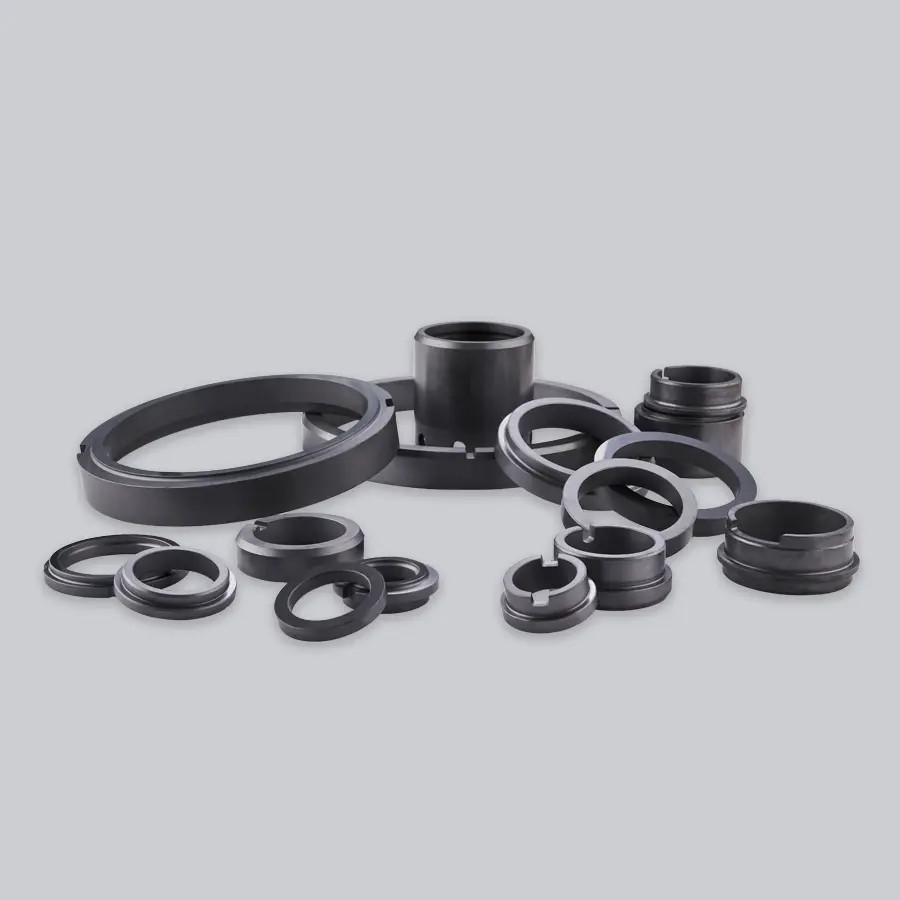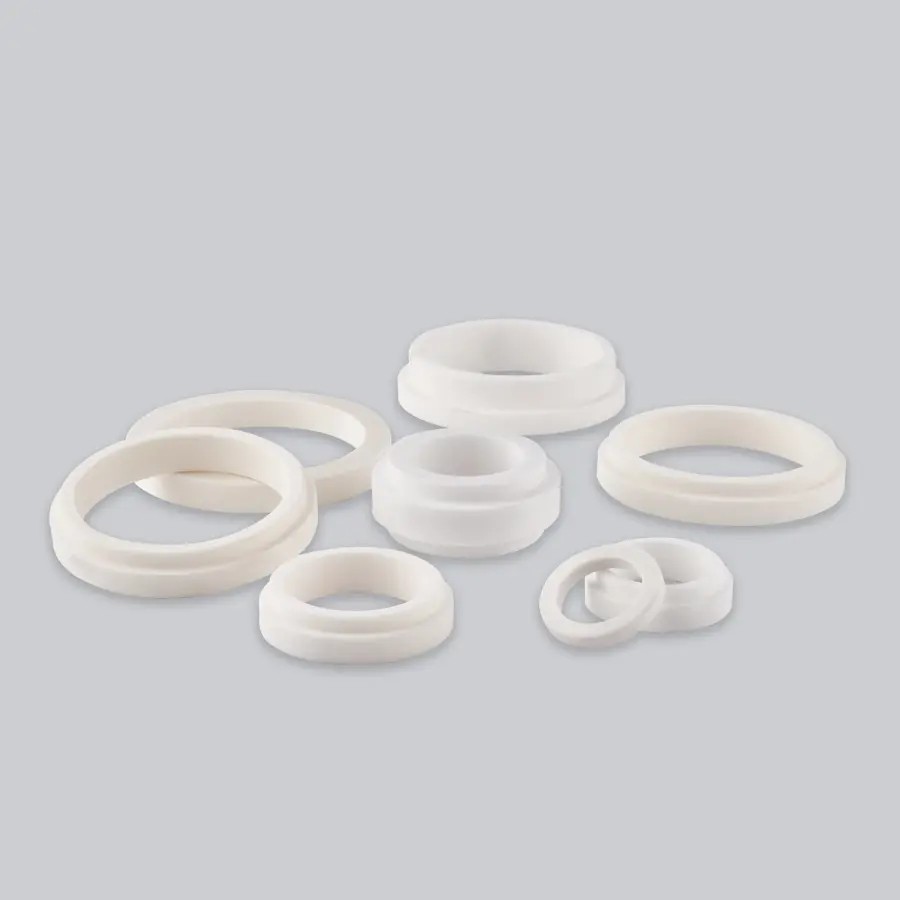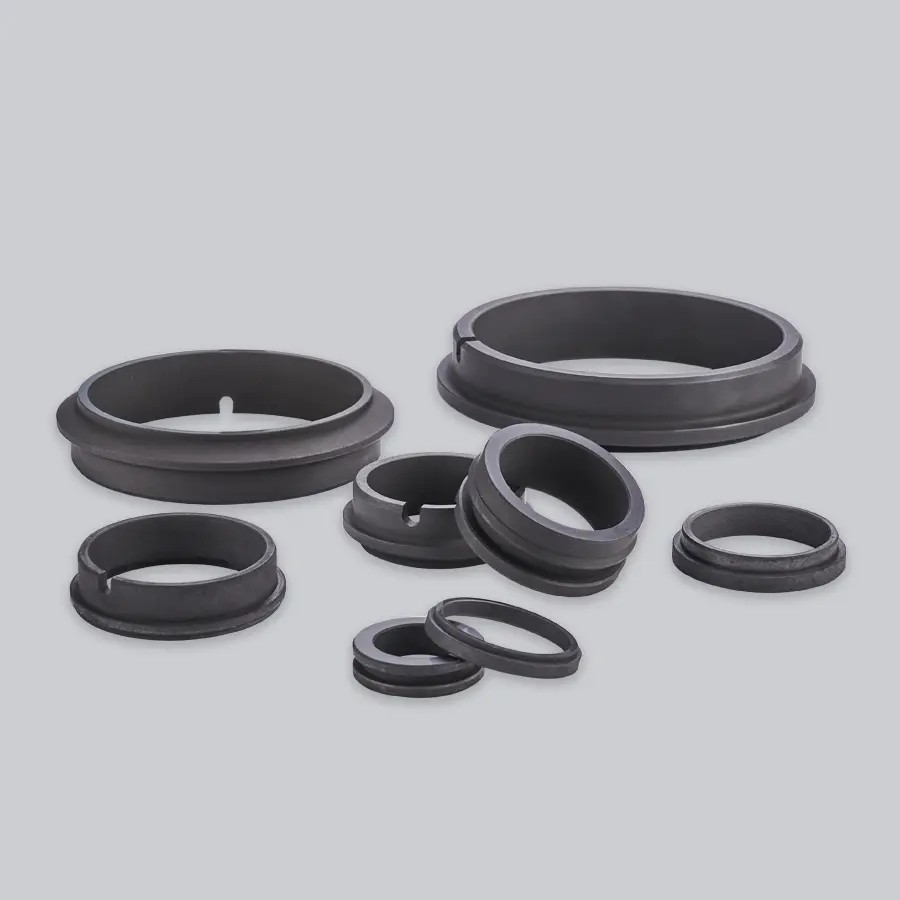
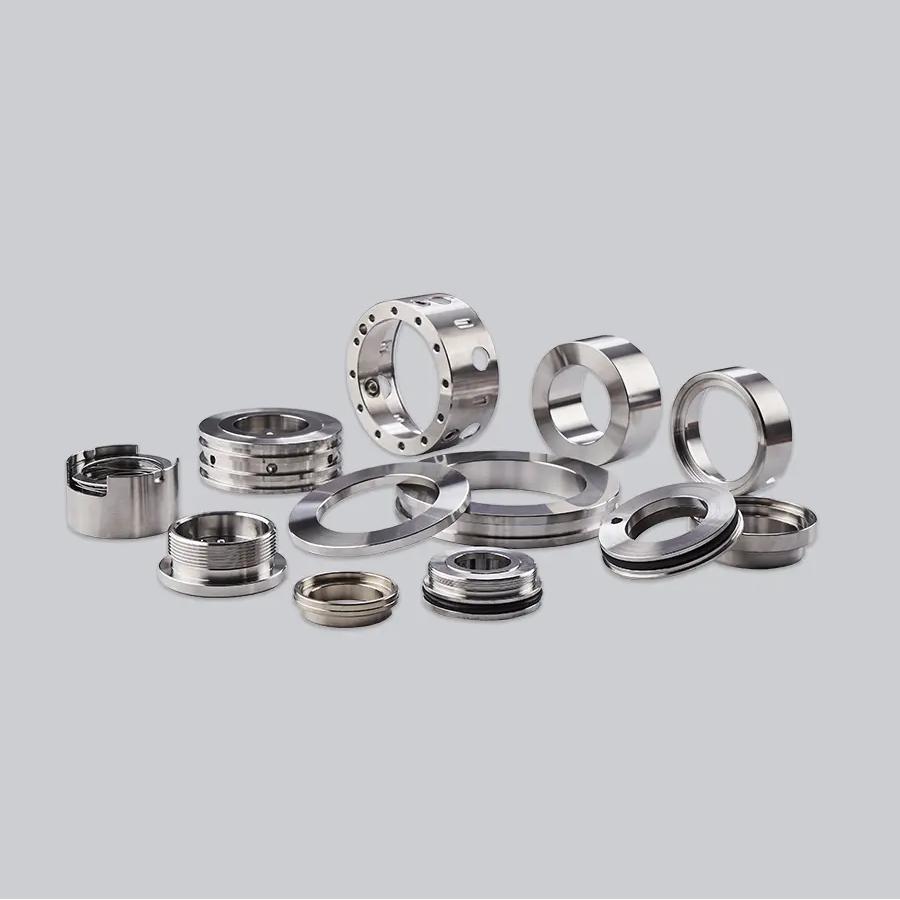
Mechanical Seal Spare Parts

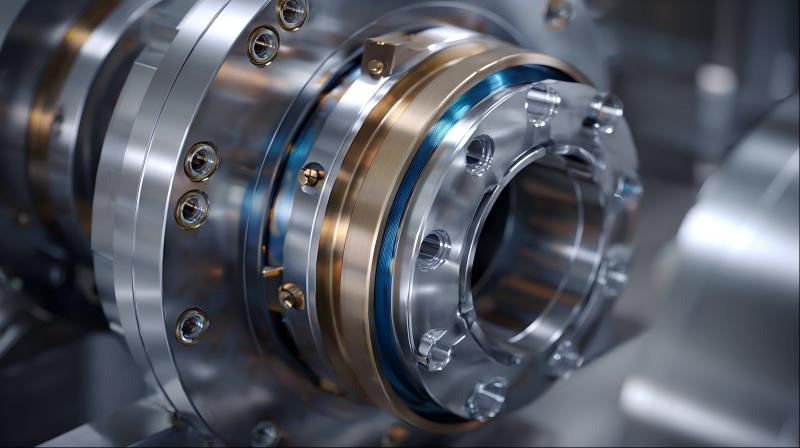
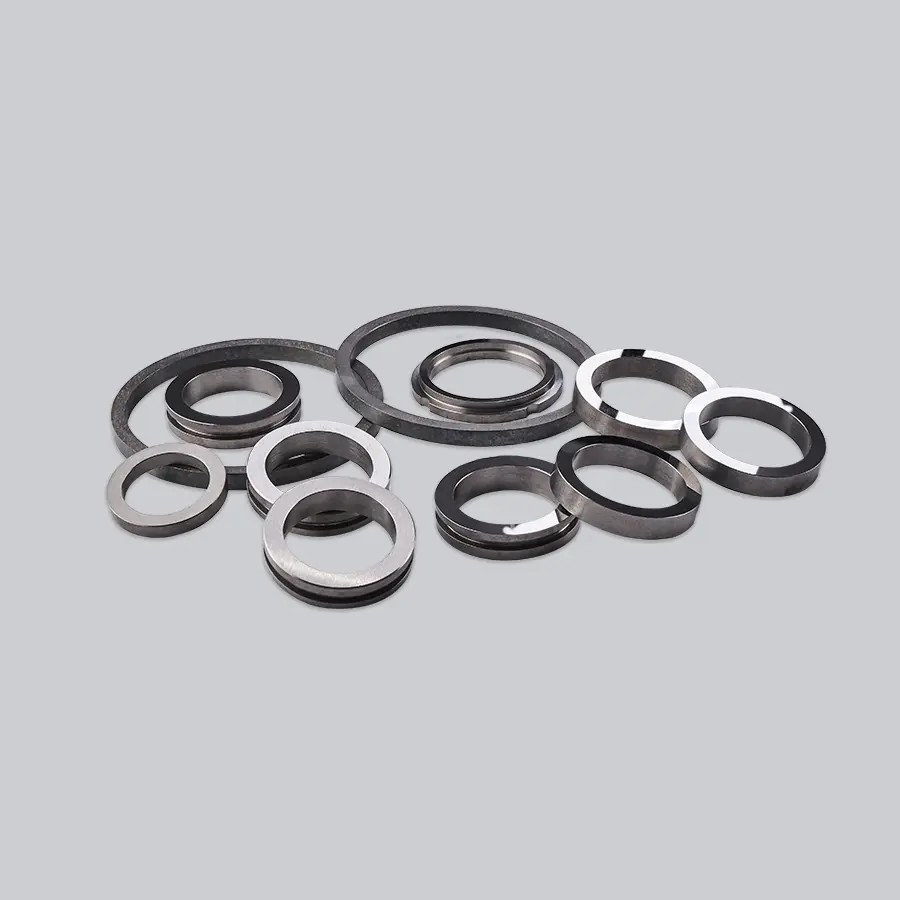
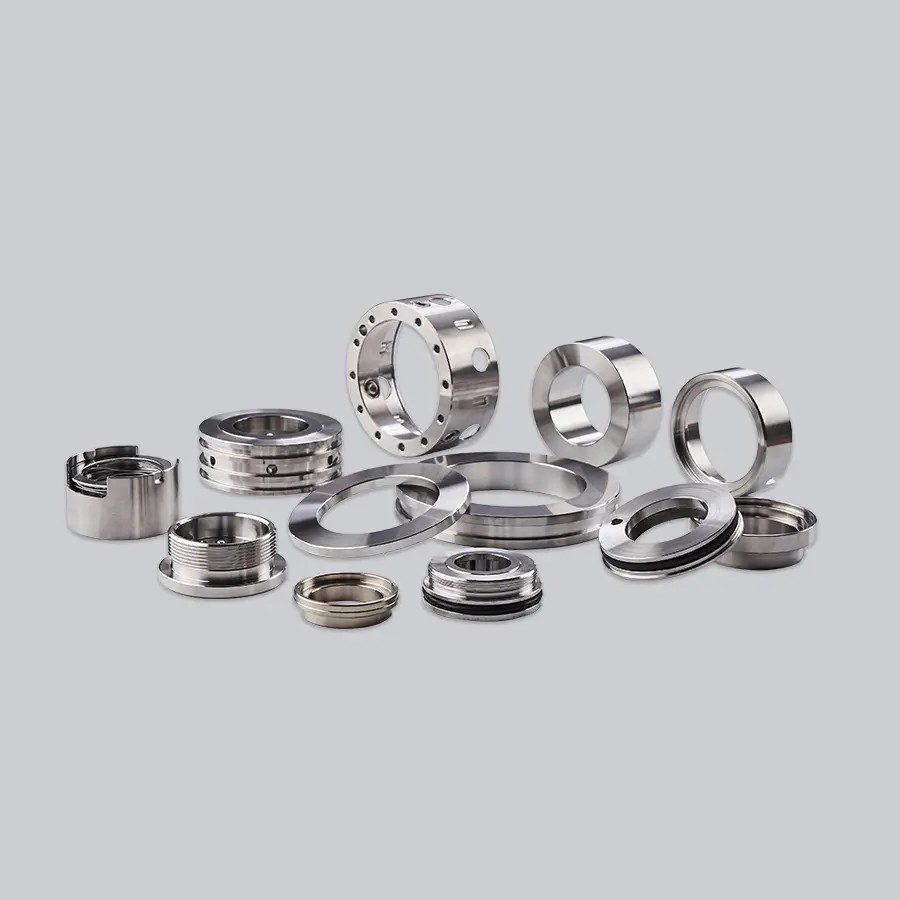
We supply a full range of pump seal parts, from standard designs to custom-made solutions. Simply provide your drawings or samples, and our expert team will create mechanical seal spare parts to meet your unique needs.

Competitive Pricing

Victor provides high-quality pump seals at prices that are consistently 10% lower than industry peers. It allows our customers to achieve better value without compromising on sealing performance.

OEM Compatibility

Our expertise includes developing OEM mechanical seals for globally recognized pump brands, such as IMO, ABS, Grundfos, Alfa Laval, Lowara, Allweiler, KRAL, Fristam, Emu, APV and Flygt.

Global Trust

We are registered in more than 30 countries, reflecting the international trust in our products. This global presence ensures material quality standards are recognized and accepted worldwide.

Skilled Manufacturing

With a dedicated factory space of 3,800 m² and a team of 40 technical experts, we maintain strict control over material selection and processing, ensuring consistency and reliability in every seal we produce.

mechanical seal part FAQ

Related blogs

Acquire all kinds of knowledge from professional China pump mechanical seal manufacturer

What happens when a pump seal fails?

When the pump seal fails, the liquid leaks quickly. It is possible to create a leakage meeting, and it is possible to create a meeting. It is possible for the workers to repair the machine, and the cost of the general wear and tear is large. As a result of leakage of

Read More »

How to replace the mechanical seal of a pump?

Anyone can replace a pump’s mechanical seal by following these simple steps. Safety is paramount, so be sure to wear gloves and safety glasses. With the right tools, both novices and experts can successfully complete the replacement by accurately measuring the key components. These components include the shaft diameter and gland depth.

Read More »

how to fix mechanical seal in water pump?

When fixing a water pump seal, start by turning off the power and disconnecting the pump from the system. Remove the old seal and install a new cartridge mechanical seal to ensure reliable performance. Safety is crucial throughout the process, as leaks from a faulty water pump seal can lead

Read More »

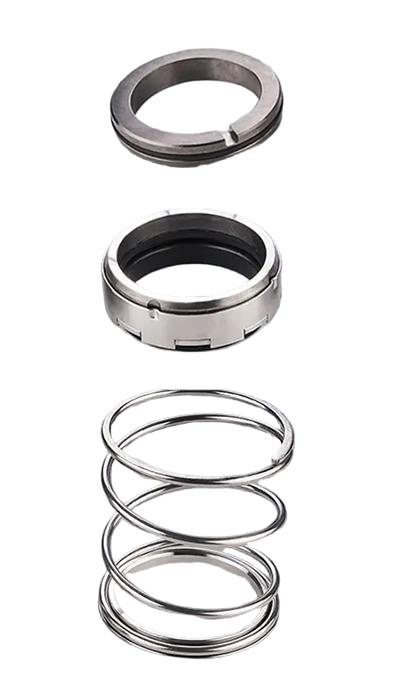
what are the parts of a mechanical seal?

1. Rotary Face (Rotating Ring)
The rotary face, also known as the rotating ring, is mounted on the pump shaft and rotates together with it. It forms one side of the main sealing surface. This component is typically made from materials such as carbon, silicon carbide, or tungsten carbide to ensure excellent wear resistance and stable performance under high-speed operation.

2. Stationary Face (Seat)
The stationary face, or seat, is fixed in the pump housing or gland plate and remains immobile during operation. It works in direct contact with the rotary face to form the primary sealing interface. Common materials include ceramic, silicon carbide, and tungsten carbide for high durability and sealing precision.

3. Secondary Seals
Secondary seals include O-rings, gaskets, or bellows that prevent leakage between the metal parts of the seal assembly. They provide flexible, reliable sealing where metal-to-metal contact cannot. Depending on the operating environment, materials such as Viton, EPDM, NBR, or PTFE are selected for optimal chemical and temperature resistance.

4. Spring or Spring Set
The spring or spring set applies the necessary pressure to keep the sealing faces in close contact, ensuring a consistent seal even as parts wear over time. Depending on the design, it may consist of a single spring, multiple small springs, or a wave spring to suit various applications.

5. Retainer / Collar
The retainer, also known as the collar, connects the rotary face to the shaft and holds the rotating parts firmly together. It ensures that the motion of the shaft is accurately transferred to the rotary face for consistent performance.

6. Gland Plate
The gland plate secures the stationary components in place and fastens the seal assembly to the pump housing. It may also feature ports for flushing, cooling, or barrier fluid, depending on the seal system configuration.

7. Drive Mechanism
The drive mechanism transmits torque from the shaft to the rotary face, ensuring both rotate synchronously. Common drive types include drive pins, set screws, or keyways, designed to prevent slippage and maintain sealing efficiency.