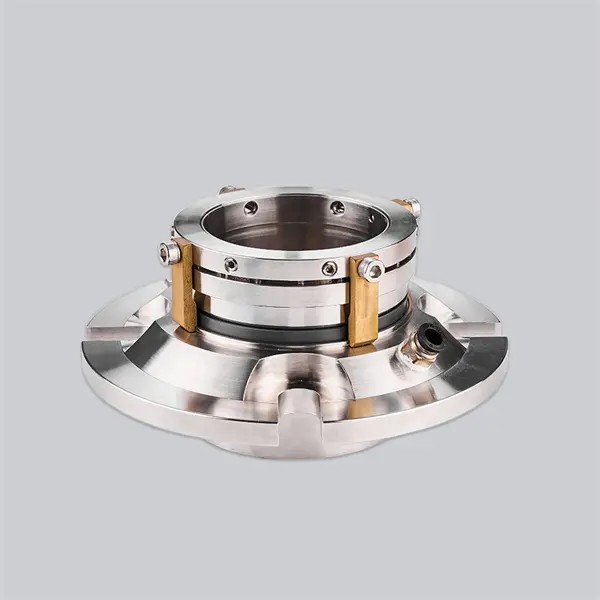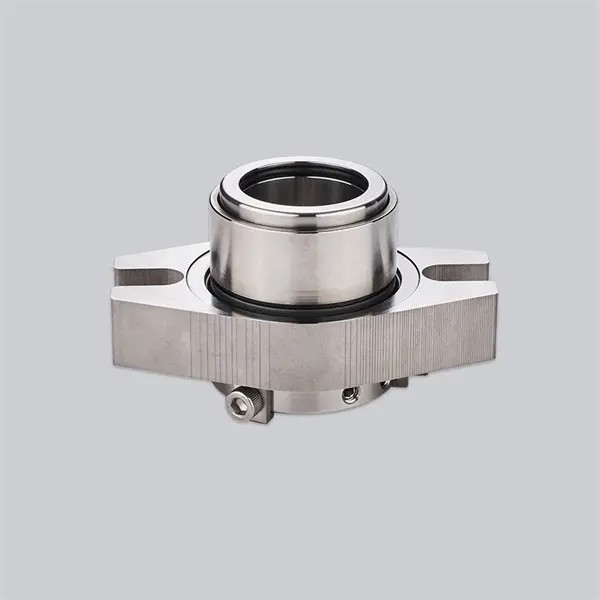
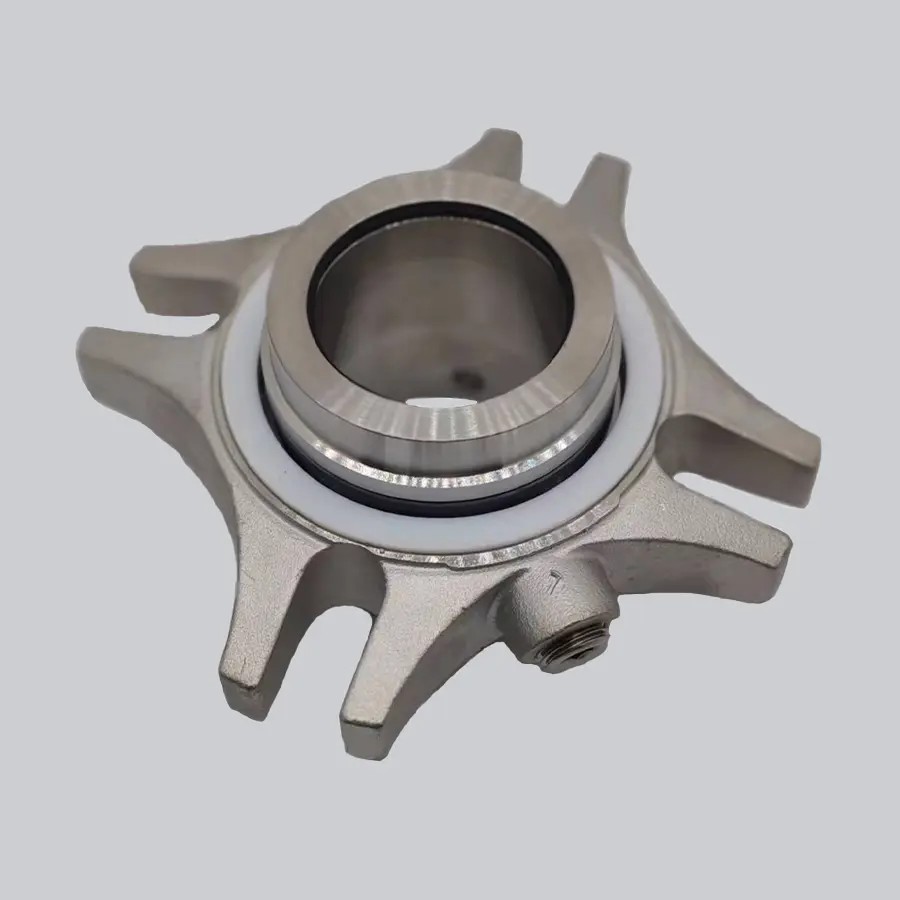
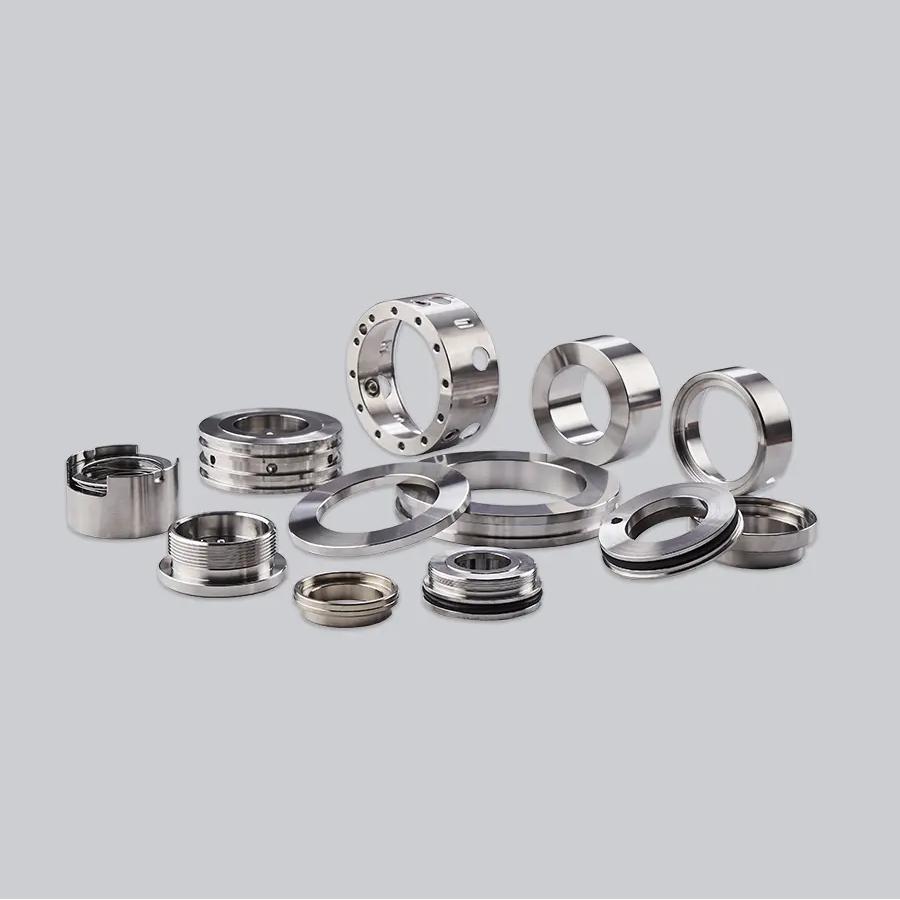
Cartridge mechanical seals are pre-assembled, factory-set sealing units that integrate the sleeve, gland, seal faces, springs, and all necessary elastomers into a single module. With preset alignment maintained by setting clips, they allow fast, error-free installation and eliminate the fine adjustments required by component seals.
customized cartridge seal engineering
Victor develops cartridge mechanical seals tailored to specific pump designs and operating conditions, ensuring precise fit, stable alignment, and reliable sealing even in demanding applications. We also provide engineered-equivalent cartridge seals for many OEM brands—including IMO, Grundfos, Alfa Laval, Flygt, ABS, Lowara, Allweiler, KRAL, Emu, APV, Fristam, and others.
extensive stock for rapid supply
With a large stock of standard cartridge seal models, Victor minimizes downtime by enabling fast delivery and immediate replacement—ideal for facilities that prioritize quick maintenance and reduced operational interruption.
strict quality validation
Each cartridge seal is fully inspected and pressure-tested as a complete unit before shipping. Dimensional verification, face alignment checks, and leakage testing ensure consistent performance and long service life in the field.
Victor provides high-performance cartridge mechanical seals, engineered for demanding industrial applications and consistent sealing reliability. Each model below is designed with robust construction, easy installation.
A cartridge mechanical seal works by creating a precision, dynamic interface between a rotating shaft-mounted face and a stationary housing face. These two ultra-flat faces are factory-pre-assembled in a cartridge unit — one face rotates with the pump shaft, while the other remains fixed to the pump housing.
During operation, a thin fluid film forms between the seal faces. This film — from the pumped fluid or a flush/buffer liquid — lubricates and cools the faces while maintaining an effective seal barrier. Concurrently, internal springs or bellows inside the cartridge apply a pre-set closing force to keep the faces in contact under varying pressures.
Because the cartridge is factory aligned and spring tension preset, the risk of installation error is minimized. The seal simply slides onto the shaft, is secured, and the setting clips are removed — making installation quicker and reducing chances of leakage due to misalignment or incorrect compression.
Victor cartridge mechanical seals are engineered for versatility—one pre-set, self-contained design that adapts to a wide range of pumping conditions across multiple industries. Whether dealing with clean water, corrosive chemicals, lubricating oils, or sanitary-grade process fluids, these seals ensure stable, reliable performance with minimal installation error.
Cartridge seals perform exceptionally well in oil-handling pumps where high pressure, temperature fluctuations, and lubricating media require stable face loading. Their integrated gland and sleeve design minimizes installation errors and ensures consistent sealing performance in lube oil, fuel oil, and hydraulic oil systems.
For clean or slightly contaminated water systems, cartridge seals provide dependable leakage control and long service life. The pre-set spring compression prevents over-tightening during installation, making them ideal for municipal water pumps, HVAC circulation pumps, and industrial water transfer systems.
In pharmaceutical processes that demand hygienic and contamination-free operation, cartridge seals offer controlled face alignment and smooth, stable sealing performance. Their compact, enclosed design reduces the risk of product contamination and supports CIP/SIP cleaning requirements.
Cartridge seals built with corrosion-resistant materials (such as SiC, Hastelloy, or PTFE components) are ideal for pumps handling aggressive chemicals. The isolated, self-contained seal chamber helps protect metal parts from direct chemical attack, ensuring reliable sealing in acid, alkali, and solvent processes.
Understanding the difference between single and double cartridge mechanical seals is essential for selecting the right sealing solution for your pump system, especially when balancing reliability, leakage control, and operating conditions.
A single cartridge seal uses one pair of seal faces to control leakage, making it a straightforward and economical choice for clean, non-hazardous, and well-lubricating fluids. Because all sealing action depends on one interface, reliability is closely tied to the quality of the process fluid film—any dryness, solids, or vapor pressure instability increases wear and leakage risk. In short, single cartridge mechanical seal is ideal when the pumped medium poses low environmental risk and operating conditions are stable.
A dual cartridge seal incorporates two sets of seal faces with a buffer or barrier fluid circulating between them. This secondary sealing interface provides an extra layer of protection, allowing the seal to handle toxic, abrasive, or volatile media that cannot be safely released. The pressurized barrier system also ensures consistent lubrication and cooling regardless of the process fluid quality. Thus, double cartridge seals offer higher reliability and containment in demanding services, especially where safety, emissions control, or uptime is critical.
Material selection plays a decisive role in the durability and stability of single spring seals. By combining hard, soft, and elastomeric materials strategically, Victor’s single spring seals deliver balanced performance, extended service life, and reliable sealing even under fluctuating conditions.
Carbon: Carbon offers excellent lubricity and low friction, helping cartridge mechanical seals run cooler and more stable. It is a cost-effective choice for clean water, light chemicals, and general industrial pumps.
Silicon Carbide (SiC): SiC provides very high hardness and strong wear resistance, making it ideal for cartridge seals used with abrasive fluids or high-pressure conditions. It also performs well in chemical and wastewater applications.
Tungsten Carbide (TC): TC delivers exceptional strength and durability, suitable for heavy-duty cartridge seal applications. It handles high mechanical loads and is reliable in oil & gas, slurry handling, and harsh industrial processes.
Viton (FKM): Viton resists heat, oils, fuels, and many chemicals, making it a versatile secondary seal material for cartridge seals in petrochemical and industrial processing pumps.
EPDM: EPDM is highly resistant to water, steam, and polar fluids, making it suitable for cartridge seals in hot water systems, HVAC pumps, and certain food or pharmaceutical applications.
AFLAS: AFLAS withstands high temperatures and aggressive chemicals such as amines and strong bases. It is ideal for cartridge seals operating in chemical plants, power systems, and harsh fluids.
PTFE: PTFE offers outstanding chemical inertness and is used in cartridge seals for acids, solvents, and highly corrosive media. It provides long life but requires precise design due to its low elasticity.
304 Stainless Steel: 304 stainless steel provides good corrosion resistance and strength, making it a dependable option for general-purpose cartridge mechanical seals in water and light chemical applications.
316 Stainless Steel: 316 stainless steel offers enhanced corrosion resistance, especially to chlorides and harsh chemicals. It is preferred for cartridge seals used in marine, chemical, and corrosive service environments.
Acquire all kinds of knowledge from professional China pump seal manufacturer

Double-layer sealing is a road surface treatment method. It uses two layers of asphalt and aggregate. This method helps protect roads from water and traffic damage. Engineers choose this sealing method for busy roads because it is more durable than other methods. Understanding different types of mechanical seals is crucial for many industries.
Many water pump failures are caused by problems with the seals. Studies show that approximately 70% of water pump failures are caused by mechanical seal issues. Leaks are often noticed due to dry running, overheating damage, or misalignment of the seal ring. Technicians must follow safety rules and use the correct
When the water pump seal fails, coolant will leak. The engine may overheat rapidly. Early detection can prevent costly repairs. Car owners should act quickly and choose high-quality mechanical seals, such as Victor mechanical seals, to ensure vehicle safety. Key Takeaways What Happens When a Water Pump Seal Fails Coolant Leakage and Loss
The biggest difference between Type 1 and Type 2 mechanical seals lies in their manufacturing process and sealing principle. Victor’s seals are robust and durable, effectively preventing leaks in pumps and machines. Their products are of exceptional quality, which is why many companies trust Victor when they need durable and reliable products. Key Takeaways

A cartridge mechanical seal is a preassembled, self-contained unit that includes the gland, sleeve, and all sealing components with factory-set clearances. This design makes installation fast, accurate, and less dependent on technician skill—reducing measurement errors, misalignment, and startup failures. Cartridge seals also protect the shaft and offer higher reliability, though they cost more and require slightly more space.
A non-cartridge (component) mechanical seal comes as individual parts that must be installed and set manually on the pump shaft. While it is more affordable and flexible for small pumps, it requires skilled installation and precise measurements. Incorrect assembly can shorten seal life or cause immediate failure, and exposed components are more prone to handling damage.
Victor provides both high-quality cartridge mechanical seal and component mechanical seal.
Installing a cartridge mechanical seal is generally more straightforward than installing a component seal because the seal is pre-set at the factory. However, correct procedure is still essential for reliable operation. You can always consult Victor’s technical specialists for professional installation guidance. Here is the simplified process:
Double cartridge mechanical seals are available in several main configurations, each suited to different application needs. The most common types are:
Each configuration balances trade-offs between sealing reliability, installation space, barrier fluid handling, and suitability for specific media (corrosive, hazardous, slurry, etc.).
For inquiries about our products or pricelist, please leave your email to us and we will be in touch within 24 hours.
About Victor
Contact Victor