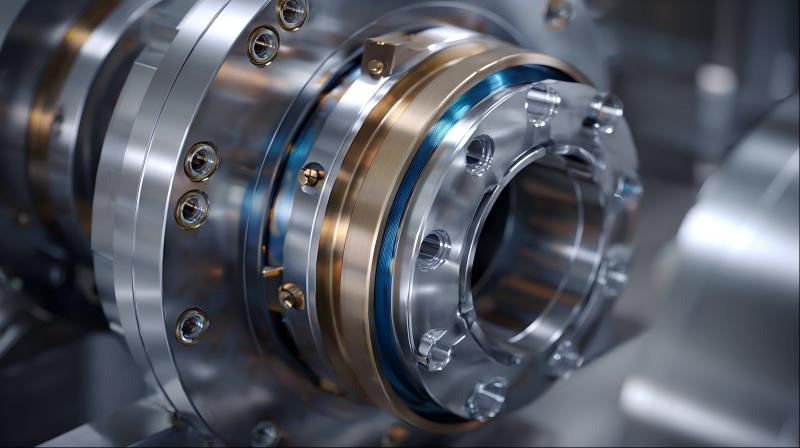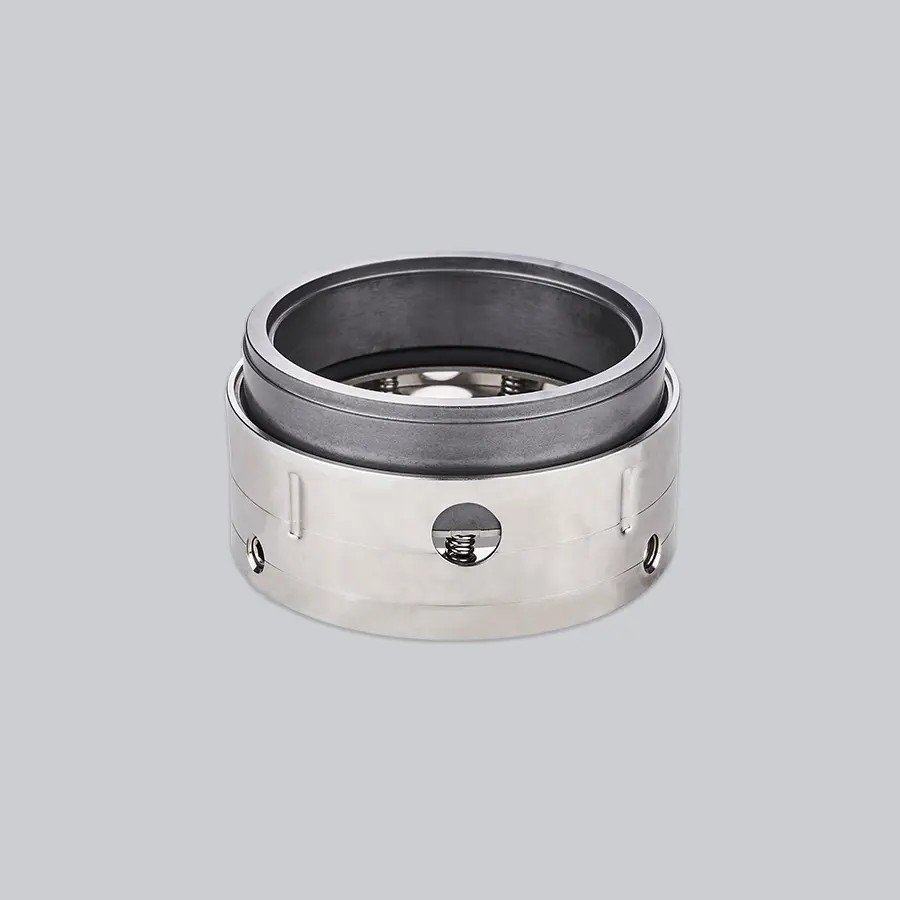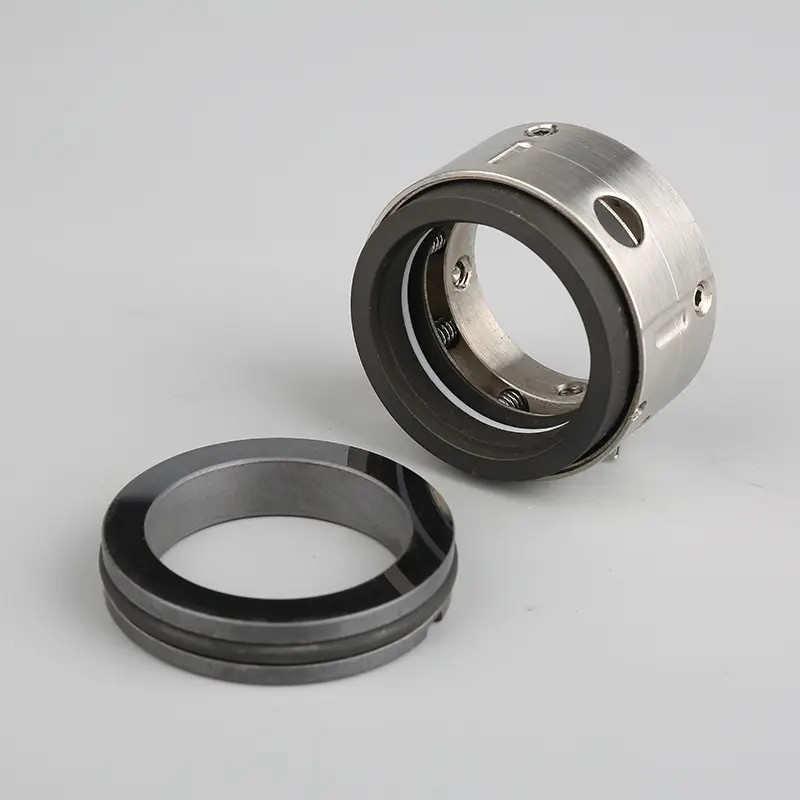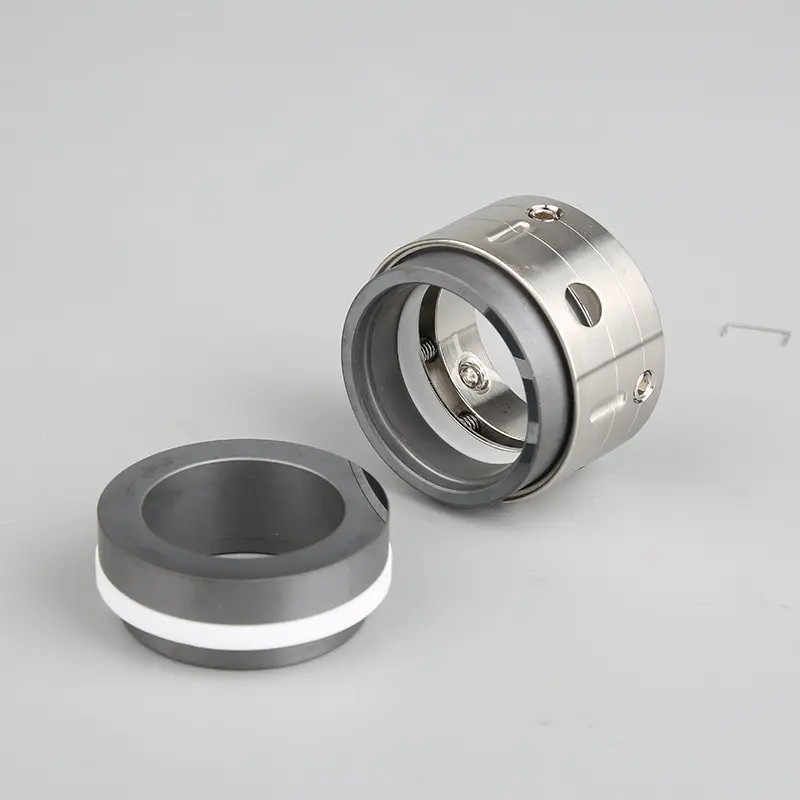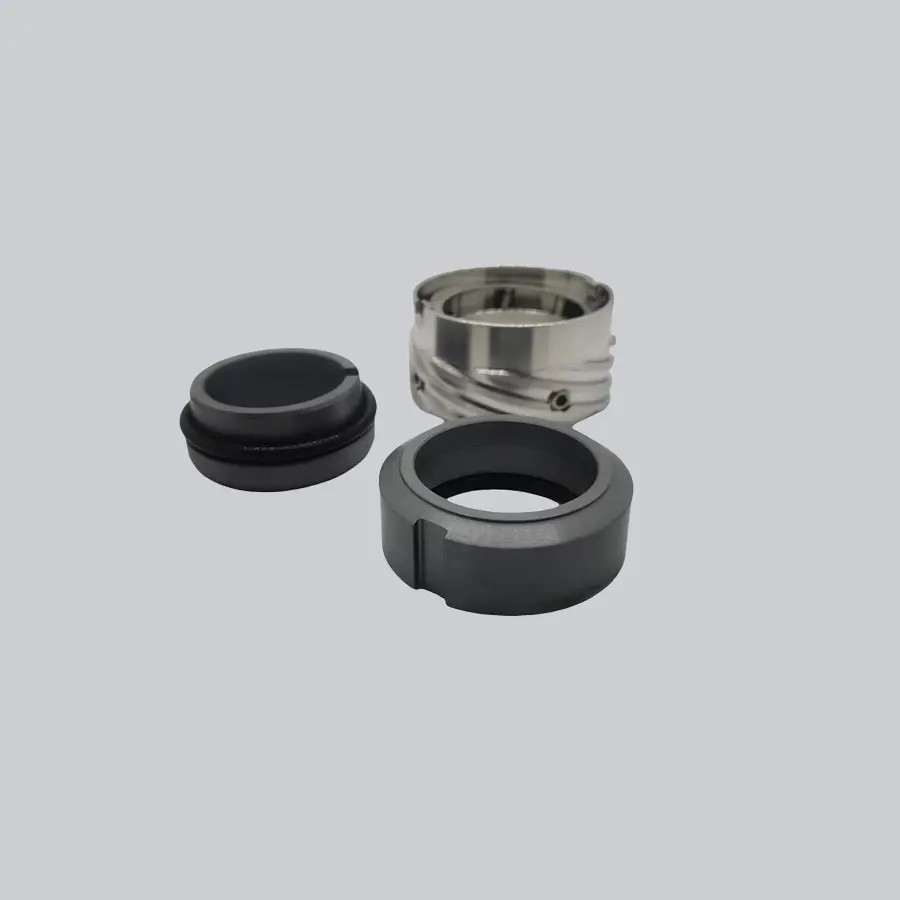
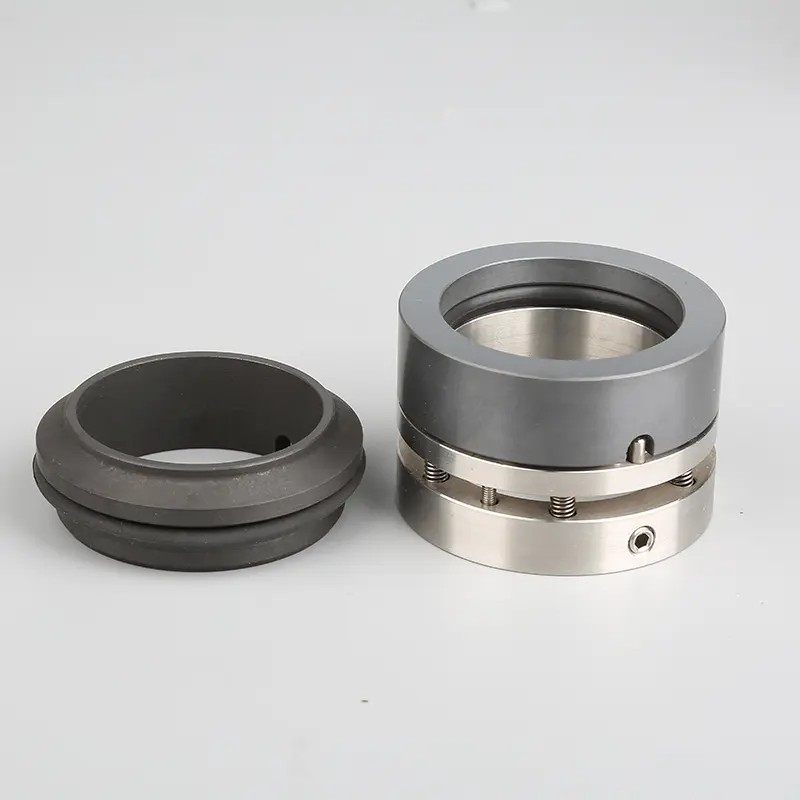
A multi spring mechanical seal is engineered for stable, consistent performance across a wide range of pump applications. Its multiple small springs apply an even, uniform face load, ensuring better balance and higher pressure capability than traditional single-spring designs. This uniform force distribution helps reduce wear, maintain reliable sealing, and extend overall service life.
strict quality control process
Every mechanical seal undergoes full dimensional inspection, pressure-leak testing, and sample checks during production. Our rigorous QC workflow ensures stable, repeatable performance even in demanding marine and industrial environments.
large inventory for reduced lead time
With extensive stock of finished seals and spare components, we keep orders moving quickly. This strong inventory capability minimizes production delays and helps shipbuilders and pump manufacturers maintain uninterrupted operation.
engineered for long-term durability
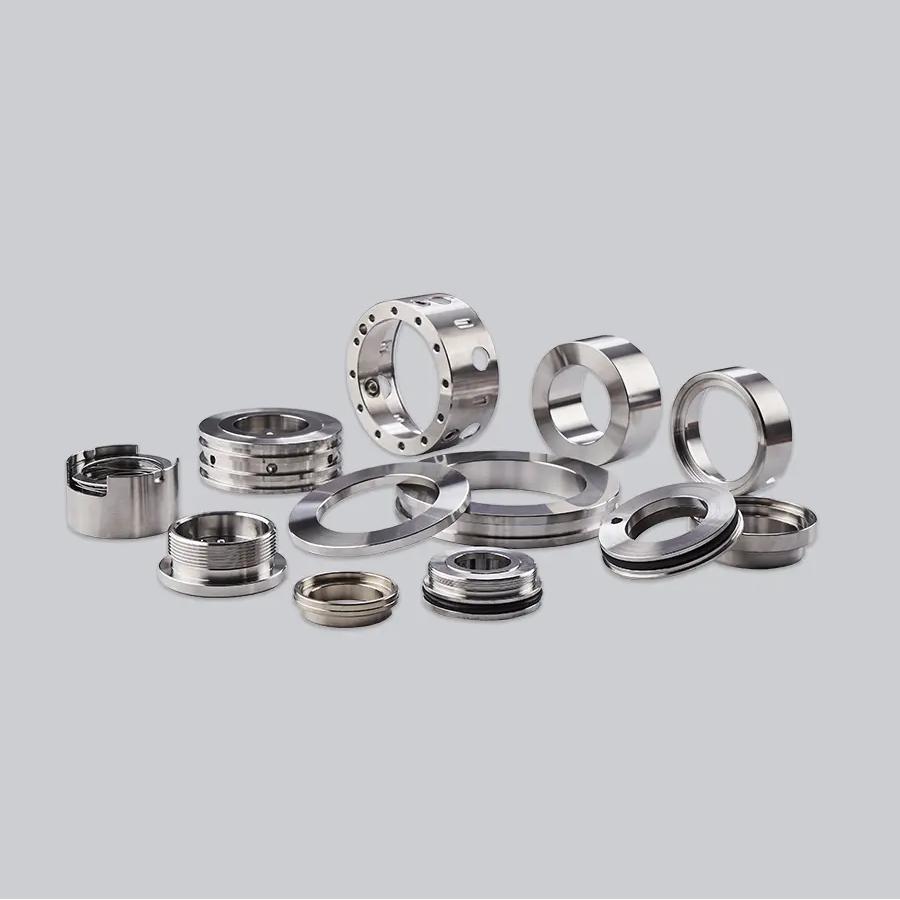
From carbide materials to precision-machined metal parts, every component is designed for long service life. Veekter seals maintain reliable performance under high pressure, corrosive media, and continuous-duty applications.
A multi-spring mechanical seal is composed of several key components: a rotating ring, a stationary ring (seat), multiple springs, a spring seat, and auxiliary sealing elements (such as O-rings). During operation, the rotating ring (mounted on the shaft) and the stationary ring (fixed in the housing) are held together by the balanced force of many small springs. These springs apply uniform pressure around the seal’s circumference, which helps maintain consistent contact between the seal faces.
When the pump is running, the fluid’s pressure also acts on the seal faces. The springs compensate for pressure fluctuations, wear, and axial shaft movements, pushing the faces together to maintain a tight seal. As wear occurs, the springs allow a small amount of axial movement (via the spring seat), preserving proper face contact and preventing leakage.
At the same time, a thin film of fluid typically forms between the rotating and stationary faces, providing hydrodynamic lubrication. This film reduces friction and heat, extending the life of the seal. The multi-spring design helps ensure that force distribution remains even, so the lubrication film stays stable.
Multi-spring design in mechanical seals evenly distributes pressure on seal faces, ensuring balanced load during pump use. This uniform force reduces localized wear, enhances lubrication, and enables reliable sealing even at high pressures, extending service life and lowering failure risk for marine and industrial pumps.
Multi-spring mechanical seals feature a compact rotary assembly, often secured by snap rings or modular parts. This simplifies installation and allows quick field servicing without full pump disassembly. Seal faces and secondary elements are easily replaceable, cutting downtime and repair costs for vessel operators and process plants.
Multi spring mechanical seals offer diverse face and secondary seal materials, like silicon carbide, tungsten carbide, and PTFE. This adaptability suits pumps handling clean liquids, corrosive chemicals, or refrigerants. By choosing corrosion-resistant materials and precision-machined parts, the seal can be tailored to specific temperature, pressure, and media needs.
Veekter delivers premium sealing solutions for diverse pump and industrial applications. Each seal is subjected to complete dimensional checks and pressure-leak testing, with additional sample inspections throughout production, guaranteeing dependable performance and consistent quality.
In water pumps, such as circulation, cooling, or ballast pumps, multi spring mechanical seals offer high reliability. This design provides strong reliability even when the fluid contains particulates, and the balanced load helps minimize face wear during prolonged operations.
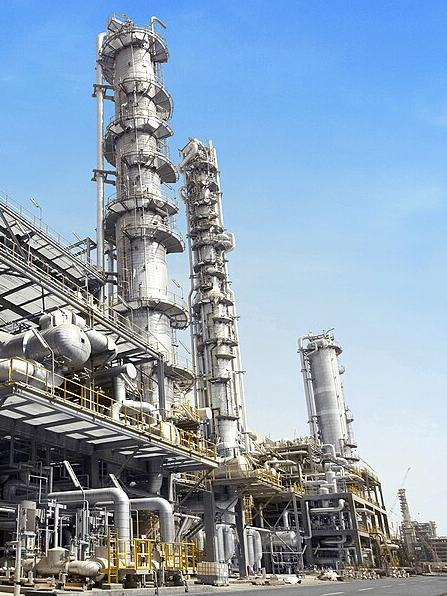
Multi‑spring mechanical seals are broadly applied in oil pump systems—especially in applications within the petrochemical, refinery, and lubrication sectors. The coil springs in a multi‑spring seal distribute load evenly, which helps prevent face distortion and reduces leakage risk under high-pressure oil environments. Moreover, because the springs are isolated from the pumped medium, the seal design often allows for reduced flushing and less dilution of the product.
Multi‑spring mechanical seals are well suited for food and pharmaceutical pump applications due to their ability to meet strict sanitary and hygiene requirements. Components like O-rings and springs can be made from PTFE, reducing the risk of contamination. Multi-spring seals support pharmaceutical applications thanks to balanced loading, robust face materials, and compact design.
For chemical pumps used in process or transfer applications, multi spring mechanical seals handle corrosive or aggressive fluids like acids, alkalis, and solvents. These seals ensure consistent closing force under fluctuating pressure or temperature, improving stability and reducing the risk of leakage in chemical transfer or reactor systems.
To ensure long-term reliability and stable sealing performance, Victor selects only high-quality materials for multi spring mechanical seals. Depending on the pump medium, temperature, and working conditions, mechanical seals can be configured using combination of the following materials.
Carbon: Carbon is widely used for seal faces thanks to its excellent self-lubricating properties and low friction. It performs well in moderate temperatures and is compatible with a broad range of fluids, making it ideal for general-purpose applications.
Silicon Carbide (SiC / RBSiC): Silicon carbide offers exceptional hardness, thermal conductivity, and wear resistance. Reaction-bonded SiC (RBSiC) delivers even higher strength and improved chemical resistance, making both versions suitable for abrasive or corrosive media.
Tungsten Carbide (TC): Tungsten carbide provides extremely high wear resistance and is ideal for demanding conditions involving high pressure or slurry. It withstands heavy mechanical loads and offers long service life in harsh industrial environments.
Viton (Fluorocarbon Rubber):
Viton provides outstanding resistance to oils, fuels, and high temperatures. It is a common choice for mechanical seals operating in aggressive chemical or hydrocarbon-rich environments.
PTFE-Coated Viton:
This material combines Viton’s chemical resistance with a PTFE coating that reduces friction and improves durability. It is used when additional protection is required in highly corrosive media.
Ethylene-Propylene-Diene Rubber (EPDM):
EPDM performs well in water, steam, and many polar fluids. It is resistant to aging, ozone, and weathering, making it suitable for sealing applications in water treatment and general industrial use.
Nitrile Rubber (NBR):
NBR offers strong resistance to oils, fuels, and lubricants. It is a cost-effective option for mechanical seals used in petroleum-based fluids and moderate temperature environments.
316 Stainless Steel:
316 stainless steel provides excellent corrosion resistance, especially in chloride-rich or acidic environments. It is commonly used for springs and metal hardware exposed to aggressive media.
304 Stainless Steel:
304 stainless steel is durable, economical, and resistant to oxidation and mild corrosion. It is suitable for metal components in standard industrial sealing applications.
Acquire all kinds of knowledge from professional China pump mechanical seal manufacturer

When the pump seal fails, the liquid leaks quickly. It is possible to create a leakage meeting, and it is possible to create a meeting. It is possible for the workers to repair the machine, and the cost of the general wear and tear is large. As a result of leakage of
Anyone can replace a pump’s mechanical seal by following these simple steps. Safety is paramount, so be sure to wear gloves and safety glasses. With the right tools, both novices and experts can successfully complete the replacement by accurately measuring the key components. These components include the shaft diameter and gland depth.
A leaking pool pump shaft seal can frustrate any pool owner. Many people replace the seal but still see water around the pump. This problem happens often. Sometimes, a pool pump shaft seal leak comes from issues that do not involve just the seal. People might use the wrong part

When fixing a water pump seal, start by turning off the power and disconnecting the pump from the system. Remove the old seal and install a new cartridge mechanical seal to ensure reliable performance. Safety is crucial throughout the process, as leaks from a faulty water pump seal can lead
The spring pressure ensures proper contact between the seal faces. For most pump mechanical seals, the specific spring pressure ranges from 1.3 to 2.8 kgf/cm², depending on operating conditions, face materials, and auxiliary seal design.
For single-spring seals, the spring is typically compressed 50–70%, while multi-spring (disc spring) seals are compressed around 90%. Cartridge seals come pre-set, while non-cartridge seals may require adjustment based on the pump type. Correct spring compression ensures reliable sealing, minimized wear, and optimal performance.
The spring in a mechanical seal plays a vital role: it keeps the rotating and stationary faces in constant contact, even when pressure is low or the pump is stopped. It compensates for wear on the seal faces and for small shaft movements, ensuring the seal stays tight over time.
Additionally, the spring helps balance the separating force from fluid pressure, maintaining just enough contact to support a thin lubrication film while preventing leaks.
A multi-spring mechanical seal is the better choice when your pump operates under higher pressures, variable temperatures, or corrosive media. Its multiple small springs apply uniform force on the seal faces, providing more stable performance than single-spring designs. Multi-spring seals are also ideal when you need compact dimensions, balanced axial loading, or better heat dissipation during continuous operation.
For inquiries about our products or pricelist, please leave your email to us and we will be in touch within 24 hours.
About Victor
Contact Victor