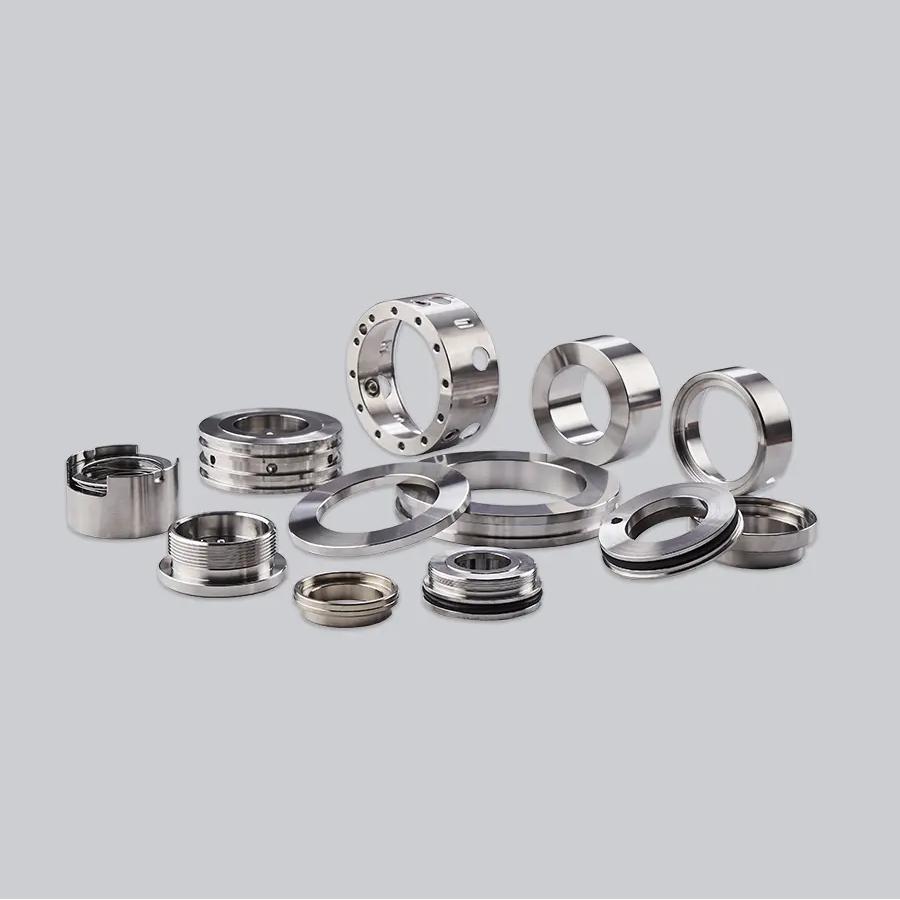
Wave Spring Mechanical Seal

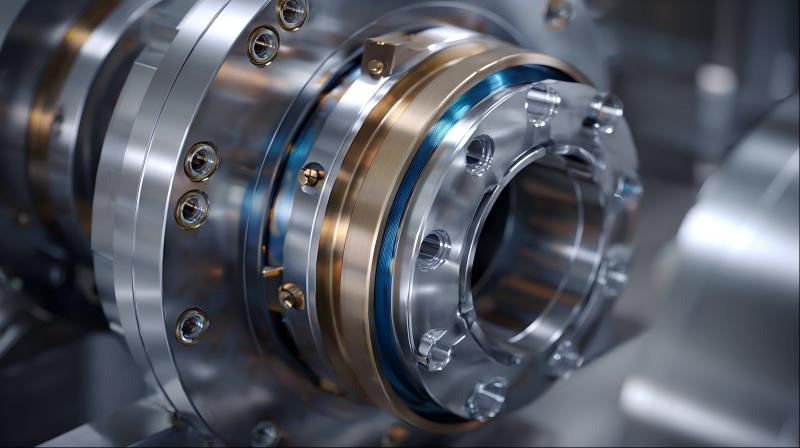
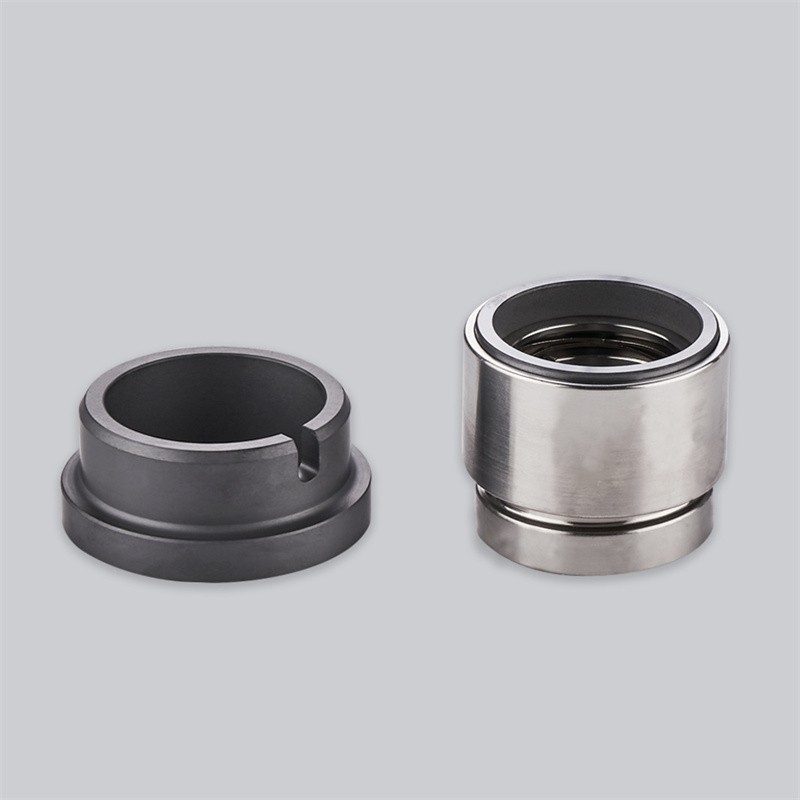
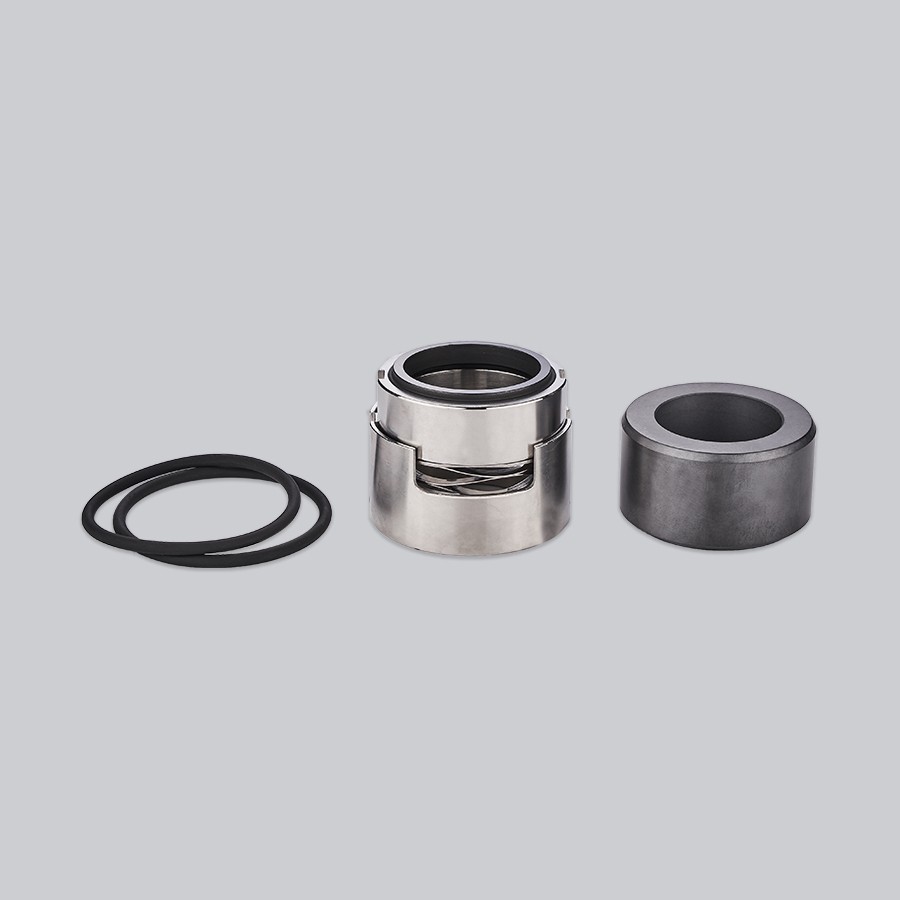
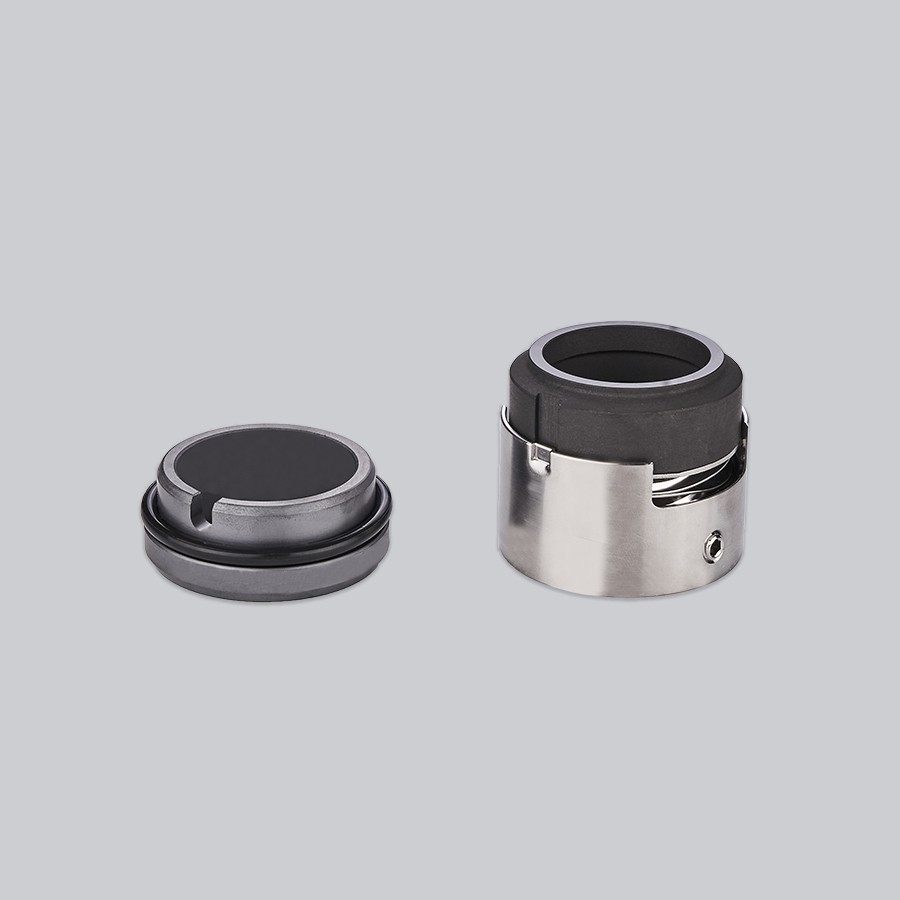
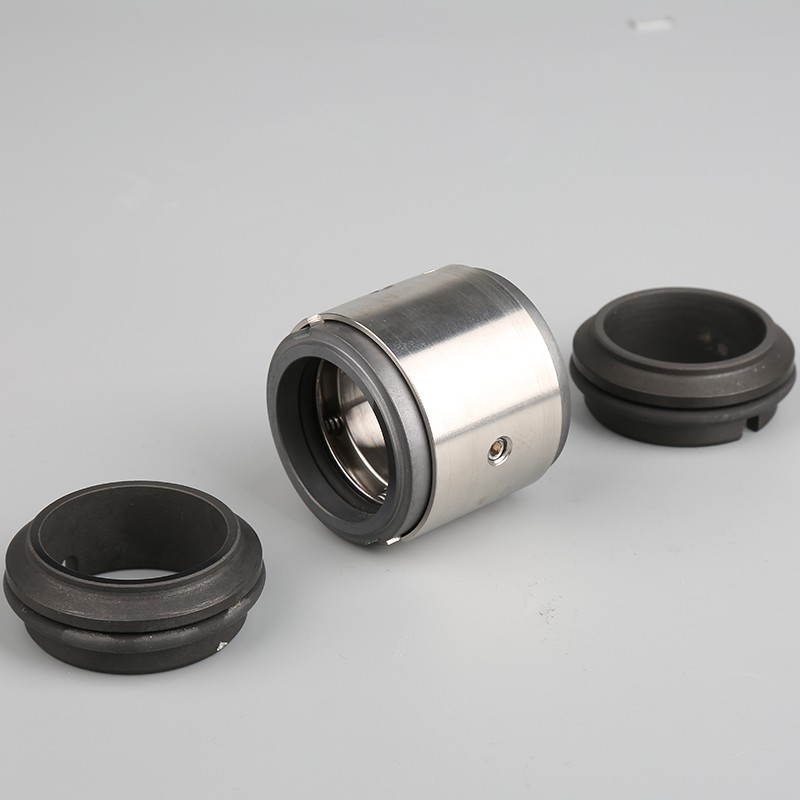
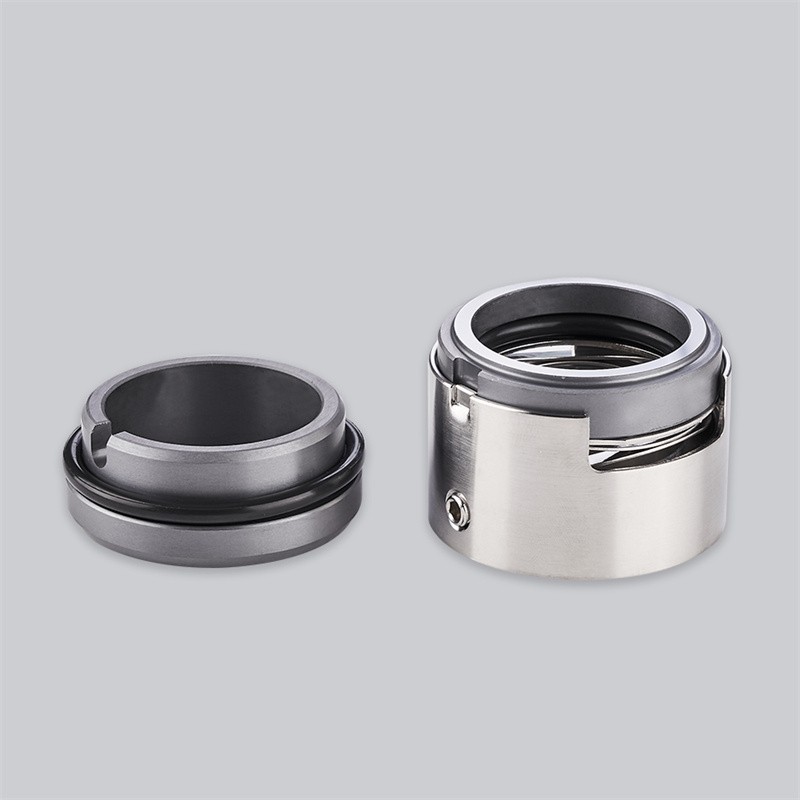
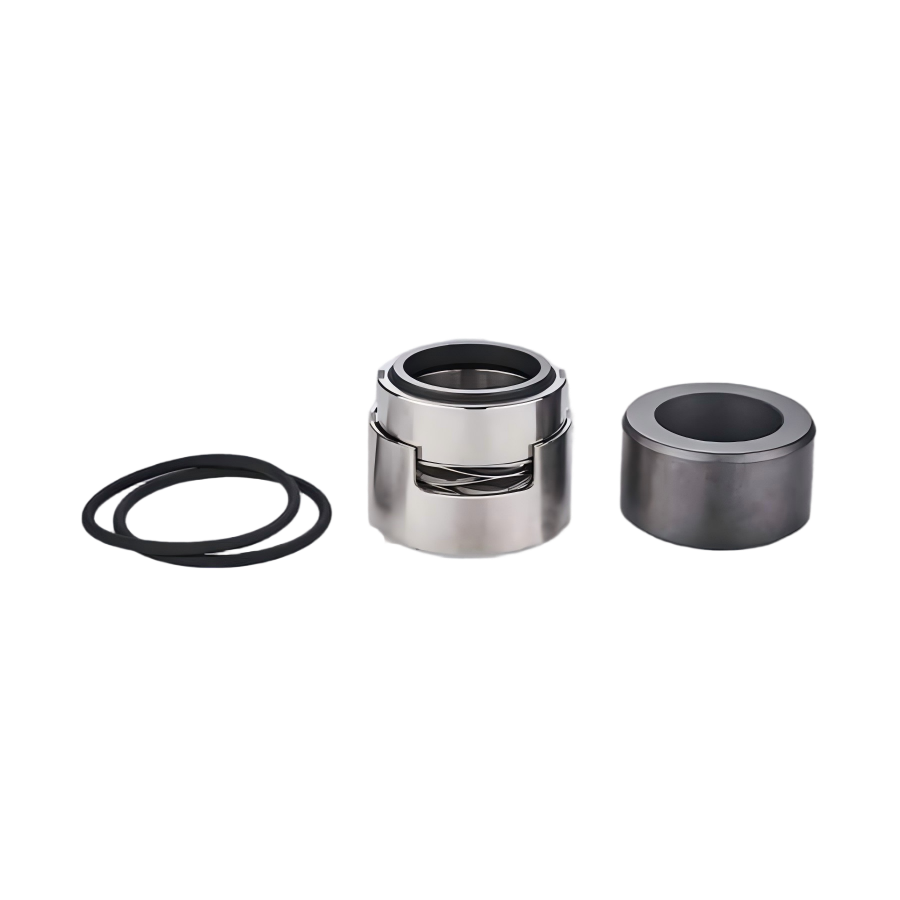
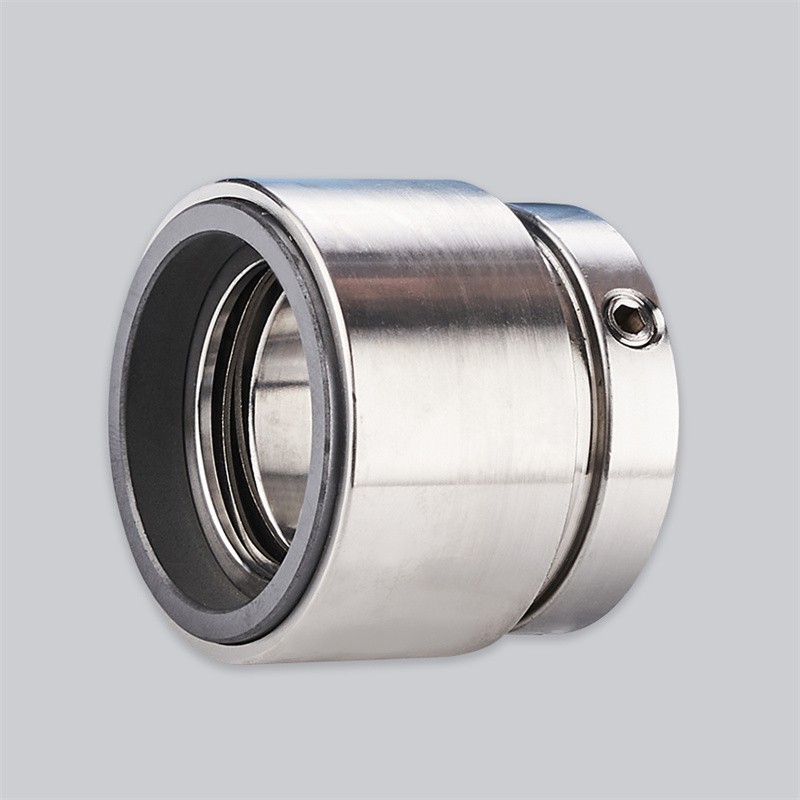
A Wave Spring Mechanical Seal is a type of seal used in pumps and rotating equipment to prevent fluid leakage. Unlike traditional coil springs, it uses a wave-shaped spring that provides consistent pressure in a compact design. This makes the seal smaller, more efficient, and reliable for marine and industrial applications.

wide range of mechanical seals

At Veekter, we manufacture a full line of mechanical seals, including cartridge seals, elastomer bellow seals, and spring seals. We also produce spare parts such as seal rings, bushings, and thrust discs made from premium materials.

trusted alternatives to top brands

For more than 27 years, Veekter has supplied cost-effective replacements for global brands like EagleBurgmann, John Crane, Vulcan, AES, and Flowserve. Our products are engineered to deliver the same high performance at more competitive prices.

global reliability and fast delivery

Every seal is precision-made and rigorously tested to meet international standards. Shipbuilders and pump manufacturers worldwide trust Veekter for reliable performance, quick delivery, and long-lasting value.

how wave spring mechanical seals work

Wave spring mechanical seals operate by using a wave-shaped spring to maintain consistent contact between the sealing faces. The wave spring is a specialized compression spring with a wavy profile, designed to provide a nearly uniform force across a wide range of deflection.

In a typical configuration, the wave spring is placed behind the primary ring. It applies a controlled axial force that presses the primary ring firmly against the mating ring, ensuring the seal faces remain engaged.

This axial force allows the seal to maintain tight contact even under varying conditions such as temperature changes, pressure fluctuations, and mechanical vibrations. By keeping the sealing faces closely pressed together, the wave spring prevents leakage and ensures reliable performance between the rotating and stationary components of the mechanical seal.

advantage of wave spring mechanical seal

space-saving design

The wave-shaped spring delivers consistent force while taking up less axial space compared to traditional coil springs. This compact structure is especially valuable in marine and industrial pumps where equipment space is limited. It allows for easier installation, better pump integration, and improved efficiency without compromising sealing performance.

extended service life

By applying uniform pressure on the sealing faces, the wave spring reduces friction, heat generation, and uneven wear. This controlled load distribution helps extend the life of the seal and pump components. In practice, it means fewer replacements, lower maintenance costs, and greater reliability for continuous operations in demanding environments.

misalignment tolerance

Wave spring seals are engineered to compensate for slight shaft misalignments that often occur during operation. This tolerance reduces the risk of leaks and mechanical stress on the sealing faces. By maintaining proper contact between the faces, the wave spring reduces the likelihood of excessive wear or damage caused by uneven contact or vibration.

wave spring mechanical seal applications

Veekter provides high-quality solutions for a wide range of applications. Every seal undergoes 100% dimensional inspection and pressure leakage testing, with sample checks during production, ensuring consistent reliability and performance.

marine pumps

Wave spring seals are installed on the pump shaft to prevent water leakage in ballast, cooling, and bilge systems. The spring maintains even pressure on the sealing faces, ensuring reliable operation under vibration, misalignment, and harsh seawater conditions.

For centrifugal pumps, these seals secure the interface between the rotating shaft and stationary parts. They reduce friction and wear while maintaining tight contact, ensuring efficient fluid transfer and extending the pump’s service life during high-speed operation.

Wave spring seals are applied in mixers, reactors, and chemical transfer pumps to prevent leaks of corrosive or aggressive fluids. They maintain stable sealing under pressure and temperature changes, protecting both the equipment and personnel from hazardous fluid exposure.

In food and beverage pumps, wave spring seals prevent leakage in dosing, transfer, and cleaning systems. The seals provide consistent face contact, ensuring hygienic operation while resisting contamination, wear, and frequent temperature or pressure variations.

wave spring mechanical seal installation guide

At Veekter, we do more than manufacture high-quality mechanical seals—we also provide expert guidance to help customers achieve reliable performance. Our team supports you through every step of installation, ensuring correct procedures, reduced downtime, and long-lasting seal service.

prepare the equipment

Before installation, make sure the pump is fully shut down, isolated, and depressurized. Clean the shaft, sleeve, and stuffing box carefully, and check the shaft surface for burrs or scratches that could damage the seal.

inspect the seal parts

Unpack the seal gently and examine all components for visible defects. The sealing faces must be smooth and free from scratches. Apply a thin layer of clean lubricant to O-rings and sealing faces to ease assembly.

install the stationary seat

Insert the stationary seat, or mating ring, into the gland or stuffing box. Ensure it is clean, squarely aligned, and fully seated. Handle with gloves to avoid contaminating the sealing surface during installation.

mount the rotating assembly

Carefully slide the rotating unit, including the primary ring and wave spring, onto the shaft. Position it at the correct axial location shown in the drawing, making sure the spring sits properly behind the sealing face.

align and secure the seal

Fix the rotating assembly in place by tightening the set screws evenly. Install the gland plate with bolts, tightening them in a crisscross pattern. Recheck alignment so that the sealing faces remain parallel and square.

perform final verification

Turn the shaft by hand to confirm smooth movement without binding. Recheck all bolts and fasteners for tightness. During startup, run at low speed first, inspect for leaks, and then increase to full operating conditions.

wave spring mechanical seal faq

Related topics

Acquire all kinds of knowledge from professional China pump mechanical seal manufacturer

What happens when a pump seal fails?

When the pump seal fails, the liquid leaks quickly. It is possible to create a leakage meeting, and it is possible to create a meeting. It is possible for the workers to repair the machine, and the cost of the general wear and tear is large. As a result of leakage of

Read More »

How to replace the mechanical seal of a pump?

Anyone can replace a pump’s mechanical seal by following these simple steps. Safety is paramount, so be sure to wear gloves and safety glasses. With the right tools, both novices and experts can successfully complete the replacement by accurately measuring the key components. These components include the shaft diameter and gland depth.

Read More »

how to fix mechanical seal in water pump?

When fixing a water pump seal, start by turning off the power and disconnecting the pump from the system. Remove the old seal and install a new cartridge mechanical seal to ensure reliable performance. Safety is crucial throughout the process, as leaks from a faulty water pump seal can lead

Read More »

What are the three types of mechanical seals?

1.Cartridge mechanical seals
Pre-assembled units that combine the seal, gland, and sleeve.
Easy to install and replace, reducing installation errors.
Commonly used in pumps where reliability and maintenance efficiency are important.

2. Elastomer Bellow Mechanical Seals
Use a flexible elastomer bellow instead of a traditional spring to maintain face contact.
Excellent for handling corrosive or abrasive fluids and accommodating misalignment.
Often applied in chemical and marine pumps.

3. Spring Mechanical Seals
Use one or more springs (coil, wave, or garter) to maintain axial pressure on the seal faces.
Suitable for a wide range of pressures and temperatures.
Can handle variable operating conditions and are commonly used in industrial and marine pumps.

The difference between coil springs and wave springs mainly lies in their shape, size, force distribution, and application efficiency:

Shape and Structure
Coil Spring: A traditional helical spring, with continuous coils that compress or extend along its axis.

Wave Spring: A flat wire formed into a wavy pattern, creating multiple contact points in a compact, single-turn design.

Space Efficiency
Coil Spring: Requires more axial space to achieve the same deflection and force.

Wave Spring: Can provide the same force in much less space, making it ideal for compact mechanical seals.

Force Distribution
Coil Spring: Force is concentrated along the coils and may vary slightly as it compresses.

Wave Spring: Delivers more uniform and consistent axial force across the sealing face, improving contact stability.

Applications
Coil Spring: Common in general-purpose mechanical seals, simple pumps, and applications where space is not limited.

Wave Spring: Preferred in marine, chemical, and industrial pumps where compact design, consistent pressure, and longer seal life are critical.

In short, wave springs are smaller, more efficient, and provide more even force, making them ideal for high-performance mechanical seals.

A wave washer (also called a wave spring washer) should be used when you need consistent axial load in a compact space while allowing for some deflection. Its applications are ideal in situations where traditional coil springs are too bulky or do not provide uniform force.

Key Situations to Use a Wave Washer:

Space-Limited Assemblies
When axial space is restricted, such as in mechanical seals, bearings, or small pump shafts, a wave washer can provide the required spring force in a much smaller profile.

Maintaining Consistent Pressure
When consistent contact force is needed, like pressing a seal face or bearing against a mating surface, a wave washer ensures even load distribution.

Compensating for Misalignment or Thermal Expansion
Wave washers can absorb minor axial movement caused by shaft misalignment, thermal expansion, or component wear, maintaining reliable sealing or clamping.

Reducing Vibration or Noise
The washer can act as a damping element, reducing vibration in rotating assemblies like pumps, compressors, or small motors.