OEM mechanical seal manufacturer

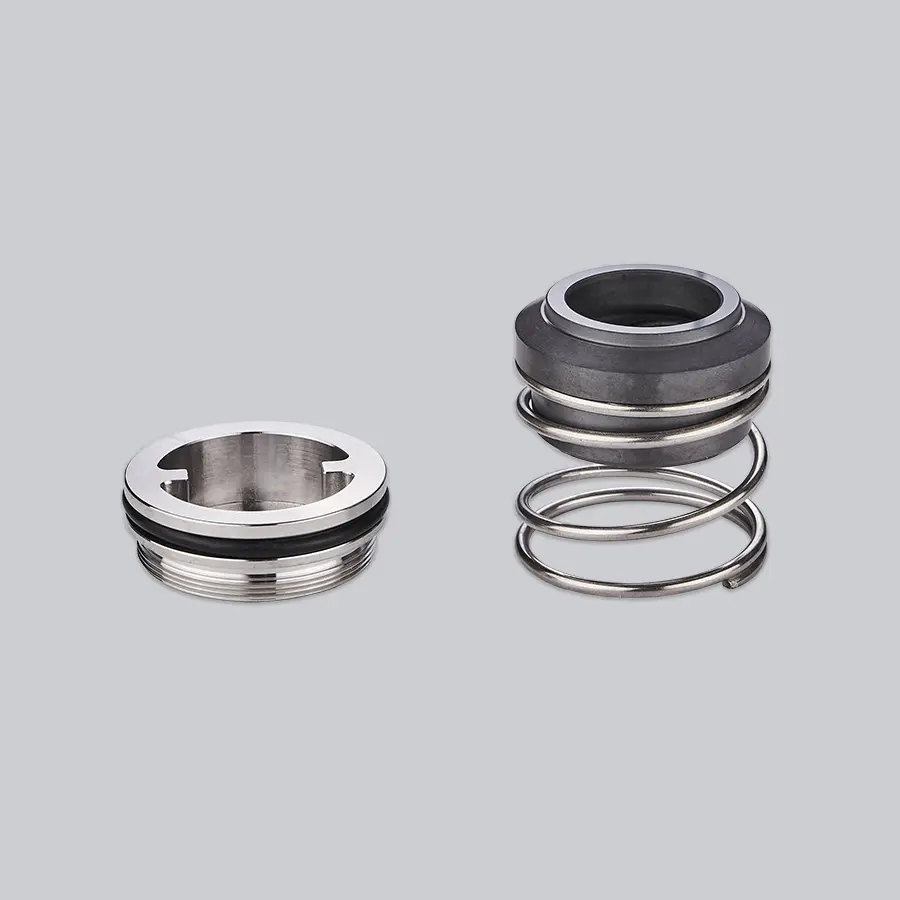
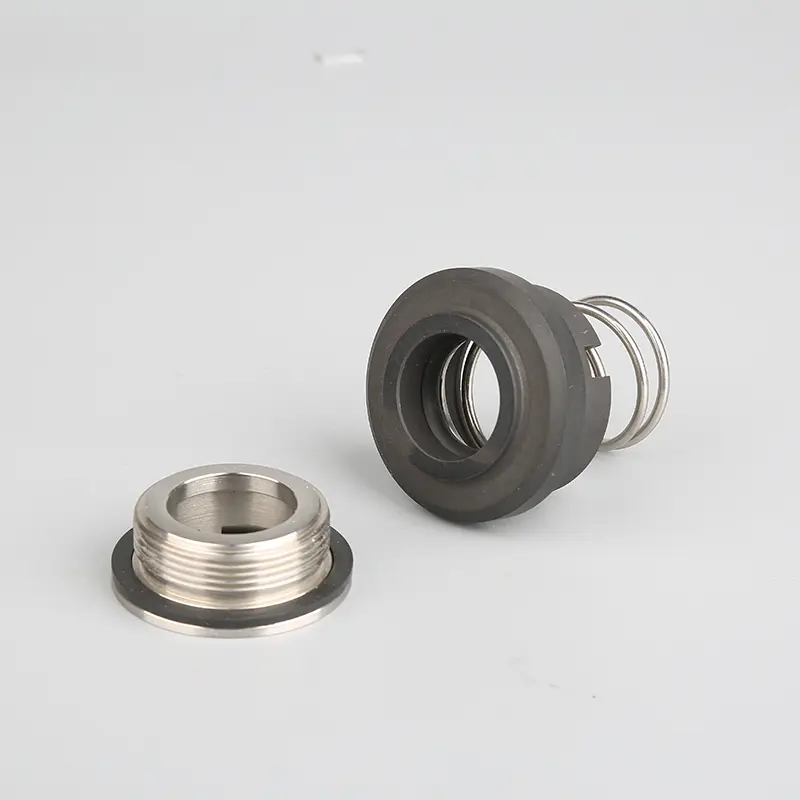
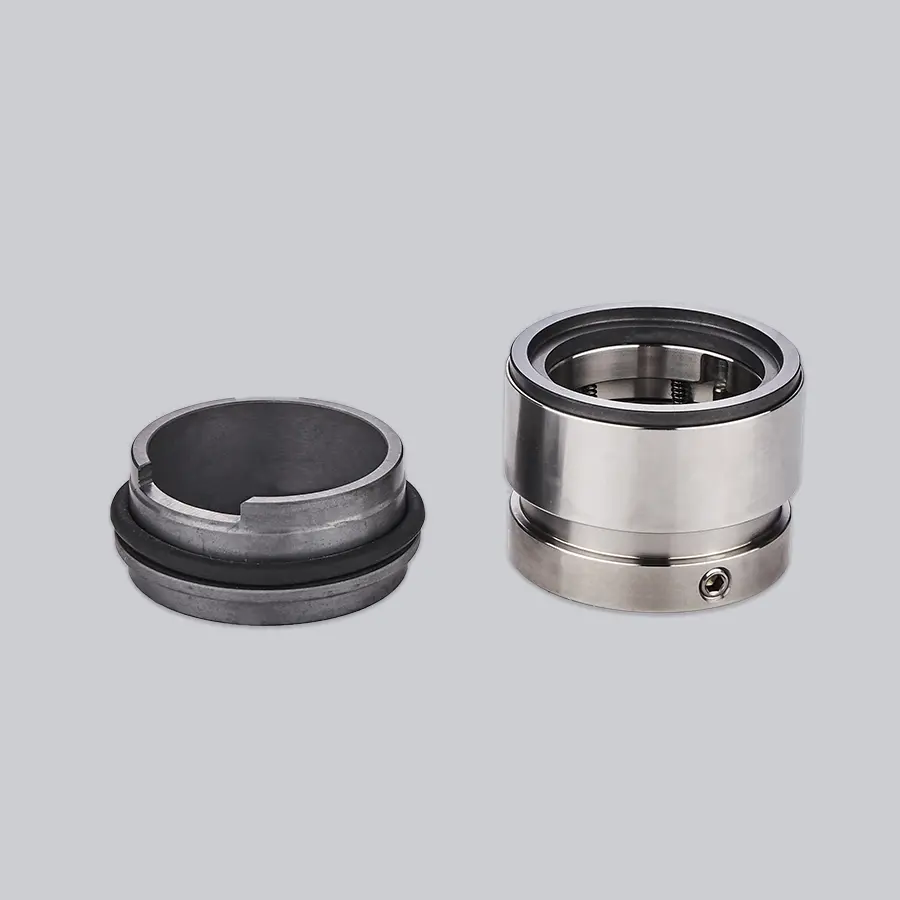
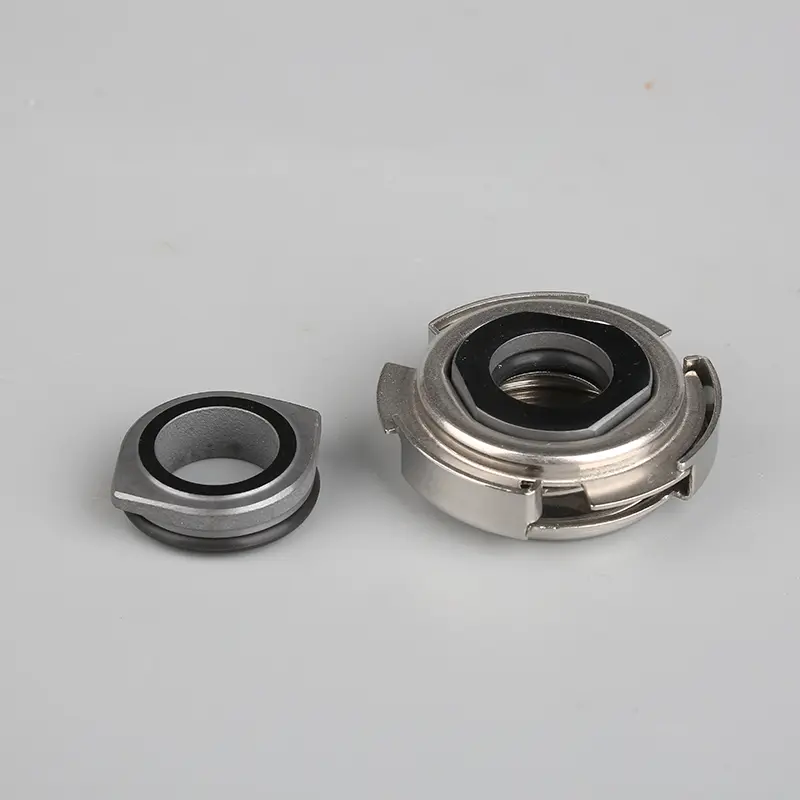
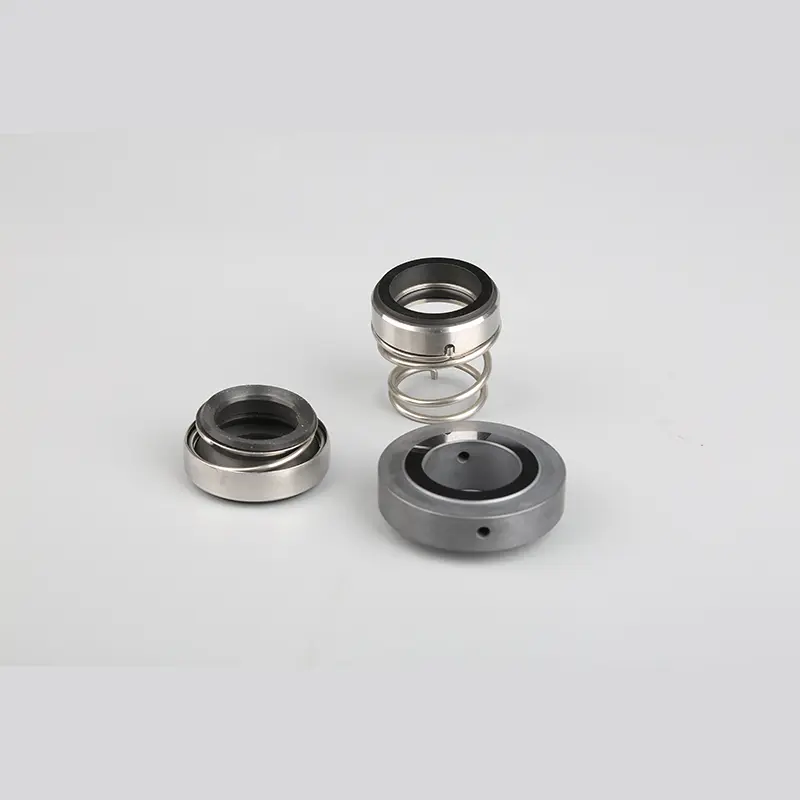
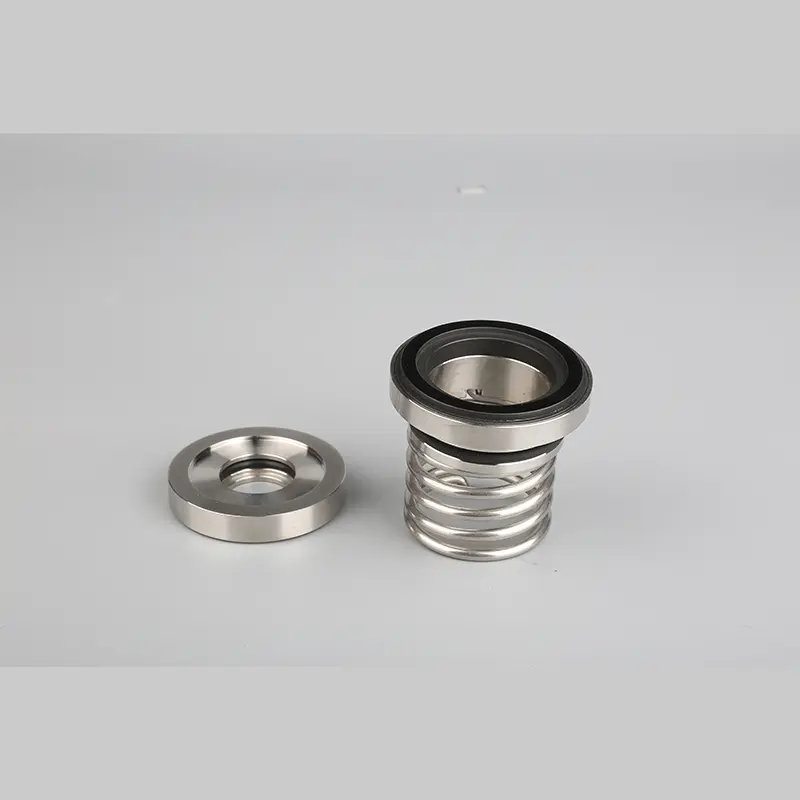
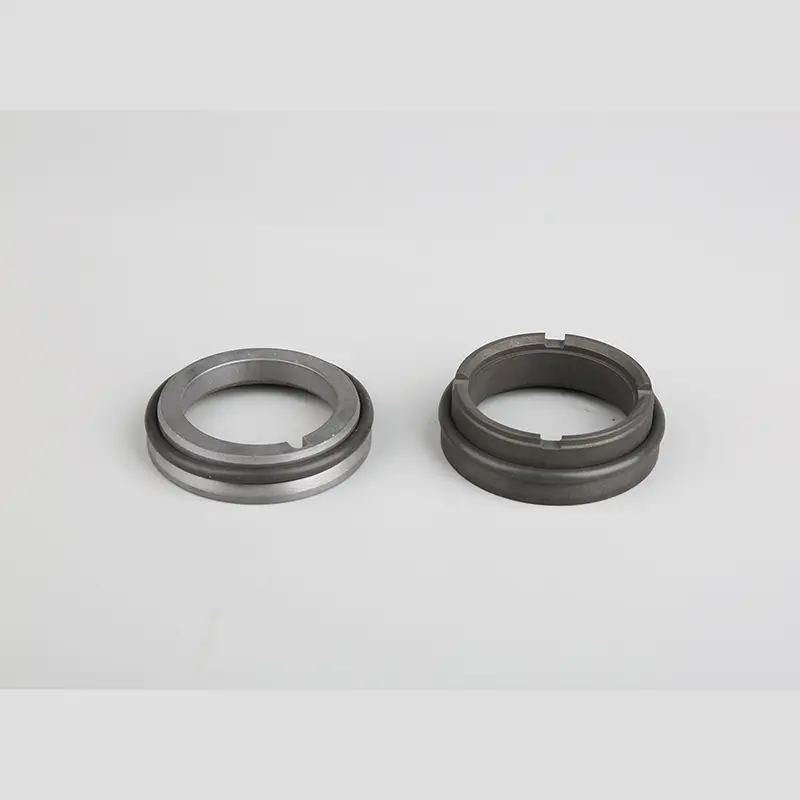
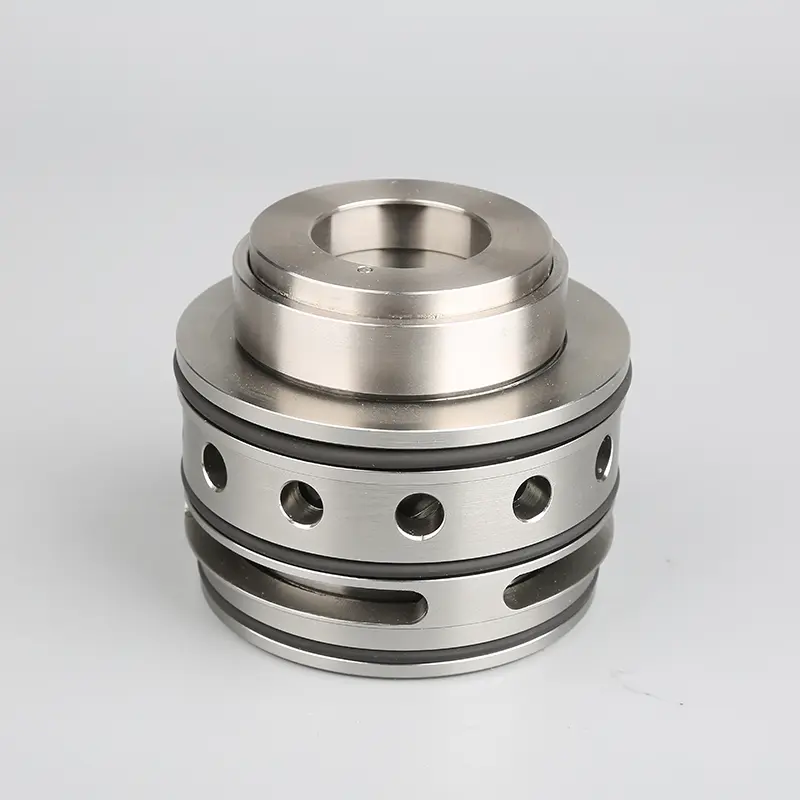
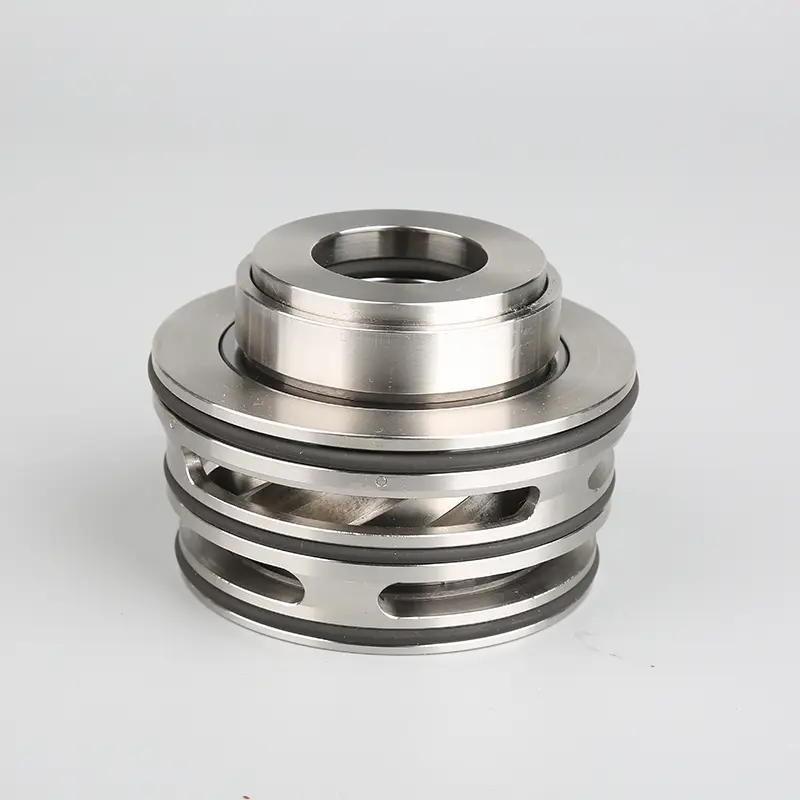
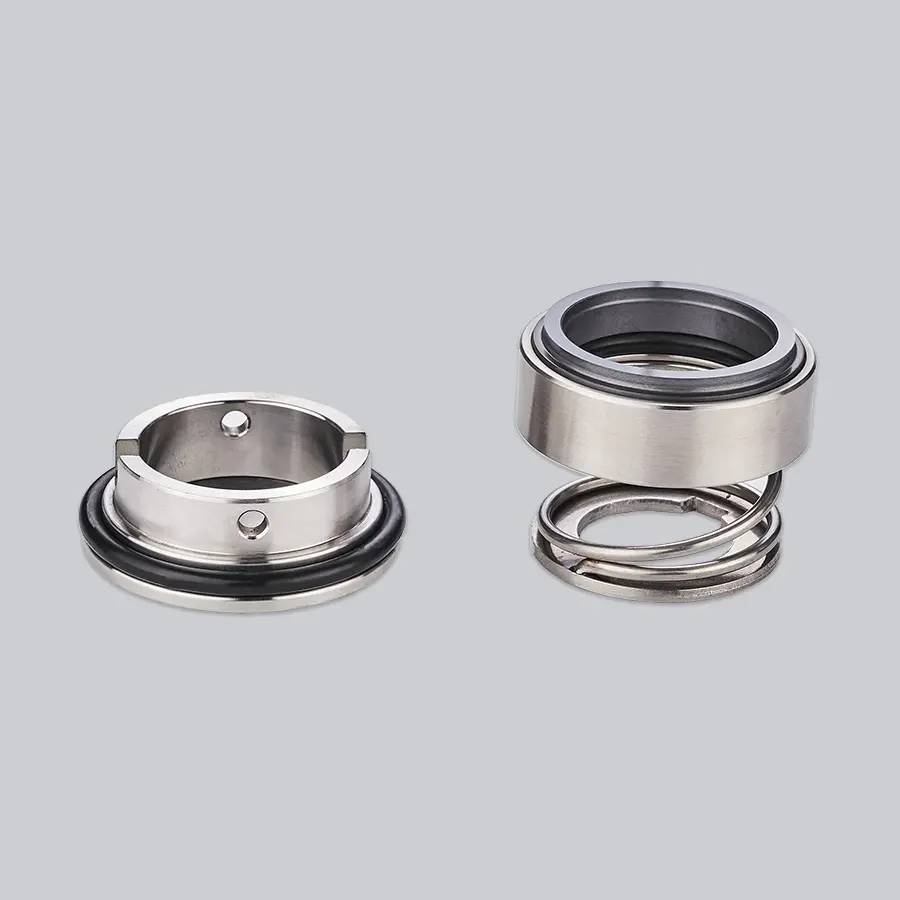
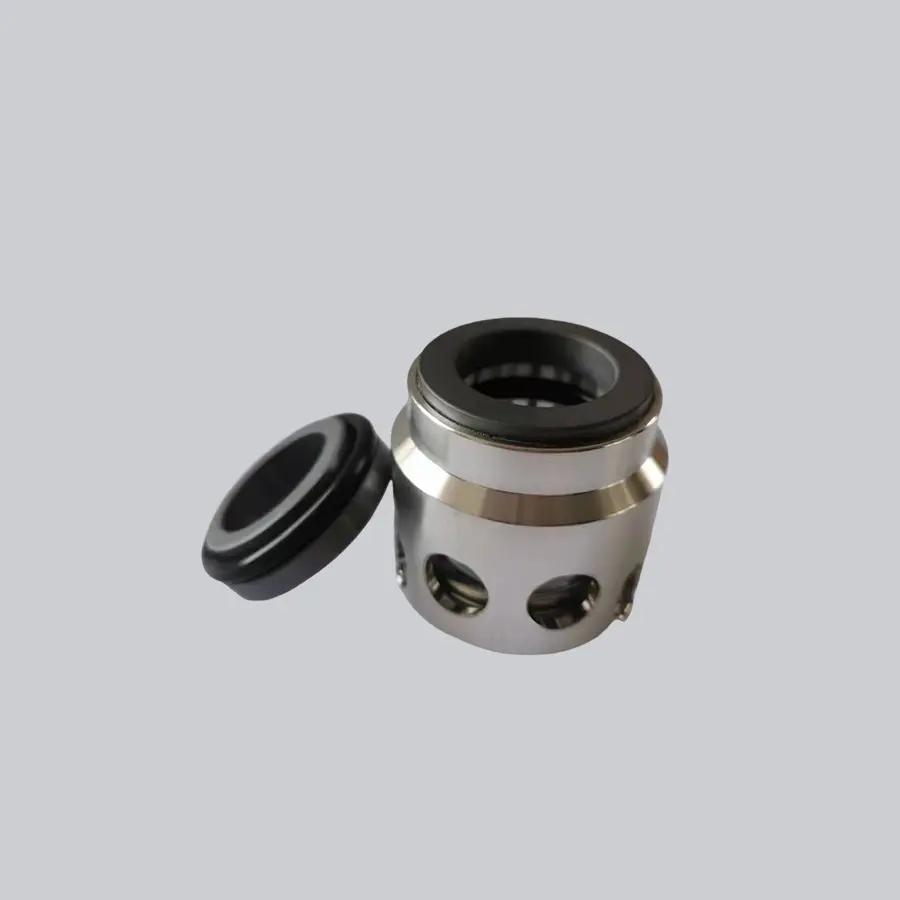
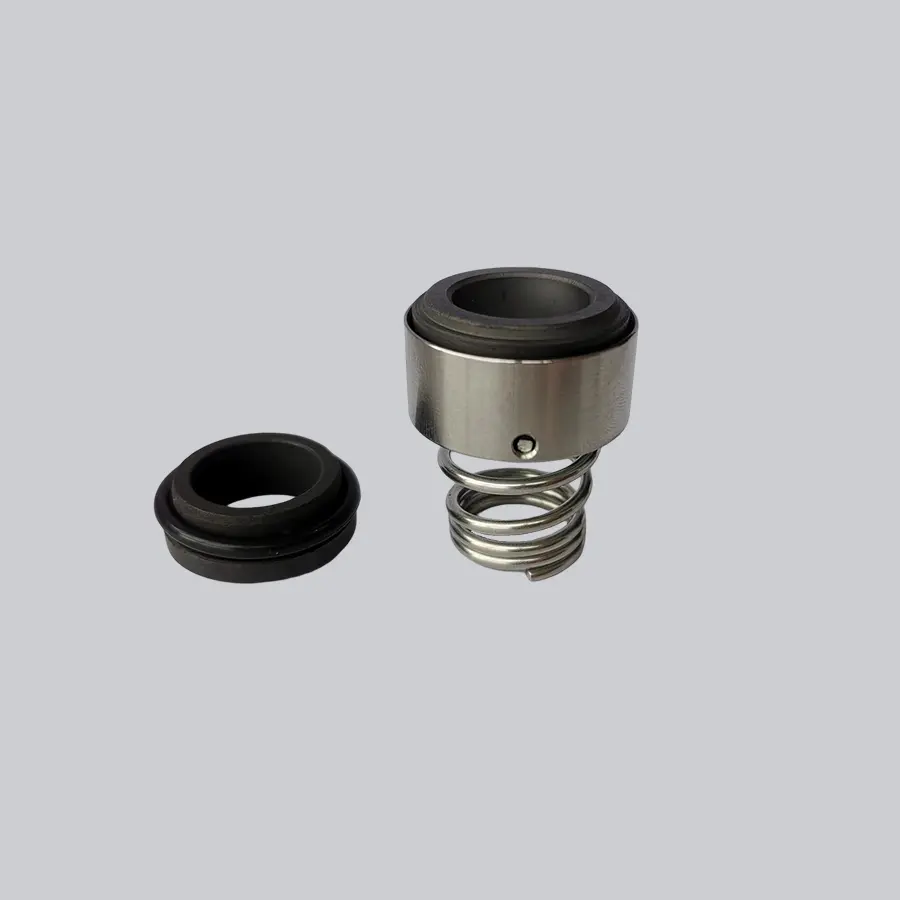
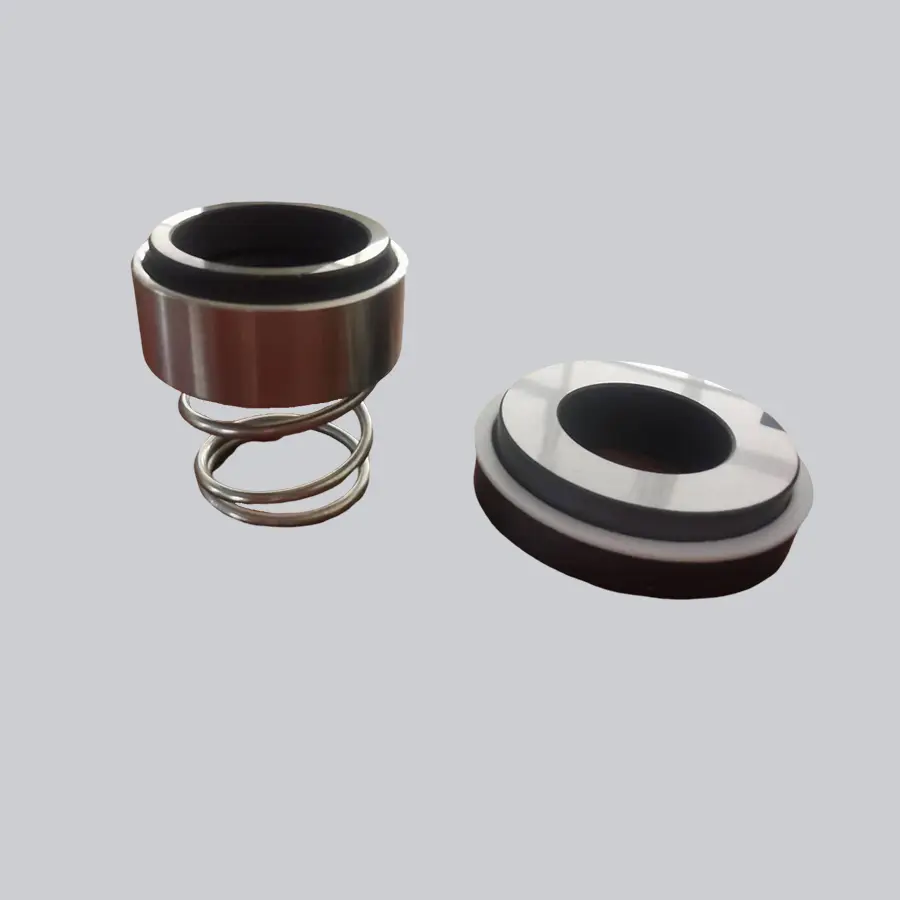
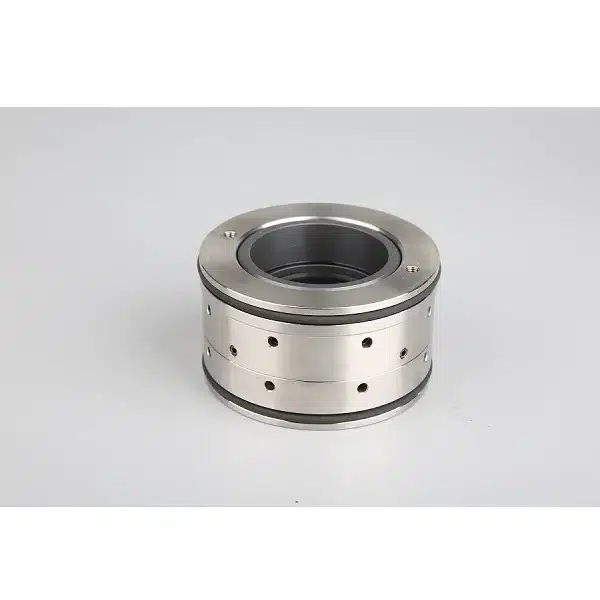
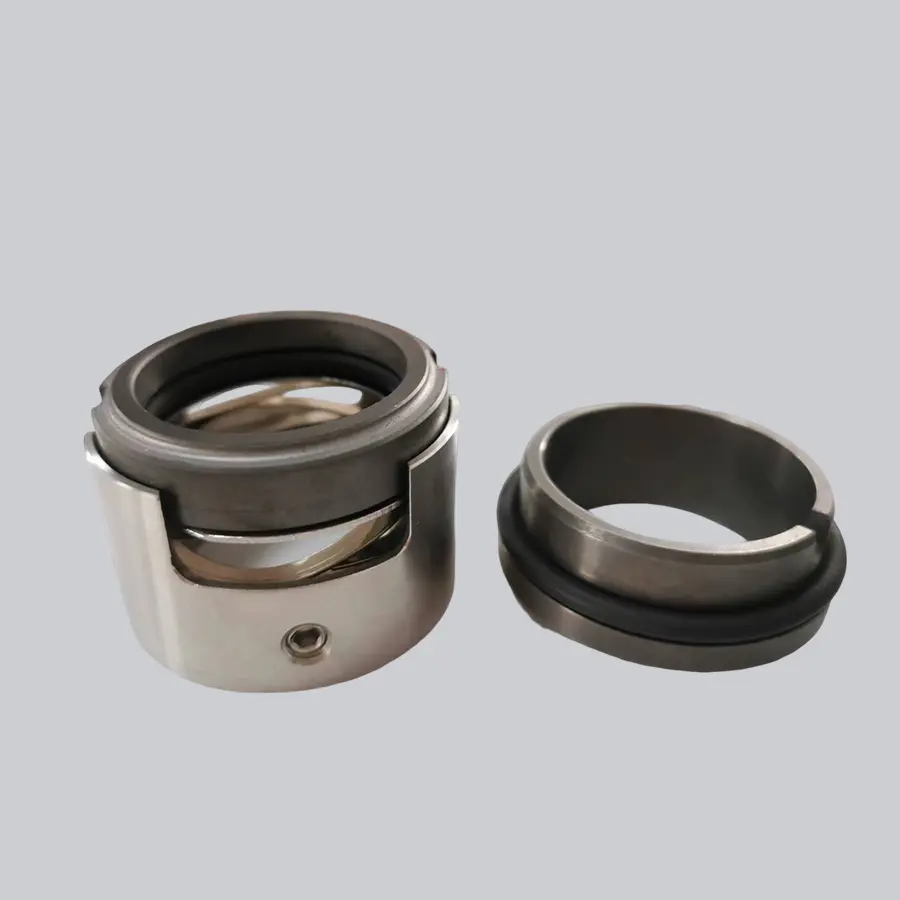
Veekter is a leading OEM mechanical seal manufacturer in China, specializing in marine pump solutions. With decades of expertise, our OEM mechanical seals can be used as replacements for many world-renowned pump brands, including IMO, Grundfos, Alfa Laval, Flygt, ABS, and more. Built to match the performance of top international brands, our seals combine precision engineering, premium materials, and cost-effectiveness to support shipbuilders and pump manufacturers worldwide.
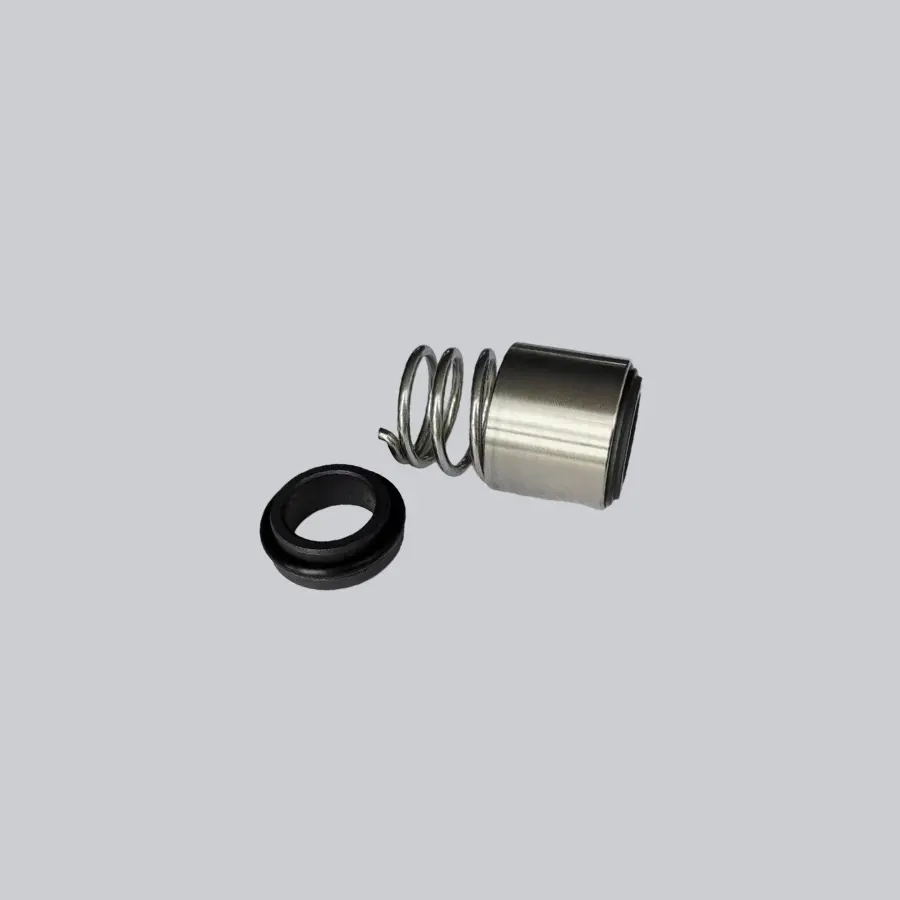
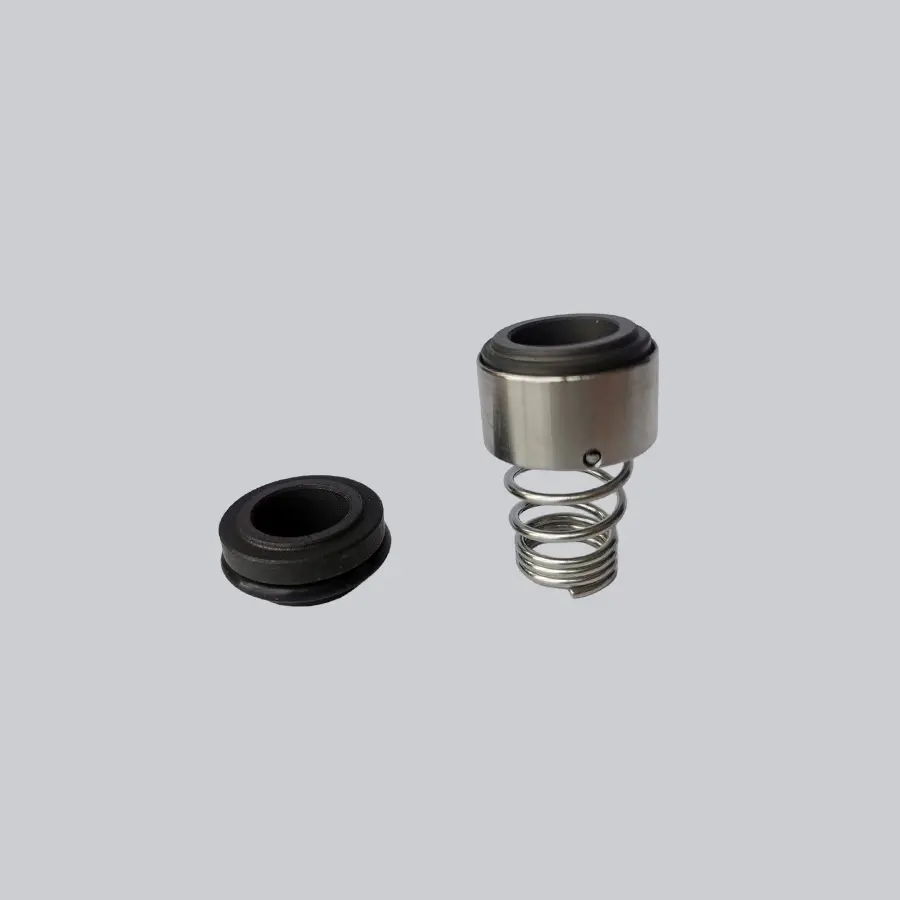
To help you better understand our capabilities and the value we bring, this article provides a complete introduction to OEM replacement mechanical seals—covering their types, and practical guidance for use and maintenance. If you’d like to explore how Veekter can support your projects with customized solutions and expert advice, we invite you to continue reading or contact our sales team directly for more details.

contact us

OEM mechanical seal types

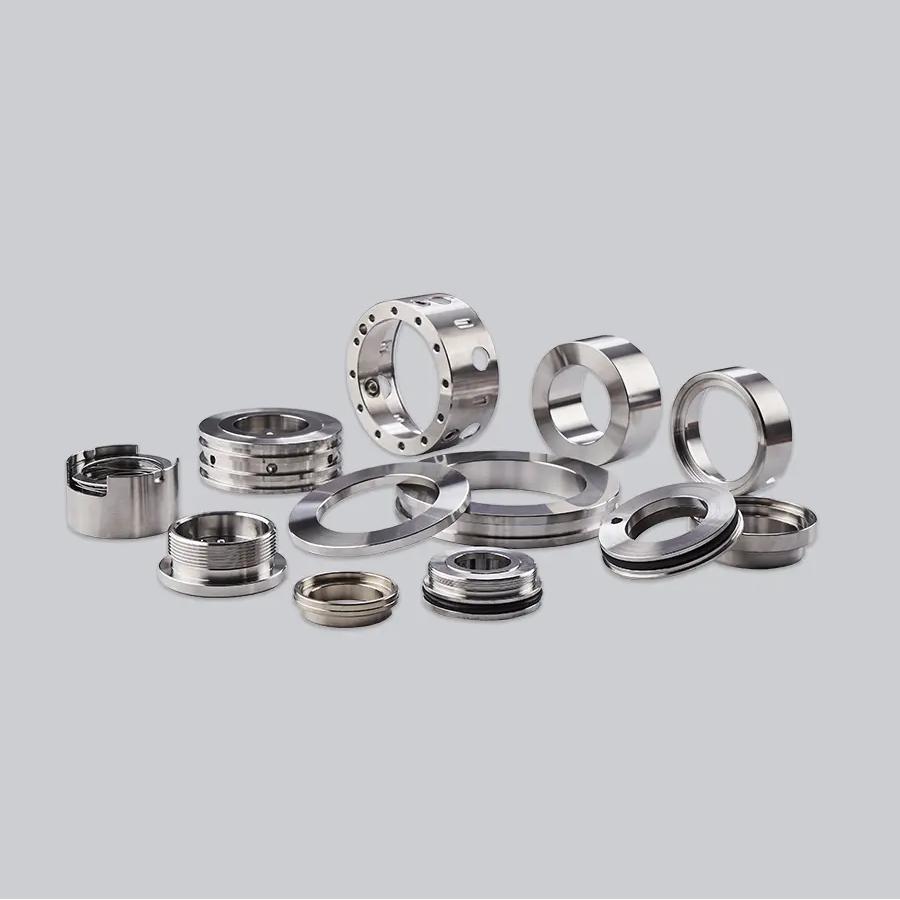
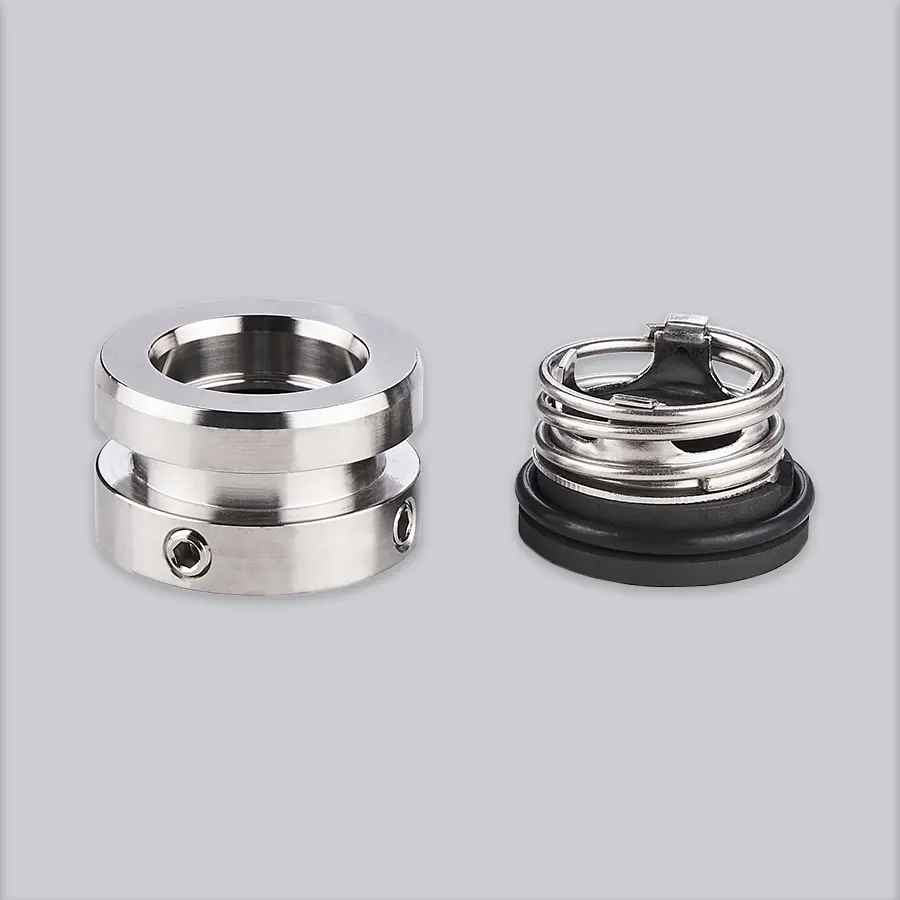
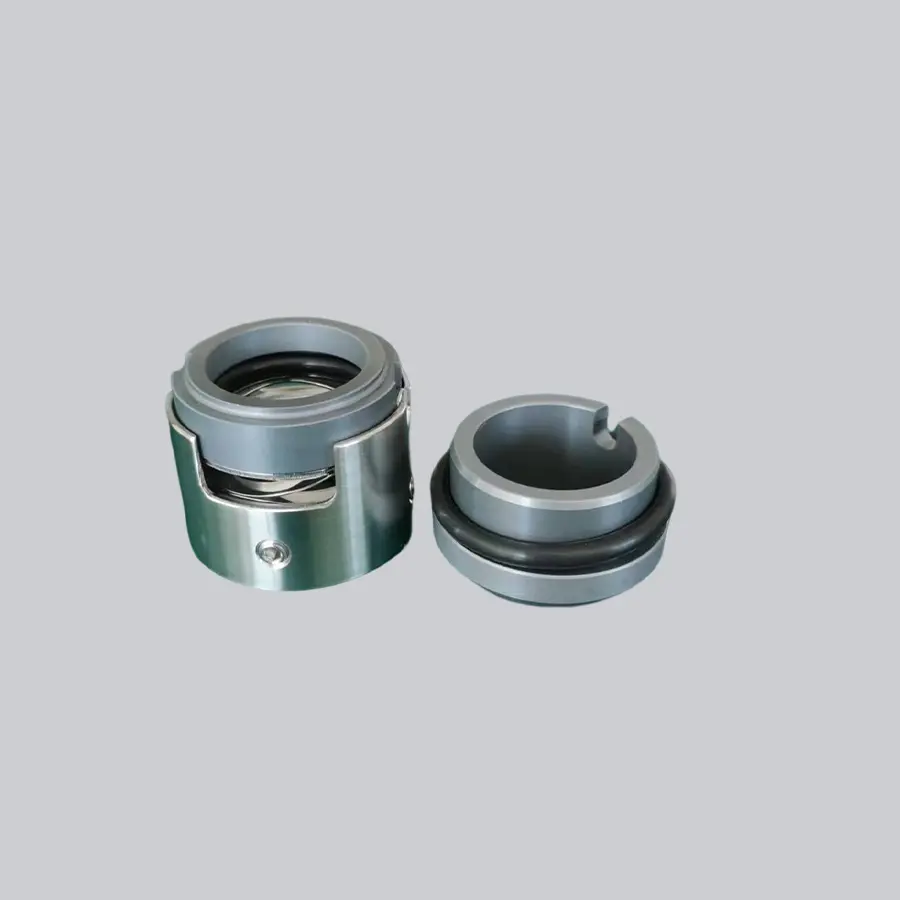
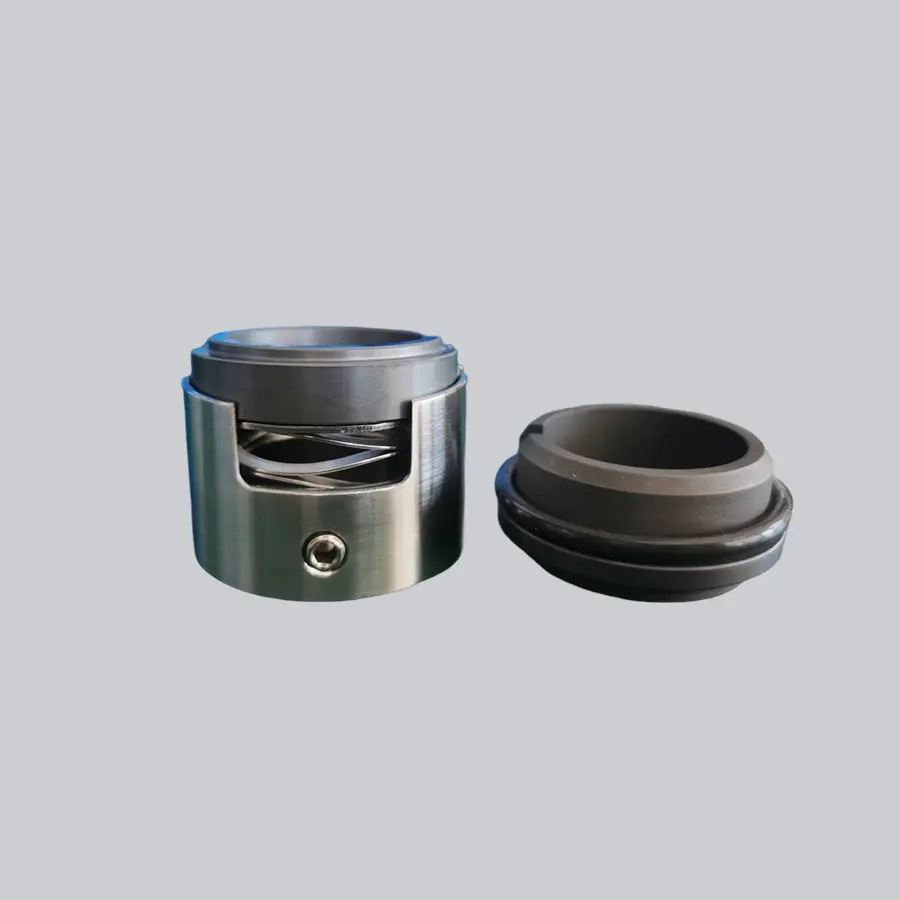
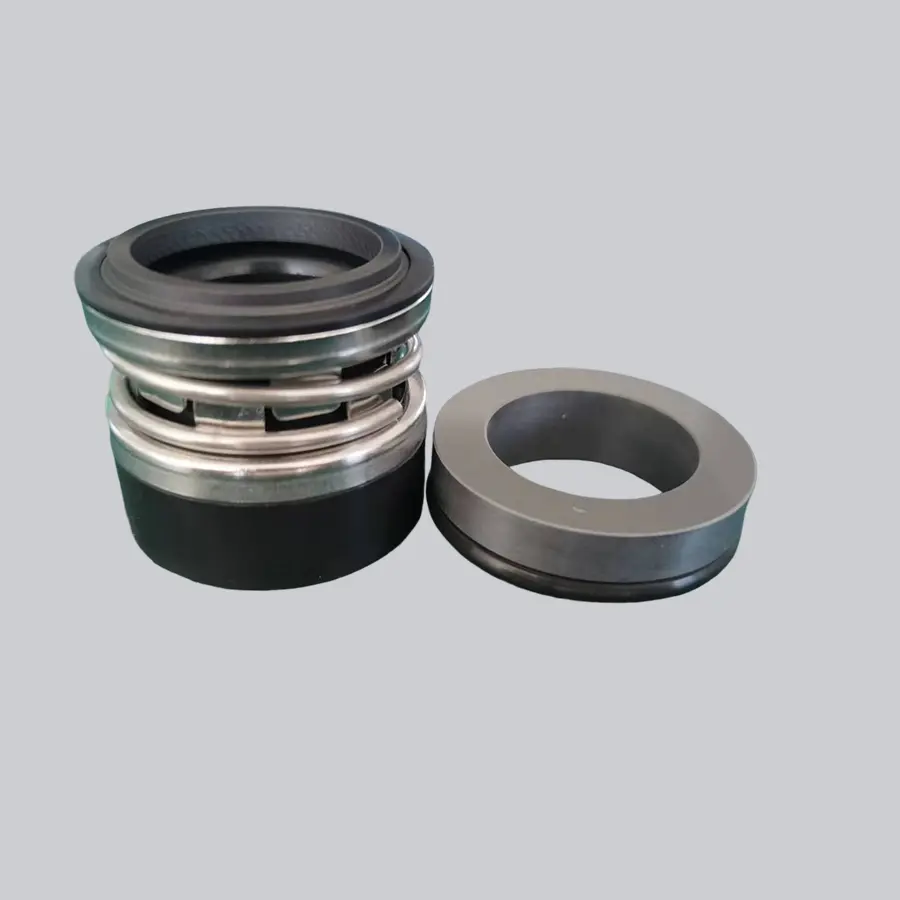
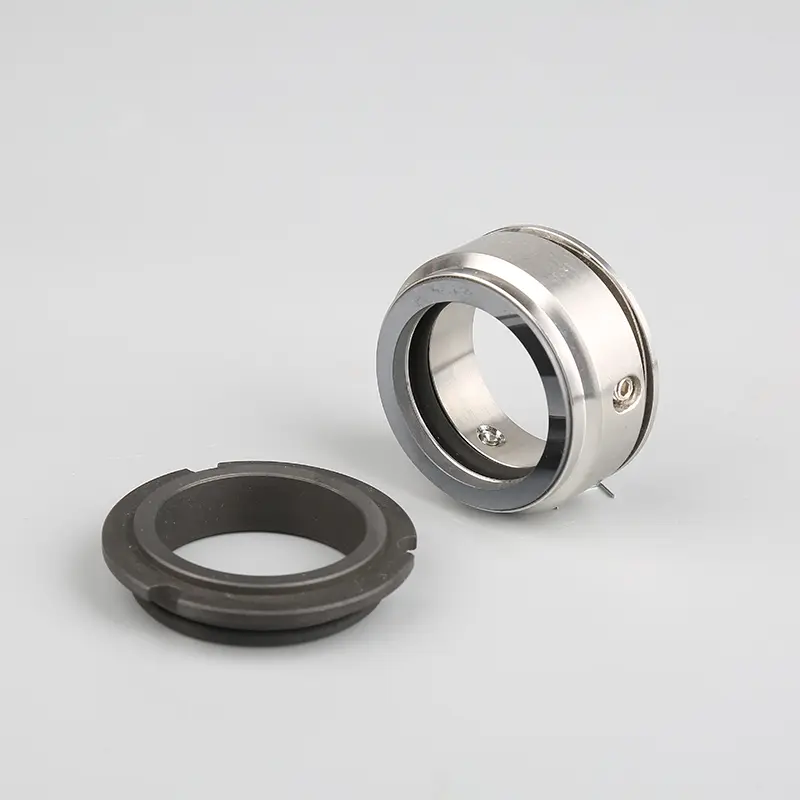
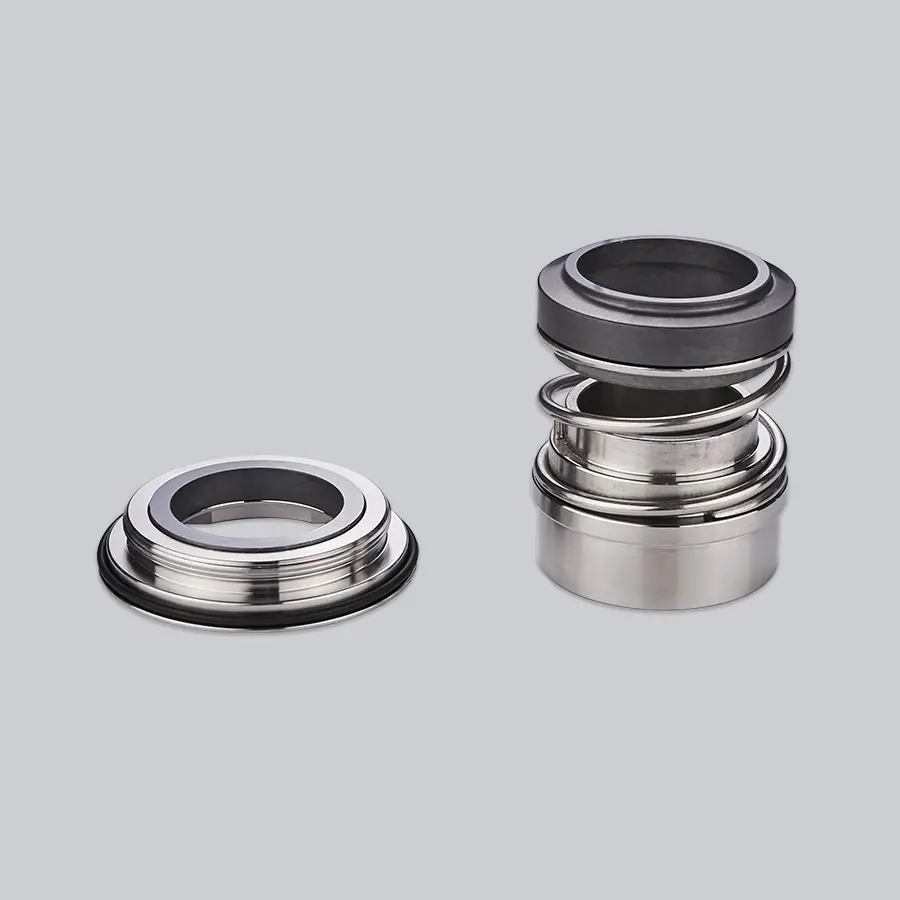
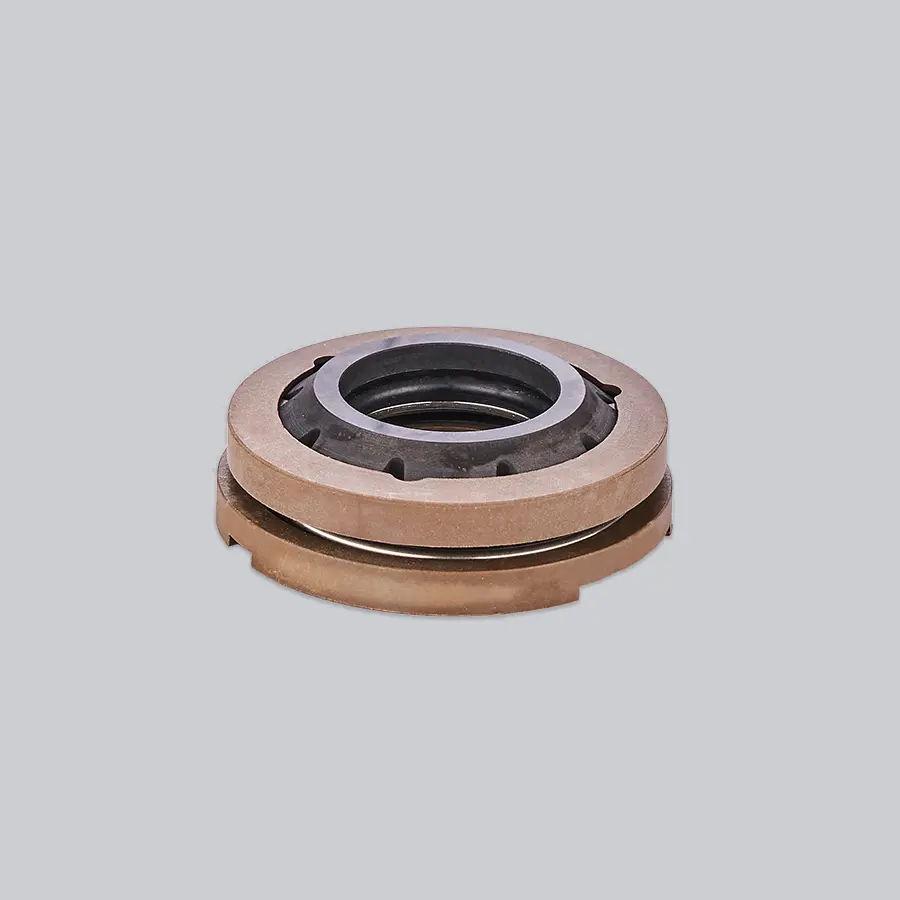
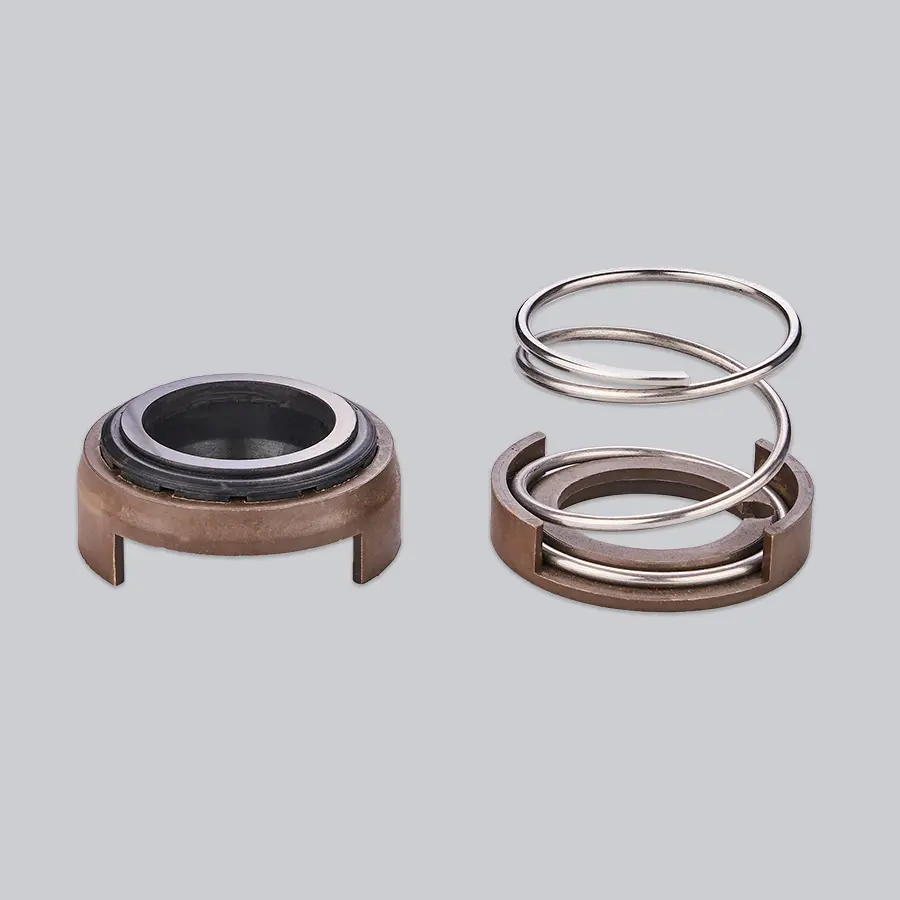
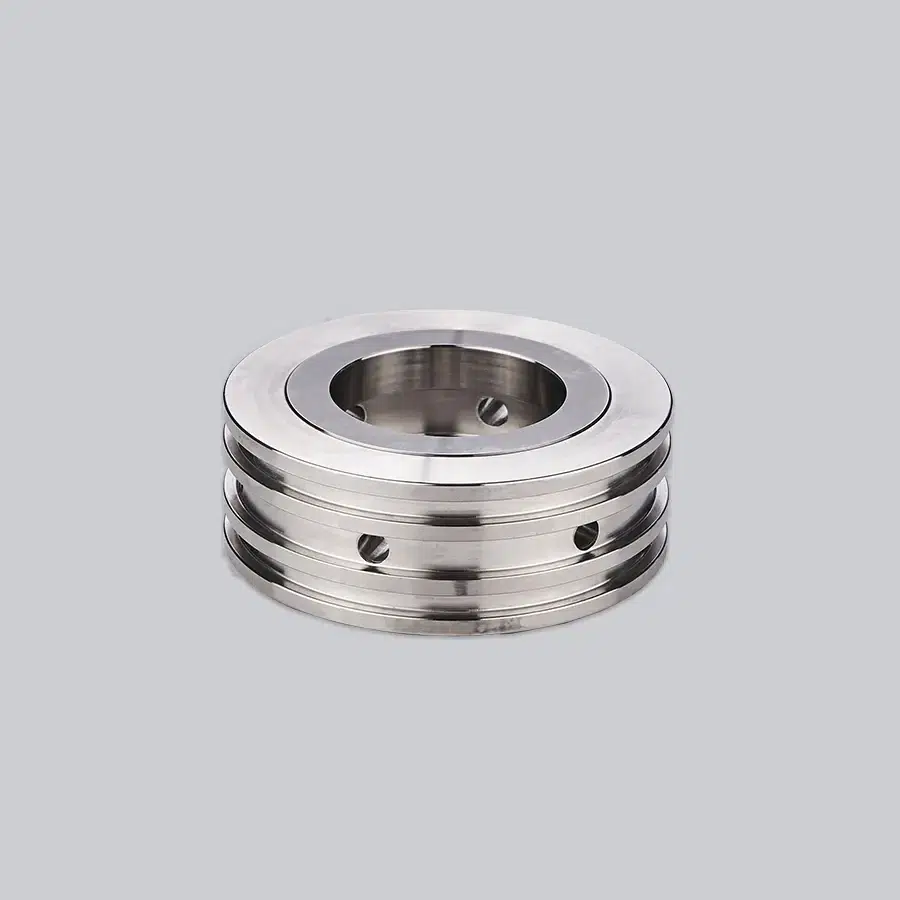
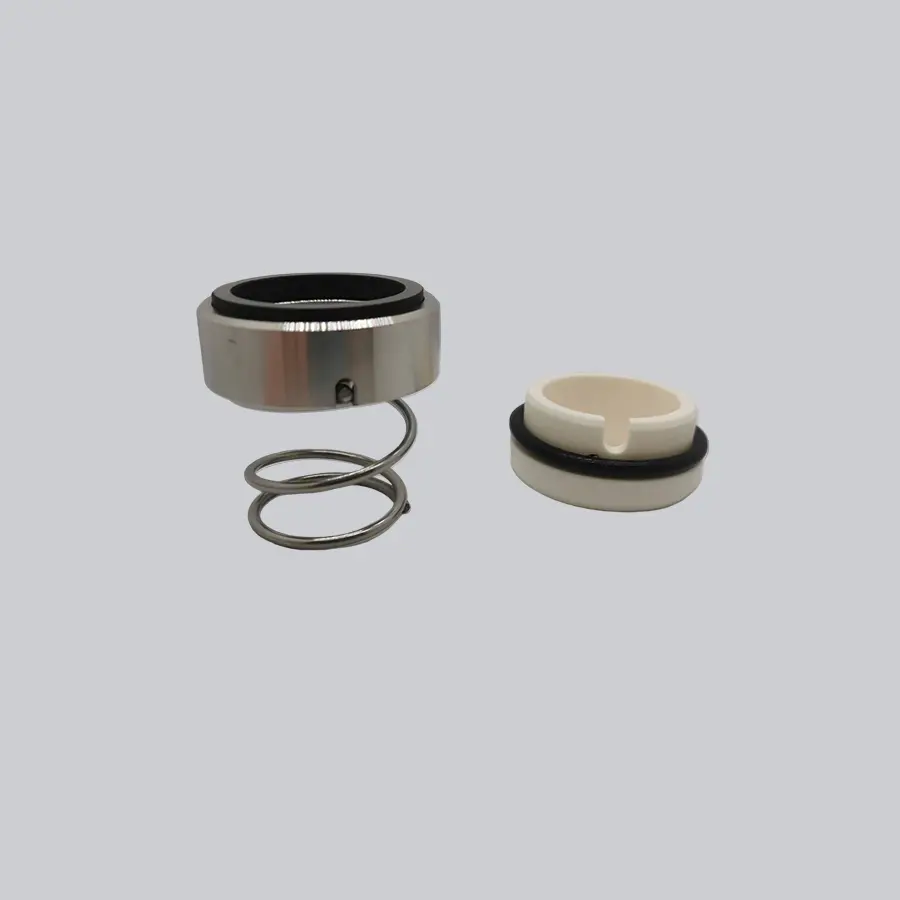
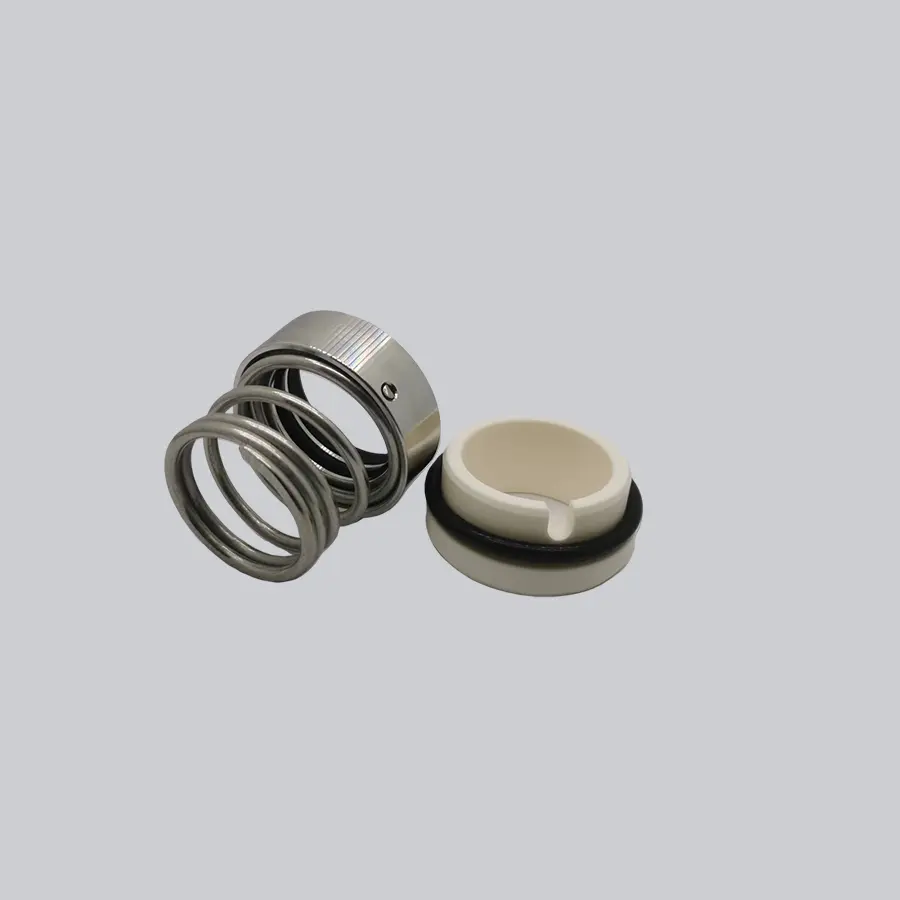
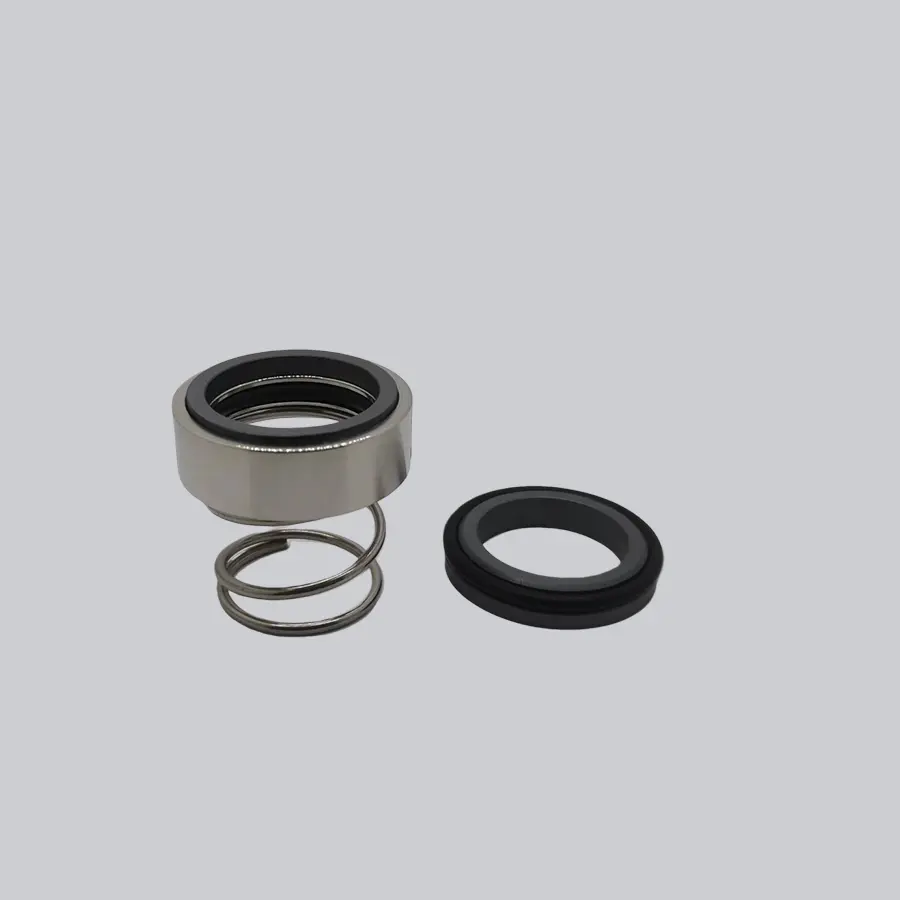
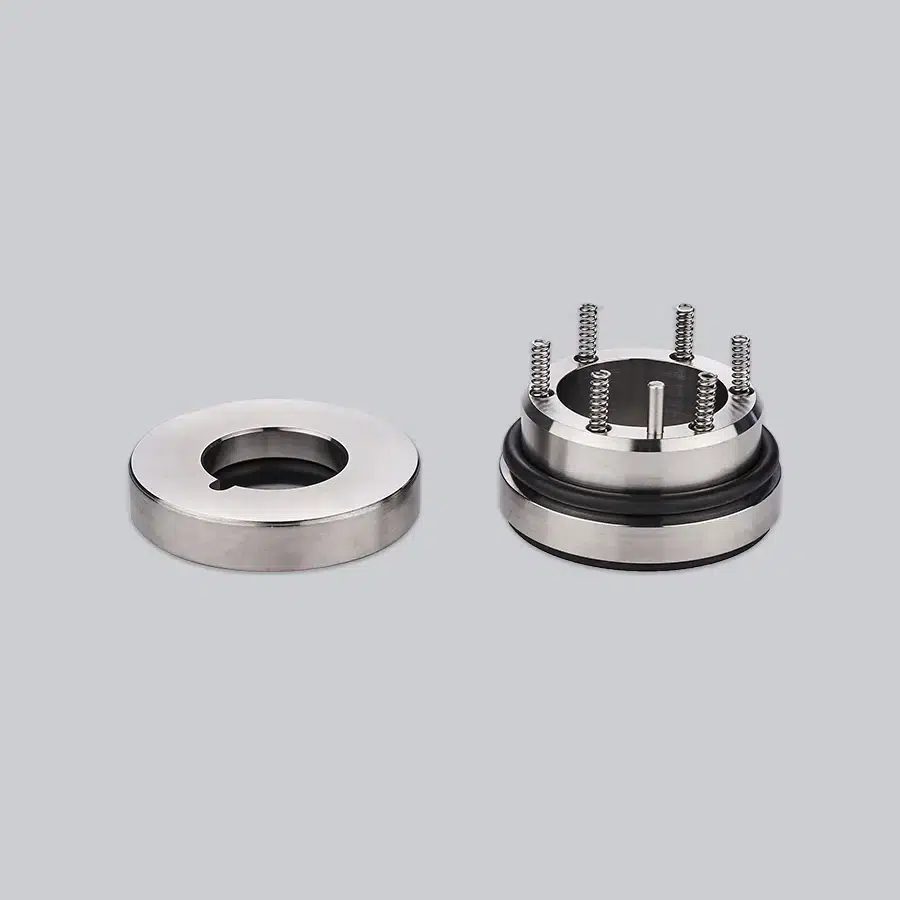
We manufacture mechanical seals replacement of world-famous pump brands, backed by our own advanced mechanical seal factory. With strong in-house production capacity, we carry stock of most OEM seals, enabling fast turnaround and delivery. If you are interested in OEM pump seals for your specific applications, please feel free to contact us for details.

china OEM mechanical seal manufacturer

why choose Victor

precision OEM engineering

With over 27 years of expertise and advanced CNC machining, Veekter designs and produces OEM mechanical seals in strict accordance with DIN24960, EN12756, ISO3069, API610, API682 and GB6556-94 standards.

fast and reliable supply

Backed by a 3,800㎡ facility and ample inventory, our in-house production ensures continuous availability of OEM mechanical seals, reducing lead times and supporting smooth operations for customers worldwide.

tailored OEM solutions

Our engineering team develops customized mechanical seals for specific pump applications, providing precise design support, sample validation, and responsive after-sales service to ensure long-term reliability worldwide.

advantages of Victor OEM replacement mechanical seals

precise fit

Veekter OEM replacement mechanical seals are engineered to exact dimensions, ensuring full compatibility with original pump designs. This precise matching minimizes the risk of leaks and operational inefficiencies.

enhanced performance

Our seals are manufactured using premium materials and advanced machining processes, improving operational stability and reducing wear under demanding marine and industrial conditions.

durability

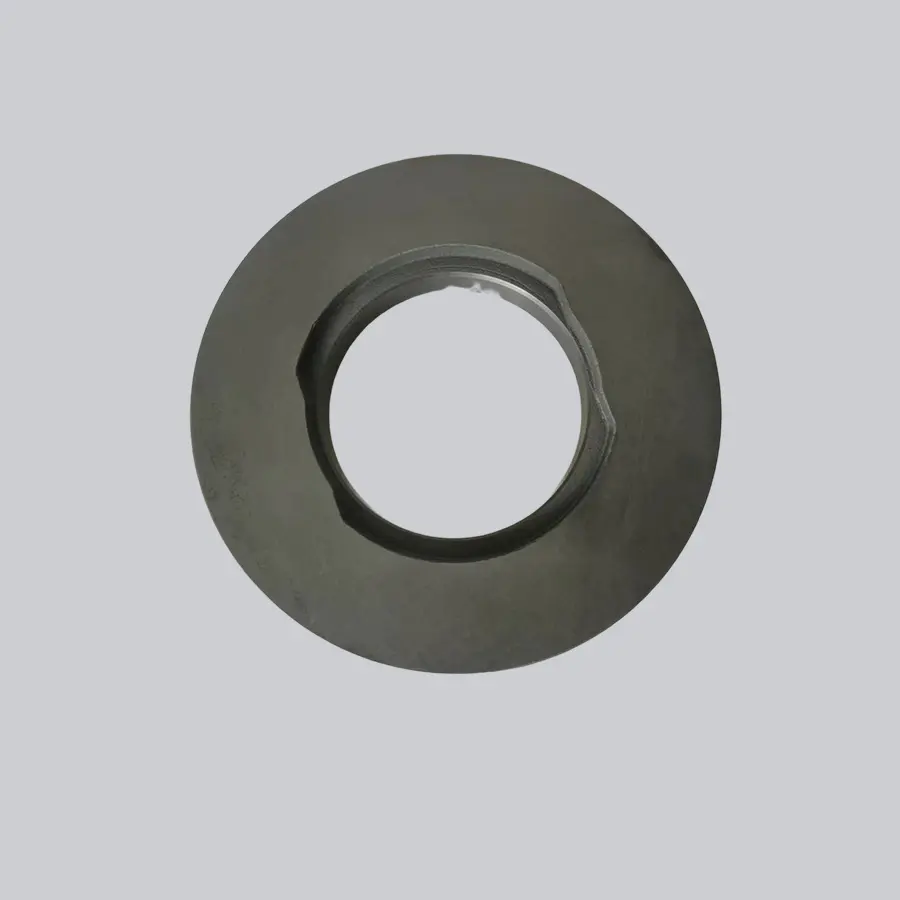
With rigorous quality control and the use of high-grade materials such as Silicon Carbide, Tungsten Carbide, Ceramic, Veekter seals offer resistance to corrosion, abrasion, and extreme temperatures.

easy installation

Designed as direct replacements, Veekter OEM seals can be installed without modifying the pump, saving time and reducing the risk of installation errors while maintaining reliable operation.

how to start OEM mechanical seal

If you have a question about our products or need help with a custom mechanical seal solution, we’d love to hear from you. Give us a few details regarding your project and we’ll be happy to help.

initial consultation

Provide your pump type, operating conditions, and technical requirements. Veekter’s engineers review the details to recommend suitable mechanical seal solutions that meet your application needs.

Our team analyzes the provided specifications, including dimensions, materials, and working environment. This step ensures the seal design will perform reliably under the intended conditions.

Veekter manufactures prototype seals based on the evaluation results. Samples are tested for fit, performance, and durability before full-scale production to guarantee quality and reliability.

After testing and client confirmation, the seal design is finalized. We proceed with precision manufacturing under strict quality control, ensuring every component meets international standards.

Finished OEM mechanical seals are shipped to the client. Veekter provides ongoing support for installation, troubleshooting, and maintenance guidance to ensure optimal performance.

mechanical seal repair guide

We provide a complete range of direct-replacement mechanical seals suitable for widely used marine pumps around the world. All our seals are manufactured to strict quality standards using premium materials, allowing them to serve as exact replacements without any modification, fully compatible with the original OEM pumps. Below are the most common maintenance issues and their solutions. If your problem is not listed or requires further assistance, please contact us for personalized support.

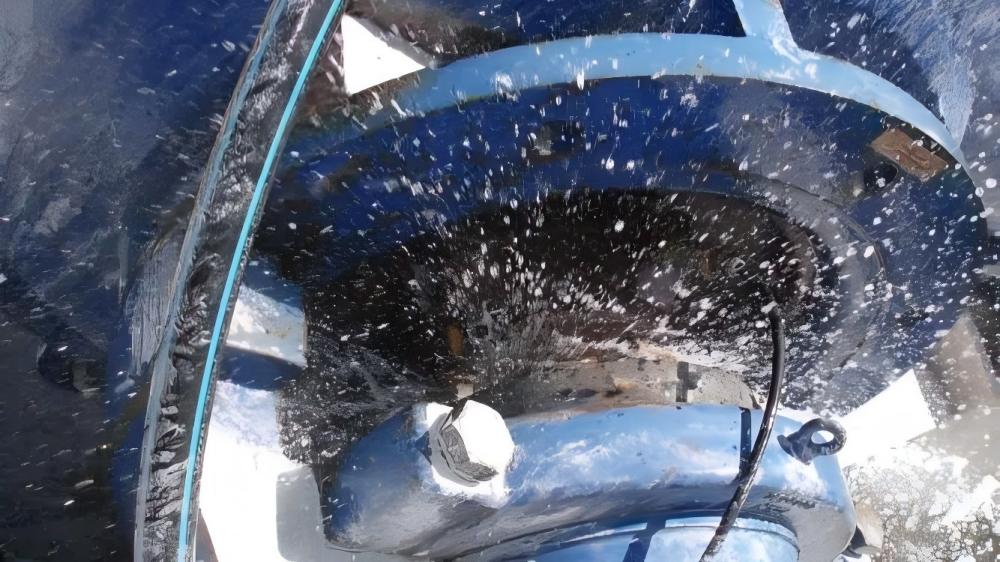
leakage

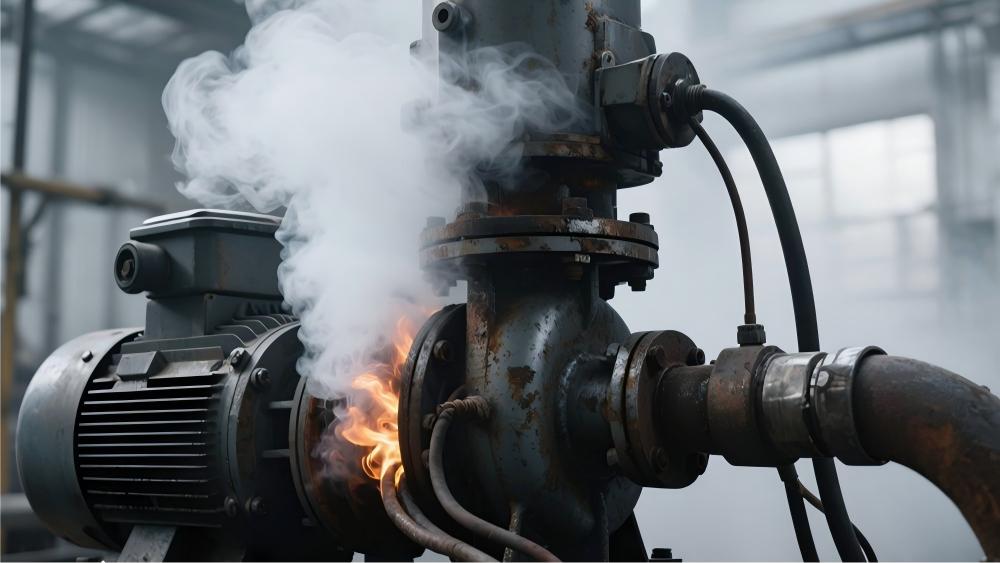
overheating

vibration and noise

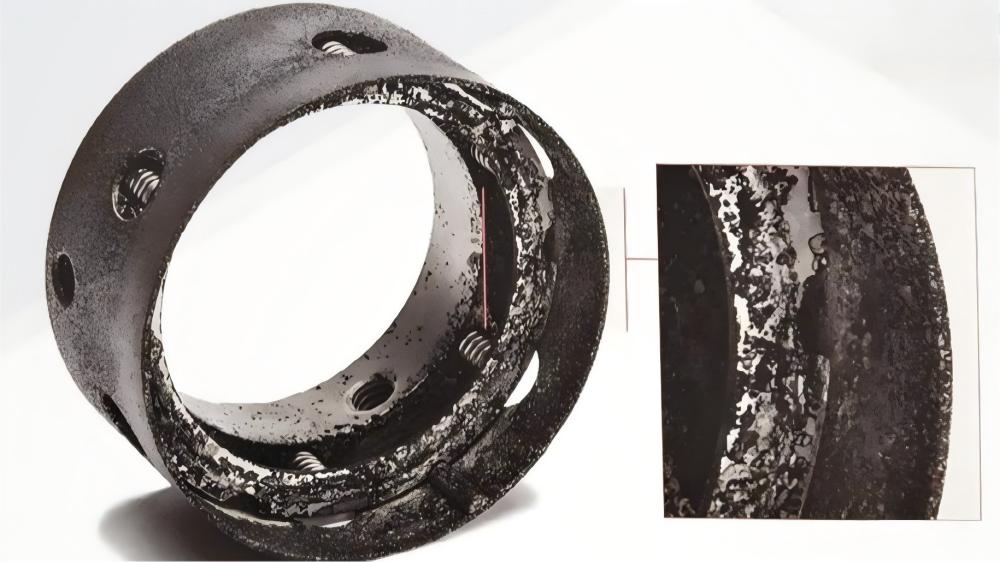
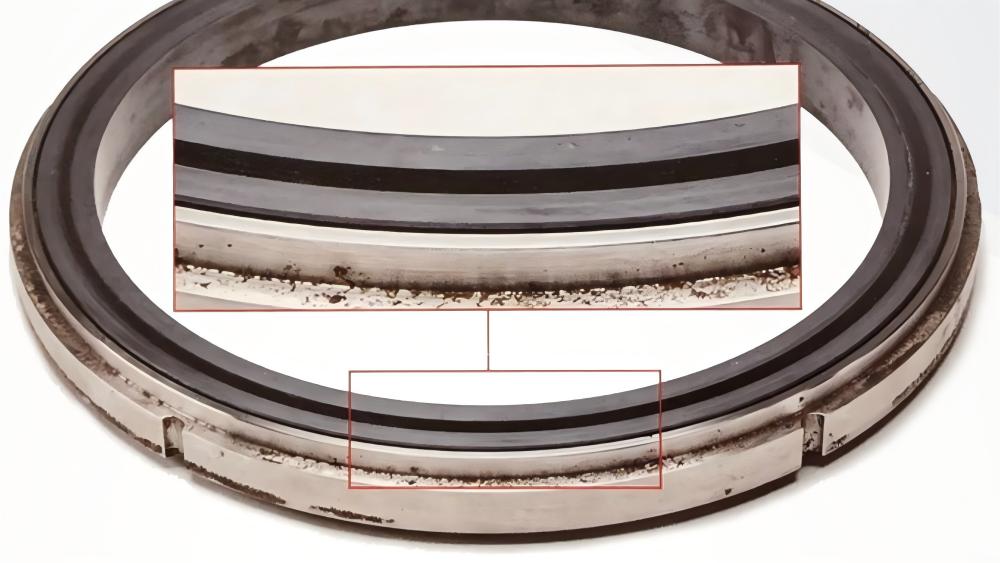
material corrosion or erosion

premature wear

persistent failure

oem mechanical seal for pumps faq

Related blogs

Acquire all kinds of knowledge from professional China pump seal manufacturer

OEM mechanical seal flush vs. quench

A flush works by introducing clean process fluid or compatible liquid into the seal chamber. Its main purpose is to remove heat, flush away particles, and maintain a stable fluid film between the seal faces. The advantages of a flush include improved seal cooling, reduced wear, and prevention of dry running. Flush systems are most suitable for pumps handling clean or mildly contaminated fluids, high-temperature liquids, or applications with fluctuating operating conditions.

A quench functions by supplying an external liquid—often water or a compatible fluid—outside the seal faces, typically to dilute or cool any leakage from secondary seals. Its main advantages are protection against corrosive or high-temperature fluids and prevention of crystallization or hardening of residues around the seal. Quench arrangements are ideal for pumps handling hazardous, viscous, or crystallizing fluids where additional cooling and isolation are required to protect the seal and surrounding components.

Veekter’s engineers can recommend the proper flush or quench setup depending on your pump type, operating conditions, and fluid characteristics, ensuring optimal seal performance and extended service life.

The service life of an OEM mechanical seal typically ranges from 1 to 3 years under standard operating conditions. However, this lifespan can vary significantly based on several factors, including operating environment, fluid characteristics, seal design, and maintenance practices.

Factors Influencing Seal Life

Operating Conditions: Seals subjected to high temperatures, pressures, or speeds often experience reduced lifespans. For instance, pumps operating in cyclic conditions or with abrasive fluids may encounter premature wear.

Seal Design and Material: Seals made from high-quality materials like Silicon Carbide or Tungsten Carbide, and those designed to handle specific applications, tend to last longer.

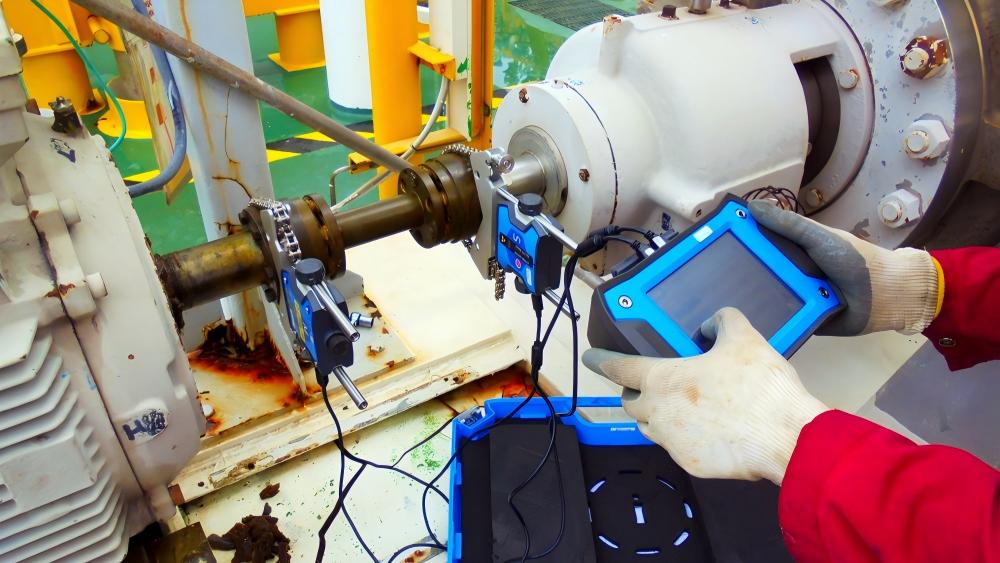
Maintenance Practices: Regular maintenance, including proper installation, alignment, and monitoring, can significantly extend the life of mechanical seals.

Industry Standards and Expectations
According to the Fluid Sealing Association, operating a seal at its specified limits—such as pressure, speed, or temperature—can result in a minimum lifespan of 2 to 3 years, with some seal types, like those specified in Standard API 682, achieving this duration under steady-state conditions.

Mechanical seals and oil seals serve different purposes, so “better” depends on the application.

Mechanical Seal
Working Principle: Uses two flat, precision-machined faces (one stationary, one rotating) to prevent fluid leakage.

Advantages: Can handle high pressures, high speeds, and aggressive or hot fluids; provides a reliable, long-term sealing solution for pumps, mixers, and rotating equipment.

Best Application: Industrial pumps, marine pumps, chemical processing equipment, and applications requiring durability and minimal leakage.

Oil Seal
Working Principle: Uses an elastomer lip in contact with a shaft to prevent lubricant leakage and block external contaminants.

Advantages: Simple, low-cost, easy to install and replace; effective in retaining grease or oil in low-pressure environments.

Best Application: Gearboxes, automotive engines, axles, and rotating shafts where conditions are less demanding.

Conclusion:
If the system involves high pressure, high temperature, or corrosive fluids, a mechanical seal is the better choice.

If the application is low pressure, requires basic lubrication retention, and cost-effectiveness, an oil seal is more suitable.