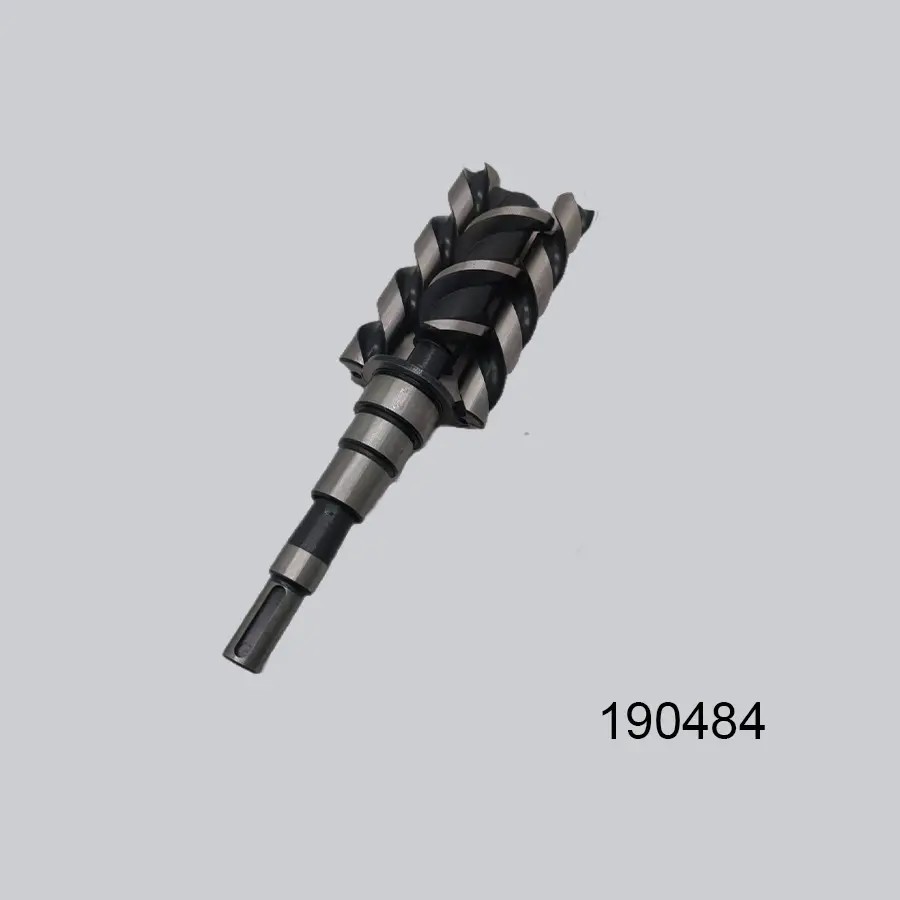
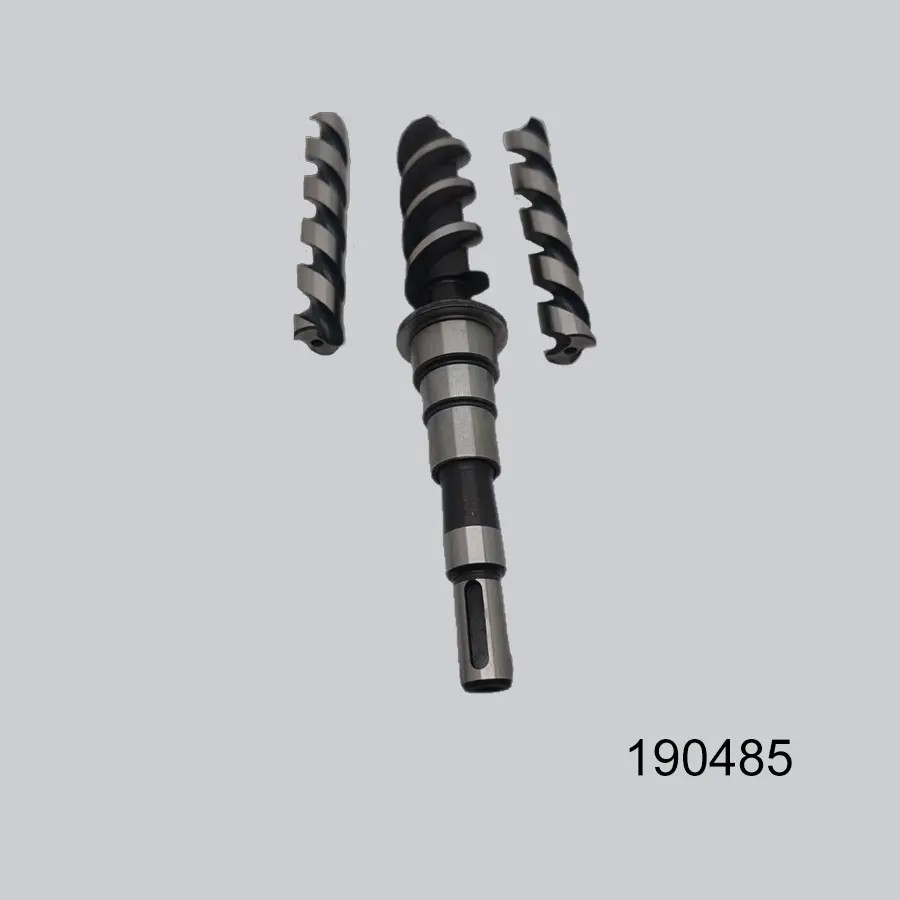
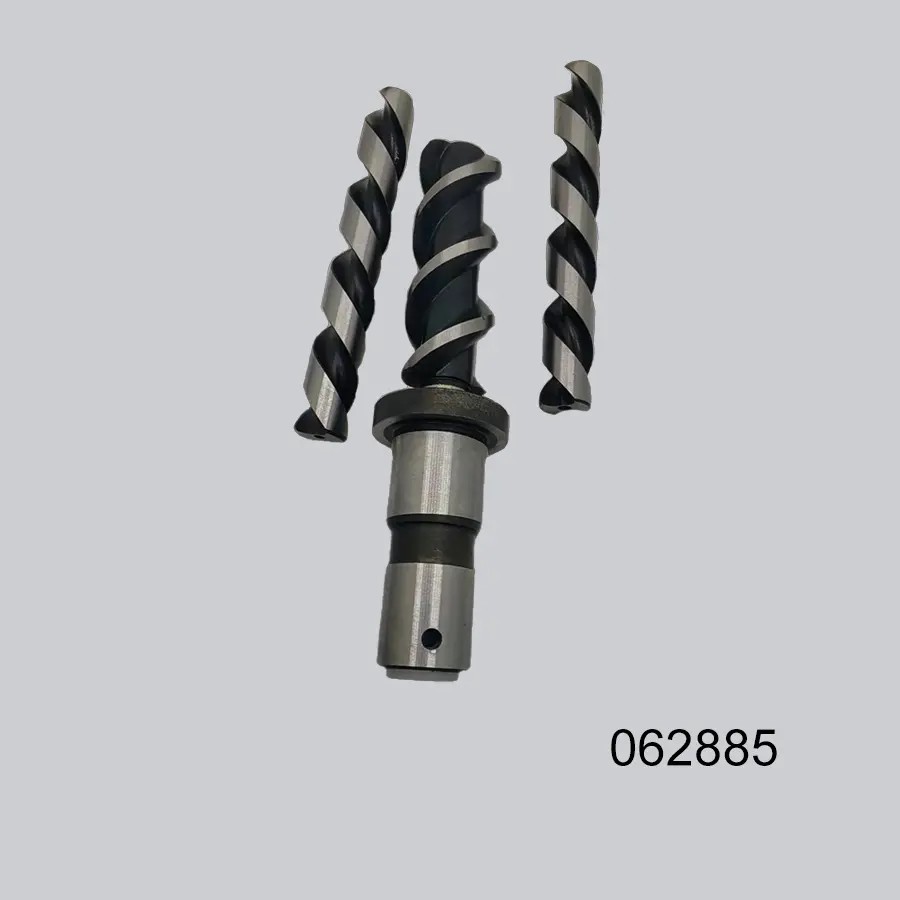
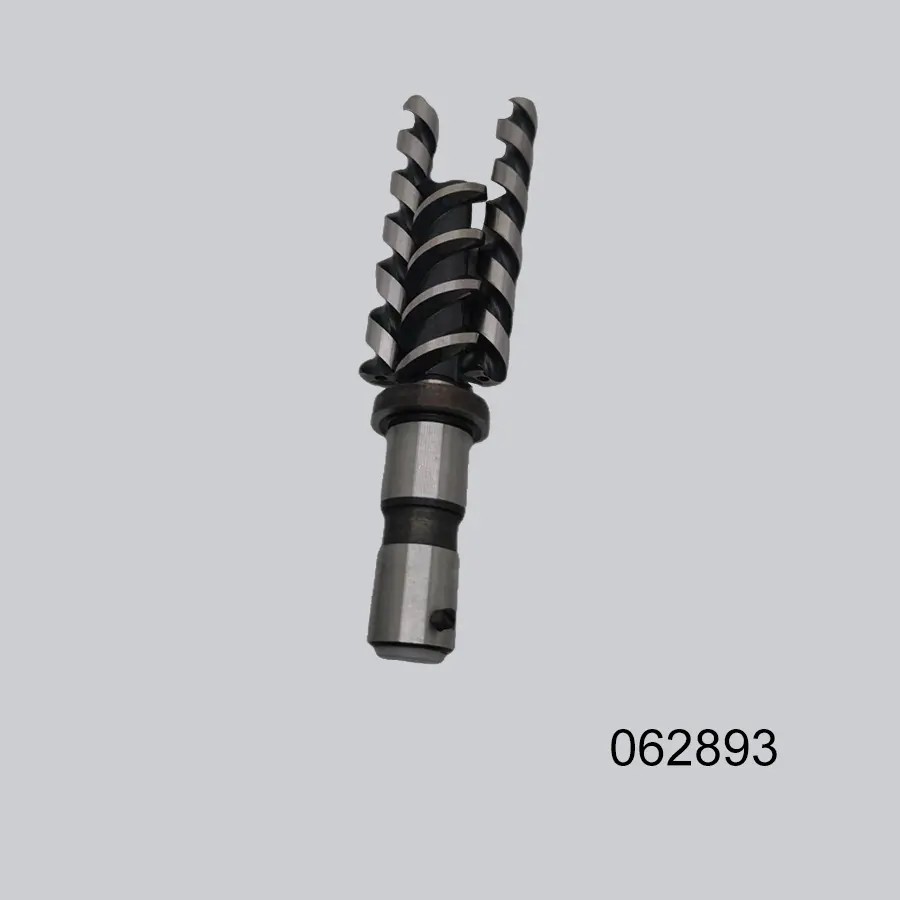
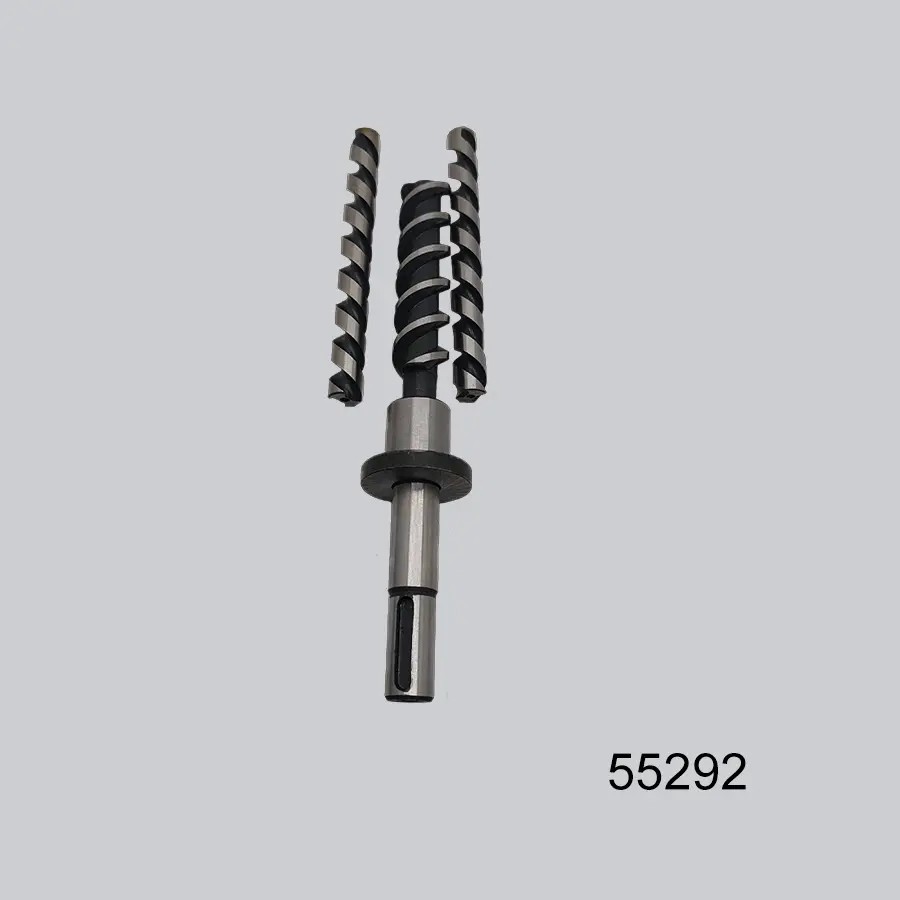
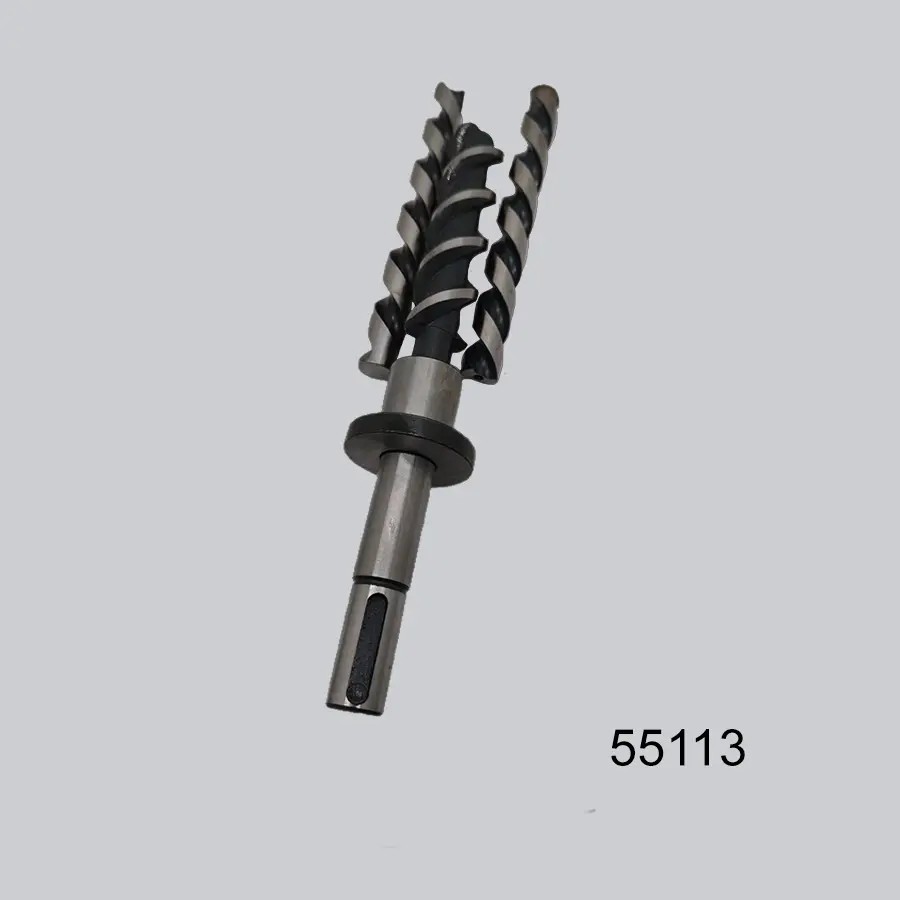
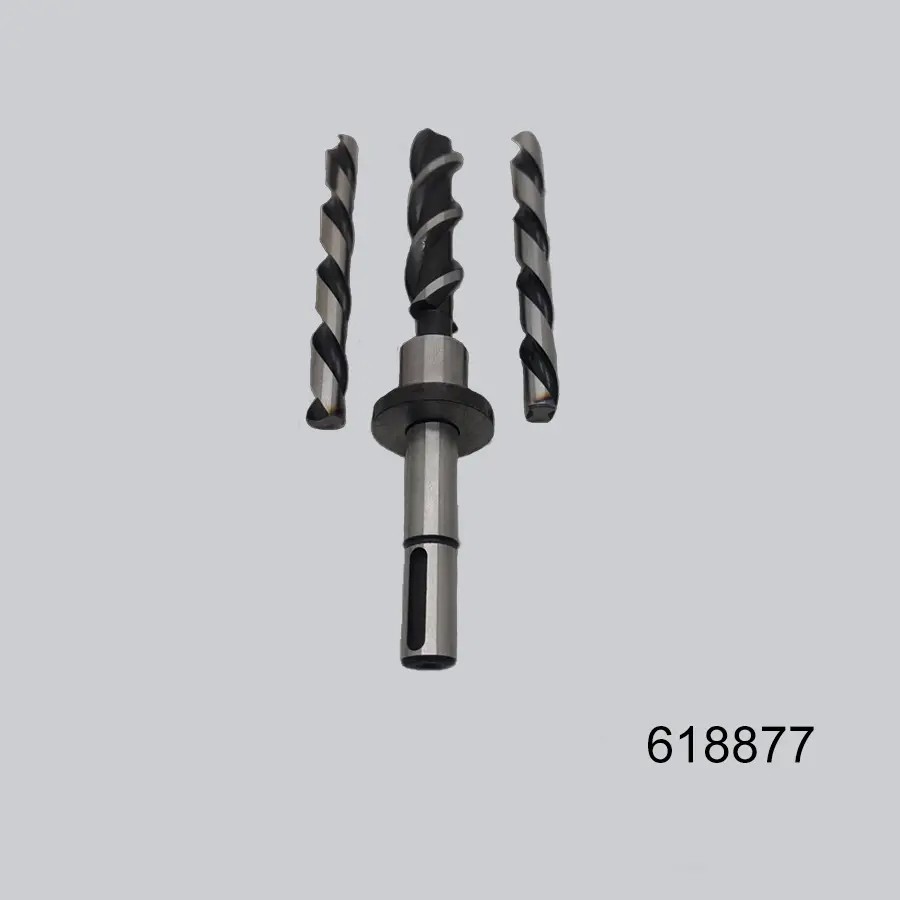
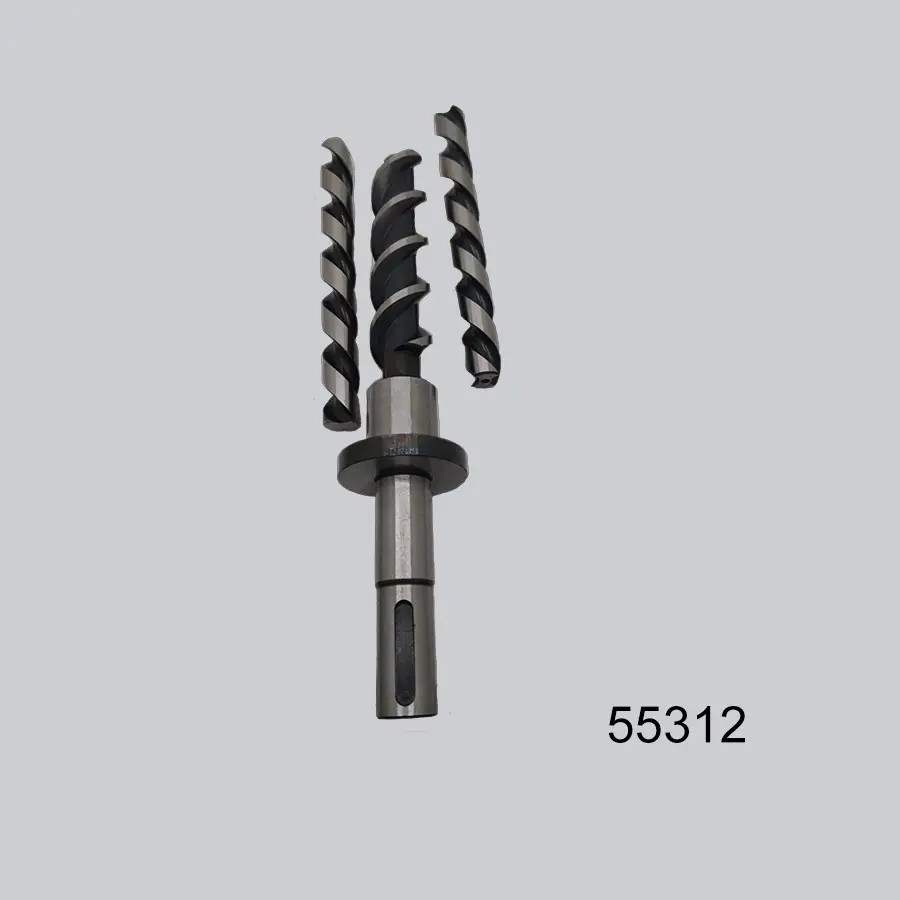
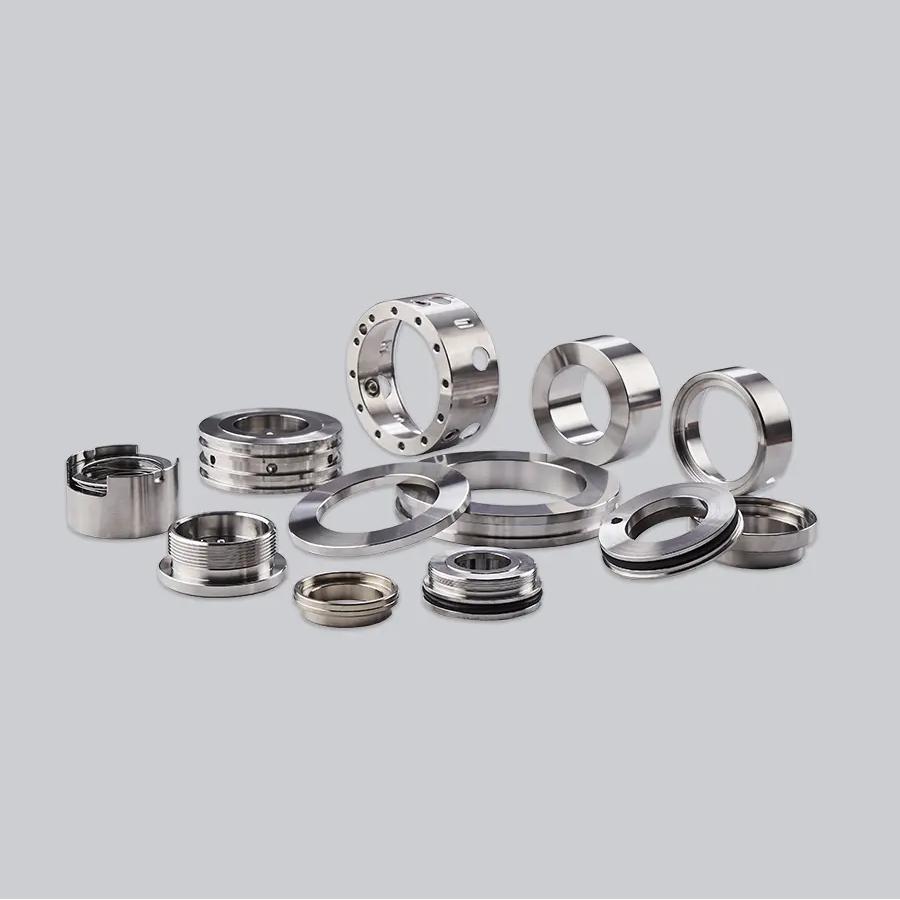
A pump rotor is a critical component of certain types of pumps, particularly centrifugal pumps and positive displacement pumps. It is the rotating part of the pump that imparts energy to the fluid being pumped, enabling it to move through the system.
Key Functions of a Pump Rotor:
Fluid Movement: The rotor creates a flow of fluid by converting mechanical energy into hydraulic energy. In centrifugal pumps, the rotor (often called an impeller) spins, creating a low-pressure area that draws fluid in and then pushes it outwards.
Pressure Generation: In positive displacement pumps, the rotor helps to trap a fixed volume of fluid and then forces it out of the pump, generating pressure.
Efficiency: The design and material of the rotor can significantly affect the efficiency of the pump. Factors such as rotor shape, size, and surface finish can influence how effectively the pump moves fluid.
Types of Rotors:
Centrifugal Pump Rotors (Impellers): These are typically designed with blades that help to accelerate the fluid outward from the center of rotation.
Positive Displacement Pump Rotors: These can vary widely in design, including gear rotors, diaphragm rotors, and screw rotors, each suited for different applications and fluid types.