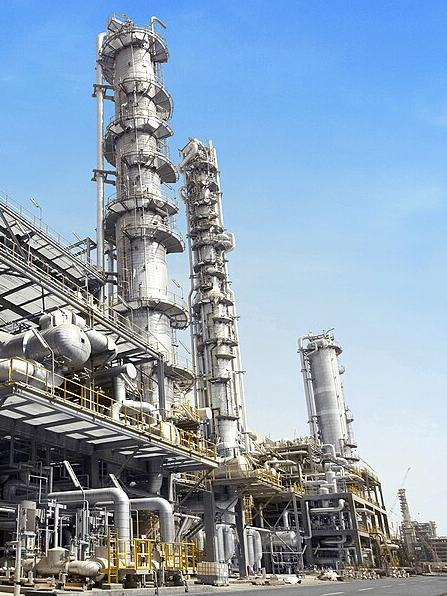
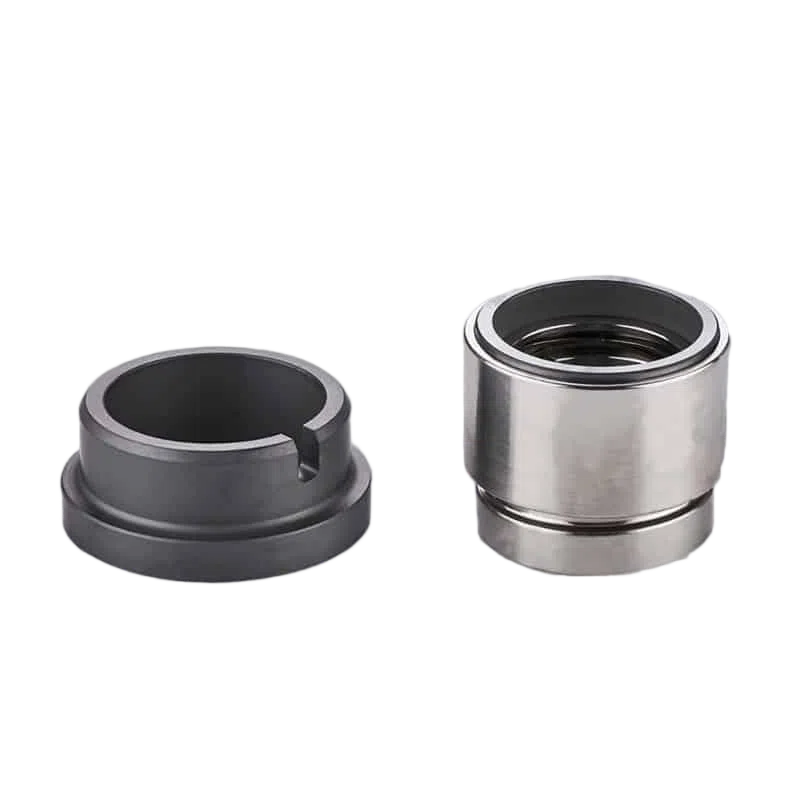
A mechanical seal keeps liquid inside a pump. It stops leaks from the spinning shaft. Victor is a top maker with over 27 years of experience. They make strong seals for tough places. Their mechanical seal products help machines work better. They also keep equipment safe in many fields. The table below shows where Victor’s seals are used:
| Industry | Application Types |
|---|---|
| Marine | Pump mechanical seals, rotating shaft mechanical seals |
| Oil and Gas | Cartridge mechanical seals, ceramic mechanical seals |
| Automotive | Water mechanical seals |
| Chemical | Mixer mechanical seals, compressor mechanical seals |
Mechanical seals are very important. They help pumps work well and stay safe.
Key Takeaways
- Mechanical seals stop leaks in pumps. They keep fluids inside and protect the environment. These seals need less care than packing seals. This saves time and lowers costs. Picking the right mechanical seal makes pumps work better. It also helps pumps last longer. This makes them a good choice. Mechanical seals help follow safety rules. They stop dangerous leaks in places like chemical and oil industries. Victor has many types of mechanical seals. This means they fit lots of pump models and uses.
Mechanical Seal Function in Pumps
Preventing Fluid Leaks
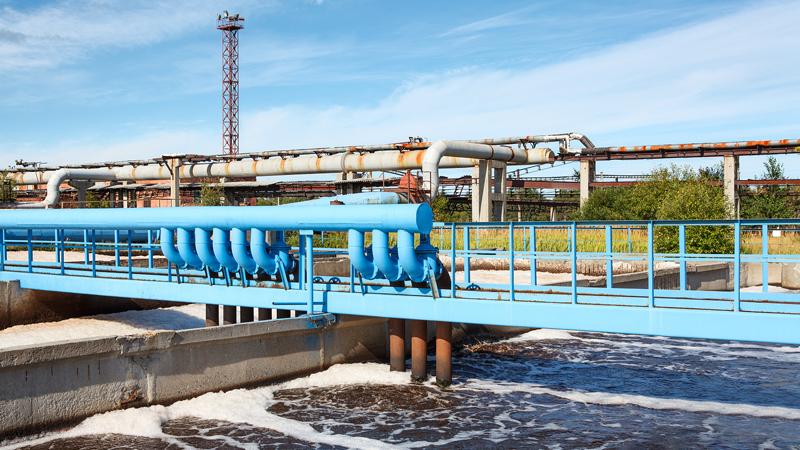
Mechanical seals are crucial in pumps. They prevent fluid leakage. Even with high-speed shaft rotation, the seal ensures no fluid escapes. Engineers meticulously design these seals to withstand high-viscosity fluids and harsh operating conditions. This sealing performance is superior to packing seals. It forms a stable barrier to prevent fluid leakage. Mechanical seals consist of three main parts: a rotary seal, a stationary seal, and an auxiliary seal. These components work together to prevent gaps between the shaft and the pump body.
The leakage rate of mechanical seals is far less than that of packing seals. Packing seals leak approximately one drop per minute per inch of shaft diameter. Sometimes, the leakage rate of packing seals is five to ten times that of mechanical seals. The design goal of mechanical seals is to be completely leak-free. The following table lists the leakage rates of various seal types:
| Type of Seal | Leakage Rate |
|---|---|
| Gland Packing | About 1 drop per minute per inch of shaft (can be 5-10 times higher) |
| Mechanical Seals | Made to have no leaks |
Mechanical seals keep a thin layer of fluid between the seal faces. This layer helps the seal move smoothly and stops damage. The seal can handle small shaft moves, so it stays tight. Pumps with mechanical seals work safely and well, even with dangerous fluids like oil or chemicals.
Tip: Mechanical seals need less care than packing seals. You do not have to adjust or change them often. This saves time and helps the pump work better.
Enhancing Pump Reliability
Mechanical seals improve pump reliability by preventing leaks. The seals prevent fluid leakage and protect internal components. Pumps equipped with mechanical seals have a longer service life and a lower failure rate. The seals prevent dust ingress, ensuring smooth fluid flow and thus guaranteeing good pump operation.
Mechanical seals perform exceptionally well in harsh environments. They can withstand shaft movement and vibration, allowing the seals to remain in place. This means leaks are extremely rare. In chemical plants, these seals prevent hazardous leaks and help businesses comply with safety regulations. Superior design and materials result in longer seal life and lower maintenance costs.
The table below shows how long different seals last in pumps:
| Seal Type | Average Lifespan (Years) |
|---|---|
| Cartridge Seals | 2 to 4 |
| Bellows Seals | 3 to 5 |
| Single Spring Seals | 1 to 2 |
| Double Seals | 3 to 7 |
| Elastomer Bellows | 1 to 5 |
Mechanical seals help pumps work well in many jobs. They keep fluid inside, protect the pump, and keep things safe. Pumps with these seals are more reliable and work better, so they are a good choice for tough jobs.
Mechanical Seal Types
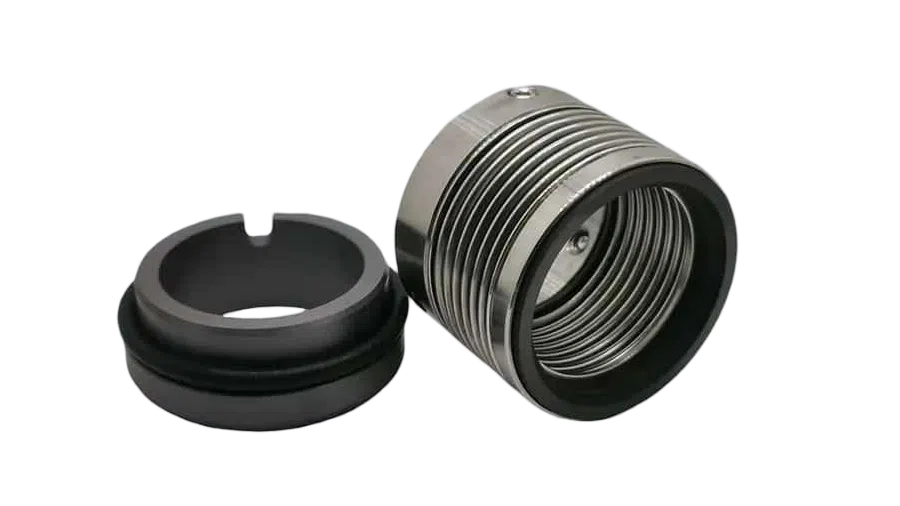
Mechanical seal types are important in centrifugal pumps. Each type has its own features. These features help people pick the right seal. The right seal makes pumps work better and keeps fluid safe. Victor sells many kinds of mechanical seal types for different jobs. They have both standard and OEM mechanical seals. Their seals fit many famous brands and pump models.
Single Mechanical Seals
Single mechanical seal types have a simple design. One seal face touches another face. This works well in pumps with normal fluids. Single mechanical seal types cost less money. They also need less care. These seals are good for jobs where safety is not a big worry. The seal keeps fluid inside and stops leaks. Checking the seal often helps it last longer.
Single mechanical seal types are easy to put in and take out. They work best in pumps with low pressure.
| Feature | Single Mechanical Seal | Double Mechanical Seal |
|---|---|---|
| Design | Simple design, low installation and maintenance costs | More complex, with two seals providing enhanced protection |
| Performance | Suitable for ordinary fluids, lower pressure environments | Ideal for high-pressure, corrosive, or high-temperature media |
| Leakage Prevention | Good sealing effects, but limited in critical situations | Double protection through two sealing faces, preventing leakage |
| Applications | Common in industrial equipment with lower safety concerns | Used in critical applications where leakage poses risks |
| Maintenance | Regular inspection and replacement needed | Easier assembly and disassembly, improving work efficiency |
Double Mechanical Seals
Double mechanical seal types use two seal faces. This gives extra safety in centrifugal pumps. Double mechanical seals are used with dangerous fluids. They stop leaks even when pressure is high. These seals help keep people and nature safe. Double mechanical seals are used in chemical, oil and gas, and food jobs.
| Industry | Reason for Use |
|---|---|
| Chemical and Petrochemical | Handling corrosive, toxic, or flammable fluids. |
| Oil and Gas | Pumps and compressors in refineries or offshore platforms. |
| Pharmaceutical and Food Processing | Ensuring hygienic containment of sensitive media. |
| High-Pressure Systems | Applications with extreme pressure or temperature fluctuations. |
Double mechanical seal types make pumps safer and more reliable. They are a good choice for important jobs.
Cartridge Seals
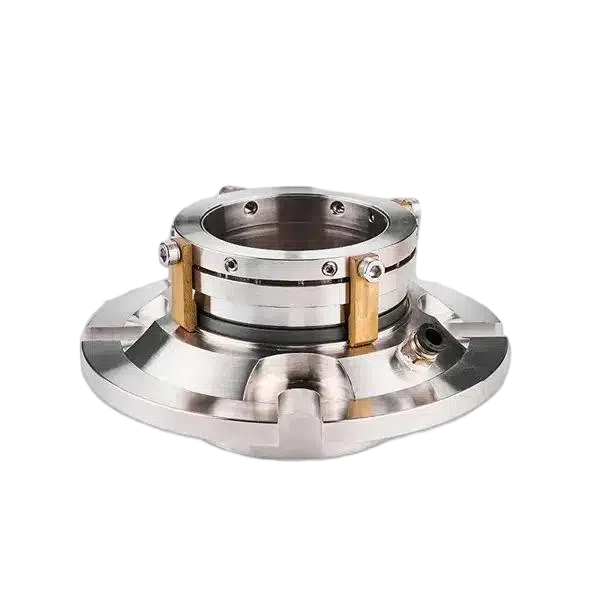
cartridge mechanical seal come already put together. They go right into centrifugal pumps. This makes putting them in fast and simple. Cartridge mechanical seal types help stop leaks and save time. Factory settings keep the seal faces tight. Cartridge seal types are good for pumps that run all day.
- Quick replacement saves time.
- Less risk of leaks because of factory settings.
- Safer to install with no hard steps.
- Great for pumps that work all the time.
- Cartridge seals are pre-assembled and pre-set for easy use.
- You can handle them as one piece and put them in fast.
- This lowers mistakes and makes fixing pumps easier.
Victor has many choices for mechanical seal types. They offer different seal face materials like carbon graphite, silicon carbide, and tungsten carbide. Seats can be aluminium oxide or silicon carbide. Elastomers include NBR, EPDM, FKM, and HNBR. Metal parts are made from stainless steel. Victor can add custom logos, packing, and colors for special pump jobs.
Victor helps people pick the right seal by offering many mechanical seal types. Their seals fit many pumps and work in hard places.
How Mechanical Seals Work
Sealing Mechanism and Components
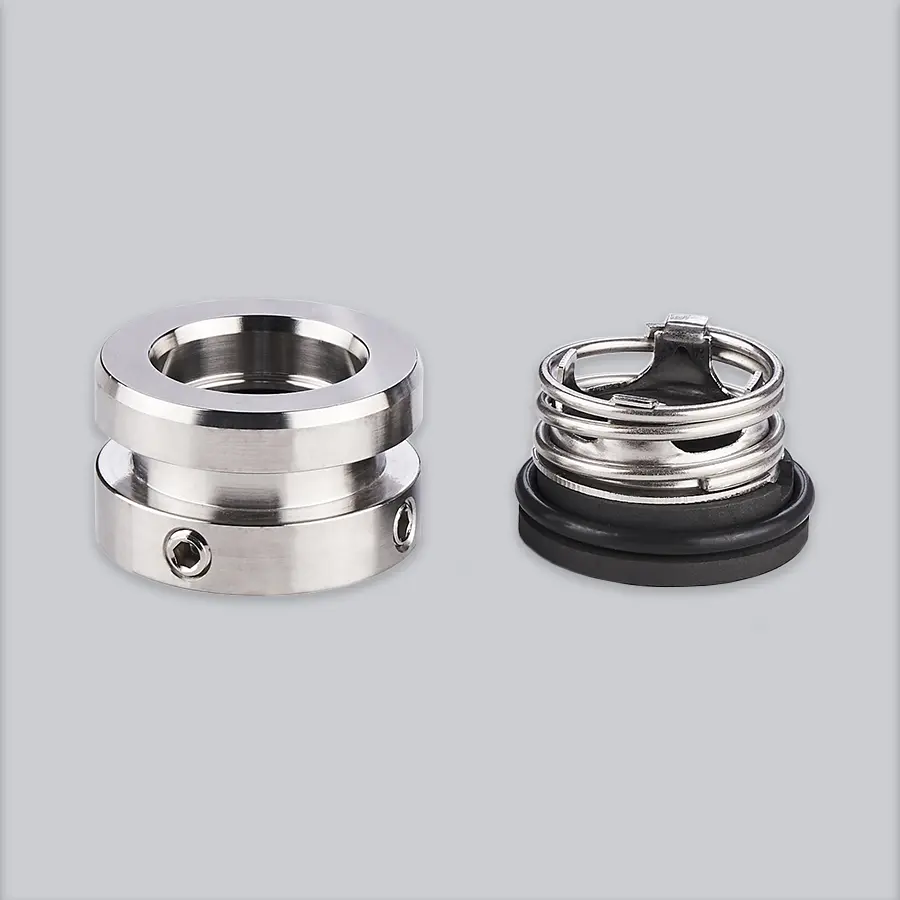
A mechanical seal has many parts that keep fluid inside. The rotating face spins with the shaft. The stationary face does not move. These two faces touch and make a tight seal. Springs push the faces together to keep the seal strong. This works even if the shaft moves. O-rings or gaskets give extra leak protection. Retainers and sleeves hold all the parts in place.
| Component | Function |
|---|---|
| Rotating Face | Moves with the shaft and keeps touching the stationary face. |
| Stationary Face | Stays still in the housing and seals against the rotating face. |
| Secondary Sealing Elements | Add more barriers to stop leaks around the seal parts. |
| Springs | Push the faces together so the seal stays tight. |
| Hardware Assemblies | Use retainers and sleeves to keep seal parts in the right spot. |
The seal keeps a thin layer of fluid between the faces. This layer cuts down on friction and wear. The spring keeps the faces pressed together, even if the shaft shakes. The seal stops fluid from leaking out along the shaft. This helps protect the pump from leaks.
Note: Picking the right materials for each part is important. Faces are often made from carbon graphite, ceramic, silicon carbide, or tungsten carbide. Nitrile rubber and fluoroelastomers are used for O-rings and gaskets. These materials help the seal handle heat, chemicals, and wear.
Maintaining Fluid Integrity
The seal keeps fluid inside the pump, even if pressure changes. The parts make a thin fluid film between the faces. This film stops leaks and helps the seal work well. The spring keeps the faces together, even if the shaft moves or wears down.
- Mechanical seals need a thin film to help the faces move.
- If the film is too thick, there can be more leaks and wear.
- If the film is too thin, it can get hot and hurt the seal.
Mechanical seals keep dirt and air out of the fluid. This helps the pump last longer and work better. Seals also cut down on downtime. Doing regular checks keeps the seal strong and stops leaks. High-quality seals, like cartridge types, protect places from costly problems.
Tip: Mechanical seals help pumps work better by stopping leaks and lowering friction. They help pumps use less energy and last longer.
- A mechanical seal stops leaks in pumps. It keeps the fluid from getting out. The seal makes a thin layer that helps parts move smoothly. This layer also keeps the pump cool. Picking the right seal for the pump and fluid is important. It helps keep the pump safe and working well. Double seal systems give extra safety from dangerous leaks.
Victor makes strong seals for many kinds of pumps. Their seals work with many brands and in many fields. Victor’s good quality and custom options help pumps work better. You can count on Victor for seals you can trust.
FAQ
What is a mechanical seal?
A mechanical seal is a device that keeps liquid from leaking out of a pump. It uses two flat surfaces pressed together to block the fluid. This helps the pump work safely and keeps the area around the pump clean.
Why do pumps need seals?
Pumps need seals to stop fluid from escaping. The seal keeps the liquid inside the pump, which helps protect equipment and the environment. Seals also help pumps last longer and work better.
How often should a seal be replaced in a pump?
Most seals last several years if used correctly. Regular checks help spot problems early. Replacing a seal depends on the pump’s use, the type of fluid, and how well the pump is maintained.
Can one mechanical seal fit all pumps?
No, each pump may need a different seal. The right seal depends on the pump’s size, the type of fluid, and the working conditions. Victor offers many seal options for different pumps and jobs.
What are the signs of a failing seal?
A failing seal may cause leaks, strange noises, or lower pump performance. Operators should check for wet spots, drops in pressure, or changes in how the pump sounds.