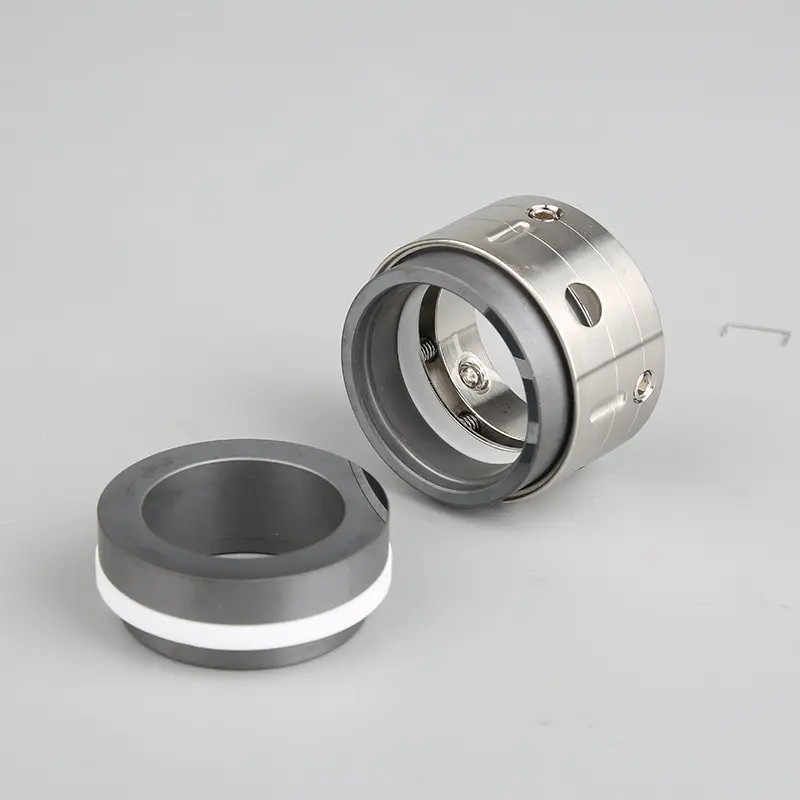
Pumps rely on two main types of seals to prevent fluid leakage along the rotating shaft: mechanical seals and gland packing (also known as stuffing box seals). Mechanical seals use precision‑machined flat faces—one rotating with the shaft, one stationary—to create a near‑leak‑free barrier. Gland packing consists of braided or extruded rings compressed around the shaft, allowing a controlled weep for lubrication. Studies show that a majority of pump failures originate from seal issues, making proper selection and maintenance critical. Cartridge seals, pusher seals, and non‑pusher seals are common mechanical seal variants, each suited to specific operating conditions.
Key Takeaways
- Pumps use two primary rotary shaft seals: mechanical seals and gland packing.
- Mechanical seals offer near‑zero leakage, handle high pressure and temperature, and require less frequent maintenance.
- Gland packing is simpler, has a lower upfront cost, and tolerates shaft misalignment and abrasive fluids, but allows controlled leakage.
- Choosing the right seal depends on fluid properties, pressure, temperature, and application criticality.
Standard Main Seal Types for Pumps
Mechanical Seals
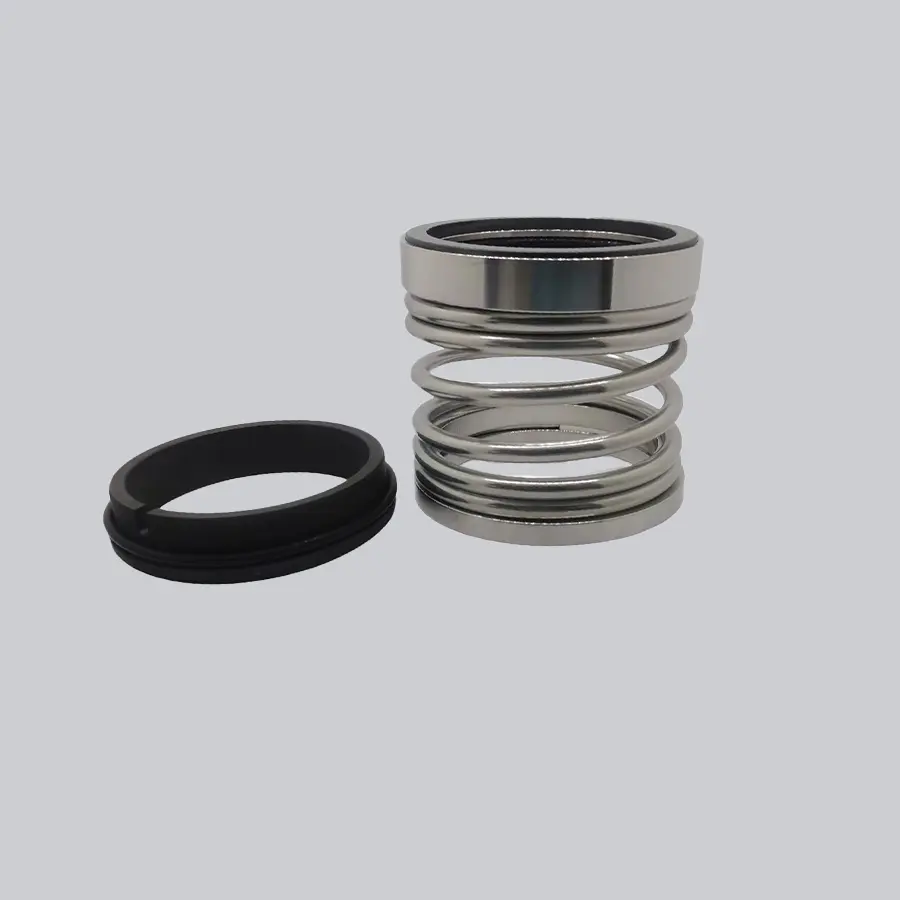
Mechanical seals are precision devices designed to prevent fluid leakage along the pump shaft. They consist of two ultra‑flat, lapped faces—a rotating face attached to the shaft and a stationary face mounted in the pump housing. A thin hydrodynamic fluid film separates the faces, providing lubrication while forming a tight seal. This design minimizes friction, wear, and leakage.
Key features of mechanical seals:
- Precision‑lapped faces for minimal leakage
- Suitable for high pressure and temperature
- Low maintenance requirements
- Constructed from durable materials (carbon, ceramic, silicon carbide, tungsten carbide, stainless steel)
Victor mechanical seals are known for being precise and strong in marine pumps. Their products, such as the WUS-2 O-ring shaft seal, work well and last long in tough places.
Gland Packing (Packed Stuffing Box Seals)
Gland packing, also known as a packed stuffing box seal, is a traditional sealing method. It uses rings of braided or extruded material—such as PTFE, graphite, or aramid fibers—compressed around the shaft. A gland follower applies pressure to the packing, creating a seal that allows a small, controlled amount of leakage. This controlled weep provides lubrication and cooling to the packing and shaft.
Gland packing remains common in water pumps, sewage systems, slurry handling, and older industrial equipment. It tolerates shaft misalignment, handles abrasive fluids, and can be replaced without dismantling the pump. However, it requires regular adjustment and leaks more than mechanical seals.
Clear Difference Between the Two Core Seals
Working Principle of Each Seal Type
Gland packing seals by compressing braided or extruded rings around the shaft. The gland follower applies pressure, forcing the packing against the shaft and housing to create a seal. A small amount of leakage is intentionally allowed to lubricate and cool the packing.
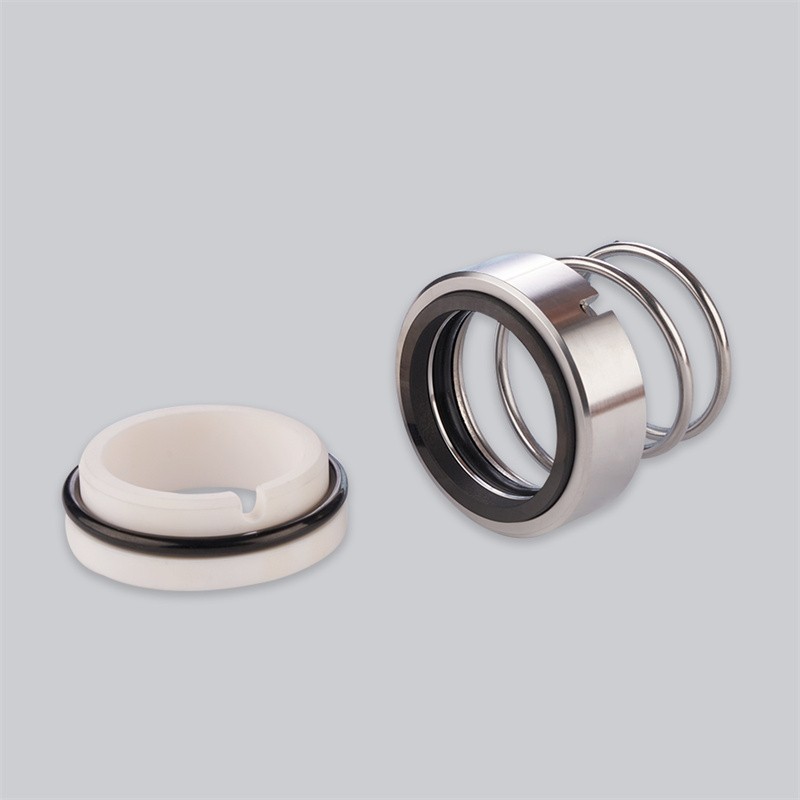
Mechanical seals create a barrier using two flat faces—one rotating with the shaft, one stationary. A spring or bellows maintains contact between the faces. A thin fluid film separates the faces, providing lubrication while preventing leakage. This design achieves near‑zero leakage.
| Feature | Gland Packing | Mechanical Seals |
|---|---|---|
| Sealing Mechanism | Compressed rings against shaft | Lapped faces pressed together |
| Leakage Control | Controlled weep for lubrication | Near‑zero; microscopic film only |
| Material Composition | Braided fibers (graphite, PTFE, aramid) | Hard faces (carbon, ceramic, silicon carbide) |
| Maintenance | Regular adjustment required | Minimal after proper installation |
| Application Era | Older pumps, non‑critical services | Modern industrial applications |
Structural Features Comparison
Gland packing consists of multiple rings stacked in the stuffing box. A gland follower compresses the rings. The assembly is simple, requiring no precision‑machined faces. However, it occupies more axial space.
Mechanical seals have a more complex structure: a rotating face, stationary face, secondary seals (O‑rings), spring or bellows, and a drive mechanism. Single mechanical seals use one set of faces; double mechanical seals use two sets with a barrier fluid between them, providing extra safety for hazardous or high‑pressure applications.
| Sealing Element | Installation Complexity | Maintenance Complexity |
|---|---|---|
| Gland Packing | Moderate; requires careful compression | High; needs periodic adjustment and replacement |
| Mechanical Seals | High; requires precise alignment and clean installation | Low; long service life when properly selected |
Pumps use different seals for different jobs. Picking the right seal keeps pumps safe and saves time on fixing.
Application Scenarios for Each Primary Pump Seal
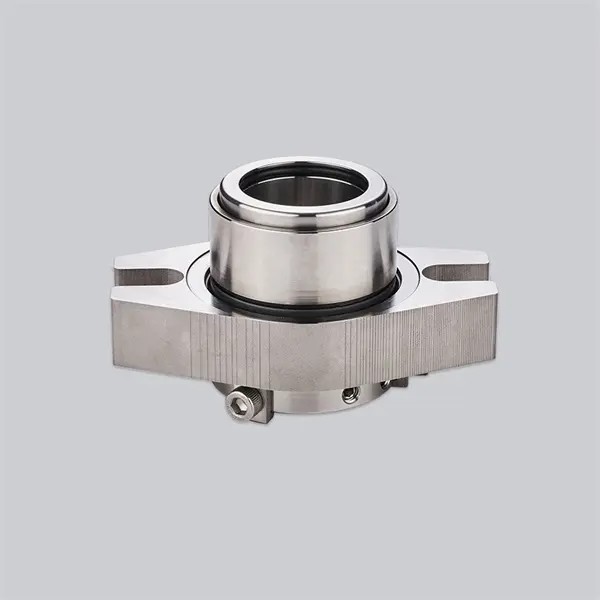
Common Industries for Mechanical Seals
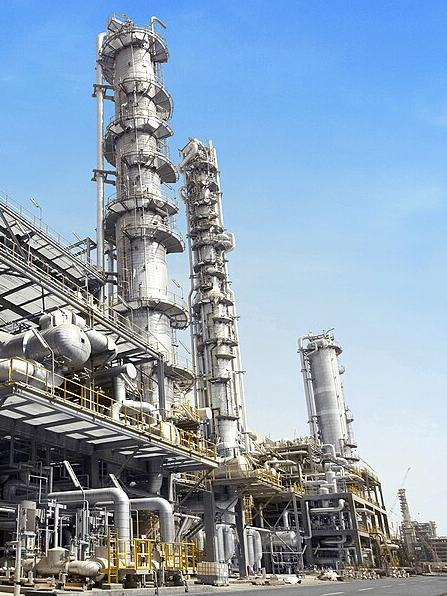
Mechanical seals are essential in industries where leakage is unacceptable. Victor mechanical seals are used in chemical processing, oil and gas, power generation, pulp and paper, water treatment, food and beverage, and pharmaceuticals. These seals handle aggressive chemicals, high temperatures, and strict safety requirements. Double mechanical seals provide an extra layer of safety for hazardous or toxic fluids, while single mechanical seals suit less critical applications.
Many industries pick mechanical seals because they last long and work well. The table below shows why different jobs use these seals:
| Industry | Reason for Preference |
|---|---|
| Chemical | Handles corrosive fluids, high pressure |
| Oil & Gas | High pressure, flammable fluids, reliability |
| Pharmaceutical | Contamination prevention, sanitary design |
| Food & Beverage | Hygiene, easy cleaning, regulatory compliance |
| Power Generation | High temperature, continuous operation |
| Water Treatment | Reliability, low maintenance |
Mechanical seals can handle heat over 150°C and pressure above 12 bar. Cartridge seals can take up to 220°C and 25 bar. Balanced seals and unbalanced seals are used in centrifugal pumps. The choice depends on the fluid and how much protection is needed. Double mechanical seals keep dangerous fluids inside and make pumps safer.
Typical Working Conditions for Gland Packing
Gland packing is still used in some pumps. Centrifugal pumps use gland packing when some leaks are okay. This seal works well in mining, power plants, water cleaning, chemical jobs, and moving slurries. Gland packing can handle machines that are not lined up right. It lets people fix pumps without stopping everything.
Common reasons for using gland packing are:
- Tough or changing work conditions
- Machines not lined up right
- Need to fix pumps without stopping them
- Leaks are allowed if they follow rules
The table below shows where gland packing is best:
| Industry | Common Conditions |
|---|---|
| Mining | Needs to be reliable, easy to fix, and cheap |
| Power Generation | Still used even though mechanical seals are popular |
| Water Treatment | Used when leaks are okay if they follow rules |
| Chemical Processing | Good for tough or changing work conditions |
| Slurry Handling | Works when machines are not lined up and pumps need fixing without stopping |
How to Choose the Right Seal
Selecting the correct seal requires evaluating:
- Fluid characteristics: corrosiveness, abrasiveness, toxicity, lubricity
- Operating conditions: pressure, temperature, speed, continuous vs. intermittent operation
- Mechanical factors: shaft runout, alignment, available space
- Regulatory requirements: emissions limits, sanitary standards, safety codes
Choose mechanical seals when:
- Leakage must be minimized (environmental, safety, or product loss concerns)
- High pressure or temperature is present
- Fluid is hazardous, toxic, or expensive
- Long, maintenance‑free operation is desired
Choose gland packing when:
- Fluid is abrasive (slurries, dirty liquids)
- Shaft misalignment or runout is difficult to control
- A controlled weep is acceptable or even beneficial for cooling/lubrication
- Budget constraints favor lower upfront cost
For demanding applications, Victor offers a range of mechanical seals with certifications, durable materials, and support to help customers select the right seal for their pump system.
Conclusion
Pumps use two primary types of rotary shaft seals: mechanical seals and gland packing. Mechanical seals provide near‑zero leakage, handle high pressure and temperature, and reduce maintenance—ideal for critical services. Gland packing offers simplicity, lower initial cost, and tolerance to abrasives and misalignment, suitable for water, sewage, and slurry applications.
Proper seal selection—based on fluid properties, operating conditions, and criticality—ensures pump reliability, safety, and cost‑effectiveness. Victor mechanical seals combine precision engineering, durable materials, and industry certifications to meet the demands of modern pumping systems.
FAQ
What is the difference between a mechanical seal and gland packing?
A mechanical seal uses precision‑lapped faces to achieve near‑zero leakage. Gland packing uses compressed rings around the shaft and allows a controlled weep for lubrication.
When should someone use a double mechanical seal?
Double mechanical seals are used for hazardous, toxic, or high‑pressure applications where a single seal does not provide sufficient safety. A barrier fluid between the two seals provides additional protection.
Can O‑rings be used as a shaft seal?
O‑rings are typically used as static seals or secondary seals. They are not designed as primary rotary shaft seals for rotating pump shafts.
What causes most pump seal failures?
Common causes include improper installation, running dry, misalignment, incompatible materials, and operating outside the seal’s pressure or temperature limits.
Why choose Victor mechanical seals?
Victor offers seals manufactured to international standards (DIN24960, ISO3069), with robust materials, proven reliability, and application support across industries such as marine, chemical, and power generation.