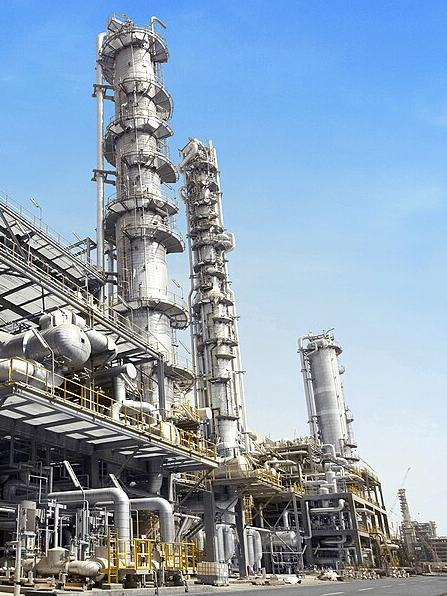
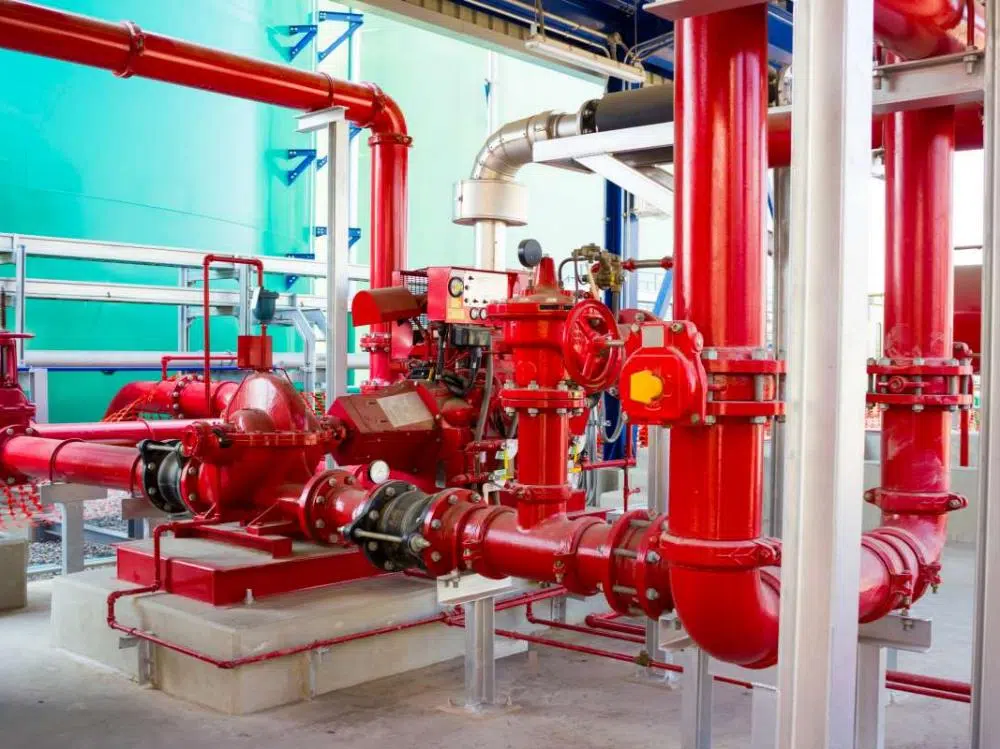
When the pump seal fails, the liquid leaks quickly. It is possible to create a leakage meeting, and it is possible to create a meeting. It is possible for the workers to repair the machine, and the cost of the general wear and tear is large. As a result of leakage of hazardous materials, safety issues have been further improved. Machine sealing ensures safe operation, and high-efficiency auxiliary equipment. Victor provides durable and high quality mechanical seals, helping businesses avoid minor problems.
Key Takeaways
- When seals fail, liquid may leak. This leads to wasted resources and losses.
- If the sealing is ineffective, repairs are necessary. This means design improvements are required, and the workshop may be forced to shut down. Poor quality seals also have poor resistance to environmental factors.
- Seal leakage problems affect a safe and reliable environment. The current mechanical seal in chemical is facing this significant issue.
- Food and beverage factories also face the problem of seal failure. They use safety standards and seals to ensure product safety.
- If safety equipment is properly sealed and regularly inspected, mechanical failures can be avoided. Therefore, the lifespan of sealing products will be longer, and the failure rate will be reduced.
What Happens When a Pump Seal Fails
Excretory Fluid Loss
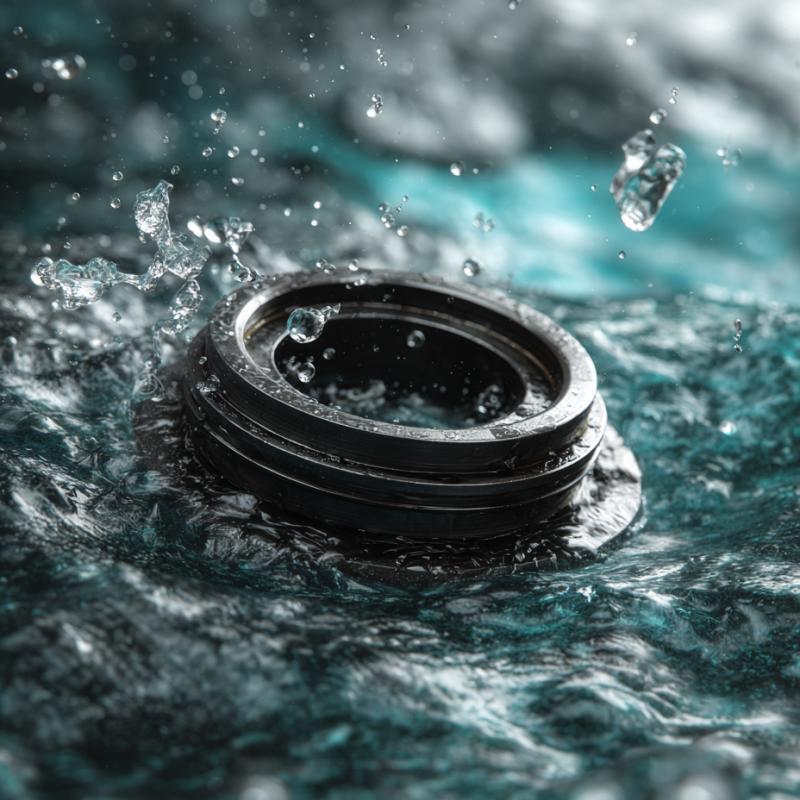
The seal failed and the liquid leaked immediately. During construction, various types of leakage can occur from 10 to 50 square meters per hour. Liquid damage is an important source of waste, and the introduction of bacteria into the system. When the liquid excretion leaks or the force changes, the following table appears:
| influence | outcome |
|---|---|
| liquid leakage | It is easy to read the text. |
| polishing | The internal zero incident has been cleared. |
| force wave movement | The statement system is malfunctioning, and there may be further problems. |
The liquid excretion company’s investment is more expensive, and the efficiency of the work is lower. Under the most severe conditions, Victor’s mechanical seal also ensures no liquid leakage.
Equipment control station
Pump seal failure can lead to equipment damage. Leaking fluid can cause rust on the shaft and bushings, creating small holes or scratches. Water and chemicals can seep into the bearings, contaminating the lubricating oil and causing damage. The pump may vibrate and lose balance, further damaging other components. The most common types of damage include:
- Rust on the shaft and sleeve
- Dirty bearings
- Shaking and imbalance
Due to seal failure, demand continues to increase and repair parts. The machine must be repaired and the guidance stopped. The opportunity to stop production is increased. Victor’s sealed matter has been reduced to a low level due to the small wind, and the company has been exempted from major repairs and production changes.
Safety and environmental risks
As a result, the seal of the chemical engineering factory failed, and there were safety issues during the meeting. Dangerous fluids may leak, and the environment may become contaminated, resulting in the death of production personnel. Anti-safety considerations for excrement leakage and air pollution. Business demand is sealed every month, every week. If the leak occurs, it must be quickly repaired—usually within 15 days.
Tip: Preventing leaks, ensuring safety of workers, and complying with regulations.
Product Contamination
As a result, food products or drinks may not be sealed properly, germs may be contaminated, products may be introduced into human beings, they may be returned to the public, complaints may be caused, and the damage may be caused by the company’s praise. If the leakage statement is sealed, there may be a loss of raw materials.
- Foods introduced by the Bacteria Society.
- Director of Safety Issues Committee.
- It is possible to call the Japanese language.
Comprehensive examination and prevention of pollution. The sealing material can be reduced and the blind spot can be reduced, the material is safe to use, and it is easy to clean. The most important points in the table below:
| Aspect | Description |
|---|---|
| Maximum reduction blind spot | Prevents sedimentation, low sedimentation. |
| Non-toxic materials | Guaranteed sealing and no hazardous materials. |
| Compatibility and cleaning | Clean and disinfected and sealed items. |
| Global standards | WHO (GMP), FDA, 3A, and EC-GMP set rules for safety and cleaning. |
What Happens When a Pump Seal Fails: The Big Picture
Pump seal failure can lead to fluid leaks, equipment damage, and extended downtime. It also poses safety and environmental risks. Victor’s seals are designed to withstand harsh operating conditions and effectively mitigate these problems. Choosing Victor’s high-quality seals helps protect equipment, comply with safety regulations, and ensure reliable operation.
Causes of Mechanical Seal Failure
Wear and Tear
Mechanical seals operate under high stress every day. Over time, they gradually wear down. Most seals have a lifespan of 18 months to 3 years. Their lifespan depends on the type and application of the seal. Regular maintenance helps extend the life of the seals. Users should frequently inspect, clean, and lubricate the seals. Neglecting these steps will cause the seals to fail faster. When seals fail due to wear, leaks and downtime occur.
- Regular maintenance helps detect problems early.
- Cleaning and lubrication extend the lifespan of seals.
- Seal lifespan depends on its design, materials, and application.
Improper Installation or Maintenance
Nearly half of all seal failures are due to improper installation. For example, misalignment or incorrect sizing can quickly damage seals. Insufficient lubrication can also cause damage. Many failures are caused by workers rushing or skipping steps. Good practices can prevent these problems:
| Best Practice | Description |
|---|---|
| Cleanliness | Keep the work area clean and dust-free. |
| Alignment | MEnsure all components are aligned before installation. |
| Lubrication | Use a lubricant suitable for O-rings and elastomers. |
| Seal Face Installation | Handle components with care; do not touch the sealing surfaces. |
| Properly Tighten the Gland Plate | Tighten the bolts in a cross pattern with appropriate force. |
| Flushing Systems | Flush away any dirt that could scratch the seal. |
| Avoid Dry Running | Fill the seal chamber before starting the pump. |
| Controlled Startup | Observe for leaks and allow the seal to break in properly. |
Incompatible Fluids and Materials
Seals must be compatible with the fluid being sealed. Strong chemicals can damage sealing materials, causing them to swell, blister, or even melt. Oils and strong acids can destroy unsuitable seals. Victor uses special materials such as FFKM, which are resistant to chemicals and high temperatures. Choosing the right seal prevents failures and ensures the proper operation of the pump.
- FFKM is resistant to most chemicals.
- Perlast® FFKM works in high temperatures and harsh environments.
- Matching the sealing material to the fluid prevents rapid damage.
Physical Damage
Physical damage can lead to seal failure. Common causes include improper installation, dry running, dust, and vibration. Hard objects can scratch the seal surface, leading to leaks. Excessive vibration can wear down the seal. Impacts from carts or tools can also cause damage. Good design and careful construction ensure the safety of the seals.
- Improper installation can damage the seal.
- Dry running and insufficient lubrication can cause the seal to overheat.
- Dirt can scratch the seal surface.
- Incompatible chemicals can corrode the seal.
- Vibration and moving shafts can wear down the seal.
Victor seals undergo rigorous testing and meet international standards. This helps businesses avoid damage and ensure the safe operation of their pumps.
Tip: Regularly inspecting seals can detect damage early and prevent leaks.
Identifying and Addressing Pump Seal Failure
Signs of Seal Failure
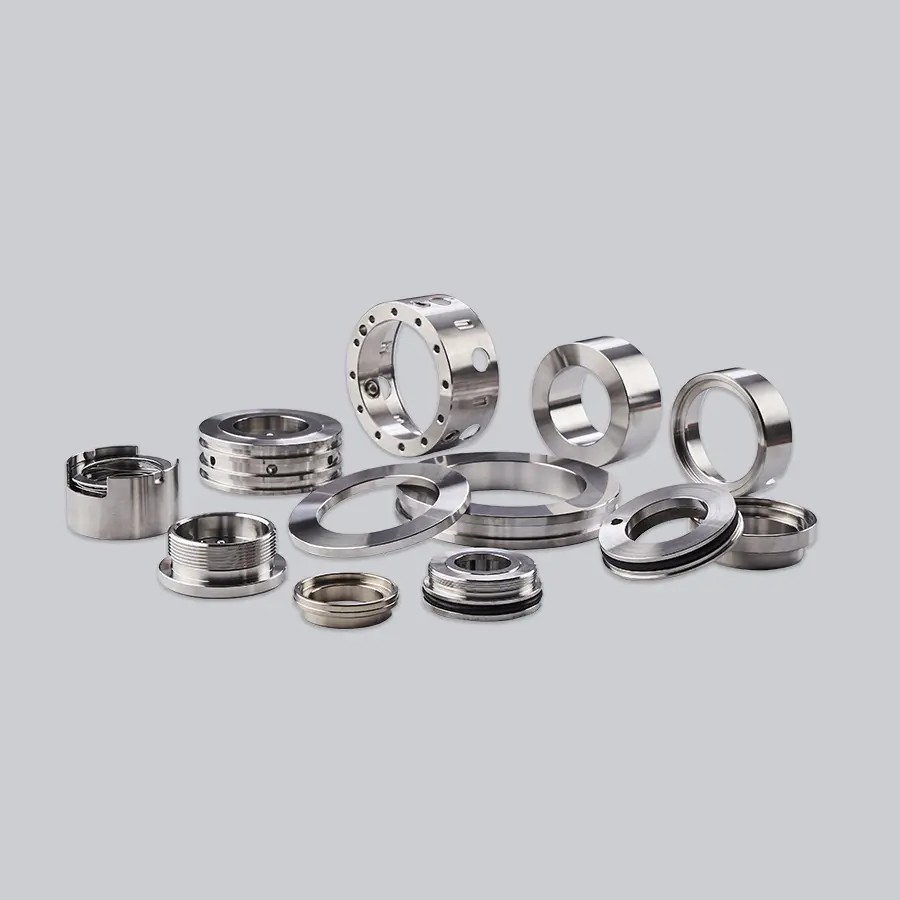
Operators can detect pump seal failures by observing warning signs. Leaks near the pump base indicate a problem. Unusual noises such as rattling or grinding sounds suggest a mechanical malfunction. A continuous increase in pump temperature may indicate overheating. A pressure drop that doesn’t recover means components are wearing out. Increased vibration indicates poor pump balance.
The table below lists methods for detecting seal failures:
| Indicator Type | Description |
|---|---|
| Thermal Imaging | Detects hotspots caused by dry running or poor cooling. |
| Vibration Analysis | Shows if components are misaligned or unbalanced. |
| Visual Inspection | Detects wear, pitting, or rough surfaces. |
| Leak Rate Measurement | Indicates the extent of the leak, allowing for early intervention. |
| Dry Running | Insufficient fluid can cause the pump to overheat and accelerate wear. |
| Misalignment | A crooked shaft can lead to wear and damage. |
| Excessive Vibration | Worn bearings or cavitation can cause seal faces to separate. |
| Thermal Shock | Rapid temperature changes can cause seal faces to warp. |
| Chemical Attack | Highly corrosive fluids can corrode the seal material. |
Tip: Regularly inspecting your pump helps detect and address problems before they worsen.
Immediate Actions to Take
The maintenance team must act quickly as soon as signs of seal failure are detected. Prompt action can prevent bigger problems and save money.
- A drop in pressure that cannot be restored requires immediate attention.
- Unusual noises during operation should be investigated immediately.
- Continuously rising temperatures must be addressed as soon to possible.
- Leaks or pooling of liquid near the pump require immediate repair.
- Vibration and imbalance should be investigated as soon as possible.
Alert: Prompt action ensures equipment safety and avoids prolonged downtime.
Repair or Replace
The decision to repair or replace a failed seal depends on several factors. The team will review the seal’s repair history. If the seal is consistently failing or underperforming, it should be replaced. The cause of the seal failure is also important. Incorrect installation or contamination often means a new seal is needed. The way the pump is used is also important. Harsh environments may require a more robust seal.
- The team will check the seal’s repair history.
- They will look at the cause of the seal failure.
- They will consider how the pump is used.
When Professional Assistance is Needed
Some seal failures require expert assistance. Contact a professional if your pump repeatedly leaks, vibrates excessively, or shows signs of chemical corrosion. Complex repairs or replacements require specialized tools and skills.
Note: Seeking expert help protects your equipment and ensures its proper operation.
Preventing Seal Failure
Regular Inspection and Maintenance
Routine inspections help businesses identify problems early. Maintenance teams check for wear, dirt, or damage and detect issues before leaks worsen. Timely repair of leaks ensures the pump operates properly. Regular cleaning, lubrication, and inspection of seals are crucial. The team develops an inspection plan to prevent unexpected situations.
- Routine inspections are the primary method for preventing pump failures.
- Inspections can reveal whether components are worn or have problems.
- Addressing problems early can prevent major failures and disasters.
Tip: The best way to prevent seal failure is to frequently inspect and maintain the seals.
Proper Installation
Proper installation helps extend the lifespan of the seals. Workers use a checklist before beginning installation. They clean all equipment. They check the shaft and shaft sleeve for sharp edges. The stuffing box must be clean and smooth. Workers align the shaft and then carefully install the seal. Gently rotating it helps the O-ring seat properly.
- Clean all equipment.
- Check the shaft and shaft sleeve for damage.
- Prepare the stuffing box.
- Align the shaft.
- Install the seal with gentle rotation.
Monitoring Operating Conditions
The team continuously monitors temperature and pressure. Changes in these values may indicate a malfunction. High temperatures or low pressure can dry out and damage the seals. For double-ended mechanical seals, the team checks the pressure and temperature of the barrier fluid. This helps ensure the seals operate correctly and safely.
- Monitoring temperature and pressure helps identify potential risk issues.
- Changes can indicate whether the seals are malfunctioning.
- High temperatures and low pressure can cause the seals to dry out.
- For double-ended seals, checking the barrier fluid helps ensure safety.
Note: Monitoring pump operating conditions helps prevent seal failure.
Choosing Quality Seals
High-quality seals are crucial. Seals tested to international standards prevent leaks and protect machinery. They help businesses save on products and maintain smooth operations. These seals extend the lifespan of pumps and mixers. They also require less maintenance and are easy to repair. Victor’s seals comply with DIN24960, EN12756, and ISO3069 standards. They are robust and durable, contributing to business success.
| Advantages | Description |
|---|---|
| Leakage Prevention | Prevents leaks and product loss |
| Increased Efficiency | Makes pumps run more efficiently, saving energy |
| Extended Equipment Lifespan | Protects pumps and mixers |
| Prevent Bearing Failure | Save Time and Maintenance Costs |
| Reduce Maintenance Costs | Maintain Sealing Performance Even with Shaft Runout |
| Easy Repair | Allows for Quick Repairs, Reducing Downtime |
Pump seal failures can lead to leaks and potential equipment damage. They also pose safety risks to workers. When a pump is down, businesses lose time and money. Quick problem resolution and regular inspections help protect both machinery and personnel. Choosing high-quality seals can prevent these problems from recurring. Victor offers robust and durable mechanical seals that are rigorously tested.
Tip: Trust Victor for robust and durable seals that ensure safe and reliable pump operation. Make the smart choice for your business.