
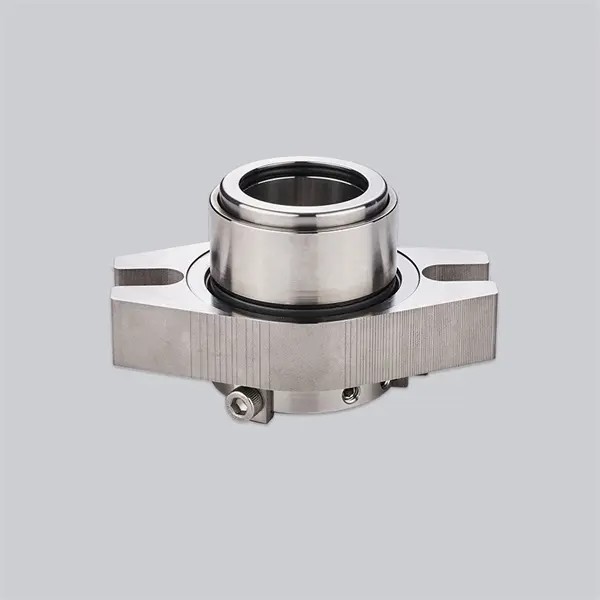
A cartridge mechanical seal is a ready-to-use sealing unit. It has all the needed parts in one piece. This design makes it easy to put on and take off pump shafts. Traditional seals need careful setup, but this type does not. You do not have to make tricky changes or line things up. Many industries use these seals because they stop leaks. They also help machines work well for a long time. Victor has made these seals for over 27 years. People all over the world trust their high-quality mechanical seals.
Key Takeaways
- Cartridge mechanical seals are simple to put in. They come already put together. This saves time and lowers the chance of errors. These seals stop leaks well. They help machines run safely and smoothly in many industries.
- Cartridge seals use strong materials. This makes them last longer and work better, even in tough places.
- It is easy to check cartridge seals during maintenance. You can find problems fast without taking everything apart.
- Cartridge mechanical seals work great where you need things to be reliable and fast. They are very good for equipment that is hard to reach.
Cartridge Mechanical Seal Components
Key Parts
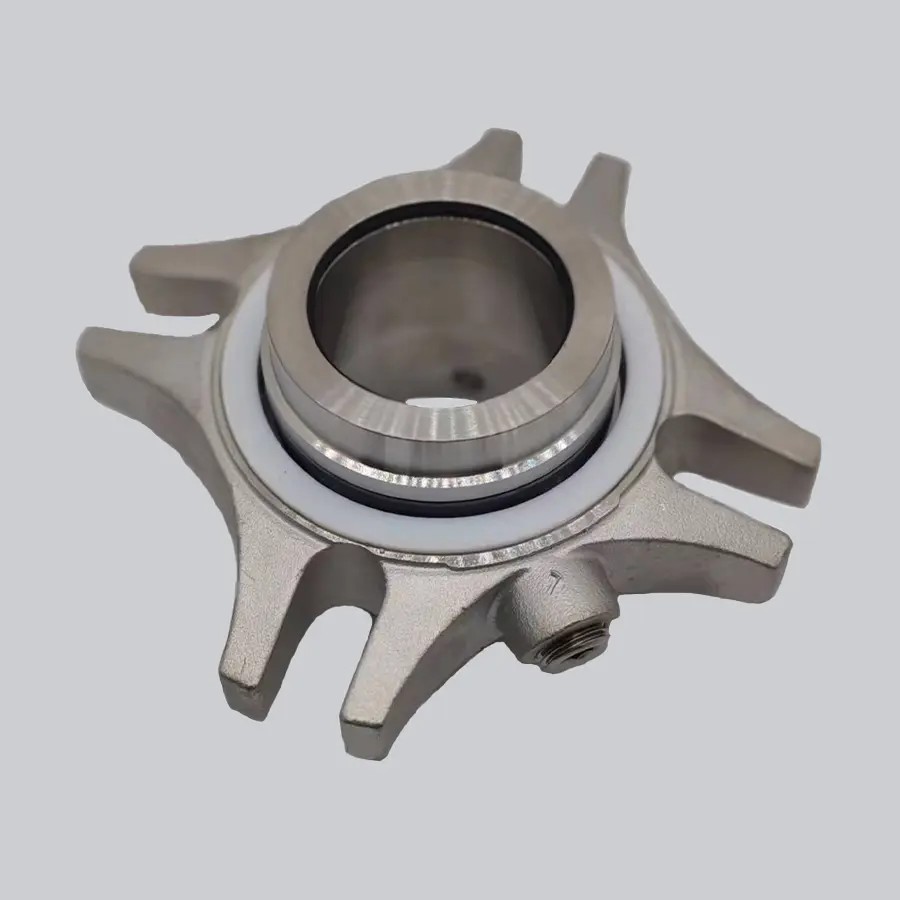
A cartridge mechanical seal has many parts that stop leaks. Each part does a special job. The parts are made from strong materials. These materials help the seal last a long time. The main parts are:
| Component | Description |
|---|---|
| Seal Faces | Made from carbon, ceramic, or silicon carbide. These faces do not wear out fast and make a tight seal with little rubbing. |
| Stationary Seat | Gives a steady place for the seal faces to spin against, helping keep the seal tight. |
| Rotating Assembly | Attaches to the shaft and spins with it, pushing the seal faces together. |
Other important parts are:
- Secondary seals, like O-rings or bellows, stop leaks and let the seal move a little.
- Metal parts give the seal its shape and keep it safe from harsh fluids.
- Gland plate bolts the seal to the pump and can have holes for flushing.
How Components Work Together
Each component of a cassette mechanical seal helps prevent fluid leakage into the pump. The rotating assembly rotates with the shaft, while the stationary seat remains stationary. The sealing faces press against each other, thus blocking the flow. An auxiliary seal fills the narrow space and allows for slight bending of the seal. Metal components securely hold the seals together, preventing damage.
Cassette mechanical seals are pre-assembled for easy installation and help avoid installation errors. They maintain good performance even under harsh operating conditions. Engineers can quickly replace the entire seal, saving time and ensuring continuous machine operation.
Tip: Picking the best materials for each part helps the cartridge mechanical seal last longer and work better in many places.
How Cartridge Mechanical Seals Work

Sealing Function
A cylindrical mechanical seal is used to prevent liquid leakage into the pump. It prevents leakage as the pump shaft passes through the pump body. The seal consists of several components that work together. A rotating assembly is connected to and rotates with the pump shaft. A stationary base provides a pressure surface for the rotating assembly. The sealing faces are made of a rigid material and come into close contact with each other to form a tight seal.
These components must work together to achieve a good seal. A thin layer of lubricant is applied between the sealing faces. This lubricant reduces friction and extends the service life of the sealing faces. The spring and fluid pressure work together to ensure a tight seal between the sealing faces. This maintains the tightness of the seal even when the pump is running at high speed or high pressure.
Here is a table that shows what each part does:
| Component | Function |
|---|---|
| Seal Faces | Stop leaks by making a seal through direct contact. The material is picked based on the fluid. |
| Stationary Seat | Holds the rotating assembly and gives a surface for sealing. It is made from hard materials. |
| Rotating Assembly | Connects the seal to the shaft and lets it spin. This keeps the seal working. |
The cartridge mechanical seal can handle many temperatures and pressures. For example, it works from -30 to 205 °C (-20 to 400 °F). It can handle up to 20 bar g (300 psig). This makes it good for tough jobs.
Note: The modular design keeps the seal faces lined up. This helps the seal work well, even if the pump gets hot or cold.
Leak Prevention
Stopping leaks is a main job of a cartridge mechanical seal. The seal faces make a barrier that blocks liquid from getting out. The stationary face does not move. The rotating face spins with the shaft. A thin layer of lubricant between the faces keeps them from wearing out too fast and stops leaks.
Many features help stop leaks:
- The seal can handle changes in temperature. It expands and shrinks without losing its seal.
- The design keeps the seal faces pressed together with the right force.
- Strong materials resist damage from chemicals, heat, and pressure.
- The seal comes pre-set, so you do not need to adjust it.
Leaks can happen because of misalignment, too much wear, wrong compression, dirt, and temperature changes. The cartridge mechanical seal fixes these problems in several ways:
- It can adjust for small misalignments. The seal stays tight even if the shaft moves a little.
- Tough materials and a thin lubricant layer lower wear.
- The seal has pre-set compression, so it always fits right.
- The design keeps out dirt and debris, protecting the seal faces.
- It works well even when temperatures change quickly.
If problems happen, the most common reasons are no lubrication, dirt, misalignment, heat expansion, and wrong materials. Regular checks and picking the right seal help stop these failures.
Tip: Using a cartridge mechanical seal helps pumps run smoothly. It lowers the risk of leaks, even in tough conditions.
Advantages of Cartridge Mechanical Seals
Easy Installation
Cartridge mechanical seals are easy and quick to put in. Workers just clean the shaft and seal area. They slide the seal onto the shaft without extra steps. The gland plate goes on fast and pushes the spring down. This sets the right force for sealing. When the bolts are tight, the seal is ready to use. This saves time when changing seals and does not need special training. The seal comes already put together, so it lines up right. This helps stop mistakes. Many companies choose this type of time-saving and cost-effective seal.
Maintenance Benefits
Cartridge mechanical seals are easier to maintain than older seals. Their unique design makes repair and replacement much easier. Because there are no numerous small parts to handle, the risk of damage is also lower.
Cartridge seals allow technicians to quickly diagnose faults. Problems can be identified without disassembling the entire seal. This helps extend the seal’s lifespan and improve its performance. Victor seals meet international standards, resulting in longer service life and a lower failure rate.
Reliability in Harsh Conditions
Cylindrical mechanical seals perform exceptionally well in harsh environments. They do not rust, break under high pressure, or deteriorate due to extreme temperatures. The sealing faces remain clean, cool, and smooth at all times, resulting in a service life of three years or longer. The use of a release fluid helps the seals achieve optimal performance. These seals also effectively prevent leaks, ensuring environmental and worker safety. Dual-cylindrical seals offer even stronger leak protection. Victor manufactures specialized seals for demanding conditions at a lower price, typically 10% cheaper than other products.
Note: Good seals help companies avoid big repair costs and keep machines running.
Applications of Cartridge Mechanical Seals
Industry Uses
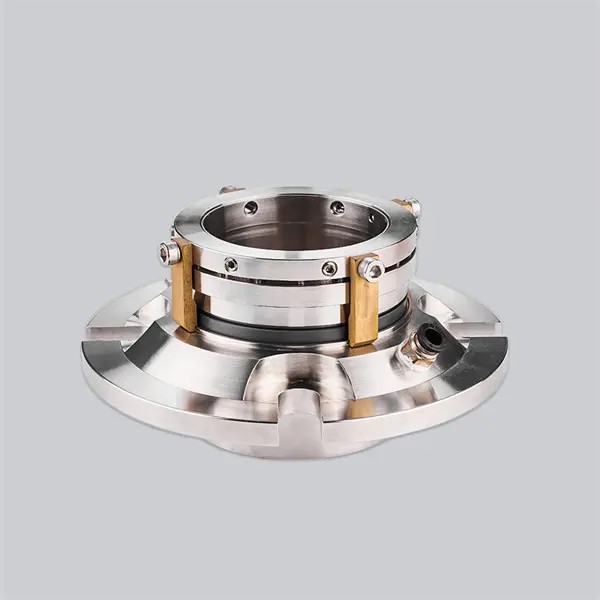
Many industries use cartridge mechanical seals to keep machines safe. These seals stop leaks and protect equipment from harm. Companies use them where fluids or gases must stay inside pipes or tanks. The most common industries are:
- Marine
- Water treatment
- Mining
- Chemical processing
- Power plants
- Petrochemical
- Pulp and paper
- Oil and gas
Oil and gas, chemicals, and water treatment use these seals the most. North America has 35% of the market. Europe has 30%. Asia Pacific is growing fastest at 7.2% each year. Victor’s seals are used all over the world and meet strict rules. Many companies pick Victor for custom solutions that fit their needs.
Note: The global market for cartridge mechanical seals is $3.5 billion. Experts think it will reach $6.2 billion by 2034. It will grow at 6.1% every year.
Equipment Types
Cartridge mechanical seals work in many kinds of machines. They help machines run well and stop leaks. The table below shows where these seals are used most:
| Equipment Type | Industry | Application Description |
|---|---|---|
| Agitators | Chemical | Mixes substances and stops leaks. |
| Mixers | Chemical | Keeps fluids inside and helps processes work better. |
| Pumps | Petrochemical | Moves fluids and stops leaks while working. |
| Compressors | Petrochemical | Compresses gas and needs good sealing. |
Victor’s cartridge mechanical seal fits many machines. It works in tough places and meets world standards. Companies trust Victor for quality and good performance in hard jobs.
FAQ
What is the main purpose of a cartridge mechanical seal?
A cartridge mechanical seal stops liquids or gases from leaking. It helps pumps and machines work safely. It also keeps equipment running smoothly.
How does a cartridge mechanical seal differ from a component seal?
A cartridge mechanical seal is already put together. Workers can install it fast. A component seal has many parts. Workers must build it during installation.
Where can companies use cartridge mechanical seals?
Companies use cartridge mechanical seals in pumps, mixers, and compressors. These seals are used in oil and gas, chemical, water treatment, and mining.
How long does a cartridge mechanical seal last?
Most cartridge mechanical seals last for years. The exact time depends on how the equipment is used. It also depends on how well workers take care of it.
Why do many companies choose Victor’s cartridge mechanical seals?
Victor’s seals are reliable and easy to install. They cost less and meet world standards. They work well in hard places.