Double-layer sealing is a road surface treatment method. It uses two layers of asphalt and aggregate. This method helps protect roads from water and traffic damage. Engineers choose this sealing method for busy roads because it is more durable than other methods. Understanding different types of mechanical seals is crucial for many industries. Victor is an expert in mechanical seals. These seals are very important in industrial equipment.
Key Takeaways
- Double-layer sealing consists of two layers of asphalt and two layers of aggregate. This makes the road more robust and durable. Engineers lay it quickly to ensure the seal layers adhere firmly. This helps prevent damage from water and heavy vehicles. This sealing method is best suited for busy roads and inclement weather. It provides better protection than single or double-layer seals. Seals can help people choose the appropriate sealing method according to their needs.
Double-double seal explained
Application process and materials
Double shaft seal uses two sprayed layers. Engineers spray two layers of hot asphalt. They also lay two layers of aggregate on the road surface. This makes the road surface both strong and resilient. This method is particularly suitable for busy roads. Each layer is laid immediately following the previous one, which helps to improve adhesion between the layers.
Materials required for double-layer sealing include:
- Hot asphalt, used to bind the aggregate to the pavement.
- Clean, hard, and homogeneous aggregate, such as gravel or crushed stone.
- The aggregate must not contain dust. Dust can affect the adhesion of the aggregate.
- The content of particles passing through a 200-mesh sieve in the fine aggregate should be less than 1%.
These materials extend the service life of the pavement and effectively waterproof it. Engineers use double-layer sealing when roads require higher strength and waterproofing.
Aggregate sizes and layering
Double-layer sealing requires the use of appropriately sized aggregates and careful layering. Engineers typically use a 14/7 paving pattern. The first layer uses larger aggregates, such as 14 mm; the second layer uses smaller aggregates, such as 7 mm. This paving method ensures a tight bond between the layers, thus enhancing pavement strength.
The paving steps are as follows:
- Spray the first coat of hot asphalt.
- Lay the first layer of large aggregates.
- Compact the pavement to secure the aggregates.
- Spray the second coat of hot asphalt.
- Lay the second layer of smaller aggregates.
- Compact again to ensure a tight bond between the layers.
The table below shows how different compaction methods affect pavement strength and performance:
| Compaction Method | Mechanical Properties | Interlayer Patterns | Performance Impact |
|---|---|---|---|
| Hot-on-Cold (HoC) | Medium shear and tensile | Different interlayer patterns | Better layer bonding |
| Hot-on-Warm (HoW) | Higher shear and tensile | Better interlayer patterns | Works better than HoC |
| Hot-on-Hot (HoH) | Highest shear and tensile | Best interlocking | Best performance |
Engineers like the hot-on-hot method best. It gives the strongest lock and surface. This helps the double-double seal stop ruts and cracks, even with lots of traffic.
Note: Victor knows a lot about mechanical seals. Good sealing is important for roads and machines. Double-double seal helps roads. Mechanical seals stop leaks in pumps and machines.
Double-double seal vs. other seals
Single and double seal comparison
Double-layer sealant consists of two layers of asphalt and two layers of aggregate. This makes the pavement strong, durable, and has a longer service life. Single-layer sealant uses only one layer of asphalt and one layer of aggregate. Double-layer sealant adds a second layer, but it is not laid immediately. Double-layer sealant lays two layers quickly, resulting in better adhesion.
Single-layer sealant is suitable for roads with low traffic or in mild climates. Engineers will choose single-layer sealant in safe locations or confined spaces (such as integrated geared compactors). They will also consider material selection, safety, and cost. Double-layer sealant is more suitable than single or double-layer sealant for high-traffic roads and inclement weather.
Here is a simple table that shows the differences:
| Seal Type | Layers Applied | Durability | Best Use Case |
|---|---|---|---|
| Single Seal | 1 bitumen, 1 aggregate | Moderate | Low-traffic roads |
| Double Seal | 2 bitumen, 2 aggregate (not immediate) | High | Medium-traffic roads |
| Double-Double Seal | 2 bitumen, 2 aggregate (immediate) | Very High | High-traffic roads |
Scatter coat and alternative methods
Paper sealing is another road sealing method. It uses a thin layer of asphalt and a small amount of aggregate. This method is less expensive but less durable. Paper sealing is suitable for roads with very low traffic or situations requiring quick repairs.
Other road sealing methods include slurry sealing and micro-surfacing. These methods use a mixture of asphalt, water, and fine aggregate. They help to smooth the road surface and fill small cracks.
In the factory, the meaning of “sealing” varies. Double mechanical seals and double-lip seals are used in pumps and machines. Double mechanical seals have two sealing surfaces to prevent leaks in harsh environments. Double-lip seals utilize two lips to prevent fluid leakage and dust ingress. Road seals protect roads from water and damage. Mechanical seals help machines operate safely.
Note: Double mechanical seals are best suited for roads. Mechanical seals like those from Victor protect pumps and machines in plants and workshops.
Double-double mechanical seals in industry
What are mechanical seals?
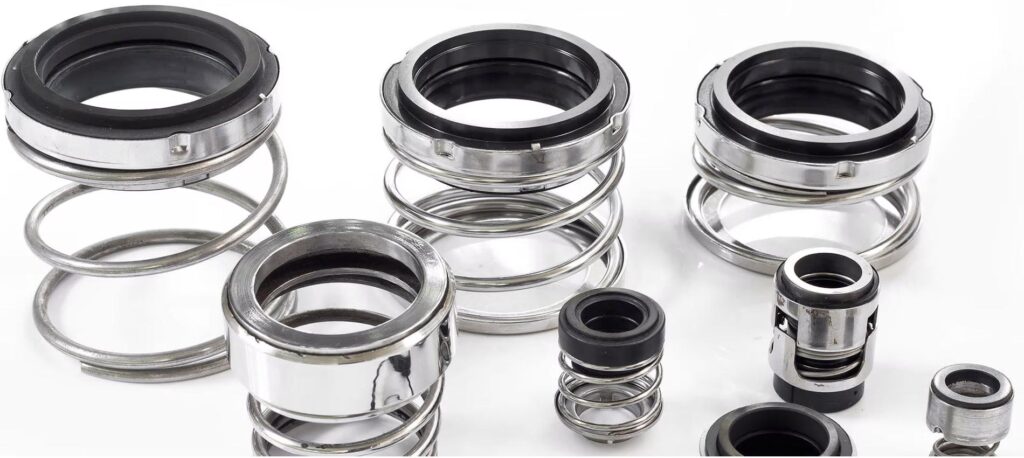
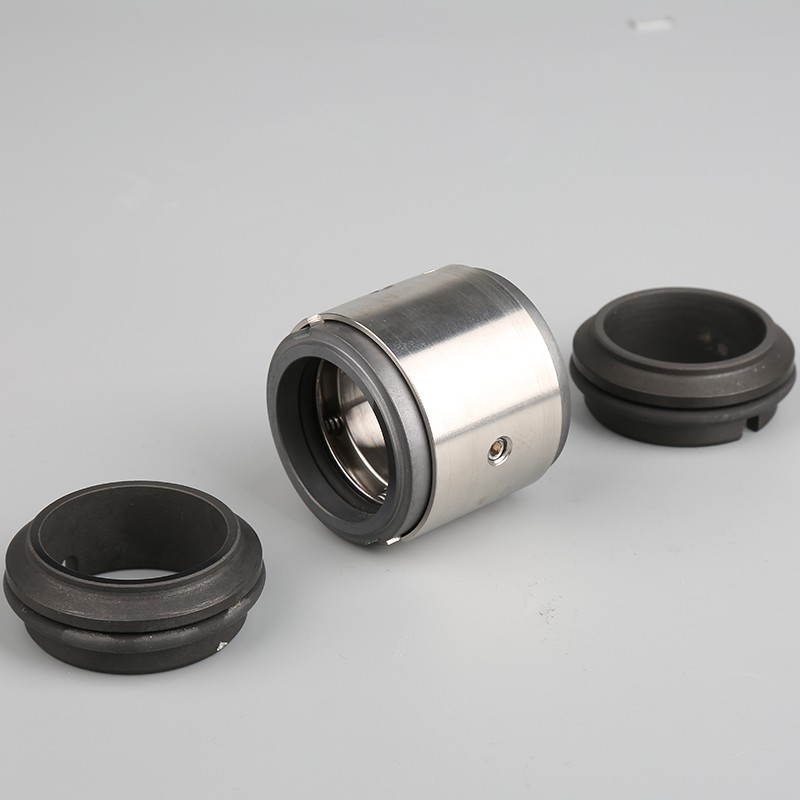
Mechanical seals are crucial in many industries. They help pumps and compressors operate safely. These seals prevent fluid from leaking from the machine. They form a tight seal between the rotating shaft and the stationary housing.
Mechanical seals are important for many reasons. They prevent leaks that could harm people or the environment. In chemical plants, leaks can be extremely dangerous. Mechanical seals help reduce these risks and extend the life of machines. By reducing friction and wear, mechanical seals can save on maintenance costs. In addition, mechanical seals require regular lubrication to ensure proper operation and extend their service life.
Mechanical seals have a wide range of applications, including water treatment, mining, oil and gas, and power plants. Victor manufactures mechanical seals suitable for various harsh operating conditions,
Double mechanical seal vs. double lip seals
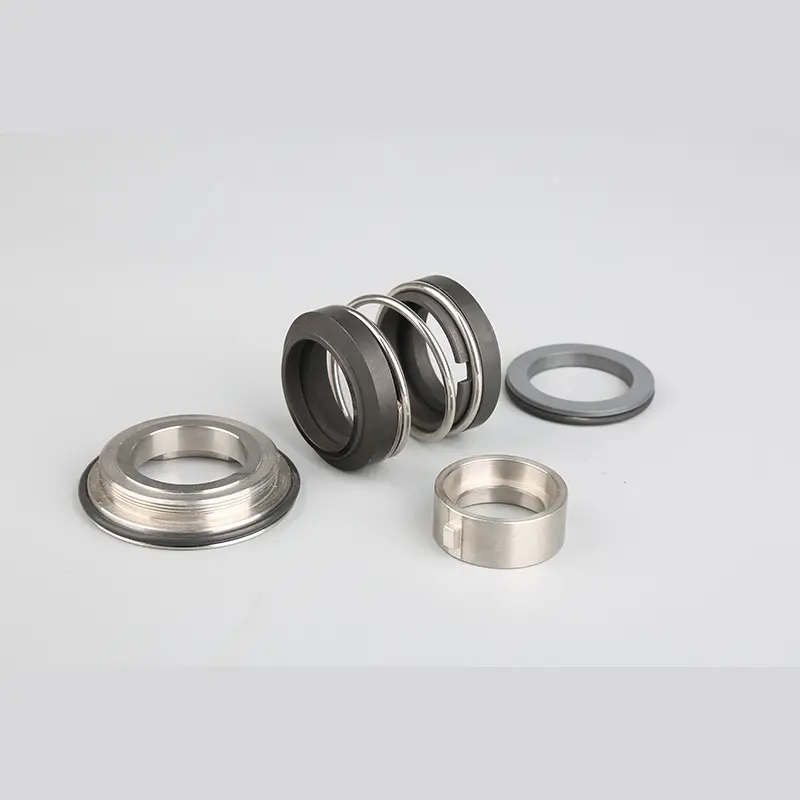
Both double mechanical seals and double-lip seals prevent leaks, but they operate on different principles. Double mechanical seals use two sets of sealing surfaces, providing greater safety. Even if one sealing surface fails, the other can continue to function. Double mechanical seals are best suited for hazardous or high-pressure environments and are commonly found in chemical plants and other locations with high safety requirements. They provide reliable sealing performance even under harsh conditions.
Double-lip seals use two flexible lips to prevent fluid leakage and dust ingress. Double-lip seals have a simpler structure and are less expensive than double mechanical seals. They are suitable for applications requiring high safety, such as pumps, mixers, and gearboxes. Double-lip seals are easy to install and replace. However, compared to double mechanical seals, double-lip seals perform worse in high-pressure or hazardous fluid environments.
Double-lip seals form a barrier between moving and stationary parts. They reduce wear and extend machine life. Furthermore, double-lip seals save energy by reducing friction. They are widely used in various machines across industries. They are an ideal choice for meeting basic sealing requirements.
Victor sells both dual mechanical seals and double-lip seals. Their products are suitable for a variety of equipment. Dual mechanical seals are best suited for harsh, high-risk operations. Double-lip seals are more suitable for simple, everyday tasks.
Note: Dual mechanical seals are typically used on roads. Mechanical seals, such as dual mechanical seals and double-lip seals, are used on machines and equipment. Understanding their differences will help users select the appropriate seal for each application.
Benefits and applications of double-double seals
Main advantages
Double-layered sealed pavement offers numerous advantages in road construction. It effectively protects roads from heavy traffic and harsh weather. The two-layer structure creates a hard, durable surface resistant to wear. Engineers utilize this method to extend the lifespan of roads, making them more robust and durable. The two-layer structure helps the stones adhere tightly, preventing cracking. This design also helps retain oil stains, keeping the surface smooth and preventing oil leaks from vehicles.
The following table lists the main characteristics of double-layered sealed pavement:
| Feature | Description |
|---|---|
| Strength and Durability | The double-double seal method is very strong and lasts a long time, even with lots of cars. |
| Layered Application | Two layers of binder and stones make the road stronger and last longer. |
| Aggregate Interlocking | Small stones fill spaces between big ones, making the road flat and steady. |
Double-layered sealed pavement also saves costs. Compared to resurfacing the entire road, double-layered sealed pavement is significantly less expensive. It requires less energy and takes less time to construct. The table below compares double-layer sealing with road reconstruction:
| Treatment Type | Cost Comparison | Service Life | Energy Efficiency | Project Duration |
|---|---|---|---|---|
| Double-Double Seal (SAMI) | $2M (85% less than full reconstruction at $12.5M) | 10-15 years (with extra seal at 5-7 years) | 37% less energy per tonne, 78% less energy per square meter | 3 weeks |
| Full Reconstruction | $12.5M | N/A | N/A | Months |
Transportation groups choose double-layer sealing for roads with high truck traffic. This sealing method is more effective than hot asphalt, which is prone to cracking and rutting. Double-layer sealing better withstands stress and bending, making it a wise choice for many projects.
Typical use cases
Engineers use double-layer sealing on busy roads, highways, and high-traffic sections. These roads require robustness and durability. Double-layer sealing is also suitable for rural roads used by large trucks or agricultural machinery. In harsh weather conditions, this type of seal effectively prevents water seepage and road surface leakage.
Some organizations use double seals for quick and economical repairs of dirt roads. This method is suitable for roads with low traffic volume because a single mechanical seal or single lip seal is insufficient. Double seals effectively address the problems that single lip seals or single mechanical seals cannot prevent, such as leakage or road surface damage. Double seals offer superior sealing performance compared to single lip seals, making them more suitable for high-intensity operations.
Single lip seals are suitable for lighter operations, while double seals are better suited for roads. Single lip seals and single mechanical seals facilitate simple sealing, but only double seals can handle the most demanding sealing tasks. Engineers choose this approach when they need a robust, durable, and cost-effective solution that effectively prevents leaks and ensures road safety.
Double seals help prevent road contamination from dust and heavy vehicles. Single seals and spread seals are less effective at preventing dust. Mechanical seals, such as double mechanical seals, can protect pumps from dust in harsh operating conditions. Experts recommend using dual mechanical seals in the presence of dust or hazardous liquids. Barrier fluid helps prevent dust from contacting the sealing surfaces. Victor’s team is dedicated to helping businesses select seals that effectively block dust and protect their machines.
- Dual mechanical seals are the best choice for handling hazardous liquids and dust.
- Tandem and back-to-back seals help prevent dust from entering the pump.
- Suitable sealing materials can effectively prevent damage from dust.
FAQ
What is a double seal?
A double seal consists of two layers of asphalt and two layers of aggregate. Engineers lay these two layers sequentially on the road surface. This method enhances the road surface’s strength and extends its service life.
Where do engineers use double seals?
Engineers use double seals on highways and busy streets. They also use them on rural roads with high truck traffic. These seal layers prevent water and vehicle damage to the road surface.
What is the difference between a double seal and a single seal?
| Seal Type | Layers | Durability |
|---|---|---|
| Single Seal | 1 | Moderate |
| Double-Double Seal | 2 | Very High |
Double-double seals have two layers, but single seals have one. Double-double seals last much longer than single seals.
Are double seals and mechanical seals the same?
Double seals ensure road safety. Mechanical seals prevent machine leaks. They are widely used in various operations in buildings and factories.
Why do engineers prefer to use double seals on busy roads?
Engineers choose double seals because they are effective against wear and water erosion. In heavy traffic and inclement weather conditions, this sealing method is superior to other methods.