A pump mechanical seal is a crucial component that prevents fluid from leaking where the pump shaft passes through the pump casing. Positioned between the rotating shaft and the stationary pump body, component mechanical seals play a vital role in maintaining the integrity of pumping systems by effectively stopping liquid leaks, even under demanding operating conditions. Many pumps, including lowara pump mechanical seal systems, rely on these seals to ensure safe and efficient operation. While component mechanical seals may allow a minimal amount of liquid to escape for cooling and lubrication purposes, advanced designs can limit leakage to as little as 10 to 50 milliliters per hour.
- Pump mechanical seals prevent visible leaks and help pumps operate efficiently.
Key Takeaways
- Mechanical seals stop leaks in pumps. This keeps pumps safe and working well. They have two smooth faces that fit together tightly. This barrier helps parts last longer and reduces damage. There are different kinds of mechanical seals. Some are single spring and some are cartridge seals. Each type works best in certain places and jobs. Using mechanical seals can save money on repairs. They also help pumps work without stopping often. Picking the right mechanical seal makes pumps more reliable. It also keeps leaks from hurting the environment.
How Pump Mechanical Seals Work
Basic Operation
A pump mechanical seal makes a tight barrier. It sits between the moving shaft and the pump housing. Mechanical seals have two smooth faces. One face spins with the shaft. The other face stays still in the pump body. Springs push these faces together. This creates the main seal. The pumped liquid or a barrier fluid gives lubrication. Lubrication helps lower friction and wear. A thin layer of fluid sits between the seal faces. This layer is needed for the seal to work well. Mechanical seals keep fluids inside the pump. They also stop dirt and other things from getting in.
Mechanical seals have three main sealing spots:
- The seal between the moving and still faces.
- The seal between the still part and the stuffing box face.
- The seal between the moving part and the shaft or shaft sleeve.
The main seal is the most important part. The moving and still faces are pushed together by springs. This design keeps leaks very small. Only a tiny bit of fluid can escape.
Key Components
Mechanical seals have several important parts. Each part helps the pump work well.
- Rotating Face: Spins with the shaft and touches the still face.
- Stationary Face: Stays in the pump housing and makes the main seal.
- Spring or Bellows: Keeps the seal faces pressed together.
- O-rings or Gaskets: Make extra seals to stop leaks around the main parts.
- Shaft Sleeve: Protects the shaft from damage and rust.
Mechanical seals use strong materials that last long and resist chemicals. Here is a table with common materials and what they do:
| Material | Properties | Applications |
|---|---|---|
| Carbon Graphite | Does not react with chemicals, self-lubricates | Used a lot in mechanical seals |
| Tungsten Carbide | Very strong, resists shaking | Used when strength is needed |
| Silicon Carbide | Resists scratching and chemicals | Used in tough jobs |
| Ceramic/Metal | Old style, still used in some seals | Used in many places |
Mechanical seals often use a soft material like carbon graphite for one face. They use a hard material like silicon carbide for the other face. This mix helps lower wear and makes the seal last longer. Most mechanical pump seals last at least two years. Some seals made to API 682 standards can last three years or more.
Preventing Leakage
Mechanical seals stop leaks by keeping a small gap between the moving and still faces. This gap lets a thin layer of fluid in. The fluid helps with lubrication but keeps most liquid from leaking out. The seal faces are made very smooth. This helps make a tight seal. Springs or bellows keep the faces together, even when the pump is off.
Special design features and good materials help mechanical seals stop leaks. Lubrication is very important. It lowers friction and wear between the faces. The pumped fluid or a barrier fluid gives this lubrication.
Mechanical seals use different ways to keep the pumped fluid inside. The table below shows two common ways:
| Mechanism Type | Description |
|---|---|
| Flush | Clean, cool liquid is sent into the seal chamber to help. |
| Barrier | A second fluid goes between two seals to block outside air. |
Mechanical seals can also use a moving fluid film between the faces. This film lowers wear and helps stop leaks. The sealing spots are made to keep fluids in and stop dirt from getting into the pump.
Mechanical seals give strong protection against leaks. They help pumps work safely and well in many places.
Types of Mechanical Seals
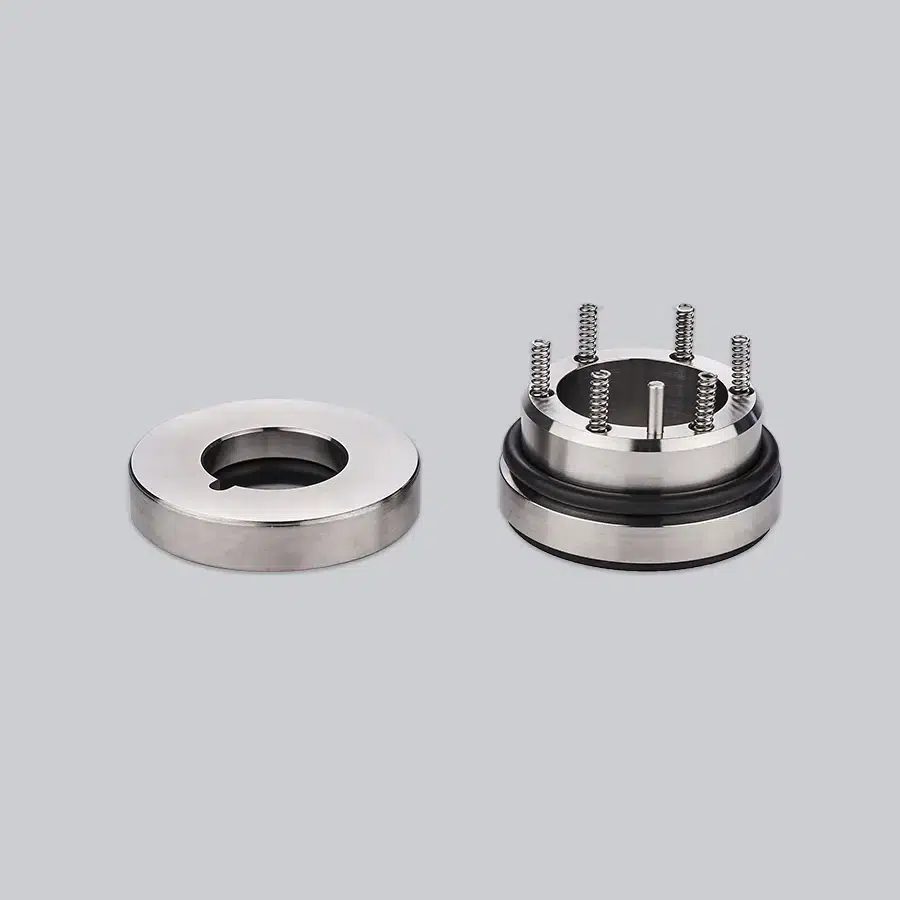
Victor is a trusted maker of mechanical seals for pumps. They have many types for different jobs and industries.
Single Spring Seals
Single spring seals use one coil spring to push the seal faces together. This type works best in clean water and light jobs. Victor’s single spring seals are used in water plants, food factories, and chemical places. These seals stop leaks and help pumps work safely. They also fight rust and handle hot or cold temperatures.
Tip: Single spring seals are simple to put in and take care of. They are a cheap choice for many regular pump systems.
Wave Spring Seals
Wave spring seals use a wave-shaped spring, not a coil. This makes the seal smaller. Victor’s wave spring seals fit pumps with little space. The wave spring keeps the seal faces pressed, even with shaking or pressure changes. These seals last longer and work well when things move a lot.
- Wave spring seals save room.
- They soak up shaking and lower damage.
- They seal well in hard places.
Metal Bellows Seals
Metal bellows seals use a bendy metal tube instead of a spring. Victor’s metal bellows seals work with hot liquids and strong chemicals. They do not need O-rings, so they wear out less and last longer. These seals are used in chemical plants and oil and gas jobs.
| Advantage | Description |
|---|---|
| Corrosion Resistance | Made from tough metals like Hastelloy 276. |
| No O-rings Needed | Fewer parts mean fewer leaks. |
| High Durability | Lasts longer in rough, chemical places. |
Cartridge Mechanical Seals
Cartridge mechanical seals come as one whole piece. Victor’s cartridge seals are put together and set before use. This makes them quick and easy to install. You just slide the seal on the shaft and lock it. Cartridge seals lower mistakes and save time when fixing pumps. They are great for expensive pumps in ships and factories.
- Put together for fast setup.
- Fewer mistakes happen.
- Saves time and work costs.
Each kind of mechanical seal from Victor has special good points. Picking the right seal keeps pumps safe, working well, and leak-free.
Mechanical Seal vs. Packing
Key Differences
Mechanical seals and packing both help stop leaks in pumps. They do this in different ways. Mechanical seals have two flat faces that press together. Packing uses soft rings that go around the shaft.
The biggest difference is how each stops leaks. Mechanical seals need two parts to touch and fit just right. Gland packings use pressure from their parts to make a seal.
Mechanical seals are best when the fluid is dangerous or must not leak. Packing cannot always stop leaks. This makes mechanical seals safer and more reliable.
| Feature | Mechanical Seals | Packing |
|---|---|---|
| Sealing Effectiveness | Stops almost all leaks | Needs checking and lets some leaks happen |
| Maintenance | Needs no extra care after setup | Needs checking and fixing often |
| Upfront Cost | Costs more at first | Costs less at first |
| Downtime | Less time stopped for repairs | More time stopped for repairs |
Advantages of Mechanical Seals
Mechanical seals have many good points over packing. They almost never leak. Packing always lets some fluid out. Mechanical seals need less care. Packing needs to be checked and fixed a lot.
- Mechanical seals use much less power than packing. This saves energy and money.
- Their design lowers rubbing, so they last longer.
- They stop leaks that could hurt the environment.
| Advantage | Description |
|---|---|
| Lower Operating Costs | Mechanical seals do not wear out fast, so repairs cost less. |
| Lower Energy Usage | They use less power, so motors work easier and use less energy. |
| Elimination of Catastrophic Leakage | They stop big leaks that could cause fines or harm. |
Common Applications
Many places use mechanical seals in their pumps. These seals are picked when leaks must not happen.
- Factories use them for safety and to keep things working.
- Oil refineries use them to stop losing fluids.
- Gas plants like that they do not need much care.
- Chemical plants need seals that work with fast and rough fluids.
Mechanical seals last a long time and help pumps run safely. They also help protect the environment.
Pump Mechanical Seal Benefits
Preventing Fluid Leakage
A pump mechanical seal makes a strong wall to keep liquid inside. It uses two flat faces pressed together to stop leaks. This works better than old ways like packing. Only a very small amount of fluid gets through. This small bit cools and protects the seal faces. The pump stays clean and safe, even with dangerous or costly fluids. The smooth faces and tight seal make it hard for fluid to leak, even when pressure is high. Many companies use pump mechanical seals because they want to stop leaks and keep their work areas safe.
- Mechanical seals let almost no fluid leak out.
- They help keep things clean and protect machines.
Pump Reliability
Pumps work better and last longer with a pump mechanical seal. The seal keeps dirt and solids from getting in. This helps the pump last more years. Clean water systems can wash away dirt and cool the seal faces. This helps pumps run longer without stopping. For example, a water plant had 40% fewer surprise repairs and pumps worked 20% better after using mechanical seals. Offshore platforms saw seals last 35% longer, so there were fewer breakdowns and less danger to the environment. These facts show pump mechanical seals help pumps work well and lower the chance of sudden problems.
Pumps with mechanical seals run longer and need less fixing, so they work more and stop less.
Maintenance and Cost Savings
A pump mechanical seal helps save money on repairs over time. The seal lowers heat and rubbing, so pump parts last longer. This means pumps need fixing less often and break down less. Some plants saw repair costs drop by 30% and pumps ran 25% more because mechanical seals are strong and reliable. Taking care of the seal stops leaks and keeps the pump working well. Victor sells good pump mechanical seals at prices about 10% less than other big brands. They ship fast and check quality, so customers save money and do not wait long for parts.
- The pump uses less energy because it works better.
- Fewer repairs mean lower costs and less time stopped.
A mechanical seal helps pumps work safely and well. It stops leaks and keeps the environment clean. It also helps save money on repairs. Many people pick mechanical seals because they last long and work well. The table below lists the top benefits:
| Benefit | Description |
|---|---|
| Continuous operation | Pumps run longer without stopping. |
| Overheating prevention | Stops pumps from breaking due to heat. |
| Reduced wear | Makes equipment last longer and break less. |
Victor gives trusted help for pump sealing problems.