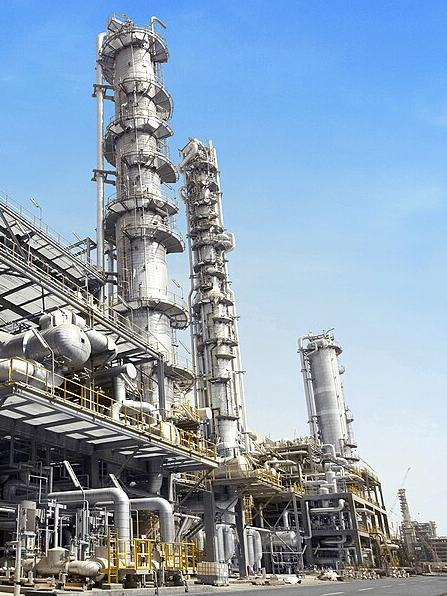
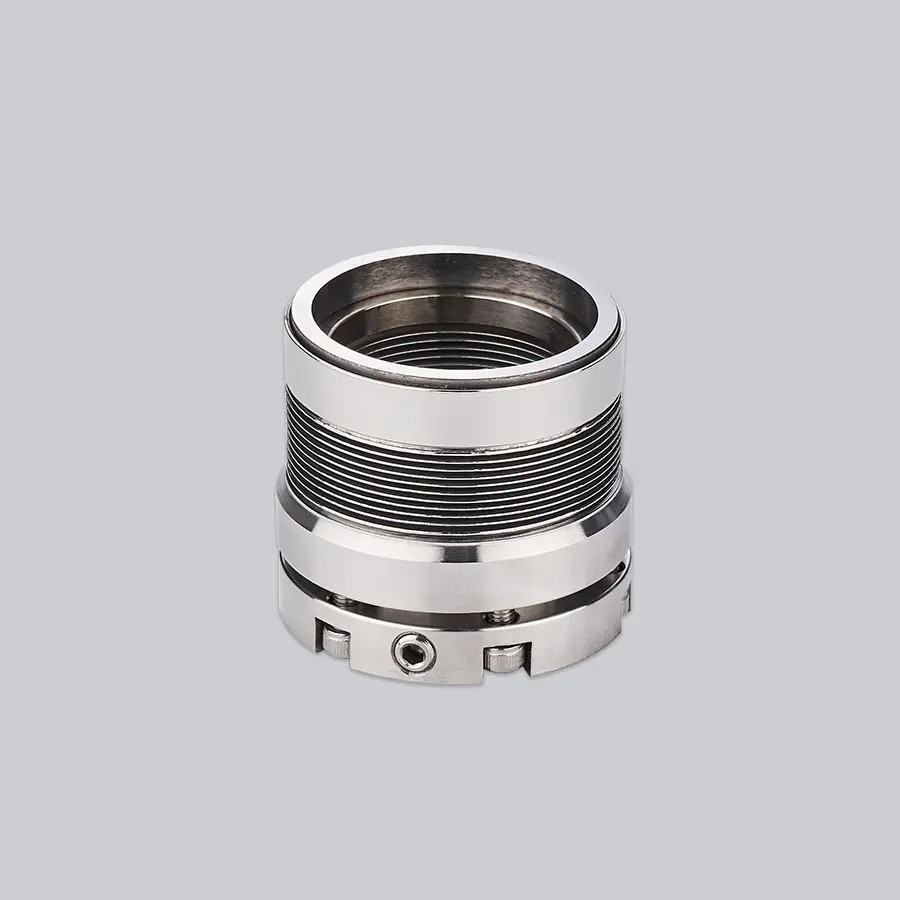
A metal bellows seal uses flexible convoluted metal structures to control leakage in pumps and compressors. It is widely adopted across industrial sectors for reliable sealing under harsh operating conditions.
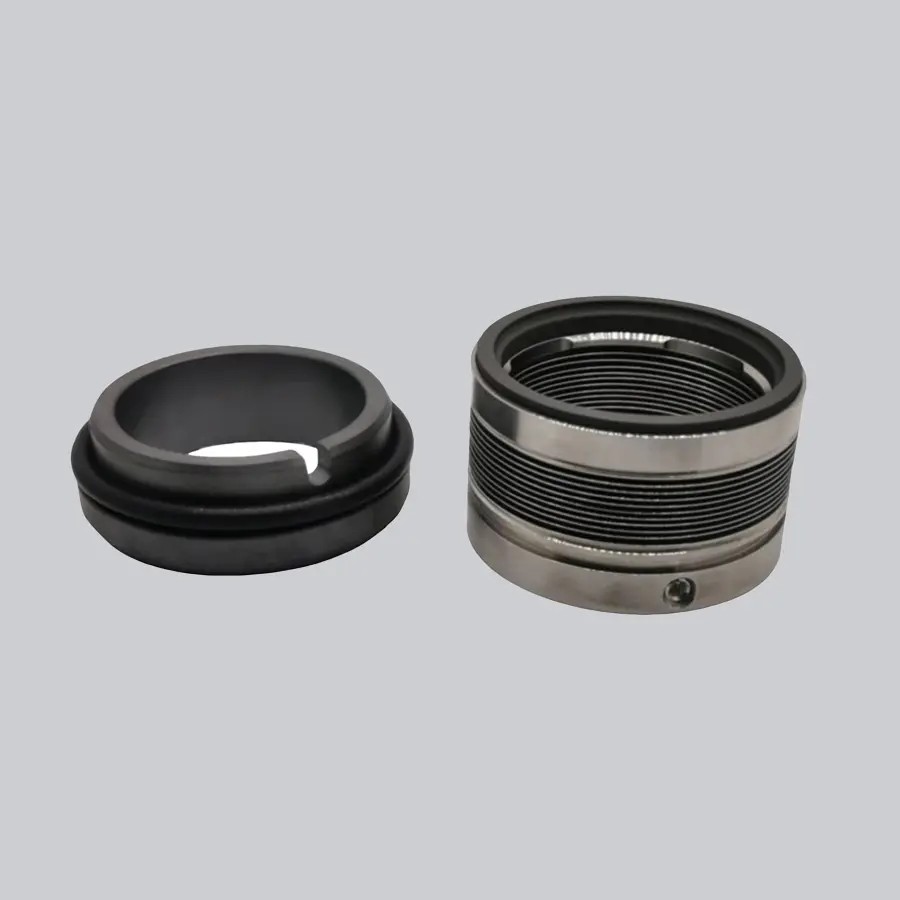
Chemical processing and food manufacturing facilities prefer this seal for its strong resistance to corrosive media.More modern factories rely on metal bellows seals for high-pressure and high-temperature systems.Victor’s Metal Bellow Mechanical Seal delivers engineered performance that meets strict industrial application requirements.
Key Takeaways
- Metal bellows seals stop leaks in pumps and compressors. They use flexible, wavy metal that can change with pressure.
- These seals work well in tough places. They can handle very hot or cold temperatures and strong chemicals. This makes them common in oil and gas industries.
- It is important to install and take care of metal bellows seals the right way. This helps them work well and last longer.
- Picking the right material, like stainless steel or Inconel, makes the seal stronger and better for hard jobs.
- Victor’s Metal Bellow Mechanical Seal follows global safety rules. This makes it reliable and good for many types of factories.
Metal Bellows Seal Overview
Definition of Metal Bellows Seal
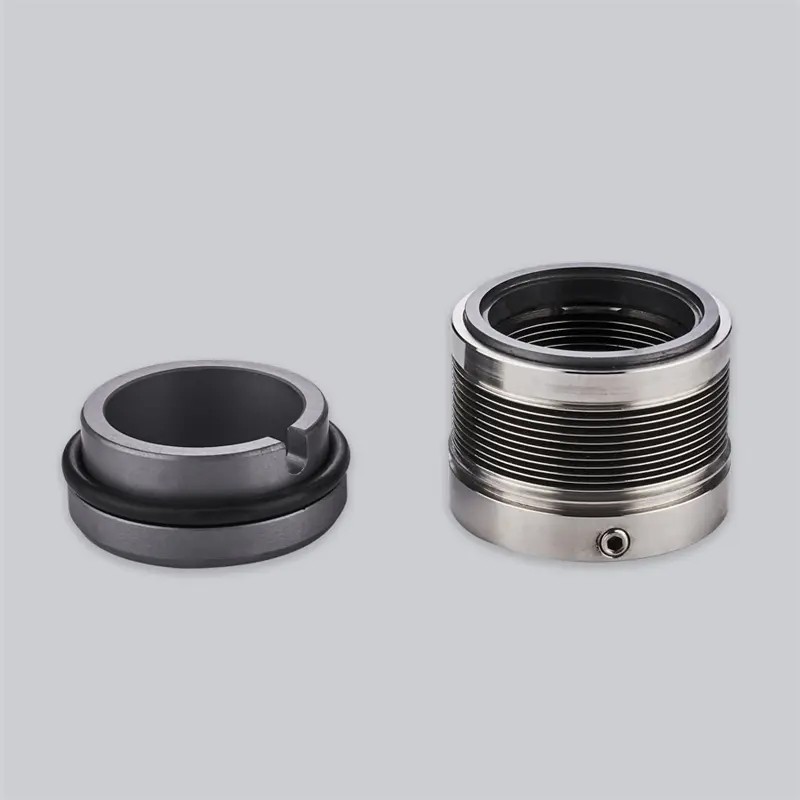
A metal bellows seal is a precision dynamic sealing component designed for leak prevention in rotating equipment such as pumps and compressors. It features flexible, convoluted metal that expands and contracts to maintain stable sealing performance. The structure retains internal fluids and blocks external contamination, even during rapid temperature fluctuations or exposure to strong chemicals. Manufacturers favor metal bellows seals for their tight sealing capability and tolerance to minor mechanical movement without structural degradation.
Core functions of metal bellows seals:
- Maintain reliable tight sealing while accommodating shaft movement
- Protect internal components from external dust, moisture and impurities
- Absorb thermal expansion, contraction and pipeline vibration
- Ensure regulatory-compliant leakage control in pumps and valves
- Serve as flexible joints to reduce stress during temperature and pressure changes
Key components
Metal bellows seals consist of multiple components working together to ensure smooth machine operation. The main component is a folded metal bellows. These folds allow the bellows to expand and contract in response to pressure changes, helping the seal withstand high temperatures, vibrations, and variations in machine operation. Engineers carefully select high-strength materials and employ ingenious design to ensure the seal functions properly in a variety of environments and guarantees machine safety.
In factories, metal bellows seals are commonly used for sealing slurries and viscous liquids. Their flexible bellows move with the shaft and correct for minor alignment errors, ensuring a tight seal, improving sealing performance, and reducing leakage. Their special structural design allows them to function even when handling coarse particles, ensuring the seal remains robust and durable under harsh conditions.
Materials used
Manufacturers use robust materials to extend the service life of metal bellows seals. The materials used depend on the environment in which the seal will be used and the challenges it needs to address. The table below lists commonly used materials and their advantages:
| Material | Advantages |
|---|---|
| Stainless Steel | Fights rust and is strong. |
| Inconel | Works well in high heat and fights rust from air. |
| Hastelloy | Fights rust very well in tough places. |
| Alloy 276 | Is stronger and fights rust better than regular materials. |
Welded metal bellows can work in hot and cold places. They fight acids, bases, and salt, so they are used in many jobs. How long a metal bellows seal lasts depends on the material. In easy jobs, a good seal can last five to ten years. In tough jobs, like chemical plants, it may last one to three years. Stainless steel helps the seal last longer. Inconel and Hastelloy work best in very hard places.
Structure and Working Principle of Metal Bellows Seals
How metal bellows seals work
Metal bellows seals are specially designed to prevent machine leaks. The bellows resembles a miniature accordion made of thin metal. This shape allows the seal to bend and stretch as the machine moves or pressure changes. Even with up-and-down or left-and-right shaft movement, the bellows ensures a tight seal. This helps the seal remain tight, preventing leaks and ensuring effective operation even under high pressure.
The flexible bellows can withstand axial and radial movement. This means the seal adjusts accordingly regardless of whether the shaft moves forward/backward or left/right. Therefore, the seal maintains a strong seal, preventing fluid leakage. In gate valves, the bellows surrounds the valve stem to form a barrier. Even with frequent valve opening and closing, this barrier seals the process fluid inside. Many plants use metal bellows seals in high-pressure operations because they can withstand pressures of thousands of pounds per square inch, preventing leaks of dangerous or valuable fluids.
Tip: Careful installation is important. If the seal is not lined up right or tightened enough, it may not work well. Always check the alignment and handle the seal gently during installation.
Elasticity and torque transmission
The bellows in a metal bellows seal act like a spring. They store energy and push the sealing faces together. This spring action keeps the seal tight, even if the shaft moves or the temperature changes. The bellows also help transfer torque from the rotating shaft to the seal faces. This means the seal can turn with the shaft and keep the faces in contact.
Here is a table that shows how the bellows work in dynamic sealing:
| Source | Key Points |
|---|---|
| Understanding the Dynamics of Metal Bellows Seals | Metal bellows create a flexible barrier that prevents leakage while accommodating movements. |
| How Bellows Mechanical Seals Prevent Leakage | Metal bellows maintain constant pressure, creating a narrow space that acts as a barrier against leaks. |
| Metal Bellows Seals: Function, Types, and Applications | Metal-to-metal contact surfaces create a dynamic seal while absorbing axial movement. |
The bellows can twist and bend without breaking. This makes them good for machines that run for a long time or work in tough places. The seal does not need extra springs because the bellows do the job.
Fluid film and leak prevention
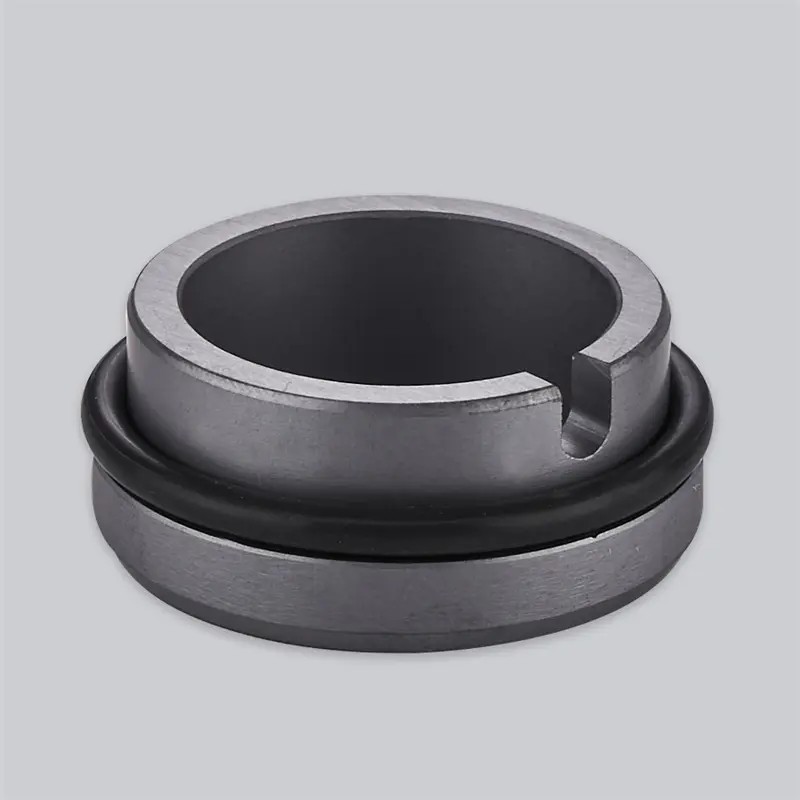
A metal bellows seal uses a thin layer of fluid between the sealing faces. This fluid film acts like a cushion and reduces wear. It also helps stop leaks by filling tiny gaps between the faces. The seal has two main parts: a primary ring and a mating ring. These rings touch each other and form the main barrier against leaks.
Here is a table that explains the main parts:
| Component Type | Description |
|---|---|
| Primary Sealing Elements | Consist of a primary ring and a mating ring that form the primary sealing interface. |
| Load Elements | Maintain contact between the primary and mating rings, preventing separation during low hydraulic pressure. Includes multiple coil springs, a single large coil spring, and metal bellows. |
The bellows keep the rings pressed together, even if the pressure drops. This makes sure the seal does not open up and let fluid out. The design of the metal bellows seal lets it work well in pumps, compressors, and valves. It keeps fluids inside and blocks dirt or air from getting in.
Main Types of Metal Bellows Seals
Welded bellows
Welded bellows are made from thin metal sheets. Engineers stamp and weld these sheets together. This makes a shape that bends like an accordion. Welded bellows can handle very hot and harsh places. They work well in chemical plants and oil refineries. The metals used are Inconel, Hastelloy, and special stainless steel. These metals do not rust easily and last a long time. Welded bellows seals are best for clean water systems and strong chemicals.
Welded bellows seals are very flexible and control spring force well. They can move more and last longer than other types.
Formed bellows
Formed bellows are made in a different way. Makers shape metal tubes by cold forming, hydroforming, or electroforming. These bellows are usually made from brass or bronze. Formed bellows are stiffer and do not bend as much. They are best for simple jobs with low pressure. The steps to make them are punching, cleaning, welding, and heat treatment. Each step helps the bellows get stronger and keeps its shape.
- Formed bellows seals use thin, bendy metals.
- These seals do not wear out fast and do not rust easily.
- They are not good for strong chemicals.
| Manufacturing Process Step | Impact on Durability |
|---|---|
| Punching and forming | Makes the bellows shape very exact. |
| Cleaning | Takes away dirt that could hurt the seal. |
| Welding | Careful welding makes the bellows stronger. |
| Quality control | Careful checks make sure the bellows work well. |
| Heat treatment | Makes the metal stronger and less likely to break. |
Secondary sealing elements
Secondary sealing components reinforce overall reliability. The integrated bellows acts simultaneously as spring loader and auxiliary seal, maintaining stability during thermal cycling. Unlike rubber-based seals, metal bellows resist aging, hardening and sticking, performing reliably with high-viscosity fluids and extreme heat. These advantages ensure consistent operation where conventional elastomeric seals fail.
Metal bellows seals use extra sealing parts to work better and last longer in tough jobs.
Industrial Applications of Metal Bellows Seals
Industrial uses
Many companies use metal bellows seals to keep machines safe. These seals stop leaks in pumps, compressors, and valves. They work well where fluids must stay clean. They also work in places with tough conditions. The table below shows where these seals are used and what they do:
| Industry | Typical Applications |
|---|---|
| Oil & Gas | Used in pumps, compressors, and valves for safe fluid handling |
| Chemicals | Protects against leaks in chemical processing and transfer |
| Cryogenics | Maintains seals in low-temperature systems |
| Pharmaceuticals | Keeps drug production clean and prevents contamination |
| Power Generation | Seals in turbines and other power plant equipment |
| Food Industry | Ensures clean processing and supports sterilization |
| Desalination Plants | Used in water treatment and chemical dosing systems |
Extreme environments
Metal bellows seals work well in very hot and cold places. They can handle temperatures from -75℃ to +350℃. They also work with pressures up to 20 bar. Their strong metal lets them work with sudden temperature changes or strong shaking. These seals can:
- Handle heat expansion and shrinking
- Resist heat cycles and vibration
- Give strong sealing in tough places
This makes them a good choice for chemical plants, oil refineries, and power stations.
Advantages in pumps and compressors
Metal bellows seals have many good points in pumps and compressors. They last longer than many other seals because they fight wear and rust. Their design helps them keep a tight seal, even with high pressure or heat. The table below compares metal bellows seals to other seal types:
| Advantage | Metal Bellows Seals | Other Seal Types |
|---|---|---|
| Pressure Capabilities | Greater | Limited |
| Temperature Resistance | Withstands high heat | May not handle extremes |
| Corrosion Resistance | Highly resistant | Less resistant |
| Service Life | Longer | Shorter |
Manufacturing Process & Quality Standards for Metal Bellows Seals
Welding process
Manufacturers use a careful welding process to make bellows strong and bendy. Here are the steps they follow:
- Workers cut out diaphragm plates from thin metal rolls. The plates have two different shapes, called male and female.
- They clean the plates with special machines that use sound waves. This gets rid of oil and dirt.
- The team joins the male and female plates by welding them together. They also weld around the outside to make the bellows even stronger.
- The finished bellows core is put onto end fittings. Workers check the seal for leaks before sending it out.
This process helps the bellows stay tough and flexible, even in hard jobs.
Forming process
Forming processes can shape bellows without heating. Methods such as cup drawing and hydroforming, on the other hand, press metal into shape using pressure. These methods can harden the metal and increase internal stress. Well-designed molds and heat treatments help address these issues. A good forming process can extend the lifespan of the bellows and improve its performance in machinery.
Quality standards
Manufacturers follow strict rules to make sure every seal works well. Some important world standards are:
- ISO 15848
- API 602
- TA-Luft
- AS9100D
- ISO 9001:2015
- ISO 14001:2015
Victor follows these rules closely. This means their seals fit many pumps and machines everywhere. Meeting these rules also helps Victor ship products fast because customers trust their quality.
Note: Following world standards and using top materials shows Victor cares about quality and making good products.
Conclusion
Metal bellows seals deliver reliable, long-lasting leakage protection for pumps and compressors under extreme temperatures, high pressure, and corrosive media. Compared with ordinary elastomeric seals, they feature stronger chemical resistance, wider temperature adaptability and stable mechanical performance. With premium alloy materials and standardized manufacturing, Victor metal bellows mechanical seals meet global industry specifications, making them a trustworthy choice for chemical, oil & gas, power, pharmaceutical and food processing applications.
FAQ
What makes a metal bellows seal different from other seals?
A metal bellows seal uses flexible metal, not rubber or plastic. This lets the seal work with high heat and strong chemicals. Many companies pick metal bellows seals for hard jobs.
Where do companies use metal bellows seals?
Companies put metal bellows seals in pumps, compressors, and valves. These seals are used in oil refineries, chemical plants, power stations, and food factories. They help keep fluids clean and stop leaks.
How long does a metal bellows seal last?
How long the seal lasts depends on the material and job. Stainless steel seals can last five to ten years in easy jobs. In tough places, seals may last one to three years.
Can metal bellows seals handle extreme temperatures?
Metal bellows seals can handle both hot and cold. They work from -75℃ up to +350℃. This makes them good for machines that face big temperature changes.
What standards do Victor’s Metal Bellow Mechanical Seals meet?
| Standard | Description |
|---|---|
| DIN24960 | European seal standard |
| EN12756 | Pump seal compatibility |
| ISO3069 | International seal standard |
| API610/682 | Oil and gas industry |
| GB6556-94 | Chinese seal standard |
Victor’s seals follow these rules for quality and safety.