
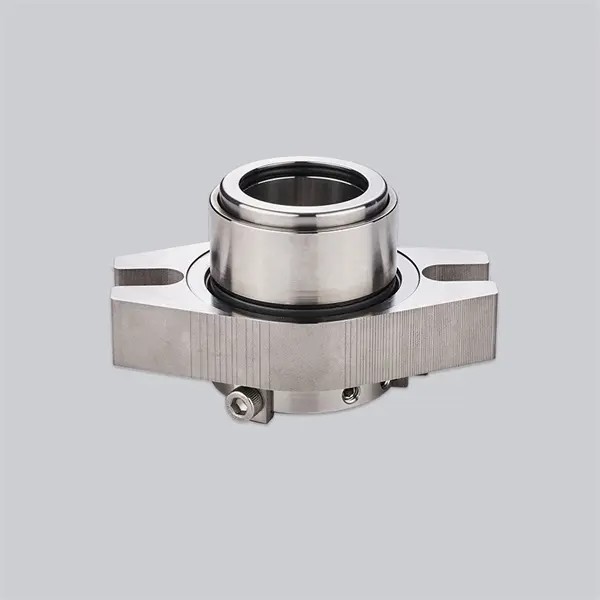
A cartridge mechanical seal is a pre-assembled, self-contained sealing unit designed to prevent fluid leakage in rotating equipment such as pumps, mixers, and compressors. Used across a wide range of industrial sectors, it offers simplified installation, strong operational reliability, and long service life. Today, cartridge seals are used in more than 34% of industrial pumps, making them one of the most widely adopted sealing solutions in oil and gas, water treatment, power generation, and general processing industries.
Key Takeaways
- Cartridge mechanical seals arrive fully assembled, enabling fast, error-resistant installation and reducing setup time.
- They perform reliably in harsh conditions, handling high pressure, temperature, and chemical exposure.
- Compared to conventional seals, they require less maintenance and reduce equipment downtime.
- While cartridge seals have a higher upfront cost, they deliver stronger long-term value through extended lifespan and fewer repairs.
- Proper seal selection must match pump specifications, fluid type, and operating conditions to ensure safety and performance.
Definition & Basic Overview of Cartridge Mechanical Seals
What Is a Cartridge Type Mechanical Seal?
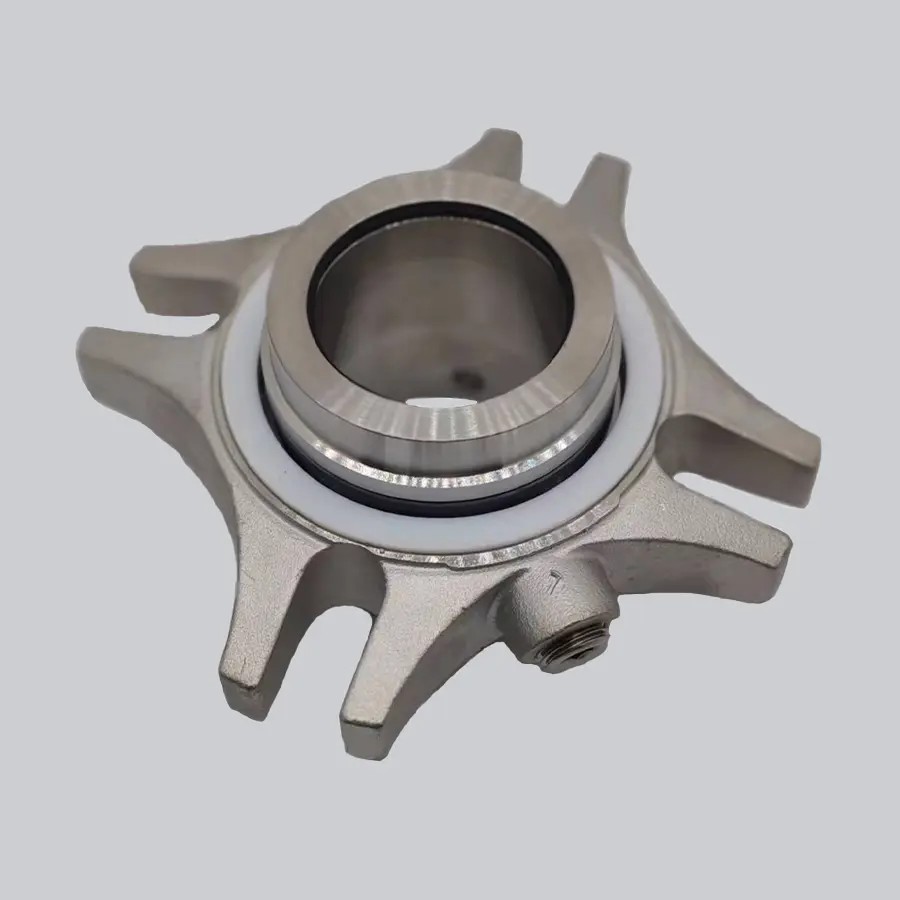
The cartridge mechanical seal is an integrated sealing system for pumps and rotating machinery. It is factory-assembled, meaning no on-site assembly or adjustment is required during installation. This integrated design reliably prevents fluid leakage along the pump shaft, making it ideal for industries seeking efficiency, stability, and reduced human error during maintenance.
Core Characteristics of Cartridge Seals
The defining feature of a cartridge seal is its pre-assembled construction. All critical components are housed within a single unit, including the shaft sleeve, gland, springs, and secondary seals. This eliminates the need for manual alignment or on-site assembly.
The table below summarizes the key differences between cartridge and non-cartridge mechanical seals:
| Feature | Cartridge Mechanical Seals | Non-Cartridge Seals |
|---|---|---|
| Assembly | Pre-assembled unit | Loose components requiring field assembly |
| Installation Process | Simple, minimal alignment needed | Complex, requires high precision and skill |
| Maintenance Requirements | Low downtime, replaceable without full disassembly | Skilled labor needed for proper fitting |
| Cost-Effectiveness | Higher initial cost, lower long-term expense | Lower upfront cost, higher lifetime maintenance cost |
Cartridge Mechanical Seal Design
Key Components and Structure
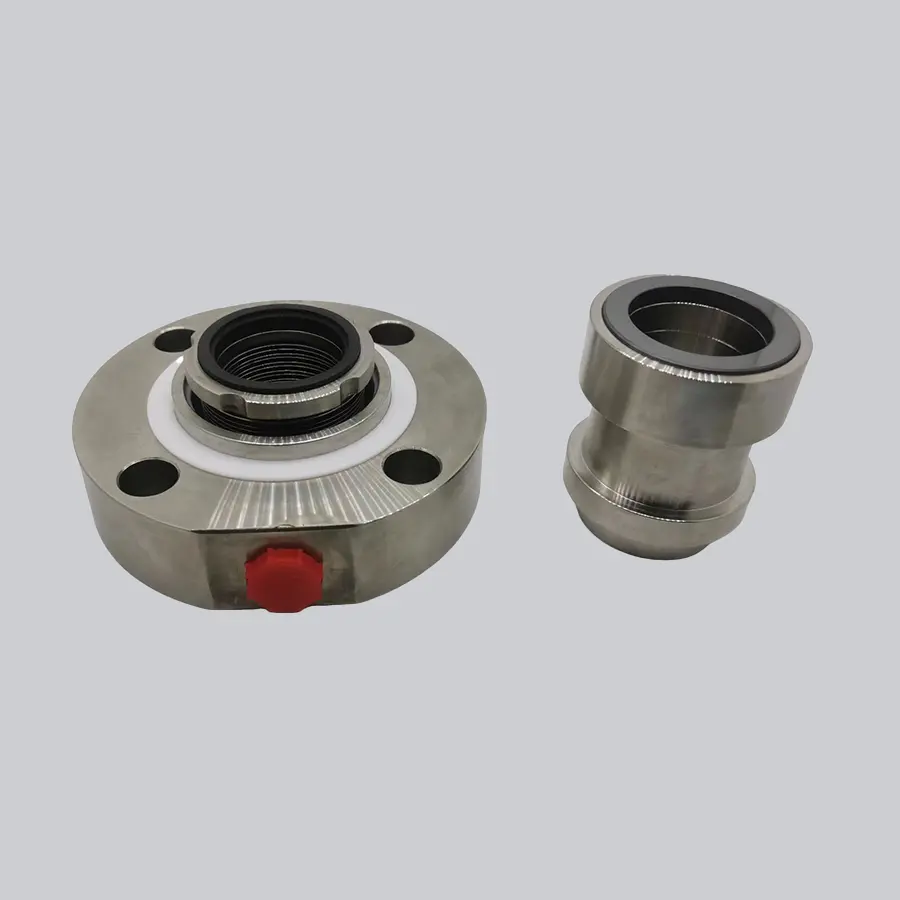
A cartridge mechanical seal is delivered as a single ready-to-install unit, with all critical parts factory-aligned. Its main components include:
- Seal faces
- Stationary seat
- Rotating assembly
- Secondary seals (O-rings, gaskets)
- Structural hardware & gland plate
- Spring mechanisms
- Elastomers
- Setting clips
Each part serves a critical function: the seal faces form the primary leakage barrier; the stationary seat remains fixed while the rotating assembly moves with the shaft; secondary seals prevent secondary leakage; springs maintain consistent face pressure; and setting clips preserve alignment during installation.
Victor engineers each cartridge seal to precise pump specifications, using high-quality materials and strict pressure and temperature testing to ensure performance in demanding environments.
How Cartridge Seals Work
Cartridge mechanical seals create a tight barrier at the shaft entry point of the pump, where pressure and rotation combine to create a high-leakage risk.
The operating principle is straightforward:
- As the pump shaft rotates, the rotary assembly and seal face turn with it.
- The stationary face remains fixed, forming a thin fluid lubricating layer between the two faces to reduce friction and wear.
- Springs maintain consistent face pressure, accommodating minor shaft movement.
- Elastomers and bellows support flexibility while maintaining sealing integrity.
- Optional flush or quench systems help keep faces clean and cool in severe applications.
Cartridge Mechanical Seal Advantages
Easy Installation and Alignment
Cartridge seals eliminate complicated on-site assembly and manual alignment, thanks to their fully integrated, factory-set design. Setting clips hold components in precise position during installation, so technicians do not need to take measurements or make adjustments.
Since installation errors cause 20–30% of early seal failures, the unitized structure significantly reduces failure risks and ensures consistent, repeatable performance across installations. This simplified process cuts labor time and reduces dependence on highly skilled maintenance staff.
Reliability in Harsh Conditions
The enclosed, pre-aligned structure improves stability under high pressure, temperature fluctuations, and chemical exposure. It better resists vibration, shock, and abrasive media compared to traditional component seals, making it suitable for heavy-duty applications in refining, chemical processing, and power generation.
High-grade facing materials further boost wear and corrosion resistance, allowing the seal to maintain effective sealing even in demanding operating environments.
Maintenance and Downtime Reduction
Cartridge seals can be replaced or serviced without full pump disassembly, greatly reducing unplanned downtime. Routine maintenance is simple and predictable, allowing teams to schedule service in advance rather than responding to unexpected failures.
| Task | Frequency | Notes |
|---|---|---|
| Visual inspection for leaks | Every 3–6 months | Check drain ports, gland, and lines |
| Seal face inspection | Every 6 months | Look for scoring or heat discoloration |
| O-ring replacement | Annually | Replace during scheduled shutdowns |
| Lubrication check | During servicing | Verify elastomer compatibility |
| Gland bolt torque check | Annually | Use calibrated tools |
This combination of durability and easy upkeep improves overall equipment reliability and reduces long-term operational costs.
Cartridge Seal Limitations
Cost Considerations
The biggest drawback of cartridge seals is their higher upfront cost. Compared to standard modular seals, the pre-assembled, integrated structure and precision manufacturing process result in a significantly higher initial investment. For small-scale operations, projects with limited budgets, or infrequently used equipment, this higher upfront cost is difficult to justify, even considering long-term cost savings.
Size and Compatibility
Cartridge seals offer less flexibility in fitting and installation. Their integrated design requires greater radial and axial space within the pump housing, making them unsuitable for compact or space-constrained pump designs.
Furthermore, their versatility is limited: many older, custom, or highly specialized pumps cannot use standard cartridge seals, requiring expensive custom-engineered replacements. Additionally, retrofitting cartridge seals to existing non-cartridge seal installations typically requires additional modification work, further increasing the overall cost and complexity of the project.
Cartridge vs. Component Seals
Performance and Application
Cartridge seals deliver stable, consistent sealing performance with little variability, since they avoid assembly errors during installation. They are especially well-suited for continuous-duty operations where high equipment uptime is a top priority.
Component seals offer greater flexibility for non-standard pumps and unique operating conditions, but their performance depends heavily on the technician’s skill during setup. They are commonly used in basic, low-demand applications or for highly customized equipment setups.
Choosing the Right Seal
Selecting the appropriate seal type depends on operational priorities, pump configuration and long-term maintenance plans:
- Operating environment, fluid type and pressure parameters
- Available installation space and pump model specifications
- In-house maintenance capability and budget planning
- Expected service life and downtime tolerance
| Criteria | Component Seals | Cartridge Seals |
|---|---|---|
| Skill Required for Fitting | Advanced technical skill | Basic training sufficient |
| Configuration Flexibility | High | Moderate |
| Long-term Cost Efficiency | Lower initial cost | Better lifecycle value |
For most industrial pumping setups that value stability and reduced downtime, cartridge seals remain the more practical solution.
Conclusion
Cartridge mechanical seals provide a robust, user-friendly solution for preventing leakage in pumps and rotating equipment. Their pre-assembled design simplifies installation, reduces human error, and lowers maintenance needs, while high-quality materials enable reliable performance in harsh conditions.
Although they require a higher initial investment, their long service life and reduced downtime make them highly cost-effective. Victor specializes in engineered cartridge seals using premium facing materials and strict quality control to meet industrial safety and performance standards. Proper selection based on fluid type, pump design, and operating environment ensures safe, efficient, and long-lasting operation.
FAQ
What is the main benefit of using a cartridge mechanical seal?
It makes installation simple. The seal comes already put together. This saves time and helps stop mistakes. Machines do not stop for long. It is also easier to fix, even in busy factories.
How long does a cartridge mechanical seal typically last?
If you take care of it, a cartridge seal can last many years. How long it lasts depends on how you use it, what it is made of, and how often you check it. Checking the seal often helps it last longer.
Can a cartridge seal handle high-pressure or high-temperature environments?
Yes. Many cartridge seals can work with very high pressure and heat. Makers use strong materials like silicon carbide or tungsten carbide. These help the seal work well in hard places.
Is it difficult to replace a cartridge mechanical seal?
No. To replace it, you just take out the old seal and put in a new one. Because it is already built, this job is fast and easy. It usually takes less than one hour.
Are cartridge seals suitable for all types of pumps?
Cartridge seals fit most pumps, especially ones with normal shaft sizes. Some special or old pumps might need a custom seal. Always check if the seal fits before you put it in.