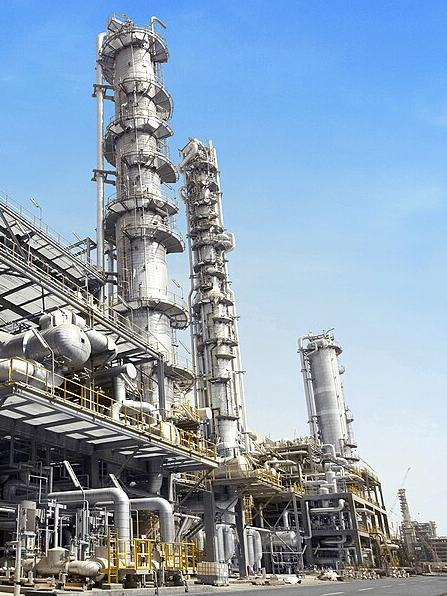

The biggest difference between Type 1 and Type 2 mechanical seals lies in their manufacturing process and sealing principle. Veekter’s seals are robust and durable, effectively preventing leaks in pumps and machines. Their products are of exceptional quality, which is why many companies trust Veekter when they need durable and reliable products.
Key Takeaways
- Type 1 mechanical seals are easy to use and perform well, suitable for general applications such as water pumps and chemical plants. Many industries rely on them for their superior performance.
- Type 2 mechanical seals feature a dual-seal design for enhanced safety. They are best suited for hazardous liquids and high-pressure environments. They help ensure personnel safety and ensure proper equipment operation.
- Proper maintenance of mechanical seals helps prevent leaks and extends their service life. Correct installation is crucial for optimal performance.
Type 1 Mechanical Seals: Structure
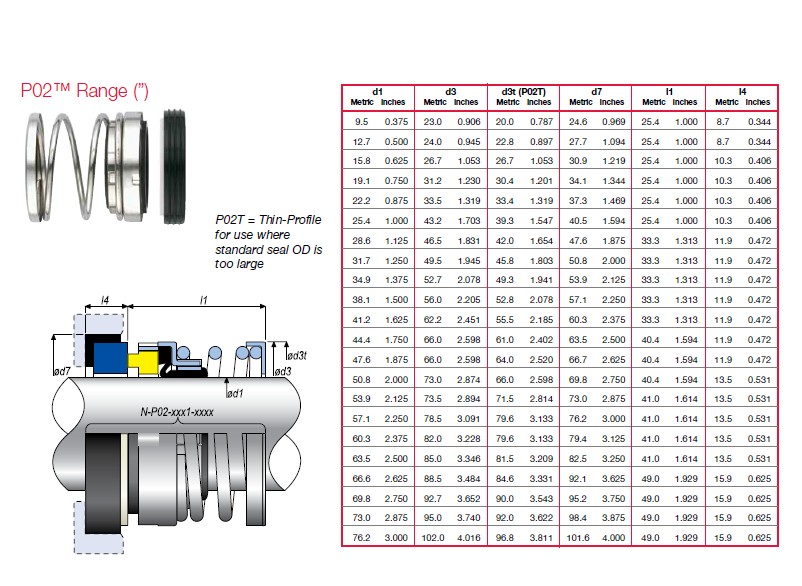
Mechanical Seals Basic Design
Type 1 mechanical seals have only one sealing face to prevent fluid leakage into the pump and machine interior. Pump oil acts as a lubricant. This facilitates easy movement of the sealing face and reduces friction. Type I seals are widely used in numerous industries due to their simple structure and excellent performance. Engineers choose these seals for water pumps, as well as for marine equipment and chemical systems. Type I seals can be installed in standard pump housings, making installation easy.
Veekter manufactures Type I mechanical seals that meet stringent international standards. Their products comply with ISO 9001, API 682, DIN, and EN standards. These certifications demonstrate Veekter’s high regard for quality and safety. Many companies trust Veekter’s Type I seals for their stable operation even in harsh environments.d safety. Companies trust Veekter’s type 1 seal. It works well in tough places.
Mechanical Seals Key Components
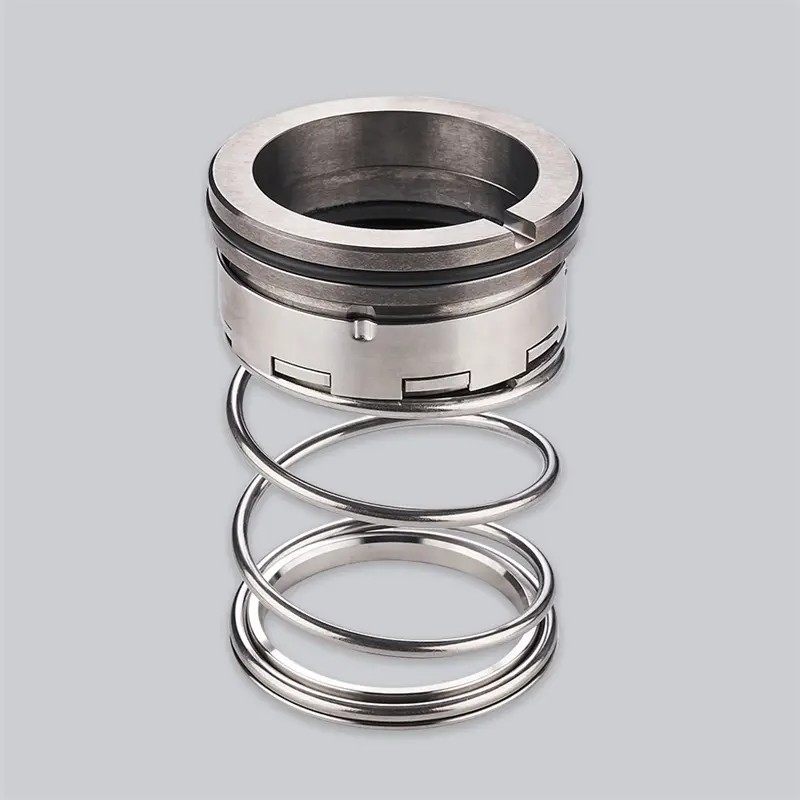
Type I mechanical seals consist of a sealing face, a spring, and an elastomer. The spring is crucial to the seal’s working principle. It presses the sealing face together, preventing leakage and ensuring proper pump operation.
- The helical spring provides stable force and is easy to install.
- Multiple springs distribute the load, enhancing stability during high-pressure operation.
- The wave spring saves space and effectively controls the load even in confined spaces.
Type 1 seals utilize this spring design to meet various requirements. Veekter’s Type 1 seals are made of high-strength materials that are wear-resistant and chemically resistant, extending seal life and reducing equipment downtime. Type 1 seals feature a simple structure and excellent sealing performance.
Tip: Regularly inspecting the spring and sealing face helps Type 1 mechanical seals achieve optimal performance.
Type 2 Mechanical Seals: Structure
Double Seal Configuration
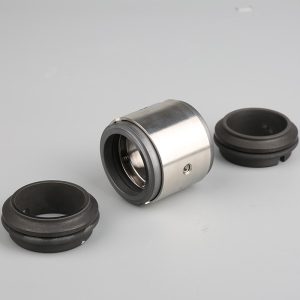
Type 2 mechanical seals have two sealing faces inside the equipment. One set faces the process fluid, and the other faces the outside air. This structure forms a robust barrier, isolating the process fluid from the external environment. Type 2 mechanical seals provide additional leak protection and are used by engineers in pumps that transport hazardous or expensive fluids. Even if one sealing face wears, the other sealing face can still function normally. Designed for harsh operating conditions, Veekter’s Type 2 mechanical seals meet stringent standards and can operate stably under high temperature and high pressure environments.
Barrier Fluid System
Type 2 mechanical seals utilize an isolation fluid system to ensure safety. This system injects a special fluid between two sealing faces. This barrier fluid helps prevent leaks and protects the equipment.
- The barrier fluid system maintains a pressure higher than the process fluid. This prevents leaks.
- It ensures worker and environmental safety by blocking harmful liquids.
- Type 2 mechanical seals are best suited for locations where leaks can be very serious, such as oil refineries or chemical plants.
This system helps Type 2 mechanical seals operate normally under harsh conditions. Veekter’s Type 2 mechanical seals utilize robust materials and ingenious design. These characteristics help extend the seal’s lifespan and maintain safety in harsh environments. Many industries use Type 2 mechanical seals to prevent leaks and protect machinery.
Mechanical Seals: Applications
Type 1 Mechanical Seals Uses
Type 1 mechanical seals have a wide range of applications. These seals help pumps and agitators operate leak-free. Engineers use them in chemical plants to prevent contamination. They also protect pharmaceuticals in critical processes. Water treatment plants require these seals to ensure proper machine operation. Marine systems also use them to prevent water from entering equipment.
- Chemical Processing: Prevents leaks and keeps pumps clean.
- Pharmaceuticals: Maintains product purity in critical processes.
- Water and Wastewater Treatment: Helps pumps and agitators operate efficiently.
Type 2 Mechanical Seals Uses
Type 2 mechanical seals provide extra safety for harsh operating conditions. These seals are used to handle high-viscosity fluids in chemical plants. They seal hazardous liquids inside the machine. Oil and gas companies use them to protect personnel and equipment. These seals prevent hazardous fluid leaks under high pressure. They also operate in harsh environments.
- Chemical Processing: Handles high-viscosity and hazardous fluids.
- Oil and Gas: Seals hazardous fluids inside the machine under high pressure.
Mechanical Seals Industry Examples
Veekter manufactures mechanical seals for a wide range of applications. Their seals meet stringent specifications and are widely used in various settings. The table below lists the application areas for Veekter seals.
| Industry | Product Types | Compliance Standards |
|---|---|---|
| Chemical | Cartridge seals, rubber bellow seals, metal bellow seals, o-ring seals | DIN24960, EN12756, ISO3069, AP1610, AP1682 |
| Mining | Cartridge seals, rubber bellow seals, metal bellow seals, o-ring seals | DIN24960, EN12756, ISO3069, AP1610, AP1682 |
| Oil and Gas | Cartridge seals, rubber bellow seals, metal bellow seals, o-ring seals | DIN24960, EN12756, ISO3069, AP1610, AP1682 |
| Petrochemical | Cartridge seals, rubber bellow seals, metal bellow seals, o-ring seals | DIN24960, EN12756, ISO3069, AP1610, AP1682 |
| Power Plants | Cartridge seals, rubber bellow seals, metal bellow seals, o-ring seals | DIN24960, EN12756, ISO3069, AP1610, AP1682 |
| Pulp and Paper | Cartridge seals, rubber bellow seals, metal bellow seals, o-ring seals | DIN24960, EN12756, ISO3069, AP1610, AP1682 |
| Shipbuilding | Cartridge seals, rubber bellow seals, metal bellow seals, o-ring seals | DIN24960, EN12756, ISO3069, AP1610, AP1682 |
| Water Industries | Cartridge seals, rubber bellow seals, metal bellow seals, o-ring seals | DIN24960, EN12756, ISO3069, AP1610, AP1682 |
Note: Veekter mechanical seals are suitable for a variety of applications. Their products help businesses save time and ensure personnel safety.
Mechanical Seals Installation and Maintenance

Type 1 Installation Steps
Installing a Type 1 mechanical seal is very simple; just follow these steps. Each step helps the seal work better and extends its service life.
- First, perform a safety check. Lock the equipment and clean the work area.
- Remove the old seal. Inspect all parts for damage or wear.
- Clean all areas that will come into contact with the new seal.
- Measure critical components. Ensure the new seal is problem-free.
- Apply grease to the shaft. Install the seal according to the manufacturer’s instructions.
- Reassemble the equipment. Tighten all bolts to the appropriate tightness.
- Check for leaks and ensure everything is functioning correctly.
Tip: Carefully performing each step can prevent leaks and extend the seal’s service life.
Type 2 Installation Steps
Type 2 mechanical seals require extra care, especially in high-pressure operations.
- Prepare all tools and supplies. Keep the work area clean and wear safety protective equipment.
- Inspect the seal and equipment for any damage or dirt.
- Clean the shaft and housing, removing any debris.
- Gently insert the seal. Ensure it lies flat inside the housing.
- Tighten the seal with appropriate force.
- Remove all cover plates before starting the equipment.
- Ensure the seal is properly installed and rotates smoothly.
- Before using the equipment, check for leaks or unusual noises.
Maintenance Differences
| Feature | Type 1 Mechanical Seal | Type 2 Mechanical Seal |
|---|---|---|
| Structure | One sealing face | Two sealing faces |
| Application | Used for normal jobs | Used for tough, risky jobs |
| Maintenance Complexity | Easy to take care of | Harder to take care of |
| Performance | Works well for simple fluids, low pressure | Great for strong fluids, high pressure |
| Leakage Prevention | May leak a little | Stops leaks with double protection |
Veekter’s robust seals and professional service team help businesses avoid problems and ensure efficient machine operation.
Mechanical Seal Performance and Selection
Operating Conditions
Mechanical seals work in many places. Each seal faces its own problems. Temperature and pressure change how a seal works. Some seals handle cold fluids. Others work with hot fluids. Some seals can take high pressure.
Temperature:
- -40°C to 205°C / -40°F to 400°F
Pressure:
- Up to 29 bar g / 425 psig (1)
- Up to 82 bar g / 1200 psig (1B)
Type 2 seals are suitable for more demanding environments. These seals effectively prevent leaks under harsh conditions. Chemical plants and refineries use Type 2 seals to handle hazardous fluids. Some seals are resistant to strong chemicals, while others are designed to prevent fluid leakage into pumps. Engineers select the appropriate seal based on the specific operating conditions. They consider factors such as temperature, pressure, and fluid type. The seal must meet the specific requirements of each operating condition.
Tip: Always check the installation conditions before selecting a seal. This helps extend the seal’s lifespan and improve its performance.
Reliability and Lifespan
Reliability is critical to any seal. High-quality seals ensure proper machine operation, prevent leaks, and save on maintenance costs. Type 1 seals offer reliability in many applications. The table below shows the performance of Type 1 seals under continuous operating conditions.
| Factor | Description |
|---|---|
| Leakage Rate | Average leak stays under 1 cc per day. |
| Design Selection | The seal must fit the job’s speed and pressure. |
| Installation Precision | Careful installation helps the seal last longer. |
Type 2 seals have a longer lifespan in harsh operating environments. Chemical plants use cartridge seals. These seals have a lifespan of 2 to 4 years. Type 2 seals can withstand highly corrosive and high-pressure environments, protecting machines and personnel. Seals must be able to resist wear and damage. Engineers inspect seals for leaks and wear and replace them before problems occur.
Many factors can cause seal failure. Idling can damage seals. Improper installation can cause problems. Vibration is harmful to seals. Chemicals and high temperatures can also damage seals. Engineers closely monitor leaks, high temperatures, and noise. They quickly resolve issues to ensure the seals function properly.
Choosing the Right Mechanical Seal
Choosing the right seal helps machines operate efficiently. Engineers follow these steps to select the best seal for each job:
- Determine the job requirements. Check temperature, pressure, speed, and fluid type.
- Understand the seal’s function. Determine if it’s for leak prevention or to withstand high pressure.
- Choose the seal type. Type 1 seals are suitable for simple jobs. Type 2 seals are suitable for high-intensity jobs.
- Check if the seal material is compatible with the fluid.
- Consider factors such as high temperatures, chemicals, and vibration.
- Consult expert advice.
- Test the seal in actual operation and observe its performance.
Some seals contribute to environmental protection. Non-contact dry seals reduce emissions. These seals are less prone to wear and are suitable for hazardous fluids.
Veekter performs quality inspections on every seal. The table below shows Veekter’s seal inspection methods.
| Quality Control Measure | Description |
|---|---|
| Dimensional Accuracy Inspection | CMMs check size and shape of seal parts. |
| Surface Quality Inspection | Profilometers measure friction surfaces. |
| Material Property Verification | Tests confirm hardness and structure. |
| Pressure Testing | Hydraulic tests check seal strength. |
Veekter sells seals at competitive prices. Their seals are 10% cheaper than other brands. Veekter seals meet world standards. They have passed rigorous strength and safety tests. Many companies trust Veekter’s high-quality seals and strong support.
Note: Always select the appropriate seal based on the application. High-quality seals can save costs and ensure machine safety.
Type I and Type II mechanical seals are not the same. Type I seals are suitable for simple applications. They can handle a variety of fluids. Type II seals prevent leaks in harsh application environments. They have a longer service life than Type I seals. Veekter manufactures seals according to strict specifications. These seals can help all types of businesses.
| Seal Type | Advantages | Disadvantages |
|---|---|---|
| Type 1 | Saves money, works with many fluids, handles small mistakes | Cannot take high heat or strong chemicals |
| Type 2 | Works in very hot or cold places, stops leaks well | Needs better parts for strong chemicals, costs more |
Choosing the best seal depends on several factors. The table below lists the considerations.
| Criteria | Description |
|---|---|
| Fluid Type | Choose a seal that matches the fluid, like chemicals or slurries |
| Operating Pressure & Temp | Make sure the seal can take the job’s pressure and heat |
| Industry Compliance | Use seals that follow the rules for your business |
| Maintenance Requirements | Pick seals that are easy to take care of |
Veekter’s seals offer superior performance and durability. They help businesses save costs and ensure machine safety. Veekter’s seals are suitable for a wide range of applications and function effectively even in harsh environments. They meet international standards and have passed rigorous testing. Veekter’s seals support numerous businesses, ensuring employee safety. They provide peace of mind and contribute to improved productivity.