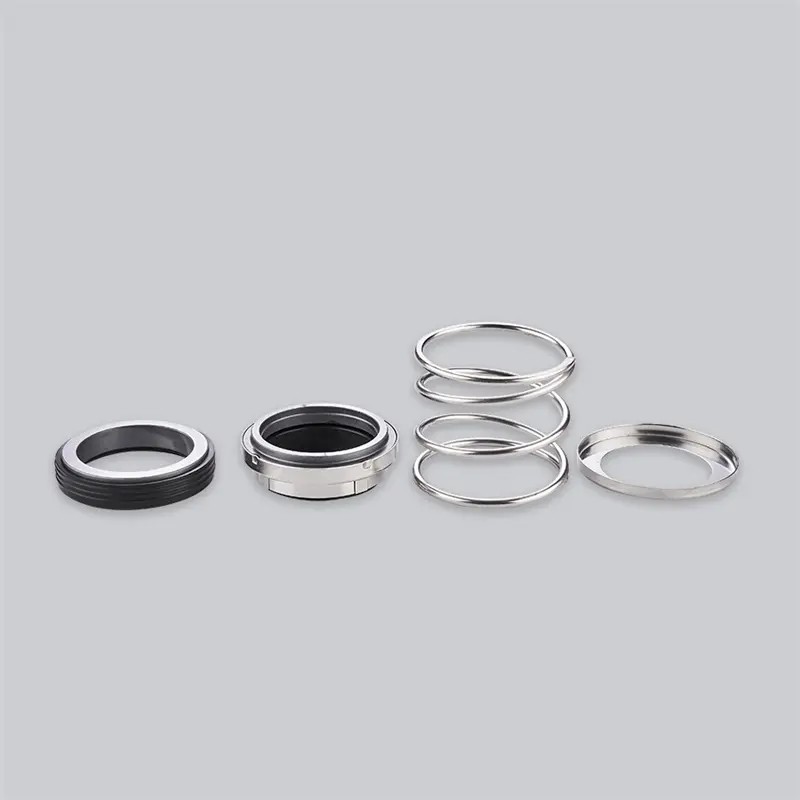
The spring in a water pump mechanical seal maintains consistent pressure between the seal faces, effectively preventing leaks and ensuring optimal pump performance. Research indicates that stationary spring seals enhance the reliability of pumps, particularly in high-speed and large systems. Victor’s mechanical seals incorporate innovative spring designs that minimize alignment issues and extend the lifespan of the seal. Choosing the appropriate single spring mechanical seal or multi spring mechanical seal is crucial for users to avoid costly complications and guarantee efficient pump operation.
Key Takeaways
- The spring in a mechanical seal pushes the seal faces together. This stops leaks and helps the pump work well.
- It is important to check springs and seal faces often. This helps find damage early and stops leaks. Leaks can cause expensive pump problems.
- Picking the right spring, like a single coil or wave spring, is important. The best spring depends on what the pump needs.
- The spring keeps steady pressure on the seal. This helps the seal handle wear and shaft movement. It makes the seal work better.
- Knowing signs of spring damage, like leaks or strange sounds, is helpful. It lets you find problems early and fix the mechanical seal.
Spring Function in Water Pump Mechanical Seal
Maintaining Seal Face Contact
A water pump mechanical seal uses a spring to keep the seal faces together. This contact stops leaks and helps the pump work well. The spring pushes the two seal faces, one stays still and one turns, so they touch. This design lets the seal work even when the pump is off.
- The spring or bellows holds the faces together for a tight seal.
- The spring gives the force needed to keep the seal faces touching, which is important for sealing as long as the seal lasts.
- When the spring is pressed, it gives pressure to the faces, stopping leaks when the pump is not running.
- The main seal works like a spring-loaded bearing, using both fluid force and spring force to push the faces together.
Victor’s mechanical seals have special spring designs for good performance. Each seal is checked carefully, including size checks and leak tests. These steps make sure every Victor water pump mechanical seal stops leaks and helps pumps work well.
Compensating for Wear and Shaft Movement
Mechanical seals rub together while the pump runs. This rubbing can wear down the seal faces over time. The spring in the seal adjusts the pressure between the faces, so the seal keeps working. The spring also helps the seal fit small moves or shifts in the pump shaft.
The spring in a mechanical seal lets the faces stay together, even if the shaft moves or is not lined up right. This is important for both single and double mechanical seals. It helps keep a strong seal and stops leaks when the pump is working.
The table below shows how the spring helps with wear and movement:
| Evidence Description | Explanation |
|---|---|
| Springs provide positive drive | This keeps the mating and primary rings touching while the pump runs, which is important for stopping leaks as the seal wears. |
| Assures contact during startup/shutdown | The spring keeps the faces touching even when fluid pressure is low, so it helps with wear. |
Victor’s skill in making mechanical seals means each one is built to handle shaft movement and wear. Their pump seals are tested to be high quality, so users can trust them for good sealing.
Tip: Check the spring and seal faces often to help your water pump mechanical seal last longer and lower the chance of leaks.
Preventing Leakage in Pump Seals
Consistent Pressure and Seal Integrity
Mechanical seals need a spring to press the seal faces together. This pressure is very important for stopping leaks in pump seals. The spring pushes the sealing faces so they touch, even if the pump is off or the shaft moves. This keeps fluid inside and helps the pump work safely.
Springs in mechanical seals change with what happens inside the pump. When the seal faces wear down from rubbing, the spring changes its pressure to keep the seal tight. This helps single mechanical seals and double mechanical seals work well in many situations. The spring-loaded design also helps the seal handle small shaft moves during normal pump use.
A water pump mechanical seal uses the spring to help the pump work well. The spring or bellows keeps the seal faces lined up, which helps the seal last longer. When the seal faces stay together, the pump can move fluids without leaks, even if the pressure changes.
Note: The spring’s steady pressure helps mechanical seals last longer and lowers the chance of leaks.
Effects of Spring Failure
If the spring in a mechanical seal breaks, the seal faces can move apart or not line up right. This often causes leaks and can hurt the pump. Maintenance records show that different springs can break in different ways. The table below lists common problems and what can happen if the spring stops working:
| Spring Type | Consequences |
|---|---|
| Single Coil Spring – Parallel Type | Less force → leaks; Uneven push → seal face bends or wears out faster. |
| Single Coil Spring – Conical Type | Spring gets weaker → seal faces split; Bad alignment → uneven wear and early failure. |
| Set of Small Multi-Coil Springs | Seal faces tilt → edge wears and leaks; Slow spring response → bad shaft tracking. |
| Wave Springs | Not enough push → leaks at low pressure; Less bendy → can’t fix misalignment. |
| Stack of Metal Bellows | Spring stops working → seal faces come apart; Bellows break → seal fails badly. |
If the spring breaks, the mechanical seal cannot keep the faces together. This can cause leaks, more rubbing, and even pump failure. Regular checks help find spring problems early and keep the pump working well.
Types of Springs in Mechanical Seals

Single Spring Designs
Single spring designs are important in mechanical seals. These springs use a coil shape to push the seal faces together. The thick coil does not rust and does not get blocked by thick liquids. Many water pump mechanical seals use single springs because they seal well and are easy to put in. These springs are good for pumps that need simple care and save money.
Tip: Single spring designs work well for most pumps. They help control friction and keep the pump working smoothly.
Wave Spring and Metal Bellows
Wave springs and metal bellows are used for special mechanical seals. Wave springs are small and save space inside the seal. They give even pressure, which helps the seal last longer. Wave springs have a wide surface and no welded spots, so they are strong when the pump moves a lot. Metal bellows seals can handle very hot or cold temperatures and strong chemicals. They work well in double mechanical seals for oil, medicine, and chemical pumps.
| Seal Type | Advantages | Drawbacks |
|---|---|---|
| Wave Spring Seal | Small size, good pressure control | Needs special tools, expensive materials |
| Metal Bellows Seal | Works with heat, chemicals, fast shafts | Needs careful choice of materials |
Springs made from stainless steel, Inconel, or superalloys are strong and do not rust. These materials help the seal faces stay together and work well in hard jobs.
Choosing the Right Spring for Your Application
Picking the right spring depends on the pump and where it works. Single mechanical seals with coil springs are used for water, food, and mining pumps. Double mechanical seals with metal bellows or wave springs are best for pumps with high pressure, heat, or chemicals.
| Spring Type | Application Description |
|---|---|
| Canted Coil Spring | Gives steady sealing with little friction |
| Helical Spring | Pushes hard for pumps that do not move much |
| Cantilever Spring | Gives medium force for simple pump designs |
Victor has many spring types for different mechanical seals. Their springs help pumps work well and last a long time in many places.
Ensuring Reliability of Mechanical Seal Springs
Inspection and Maintenance Tips
Checking and taking care of pump seals helps them last longer. Workers should look at mechanical seals often to find problems early. A good plan can stop leaks and help fluid pump sealing systems work better for more time. Here are some easy tips:
- Look at pump seals on a schedule to find wear or if things are not lined up.
- Use a checklist to make sure all parts are working right.
- Never let the mechanical seal run without liquid. Running dry makes it too hot and can break it.
- Use a dry-run monitor to warn workers if there is not enough oil or water.
- Change the spring pressure to match what the maker says, usually between 3 to 6 kg/cm².
- Keep the seal faces clean and oiled to stop rubbing and wearing out.
- Pick the right seal material for the pump’s liquid to stop chemical harm.
Note: Doing regular checks and putting seals in the right way helps stop big problems and keeps pump seals working well.
Victor uses special machines and careful tools to make sure every spring is made right. Each mechanical seal is checked for size and tested for pressure before it leaves the factory. This careful checking makes sure mechanical seals are very reliable.
Signs of Spring Wear or Failure
Finding spring problems early helps stop leaks and pump damage. When checking, workers should look for these signs:
- Leaks near the pump seals, which can mean things are not lined up or springs are worn out.
- Springs that are shorter or bent, which can make the seal not tight enough.
- Strange sounds or shaking from the pump, which can mean the spring is not holding the seal faces together.
- Rust or corrosion on the spring, especially if the pump moves strong chemicals.
- Too much heat near the seal, which can make parts grow and break.
| Inspection Focus | What to Look For | Why It Matters |
|---|---|---|
| Spring Length | Short or bent springs | Changes how tight the seal is |
| Seal Face Condition | Uneven marks or scratches | Shows rubbing problems |
| Lubrication | Dry or dirty seal faces | Can make it too hot |
Watching mechanical seals and pump seals often helps keep them safe and working well. By doing these things, workers can help fluid pump sealing systems work smoothly and stop sudden problems.
Springs in water pump mechanical seals keep the sealing surfaces tight. This stops leaks and helps pumps work well. Good springs can save money and make pumps run longer. Checking springs often helps find problems early. This is important when pumps face hard jobs or shake a lot.
- When picking a seal, think about heat, liquid, and if the materials match.
Victor’s skill makes seals that work in many places. Picking the right seal and taking care of it helps pumps last longer and stay safe.