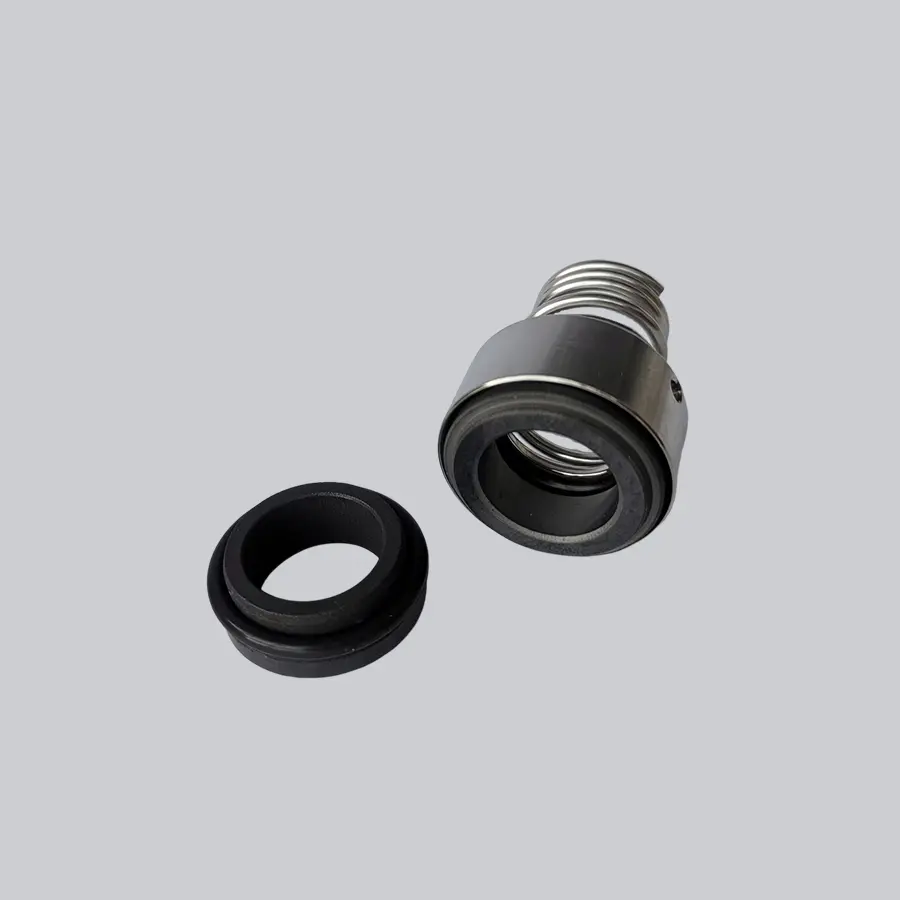
The lifespan of a mechanical pump seal typically ranges from one to five years, depending on usage, seal type, and maintenance practices. Most companies expect a mechanical pump seal to last at least two years, while certain seals, such as those meeting API 682 standards, can last three years or more under optimal conditions. Victor’s mechanical shaft seal products are manufactured in accordance with strict international standards, undergoing thorough inspections and leak testing to ensure durability and reliability. Customers seeking an alfa laval pump seal kit can rely on Victor’s expertise and high-quality products, which help extend seal life across a wide variety of applications.
Key Takeaways
- Mechanical seals usually last from one to five years. How long they last depends on how you use and take care of them. If you install them the right way and keep them maintained, they can last much longer. Picking the right mechanical seal for the job is very important. This helps the seal work well. Checking for leaks, wear, and alignment often can help you find problems early. This can stop expensive breakdowns. Using good materials and following the maker’s rules makes seals stronger and more dependable.
Average Lifespan of Mechanical Seals
Typical Service Life Range
Mechanical seals usually last from one to five years. This is normal in the industry. Victor makes sure their seals are high quality. They check each seal and test for leaks. This helps the seals last longer. Many seals work for thousands of hours. Some last over ten thousand hours if cared for. The type of seal and how it is used can change how long it lasts.
Victor’s mechanical seals often last longer than others. They are made with care and checked for quality. Customers can trust these seals to work well, even in tough places.
- Most common service life for mechanical seals:
- They last thousands to over ten thousand hours.
- They work for one to five years in most jobs.
- They can last longer with good care and the right setup.
Factors Influencing Lifespan
Many things can change how long a mechanical seal lasts. The kind of fluid, pressure, and temperature matter a lot. How well the seal is put in also matters. Seals in high-pressure places can wear out faster. They might get small holes or cracks. Sometimes, seals break if things change too fast. Good alignment and oiling help seals last longer.
Victor’s seals are made to be strong. The company uses special materials and smart designs. Each seal is checked for size and tested for leaks before shipping. These steps help make sure the seals work well and last a long time.
| Factor | Impact on Lifespan of Mechanical Seals |
|---|---|
| Operating Conditions | Pressure, temperature, and speed affect wear |
| Fluid Properties | Corrosive or particle-filled fluids shorten life |
| Installation Quality | Proper alignment and lubrication extend life |
| Maintenance Practices | Regular checks and cleaning improve longevity |
Mechanical seals last longer if people install and care for them the right way. Victor’s seals are a good choice for people who want their seals to last and work well.
Mechanical Pump Seal Types and Applications
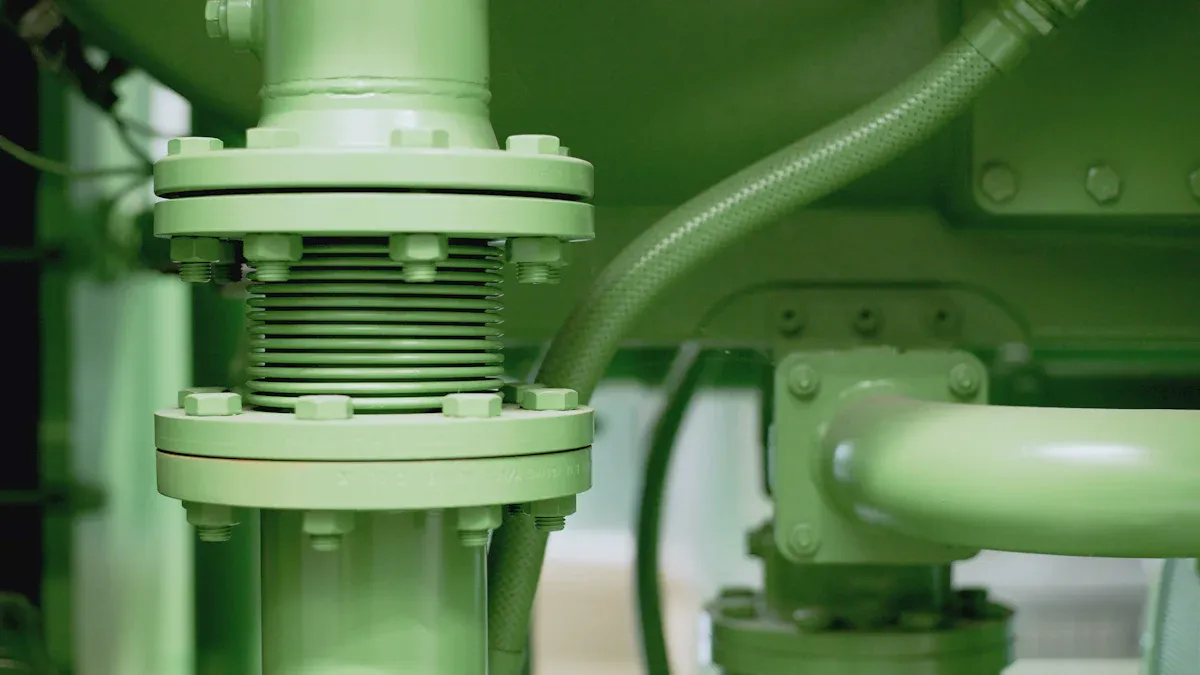
Mechanical seals have different types. Each type is best for certain jobs. Picking the right seal helps it last longer. It also helps machines work better.
Single Spring Mechanical Seals
Single spring mechanical seals use one coil spring. The spring pushes the seal faces together. This design is good for moving fluids and water pumps. It works for light jobs. Many homes and farms use these seals. They are common in water systems and irrigation. These seals usually last one to two years. Simple fluids help them last longer. If the fluid is dirty or the pump is fast, the seal may not last as long.
| Type of Mechanical Seal | Expected Lifespan Range |
|---|---|
| Single Spring | 1 – 2 years |
Wave Spring Mechanical Seals
Wave spring mechanical seals use a small spring. The spring saves space in the pump. These seals fit in pumps with little room. They are used in marine cooling pumps and small fast pumps. The wave spring gives good control. This helps the seal work well in tight places. Clean fluids and steady heat help these seals last longer. If the pump has high pressure or dirty fluids, the seal may not last as long.
Metal Bellow Mechanical Seals
Metal bellow mechanical seals have a bendable metal part. They do not use a spring. This design works with high heat and strong chemicals. Many factories use these seals. They are used in chemical plants and oil and gas places. In China, these seals last about one year. In other places, they can last two years. Cooling and flushing help them last longer. If the fluid is very hot or dirty, the seal may wear out faster.
Cartridge Mechanical Seals
Cartridge mechanical seals come ready to use. They are easy to put in. This helps stop mistakes. Many industries use these seals for important jobs. They are used in chemical plants and mining. Good installation and regular checks help the seal last longer. Problems like rubbing or o-ring damage can make the seal fail early. Picking the right materials and doing regular care helps the seal last longer.
Tip: Picking the right seal and taking care of it helps it last longer. Always use the right seal for the job and check it often.
Key Factors Affecting Lifespan of a Mechanical Seal
Operating Conditions
How a mechanical seal is used affects how long it lasts. High pressure and very hot or cold temperatures can make seals wear out faster. The kind of fluid inside the pump also matters a lot. Some fluids are rough or can eat away at the seal. These fluids make the seal break down quickly. If the pump runs in steady, calm conditions, the seal will last longer.
- When it gets too hot, the seal can crack or break.
- If the seal cools down too fast, it can get damaged.
- O-rings can get hard or bend in the cold.
- High pressure pushes hard on the seal and wears it out.
- Gases can make the seal run dry, and slurries can scratch it.
The type of fluid is important too. The table below shows how different fluids can change how well a seal works:
| Factor | Description |
|---|---|
| Seal Face Loading | Thick fluids push harder and wear out the seal. |
| Lubrication | Thick fluids help the seal slide but can slow cooling. |
| Heat Generation | Thick fluids soak up heat and keep seals cool, but can change how they flow. |
Material and Design Quality
Picking the right material helps the seal last longer. Good materials stop leaks and keep chemicals from hurting the seal. Bad materials can make the seal break more often. In places with strong chemicals, ceramic or special metals work best. These materials stop rust and help the seal last longer. Victor uses strong materials and smart designs to make sure seals work well. Every seal is checked and tested before it leaves the factory.
- Good materials stop leaks and help seals last longer.
- Always think about what fluid is in the pump when picking a seal.
- Use rust-proof materials for tough jobs.
Installation and Maintenance
Putting in the seal the right way helps it last longer. Many seals break because they were not put in right. Almost half of all seal problems can be stopped by careful assembly. Taking care of the seal also helps it last longer.
- Oil the seal to stop rubbing and keep it cool.
- Watch for shaking, which can hurt the seal.
- Make sure the seal is lined up right.
- Check the pressure and heat so they stay safe.
- Look at O-rings and gaskets to see if they are broken.
Victor checks every seal for size and leaks before shipping. These checks help make sure the seal works well for a long time. Good care and careful setup help seals last and keep machines running.
Seal Failure Signs and Preventive Measures
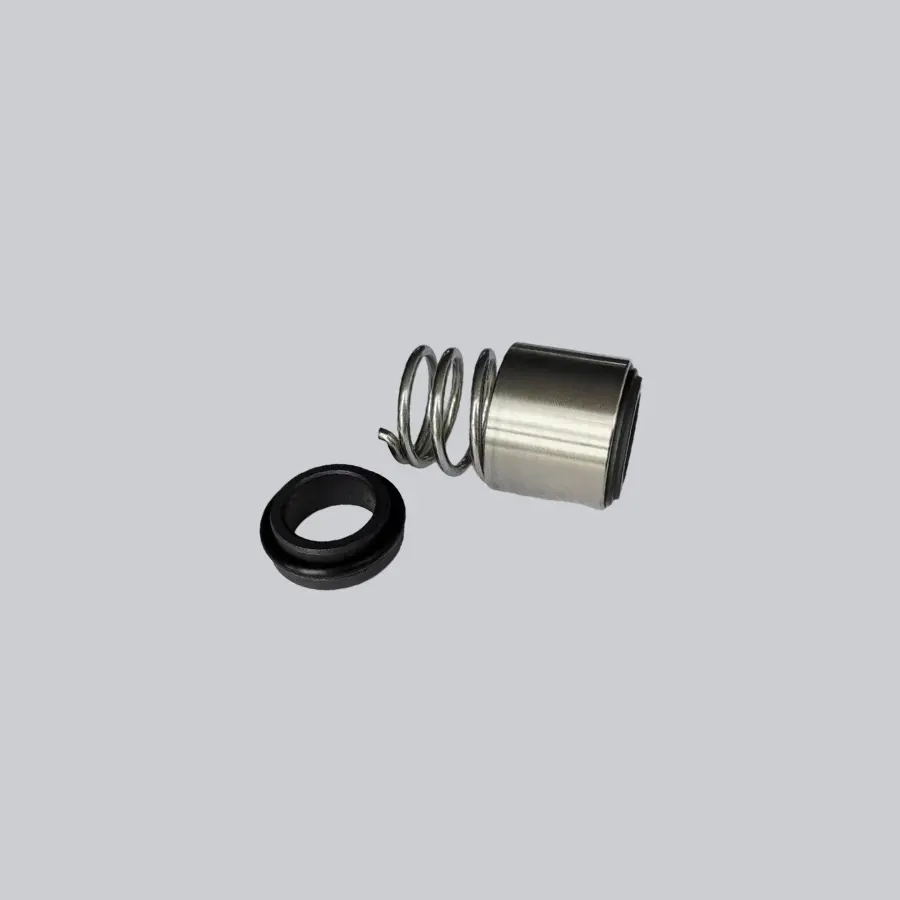
Common Signs of Failure
Mechanical seals show clear signs when they start to fail. Maintenance workers often see these signs during regular checks. Finding problems early helps keep the mechanical pump seal safe. It also helps machines last longer. The table below shows the most common signs of seal wear and failure in factories:
| Sign of Failure | Description |
|---|---|
| Uneven Wear Pattern | Shape changes from too much force or heat. |
| Fractured or Cracked Seal Face | Breaks from sudden heat or hard hits. |
| Chips and Cracks in Seal Ring | Damage from wrong setup or rough handling. |
Other warning signs are leaks near the seal, more shaking, and strange sounds. Workers may also see dirty fluid or notice the pump works worse. These signs often show up before the seal breaks. This gives workers time to fix things.
Tip: Watching temperature, pressure, and shaking helps find problems early. This helps mechanical seals last longer.
Preventive Maintenance Tips
Regular care helps mechanical seals last longer and stops costly breakdowns. Teams can use these tips to make seals work better and last longer:
- Check seals often to find damage early.
- Oil moving parts to stop rubbing and heat.
- Clean seal areas to keep out dirt and trash.
- Watch for shaking and make sure things line up right.
- Put in seals the way the maker says for best results.
Regular checks help workers fix small problems before they get big. Checking seals after certain hours keeps machines safe and working well. Teaching workers to spot early signs also helps seals last longer.
Breakdowns from seal failure can cost much more than the seal. For example, a $1,500 seal problem may cause $15,000 in lost work and repairs. Taking care of seals protects machines and saves money over time.
Note: Using these tips helps seals work better and last longer. This means less time fixing machines and more time working.
Mechanical seals work better and last longer if you pick the right type. You need to put them in the right way. It is important to take care of them often. Victor’s seals use tough materials and smart designs. This makes them strong and dependable. Experts say you should do these things:
- Make sure parts are clean and lined up before you start.
- Check the heat, shaking, and leaks often.
- Add oil to seals so they do not get hurt.
| Material Type | Benefit |
|---|---|
| Silicon Carbide | Works well in high heat |
| Tungsten Carbide | Lasts a very long time |
| Stainless Steel | Does not rust easily |
Victor works hard to make good seals. This helps customers get the best results.