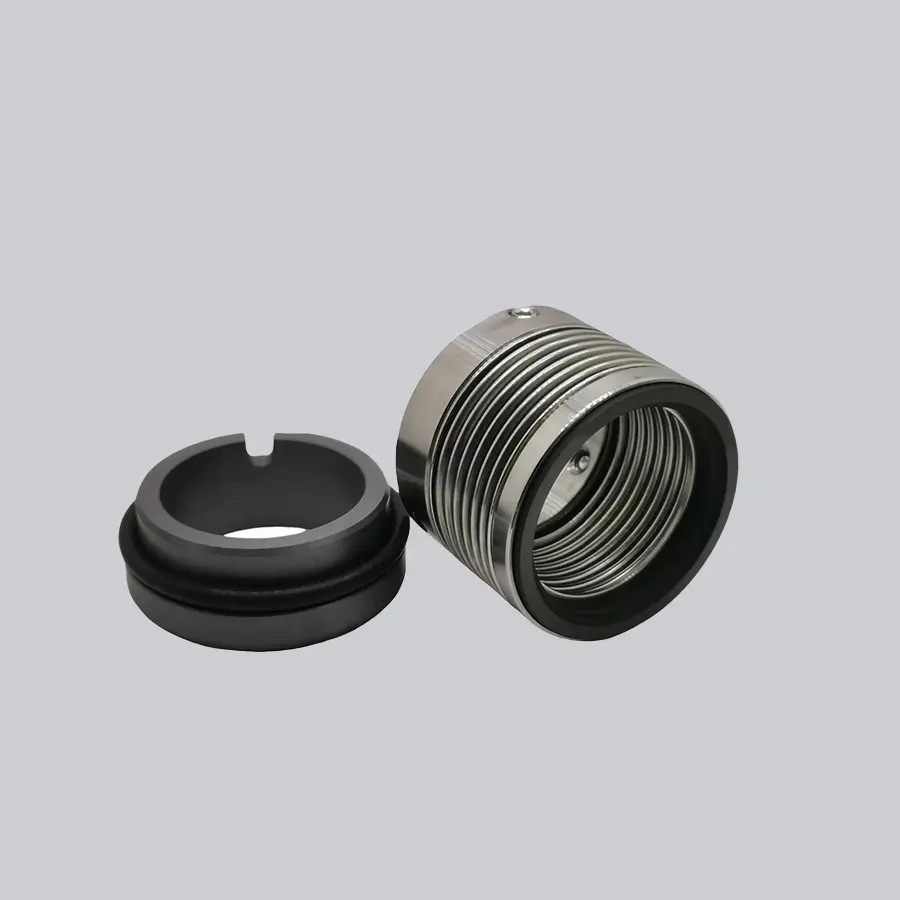
A mechanical seal helps water pumps work safely. It stops fluid from leaking around the spinning shaft. The seal has a smart design that blocks leaks. It also protects the pump from getting damaged. Many industries use mechanical seals because they make pumps work well. They also help lower repair costs. Picking the right seal for the pump and fluid is important. This helps stop leaks and keeps things safe.
Key Takeaways
- Mechanical seals stop leaks in water pumps. This keeps the pump safe and working well.
- Picking the correct mechanical seal is very important. It helps the pump work better and last longer.
- Taking care of mechanical seals often stops leaks. It also lowers the cost of fixing the pump.
- Knowing the parts of a mechanical seal helps you fix problems. It also makes sure the seal works right.
- Double mechanical seals give more safety. They are used in places with high pressure or dangerous stuff.
Mechanical seal basics
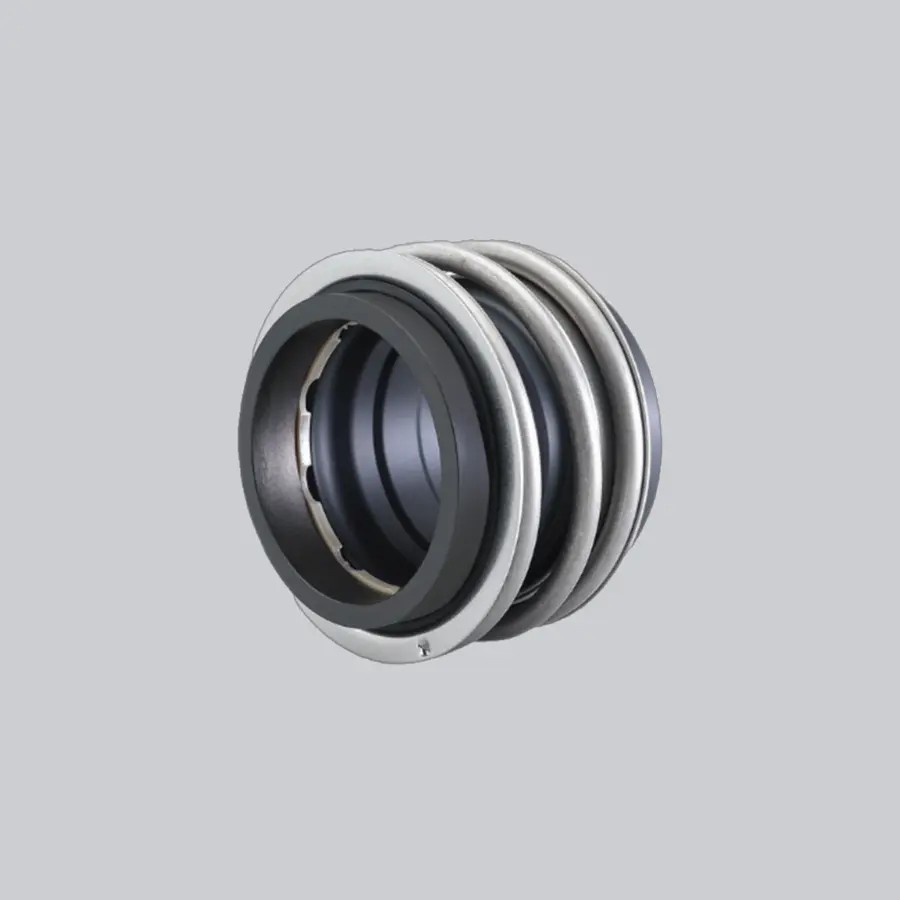
What is a mechanical seal?
A mechanical seal is a device that stops water or other fluids from leaking out of a pump. In water pumps, it makes a barrier between the spinning shaft and the pump casing. This barrier keeps fluid from leaking along the shaft. Engineers make mechanical seals to work in tough places like ships, mines, and chemical plants. Victor is a trusted company that makes mechanical seals for many jobs. These seals help pumps stay safe and last longer.
Mechanical seals do more than just stop leaks. They protect the pump from getting damaged and help the system work well. In factories, a mechanical seal is the first thing that stops fluid loss and equipment problems. It also helps the environment by stopping leaks before they happen.
Mechanical seals in centrifugal pumps are very exact devices. They keep fluid inside the pump and keep the system working right.
The main jobs of a mechanical seal in water pumps are:
- Stopping fluid from leaking out of the pump.
- Keeping the seal chamber steady.
- Giving cooling and oil to cut down friction and heat.
Mechanical seal types are different for each job. Some common types are balanced seals, unbalanced seals, pusher seals, non-pusher seals, conventional seals, cartridge seals, and double mechanical seals. Double mechanical seals have two sets of sealing faces for extra safety, especially in dangerous or high-pressure places.
Key components and structure
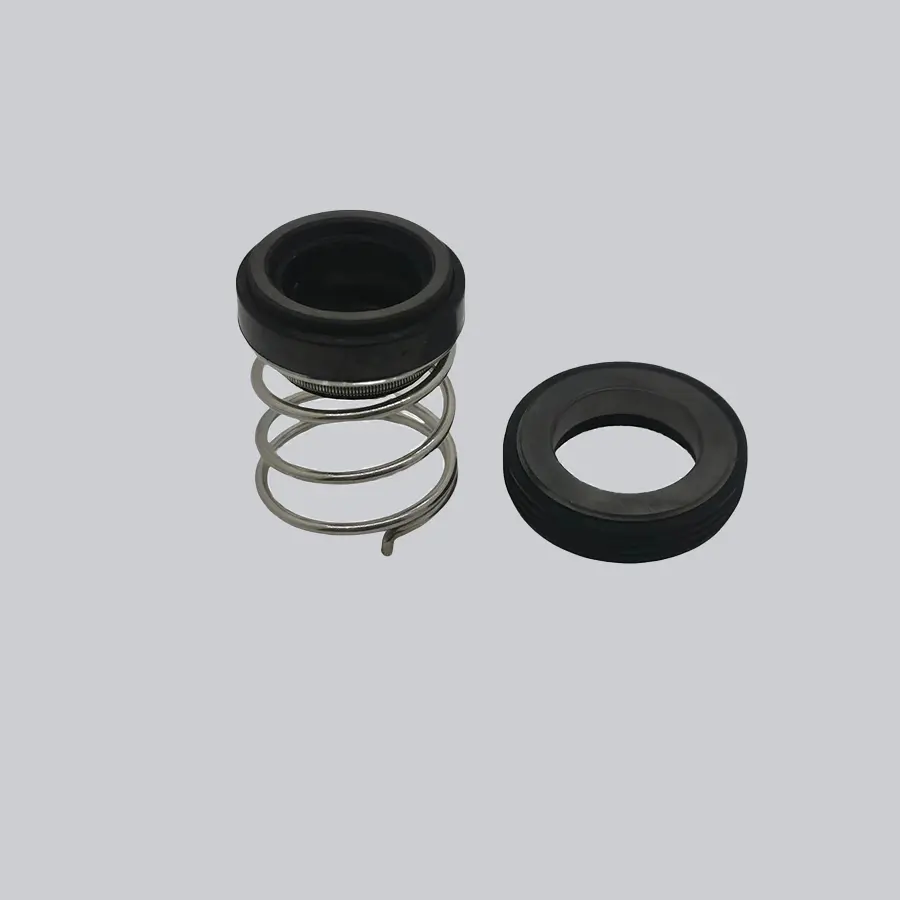
A mechanical seal has many important parts. Each part works together to stop leaks and keep the pump working well. The main parts are a stationary seal ring, a rotating seal ring, secondary seals like O-rings, a spring or bellows system, and a retainer or drive collar.
| Component | Contribution to Leak Prevention |
|---|---|
| Stationary Seal Ring (Seat) | Stays in one place in the pump and forms a sealing surface to stop leaks. |
| Rotating Seal Ring | Spins with the shaft and makes a tight seal against the stationary ring to stop fluid from escaping. |
| Secondary Seals (O-Rings) | Stop leaks around the rings and shaft and make a tight, flexible seal. |
| Spring or Bellows System | Keeps the seal faces touching, even when the pump gets hot or cold, to make sure it stays tight. |
| Retainer / Drive Collar | Holds the rotating ring on the shaft so it spins right and seals well. |
The stationary seal ring does not move and stays inside the pump. The rotating seal ring moves with the shaft. These two rings press together with very smooth surfaces. This makes a tight seal that blocks fluid from leaking out. Springs or bellows push the rings together, even if the pump gets hot or cold.
- The stationary ring gives a steady place for sealing.
- The rotating ring keeps the seal tight as it spins.
- O-rings and other seals fill small spaces.
- The spring or bellows pushes the rings together.
- The retainer or drive collar holds all the parts in place.
Double mechanical seals use two sets of these rings. This gives extra safety in hard or risky places.
Victor’s mechanical seals use strong materials and smart design. This helps them last longer and work well in many jobs. The way each seal is built makes sure pumps stay safe, work well, and do not leak.
Mechanical seal function in water pumps
How mechanical seals prevent leaks
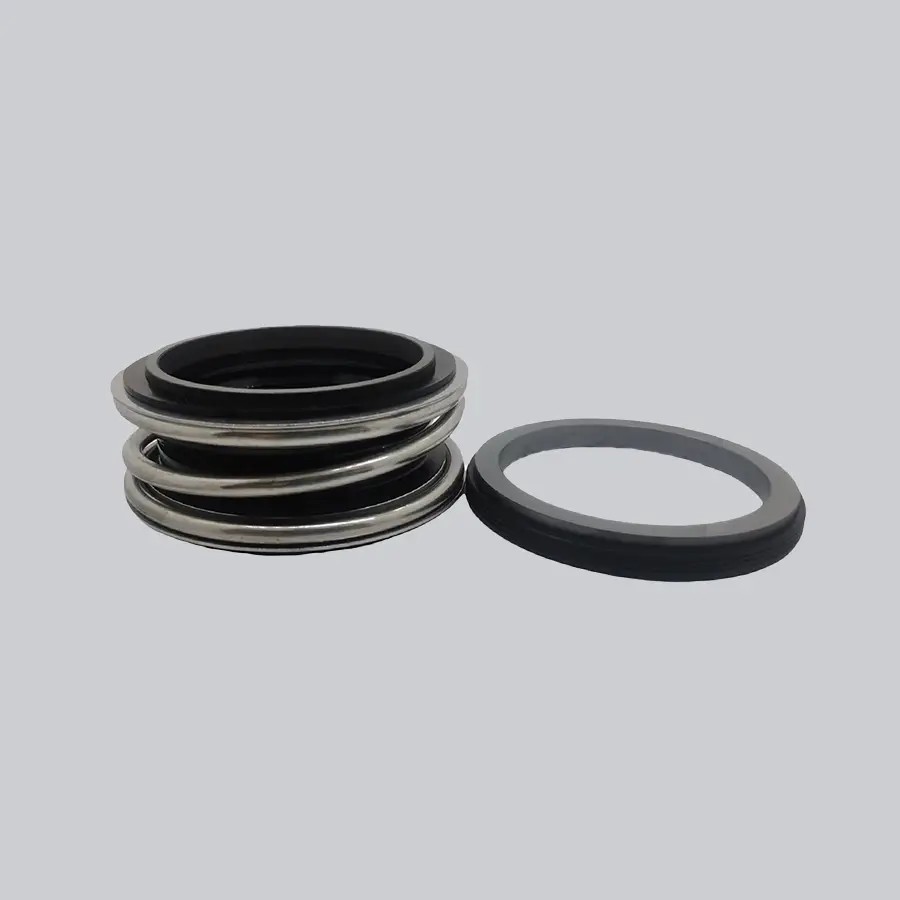
A mechanical seal makes a strong barrier between the moving shaft and the pump housing. This barrier keeps fluid from leaking out of the pump. The main parts are the stationary seal ring, rotating seal ring, secondary seals, spring or bellows system, and retainer or drive collar. Each part helps stop leaks in its own way.
| Component | Function |
|---|---|
| Stationary Seal Ring | Stays in the pump housing and is one of the sealing surfaces. |
| Rotating Seal Ring | Connects to the shaft, spins with it, and its smooth surface touches the stationary ring to make a tight seal. |
| Secondary Seals | Block leaks around the rings and shaft, making a tight and flexible seal. |
| Spring or Bellows System | Pushes the seal faces together so they stay in contact, even if the pump gets hot. |
| Retainer / Drive Collar | Holds the rotating ring on the shaft so it spins at the same time. |
Mechanical seals use springs to press two surfaces tightly together, maintaining a close fit. Only a thin fluid film separates them. This film is called a hydrodynamic membrane. It helps ensure smooth movement of the sealing faces and maintains a low temperature. Furthermore, the hydrodynamic membrane reduces friction and wear, thus extending the seal’s lifespan. Using different sealing face materials helps the seal function properly under various temperatures and pressures. By maintaining a tight seal and utilizing this membrane, mechanical seals prevent leaks and protect the pump.
Importance for pump performance
Mechanical seals are important for pumps to work safely and well. They stop leaks, so the pump keeps the right pressure and flow. This also keeps the fluid clean and blocks dirt from getting in. When a seal works right, it means fewer repairs and lower maintenance costs.
- Mechanical seals stop leaks, which helps water pumps work well.
- They lower repair costs because there are fewer problems.
- They work well in different conditions, so pumps run smoothly.
- Pump seals block fluids from leaking, which is important for the system.
- They keep dirt out, so water stays clean.
Mechanical seals also keep people and the environment safe. By stopping leaks, they prevent spills that could be harmful. Good seals make sure the pump system stays strong and works well, even in hard jobs.
Picking the right mechanical seal keeps the pump safe, protects the system, and helps everything run smoothly every day.
Mechanical seal support and selection
Choosing the right seal
Picking the best seal for a water pump takes careful thought. You need to look at a few important things. The right seal gives good support and lasts a long time. The table below lists what you should check:
| Factor | Description |
|---|---|
| Fluid Characteristics | See if the fluid is harsh or rough. Pick seal materials that fit these needs. |
| Operating Conditions | Think about pump type, shaft speed, and pressure. Choose a seal that works for these things. |
| Environmental Considerations | Make sure the seal can handle the temperature and follows safety rules. |
| Manufacturer Support | Work with a trusted company that gives good advice and many seal choices. |
Mechanical seal support systems must be matched to the characteristics of the fluid. The cleanliness, lubricity, or vaporization susceptibility of the fluid all influence seal design. High temperatures can damage some seals, while low temperatures can cause them to fail. Balanced seals are best suited for high-pressure applications. Mechanical seal support systems also help seals function properly in harsh environments.
A complete support system includes suitable seals, proper installation, and regular inspection. Victor assists numerous industries by providing support and helping customers select the most suitable seals for their applications.
Maintenance and troubleshooting
Good support for mechanical seals means taking care of them often. Maintenance keeps seals working and stops problems early. Here are some main tips for seal support systems:
- Do not let seals run dry. Always keep them wet.
- Stop too much shaking. Run pumps at the best speed.
- Use the right oil to keep a cool layer between seal faces.
- Put seals in the right way to stop them from being crooked.
Most pumps need checks every 3 to 6 months. Early signs of trouble are leaks, strange sounds, or changes in heat. If a seal breaks, do these steps:
- Check for deadheading and make sure fluid moves.
- Make sure the pump runs at the best speed.
- Look for dry running.
- Let out air trapped in the seal.
- Measure suction head to stop bubbles.
- Watch for changes in pressure or heat.
- Look for crooked or worn parts.
- Check O-rings and seal faces for damage.
- Review how the system is built and set up.
Mechanical seal support systems use sensors to watch heat and shaking. These tools help find problems early. Training workers is important for good seal support. Victor gives help and advice for picking, putting in, and taking care of seals.
Mechanical seals are very important for pumps. They help pumps stay safe and work well. Seals stop leaks and protect the system. Many industries use them because they are reliable. The table below explains why seals are needed:
| Standard | Description | Importance |
|---|---|---|
| API Standard 682 | Makes rules for seals in oil and gas pumps | Decides how seals are made and how much they leak |
| ASME Guidelines | Gives steps for safe pump assembly | Helps seals work safely |
| ISO Guidelines | Sets safety rules for the whole world | Keeps people and nature safe |
To keep seals working, operators must keep them clean. They should use the right fluids and check if everything lines up. Many people pick Victor for help and good seals.
FAQ
What does a mechanical seal do in a water pump?
A mechanical seal keeps water inside the pump. It blocks fluid from leaking out along the shaft. This helps the pump work safely and last longer.
How often should someone check a pump seal?
People should check the seal every three to six months. Regular checks help find problems early and keep the pump running well.
Can a seal stop all leakage?
A seal can stop almost all leakage. A very thin film of fluid may stay between the seal faces. This film helps cool and protect the seal.
Why do some pumps use double mechanical seals?
Double mechanical seals give extra safety. They work well in dangerous or high-pressure places. These seals help prevent leaks if one seal fails.
What happens if a seal support system fails?
If a seal support system fails, the pump may leak. This can cause damage or stop the pump from working. Quick repairs help avoid bigger problems.