Dry running is the main reason mechanical seals fail. If a seal works without enough lubrication, it gets hot fast. This heat causes the seal face to wear out or crack quickly. Dry running causes 15% of early seal face cracks. Bad installation, like misalignment or contamination, is also important. The table below shows how these mistakes cause problems:
| Error Type | Description | Results |
|---|---|---|
| Installation Errors | Misalignment, over-tightening, contamination, poor lubrication | Vibration, uneven wear, leakage, overheating |
| Operational Errors | Dry running without enough lubrication | Overheating, rapid wear, seal face cracking |
Finding these issues early can stop expensive downtime and equipment harm.
Key Takeaways
- Dry running is the main reason mechanical seals fail. Always make sure there is enough lubrication. This helps stop overheating and damage.
- If you install it wrong, it can get misaligned or dirty. Follow the right steps when you install it. This helps stop the seal from failing early.
- Regular maintenance is very important. Look for leaks, shaking, and strange noises. This helps you find problems before they get worse.
- Picking the right mechanical seal is very important. Think about if the materials work well together. Also, think about how the seal will be used. This helps the seal last longer.
- Teach your team about maintenance. Training helps workers spot early signs of seal failure. It also helps them take care of equipment better.
Common Causes of Mechanical Seal Failure
Dry Running as the Main Cause
Dry running is the top reason mechanical seals fail in pumps. This happens when there is not enough fluid between the seal faces. Without enough lubrication, friction gets worse and heat builds up fast. The seal faces can crack or wear out quickly.
- Dry running can happen if the fluid temperature changes, more particles are present, or cooling is not enough.
- Changes in pumping pressure and not enough barrier fluid flow also cause dry running.
When dry running happens, the inside parts of the mechanical seal touch metal to metal. This makes heat that can go past what the seal can handle. Operators may see fast wear, leaks, or even big failures if the pump keeps running dry.
Tip: Always check fluid levels and cooling systems before starting pumps to stop dry running.
Improper Installation and Alignment
Improper installation is another big reason mechanical seals fail. Many mistakes during installation can cause early failure, like contamination, misalignment, and over-tightening. The table below shows common installation mistakes and their effects:
| Installation Error | Description |
|---|---|
| Improper Installation | Wrong installation can cause misalignment, leading to early wear and leaks. |
| Contamination | Dirt or other particles in the fluid can cause fast wear of the seal faces. |
| Dry Running | Running without enough lubrication can cause overheating and quick wear of the seal faces. |
| Vibration and Misalignment | Too much vibration can mess up the seal, causing wear and failure. |
| Lack of Maintenance | Not doing regular maintenance can lead to seal failures. |
Misalignment can make a mechanical seal last less time. It causes uneven wear on the seal faces and makes leaks more likely. Safety problems can happen if alignment is wrong.
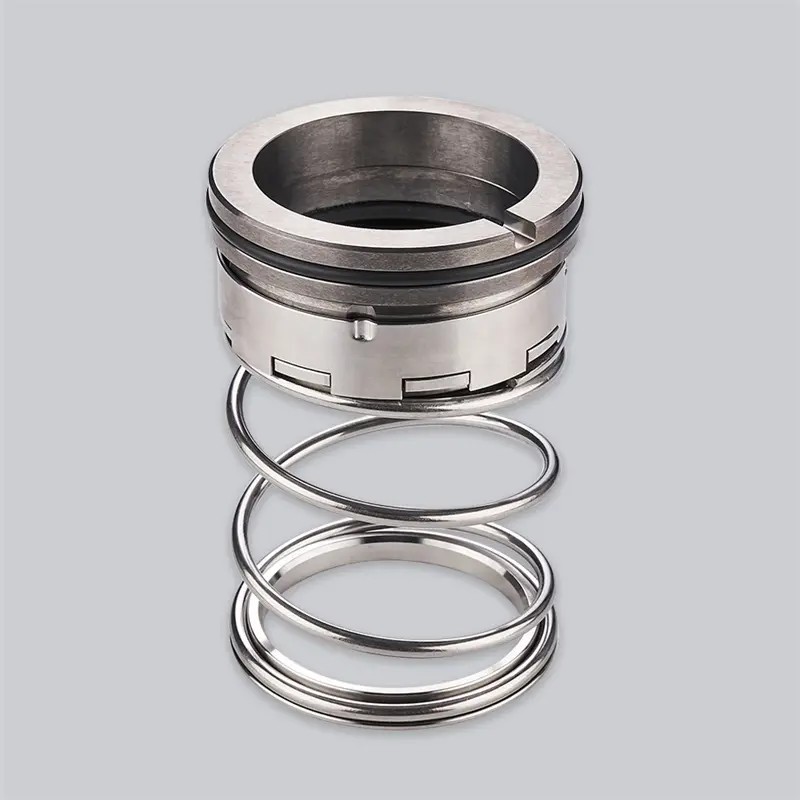
Victor Mechanical Seals help lower installation mistakes because they are made for easy and correct installation. Their pre-assembled cartridge seals cut downtime and reduce the chance of errors.
Other Contributing Factors
Other things can cause mechanical seal failure. These include contamination, chemical incompatibility, design mistakes, and tough operating conditions.
- Chemical and electrochemical corrosion can make a mechanical seal not last as long.
- Stress corrosion can crack metals under stress in bad environments.
- Abrasive wear happens when hard particles in the fluid rub against the seal faces, causing leaks.
- Physical properties of fluids, like viscosity and specific gravity, affect how seals work.
Operating conditions like high pressure or sudden temperature changes can also hurt seals. For example, high pressure can bend seal faces, while temperature changes can warp or break materials.
Note: Picking the right seal material and design for the job helps stop many failures.
Mechanical seals will fail over time from aging and normal wear. Doing regular maintenance and picking the right seals, like those from Victor, can make pumps last longer and stop surprise downtime.
Signs and Consequences of Mechanical Seal Failure
Common Signs of Seal Leakage
Mechanical seal failure gives clear warning signs. Operators need to look for these signs to stop more damage:
- Leakage: Fluid comes out from the seal area. This is the easiest sign to see.
- Overheating: The area near the seal feels hot. This happens because of friction or not enough lubrication.
- Vibration: Pumps shake or move too much. This can mean there is too much vibration or the parts are not lined up right.
- Rapid wear of components: Parts wear out faster than normal. This is often because the seal wears out or the seal face gets damaged.
- Deep grooves on the seal face: Grooves show up when there is not enough lubrication or when rough materials are in the fluid.
- Uneven wear patterns: Too much tightening or pressure can cause this problem.
- O-ring or gasket failures: These parts break often and cause leaks.
- Dirt or contaminants: Dirt or other things can damage the seal face and make leaks.
- Design flaws: Bad design can also cause leaks.
Regular checks help find these signs early. If problems are found early, maintenance teams can fix them before big damage happens.
Effects of Mechanical Seal Failure
If seal failure signs are ignored, big problems can happen for equipment and business. The table below shows the main effects:
| Consequence | Description |
|---|---|
| Increased production downtime | Seal failure stops production and causes delays. |
| Higher maintenance and replacement costs | More failures mean more repairs and higher costs. |
| Process fluid loss | Leaks waste important fluids and hurt operations. |
| Potential environmental contamination | Leaked fluids can harm the environment. |
| Safety hazards | Systems with dangerous fluids become unsafe when seals fail. |
If seal problems are not fixed, money can be lost. Replacing seals can cost $800 to $3,000. Product contamination can happen. Fines and complaints may come if leaks are not fixed. Operators should fix seal leaks fast to stop more damage and costs.
Preventing Mechanical Seal Failure
Proper Installation Steps
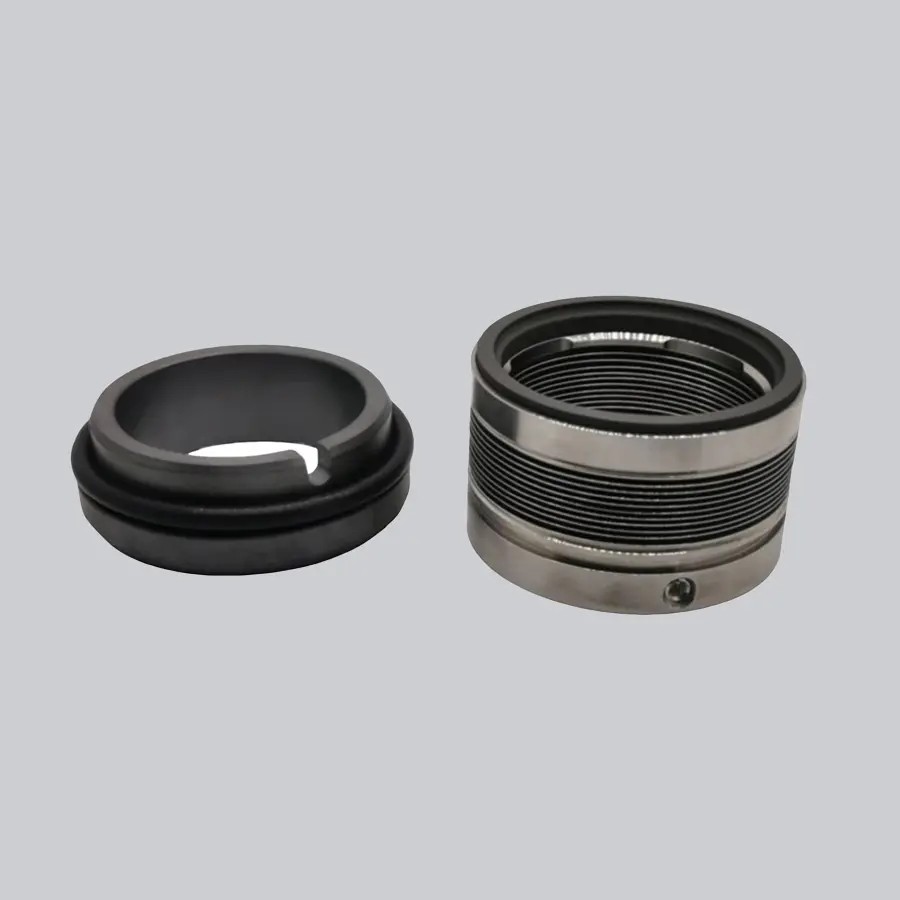
Doing the right steps when installing helps stop seal failure. Experts say to follow these steps:
- Clean the shaft, sleeve, and gland area. This keeps out dirt and stops scratches.
- Make sure the shaft is straight and not bent. If it is not straight, it can shake and wear out fast.
- Put the right lubricant on O-rings and elastomers. This stops them from tearing and keeps them slippery.
- Be gentle with seal faces. These parts are very exact and need careful handling.
- Tighten the gland plate in a crisscross way. Use the right amount of force so it does not leak.
- Flush the system before you start it. This gets rid of dirt that could scratch the seal.
- Fill the seal chamber with liquid before turning it on. This keeps the seal from running dry.
- Watch the system when you start it. Look for leaks or shaking.
Doing these steps helps stop mistakes and keeps seals from failing.
Victor Mechanical Seals have cartridge designs that are already put together. This makes putting them in easier and helps keep them lined up right.
Maintenance and Operation Tips
Checking and caring for seals often helps them last longer. Teams should:
- Look for leaks, strange sounds, and shaking every day.
- Check bolts, oil, and alignment every three months.
- Test pump power and pressure once a year.
- Do not let the seal run dry or use the wrong oil.
- Follow a plan for regular care so nothing is missed.
- Check the fluid to find dirt or other problems.
- Teach workers to see when care is missing.
A good care plan helps fix problems and keeps seals working well.
Choosing the Right Mechanical Seal
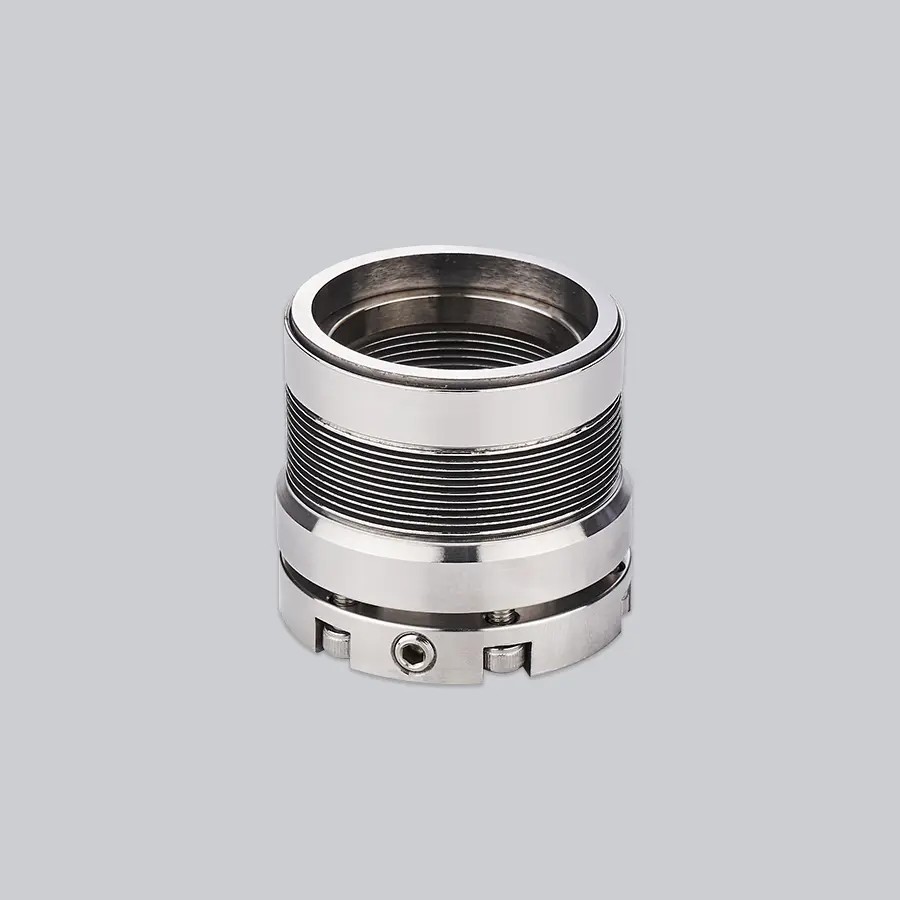
Picking the best seal for the job helps stop failures. Teams should think about:
| Criteria | Description |
|---|---|
| Material Compatibility | Make sure seal materials work with the chemicals used. |
| Operating Conditions | Check how hot, how much pressure, and how fast the shaft goes. |
| Seal Configuration | Pick a seal that fits the space you have. |
| Maintenance Factors | Cartridge seals are easier and safer to put in. |
| Fluid Characteristics | Choose materials that do not rust or wear out fast. |
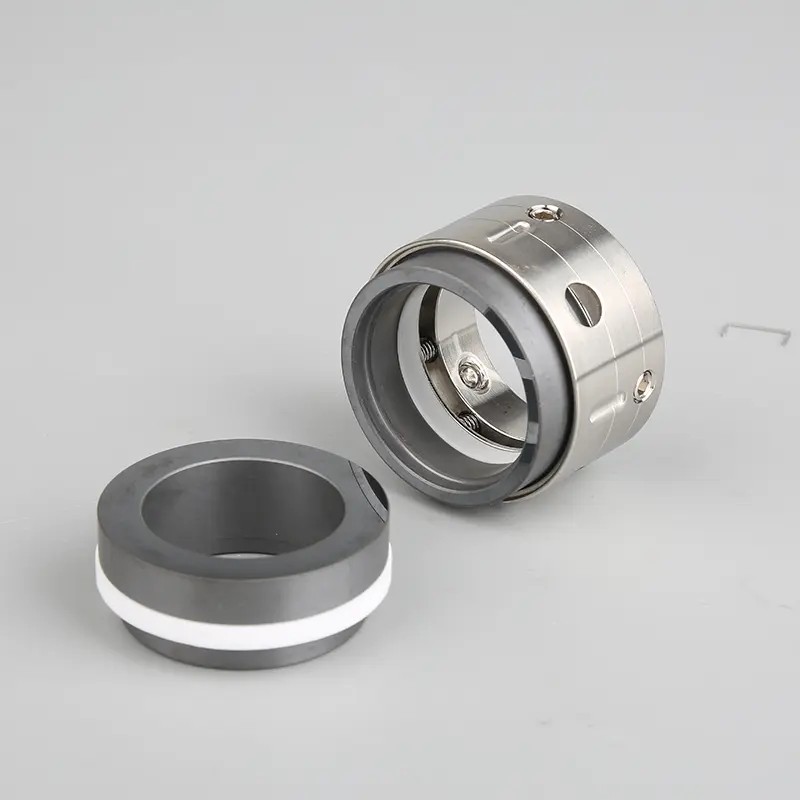
Victor Mechanical Seals have many choices for different jobs. Their seals are easy to put in and work well in many places.
FAQ
What is dry running in a mechanical seal?
Dry running means the seal faces do not get enough fluid. This makes friction go up and heat builds fast. The seal can wear out quickly or even crack.
How can operators prevent mechanical seal support failure?
Operators need to check fluid levels and cooling systems often. They should follow all steps when installing and do regular maintenance. These steps help stop mechanical seal support failure.
Why does improper installation cause seal problems?
If a seal is not put in right, it can be misaligned or too tight. Dirt can also get in. These mistakes make the seal shake, leak, or wear out early.
What is a mechanical seal support system?
A mechanical seal support system keeps seals cool and lubricated. It gives barrier fluid and takes away heat. This helps protect seals from damage.
How often should mechanical seals be checked?
Operators should look at seals every day for leaks, noise, or shaking. Checking often helps find problems early and keeps equipment safe.
Tip: Teaching workers to see early signs of failure helps seals last longer.