Shaft seals prevent fluid leakage, thus protecting the pump’s moving parts from damage. They also prevent foreign objects from entering the pump. Choosing the right shaft seal is crucial, helping to extend pump life and save on maintenance costs. High-quality shaft seals can prevent prolonged downtime, which can result in losses of thousands of dollars. High-strength shaft seal materials can extend pump life by up to 50% and improve system reliability.
Key Takeaways
- Pump shaft seal prevent leaks, protect fluid from leakage, and safeguard various pump components.
- Choosing the right shaft seal helps extend pump life by up to 50% and significantly reduces maintenance costs.
- Regular maintenance of shaft seals helps prevent malfunctions and ensures optimal pump operation.
- There are many types of water pump seals, including mechanical seals and packing seals. Each type has its optimal application.
- Purchasing high-quality shaft seals can save on maintenance costs. It also allows the entire system to operate better.
Shaft Sealing Function

Shaft Sealing Preventing Leakage
Shaft seals are crucial for preventing pump leaks. It is located at the connection between the rotating shaft and the pump body. Leaks frequently occur at this location. Shaft seals form a tight barrier to prevent fluid leakage. They also seal gaps to prevent fluid escape.
Many pumps require shaft seals to function properly. If fluid leaks, the pump loses fluid and energy. This leads to increased costs and decreased performance. Shaft seals keep lubricant within the pump, ensuring smooth operation of moving parts.
Leaks can occur when seals wear, during dry running, or when subjected to shocks and vibrations. Pressure changes can also cause leaks. Shaft seals address these issues. They prevent seal damage and shaft misalignment. Pump seals reduce friction and resistance, thus saving energy.
Shaft seals prevent leakage at the connection between the shaft and the pump body. Even under high pressure, they form a strong seal. This helps extend the pump’s lifespan and improve its operating efficiency.
Choosing the right shaft seal can prevent leaks early. Pump seals help reduce maintenance, saving costs. They ensure good pump operation and help avoid costly downtime.
- Shaft seals:
- Prevent fluid leakage and retain process fluid within the pump.
- Maintain lubricant within the pump.
- Reduce maintenance costs.
- Save energy.
- Form a tight seal in high-pressure pumps.
Shaft Sealing Protecting Pump Components
Shaft seals do much more than just prevent leakage. They also protect the pump’s internal components. If fluid leaks, they can damage bearings and moving parts. Shaft seals prevent harmful fluids from contacting these components. They also prevent dust, dirt, and other foreign matter from entering.
Pump seals help maintain the proper functioning of internal components. They keep the pump clean and lubricated. This extends pump life and reduces failures. Shaft seals also reduce friction and heat, resulting in lower pump operating temperatures and a longer service life.
- Shaft seals:
- Protect bearings from damage and corrosion.
- Prevent dust and dirt from entering.
- Maintain lubrication of moving parts.
- Reduce friction and heat generation.
- Help the pump operate more efficiently and with better quality.
Pump seals use structures such as stuffing boxes or mechanical seals to prevent dirt from entering. These systems are essential for the safe and efficient operation of a pump. Shaft seals help the pump maintain stable flow and pressure.
Shaft seals are crucial for ensuring the safe and proper operation of a pump. They protect internal components and help the pump perform its work.
Robust shaft seals mean fewer maintenance visits and a longer pump life. Even under harsh conditions, pump seals help keep the pump clean and operate well.
Types of Shaft Sealing

Pumps use different types of seals to prevent fluid leakage and protect their components. The main types include mechanical seals, packing seals, and lip seals. Each type of seal performs optimally under specific conditions.
Mechanical Seals
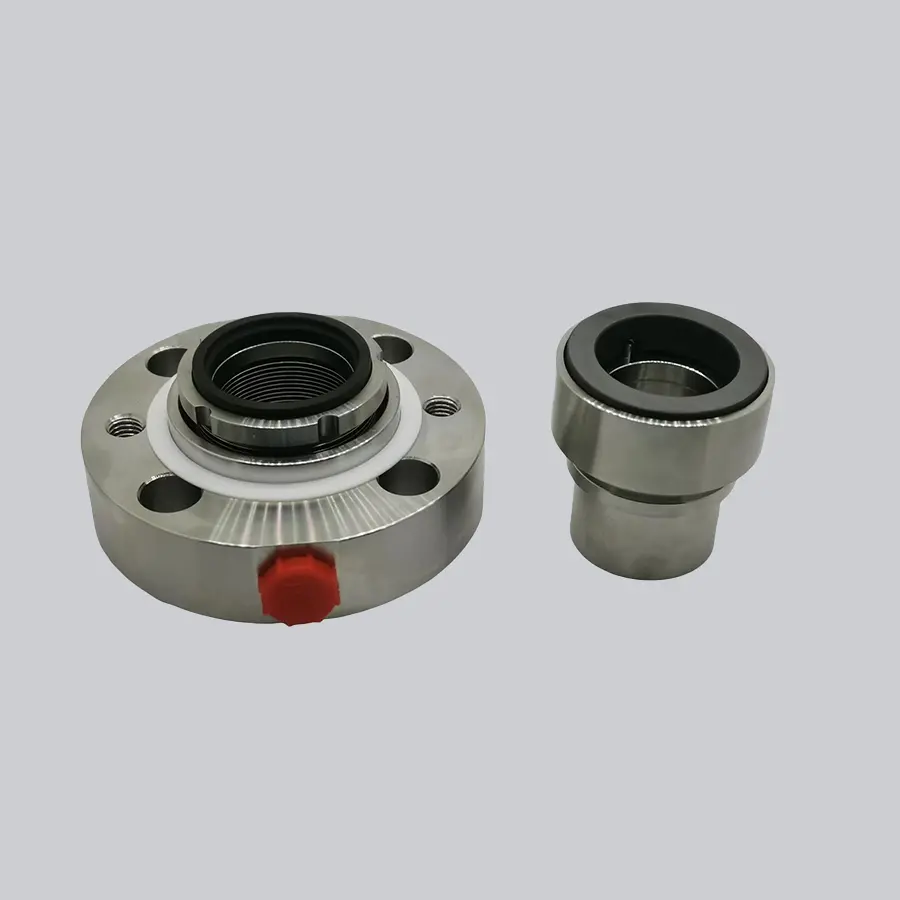
Mechanical seals utilize two planes (one rotating, one stationary) to prevent leakage. These seals perform exceptionally well in harsh environments such as chemical plants or oil refineries. Victor manufactures mechanical seals that meet high industry standards such as DIN24960 and ISO3069. Their seals have passed rigorous CTB testing, demonstrating excellent thermal stability and long service life. Victor also provides OEM seals for special pumps, helping customers maintain warranties and meet compliance requirements. Their prices are approximately 10% lower than other brands, making them a smart choice for many businesses.
Mechanical seals come in various types. Some are cassette seals, easy to install and maintain. Some are modular seals, requiring skilled workers to assemble. Airtight seals use air to prevent leakage. The following table lists some types of mechanical seals:
| Type of Mechanical Seal | Description |
|---|---|
| Cartridge | Self-contained, easy to install and maintain. |
| Component | Needs expert installation, separate parts. |
| Air | Uses air to create a seal. |
Mechanical seals can be balanced or unbalanced. Balanced seals can withstand high pressure. Unbalanced seals are less expensive but best suited for low-pressure environments. Some seals use springs, while others do not. Victor uses high-strength materials such as carbon, ceramics, and PTFE to ensure the durability of its seals even in corrosive fluids.
Packing Seals
Stuffing seals, also known as gland packing, use a soft material wrapped around the shaft. Gland packing is easy to install and replace. While the initial cost is lower, it requires regular inspection and adjustment. Gland packing must allow a small amount of fluid to drip slowly to maintain cooling and lubrication. This means there will always be some fluid leakage. Gland packing is readily available and suitable for many pumps, but the long-term cost can be higher.
| Advantages | Limitations |
|---|---|
| Lower upfront cost | Needs regular checks and adjustments |
| Easy to install and replace | Must allow a slow drip for cooling |
| Available and simple | Area around pump may get wet from leaks |
Lip Seals
Lip seals use a flexible lip that contacts the shaft. These seals are suitable for low-pressure applications. Lip seals are less expensive but wear out faster. They require frequent replacement, which increases long-term costs. Lip seals work best in clean, low-speed pumps. At high speeds, sealing becomes more difficult, and leaks may occur.
Choosing the right seal type helps extend pump life and improve its operating efficiency. Each type of seal has its own advantages and optimal uses.
Benefits of Shaft Sealing

Equipment Longevity
Shaft seals extend pump life by preventing fluid leakage. They also prevent dust ingress. This protects moving parts and prevents rust. Many studies have shown that pumps equipped with good shaft seals have lower failure rates. O-rings prevent leaks and improve pump reliability. They help pumps operate in harsh environments such as mines or chemical plants. Adding new shaft seals to older pumps can extend their lifespan and improve their performance.
| Case Study | Key Findings |
|---|---|
| Pump Reliability and Leak Prevention | O-rings prevent leaks, improving pump reliability. |
| Energy Efficiency and Environmental Impact | Lower friction results in lower pump energy consumption, contributing to environmental protection. |
| Maintenance Cost Reduction | Longer seal lifespan means fewer maintenance visits and less downtime. |
| Performance Optimization in Extreme Conditions | Special O-ring seals help pumps work well in tough places. |
| Seal Retrofitting and Upgrading | New O-rings extend pump lifespan and improve their performance. |
Shaft Sealing Reduced Maintenance
A better shaft seal means fewer pump maintenance visits. Pumps equipped with higher-quality shaft seals require less maintenance and fewer spare parts. High-quality shaft seals can reduce maintenance costs by up to 70%. Many places recoup their costs within one to three years after an upgrade. Some water plants now replace shaft seals every four years instead of annually. This saves costs and extends pump lifespan.
- High-quality shaft seals can save 30% to 70% on maintenance costs.
- Water pumps require less frequent maintenance.
- Fewer spare parts are needed, and less work is required.
- Water plants now replace shaft seals every four years.
- Annual maintenance costs have decreased by 75%.
Efficiency Improvement
Shaft seals help improve the operating efficiency of water pumps. They prevent leaks and reduce friction. This means the pump consumes less energy. Inferior shaft seals result in significant financial waste every year. New shaft seals require no additional cooling. This saves both energy and money. High-quality shaft seals also prevent leaks that could harm the environment. Mechanical seals keep fluid inside the pump, making it safer and more reliable.
Pumps equipped with high-quality shaft seals operate more efficiently, have a longer service life, and contribute to environmental protection.
Choosing a Shaft Sealing
Shaft Sealing Application Factors
Choosing the right shaft seal for a pump is crucial for safety and performance. Many factors influence shaft seal selection. The table below lists factors engineers should consider when selecting a shaft seal for a pump handling corrosive or abrasive fluids:
| Factor | Description |
|---|---|
| Operating conditions | Check temperature, pressure, shaft speed, and fluid density. These factors affect the lifespan of the shaft seal. |
| Fluid compatibility | Ensure the shaft seal material is compatible with the fluid. This prevents damage or chemical reactions. Check the fluid’s pH, viscosity, and composition. |
| Seal material compatibility | Understand the reaction of the shaft seal material with the fluid. Comply with safety and health regulations. |
| Thermal expansion | Consider how the shaft seal and pump shaft expand or contract when heated. This helps prevent leaks or additional wear. |
| Leakage tolerance | Determine the acceptable leakage rate. Some operations require very tight control over the shaft seal. |
| Cost and life cycle | Consider the maintenance costs of the shaft seal. Choose a shaft seal that saves both money and time. |
| Pump type | Understand the type of pump you are using. Each pump requires a specific shaft seal. |
Temperature and pressure also play a crucial role. High temperatures can cause shaft seals to harden or crack. Pressure variations can lead to leaks. A suitable shaft seal can withstand these stresses. Understanding the operating environment helps in selecting the most suitable shaft seal for your pump. International standards may also impose limits on leakage. Some operations, such as the oil and gas industry, require shaft seals that meet stringent safety standards.
Shaft Sealing Maintenance Tips
Keeping shaft seals in good condition helps extend pump life. Good maintenance prevents leaks and saves costs. Here are some shaft seal maintenance tips:
- Install the shaft seal carefully. Use appropriate tools and follow the manufacturer’s instructions. Improper installation can lead to premature shaft seal failure.
- Check that the shaft seal material is compatible with the fluid, temperature, and pressure. This prevents expansion or rupture.
- Operate the pump at the appropriate pressure, temperature, and speed. This prevents premature wear of the shaft seal.
- Properly lubricate the shaft seal. The fluid inside the pump usually keeps the shaft seal cool and flowing smoothly.
- Regularly inspect the shaft seal. Look for leaks, overheating, or unusual noises.
- Use sensors to monitor vibration, temperature, and pressure. This helps detect problems early.
- Operate the pump under optimal conditions whenever possible. This reduces vibration and helps extend the life of the shaft seal.
Early signs of shaft seal failure include unusual noises, high temperatures, or a sudden drop in flow. Addressing these issues early can prevent major failures. Predictive maintenance, such as regular inspections and expert assistance, can reduce costs and downtime. A good plan can save up to 30% on maintenance costs and improve pump reliability. Using the correct sealing technology and following these steps will help ensure the fluid pump seals properly and ensure smooth pump operation.
Shaft seals are crucial to pump performance. High-quality shaft seals, such as those from Victor, adhere to stringent industry standards and have a long service life. The table below shows the expected service life of different mechanical seals:
| Type of Mechanical Seal | Expected Lifespan Range |
|---|---|
| Single Spring | 1 – 2 years |
| Cartridge | 2 – 4 years |
| Bellows | 3 – 5 years |
Experts can help you choose the best shaft seal for your pump. Their advice helps improve pump operating efficiency and extend its service life.
Choosing the right shaft seal and consulting with experts can improve pump operating efficiency and extend its service life.
FAQ
What is the function of a shaft seal in a pump?
The function of a shaft seal is to prevent fluid leakage into the pump. It stops leakage at the point where the shaft extends from the pump body. This helps the pump operate efficiently and extends its service life.
How often should a shaft seal be replaced?
Most shaft seals have a service life of one to five years. The specific time depends on the type of pump, the fluid, and the frequency of pump operation. Regular inspections help detect problems early.
Can a shaft seal withstand high pressure?
Many mechanical seals, such as those from Victor, can withstand high pressure. The type and material of the seal determine the pressure it can withstand. Always check the pump’s requirements before selecting a seal.
Why do shaft seals fail?
Shaft seal failure can be caused by wear, high temperatures, or improper installation. Dust and corrosive fluids can also cause damage. Regular maintenance helps prevent premature failure.
Are all shaft seals the same size?
No, shaft seals come in a variety of sizes and shapes. Each pump requires a specific seal. Always consult the pump’s instruction manual or an expert before purchasing new seals.