
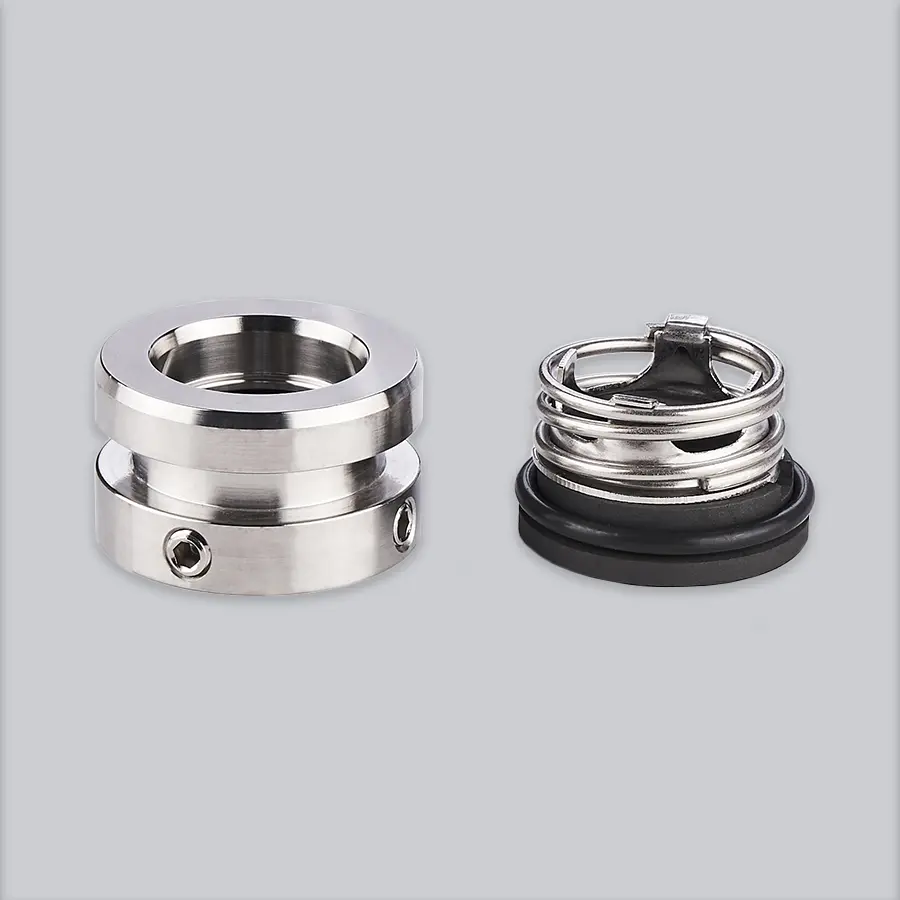
In any centrifugal pump or piece of rotating equipment, the component that creates the dynamic seal barrier is known as the rotating face—also called the primary ring or rotary portion. It mounts directly to the pump shaft and spins with it. While a mechanical seal always consists of two main elements (one stationary, one rotating), it is the rotating face that bears the responsibility of maintaining a leak‑tight interface against the stationary seat under constant motion.
This article explains the function, materials, and maintenance of the rotating face. Understanding this part is essential for preventing costly leaks and extending pump reliability.
Key Takeaways
- Core Function: The rotating face (primary ring) spins with the shaft and presses against a stationary face to create a tight, dynamic seal.
- Material Selection Matters: Carbon graphite, silicon carbide, and tungsten carbide each suit different fluids and operating conditions.
- Precision Is Everything: Surface flatness measured in light‑bands determines whether the seal leaks or lasts.
- Maintenance Reduces Downtime: Regular inspection for wear, proper alignment, and clean lubrication are vital.
- Quality Parts Pay Off: Using precision‑manufactured spare parts, such as those from Victor, improves pump efficiency and lowers long‑term repair costs.
Rotating Part in a Mechanical Seal
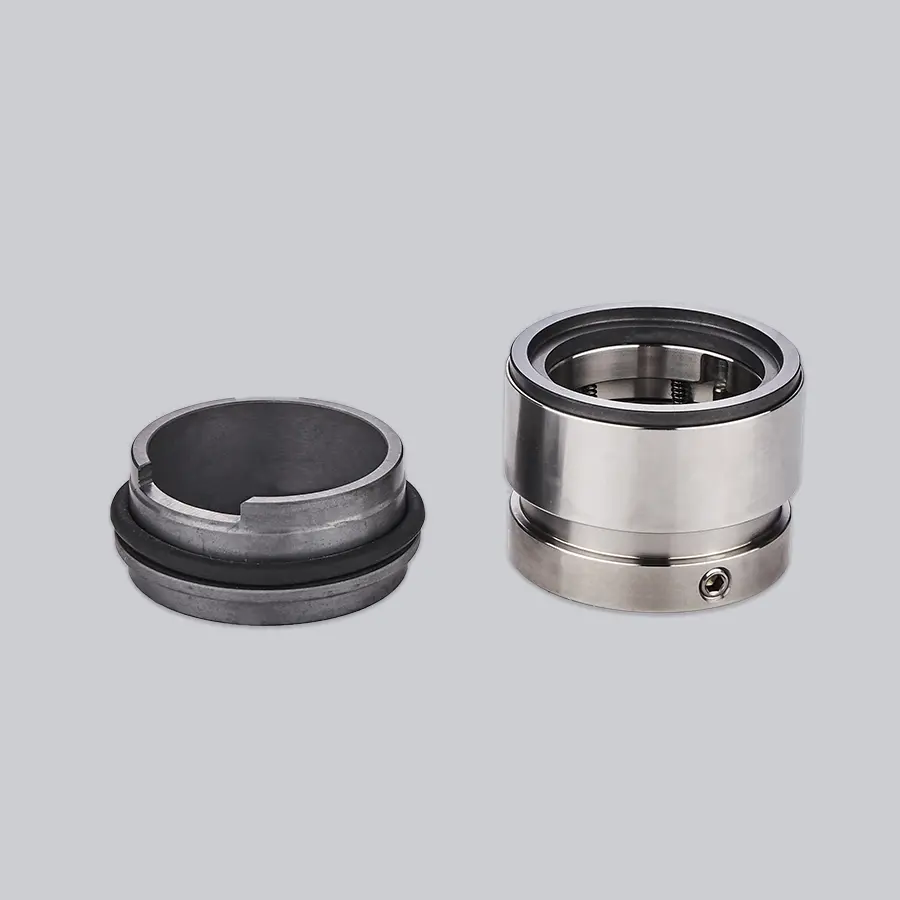
Definition and Terminology
The rotating element is formally designated the rotating face or primary ring. It attaches to the shaft and turns at the same speed. Its sole purpose is to maintain continuous contact with the stationary face, thereby preventing process fluid from escaping along the shaft.
- Attached to the shaft: rotates synchronously.
- Works against the stationary face: forms the primary sealing interface.
- Also called: rotary portion, primary ring.
In an end‑face mechanical seal, the rotating face resides inside the seal chamber. This modern design outperforms traditional gland packing by offering far lower maintenance and leakage rates.
Key Features
The rotating face possesses several critical characteristics that enable reliable sealing.
| Characteristic | Description |
|---|---|
| Surface Type | Flat or slightly curved face that spins against a stationary counterpart. |
| Precision Machining | Flatness typically held within 2–3 Helium light‑bands (0.00003” / 0.0008 mm). |
| Lubrication Requirement | Requires a stable fluid film to prevent friction and overheating. |
Tip: The fluid film between the faces is a delicate balance. Too thick, and the seal leaks. Too thin, and the faces overheat and wear rapidly.
The rotating and stationary faces together form a nearly frictionless barrier. The quality of machining on the rotating face directly impacts seal longevity and pump uptime.
Structure and Materials
Common Materials Used
Manufacturers select rotating face materials based on fluid chemistry, temperature, and pressure. The most common choices are:
- Carbon Graphite: Self‑lubricating and corrosion‑resistant. Ideal for general‑purpose pumps.
- Tungsten Carbide: Extremely tough and shock‑resistant. Excellent for abrasive slurries or vibration.
- Silicon Carbide: Very hard with superior chemical resistance. Preferred for harsh environments.
- Ceramic (Aluminum Oxide): Economical option for light‑duty, moderate temperature applications.
Note: The correct material depends entirely on the specific pump and fluid. Victor offers a wide range of OEM‑grade materials and can assist in selecting the optimal grade for your application.
Design and Sealing Methods
The rotating face is engineered to fit precisely against the stationary seat. This close contact creates a microscopic gap that minimizes leakage while reducing friction. For the seal to perform correctly, the shaft must run true—excessive runout or vibration will compromise the face flatness.
Proper installation is non‑negotiable. The mounting surface must be perpendicular to the shaft axis. Unlike gland packing, which requires frequent adjustment, a correctly installed mechanical seal demands minimal intervention.
Victor provides custom and OEM mechanical seal components for numerous pump brands, including:
- IMO Pump Mechanical Seals
- Alfa Laval Pump Seals
- Grundfos Pump Seals
- APV Pump Seals
- Flygt Pump Seals
- Fristam Pump Seals
- Lowara Pump Seals
- Allweiler Pump Seals
- Other Pump Seals
Function and Interaction
How the Rotating Face Works
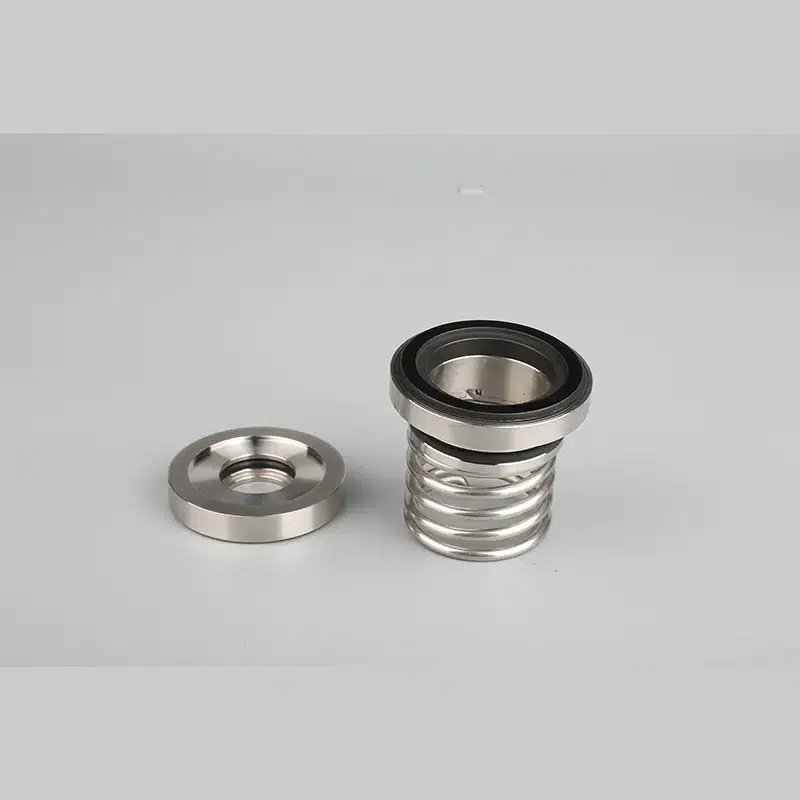
Housed within the seal chamber, the rotating face is driven directly by the shaft. A spring mechanism or metal bellows applies a controlled axial load, keeping the rotating face pressed gently against the stationary face—even during minor shaft movements or thermal expansion. Hydraulic pressure from the sealed fluid further assists this closure force.
A thin hydrodynamic film of the process fluid develops between the faces. This film lubricates the interface, carries away heat, and ultimately governs the seal’s lifespan. The surface micro‑topography of the rotating face plays a decisive role: wear over time alters this texture, which can gradually change sealing effectiveness.
Interaction with Stationary Face
The stationary face is fixed within the pump housing. The rotating face slides against it to create the primary seal. A spring ensures constant contact, while the fluid film prevents metal‑to‑metal rubbing. This configuration is far more reliable than compression packing because it does not rely on operator adjustment to control leakage.
Why Rotating Face Performance Matters
Preventing Leaks
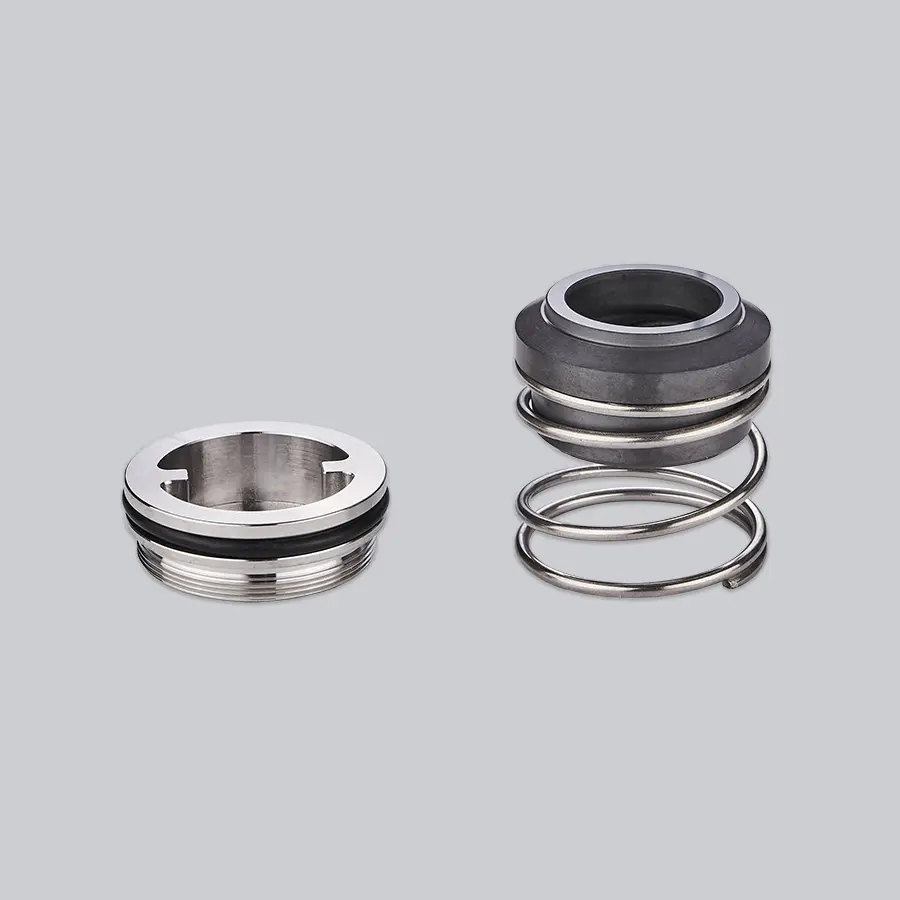
The rotating face is the first line of defense against fluid loss. When pressed against the stationary face with proper flatness, it forms a barrier that confines the pumped liquid. The balance ratio—the relationship between hydraulic closing force and opening force—determines the thickness of the fluid film and the seal’s leak rate. Balanced seals generally exhibit greater stability.
Key design features that reduce leaks include:
- Balanced Seal Geometry: Maintains a more consistent film thickness.
- Monolithic Seal Faces: Minimize distortion under pressure.
- Non‑Fretting Designs: Prevent erosive grooves that lead to leakage paths.
Using precision‑manufactured rotating faces—such as those supplied by Victor—ensures the surface flatness required to sustain that critical lubricating film. This lowers friction, reduces heat generation, and extends service intervals.
Reliability and Maintenance
Seal reliability hinges on the quality of the rotating face. A precisely lapped face reduces wear and lowers the probability of unscheduled pump failure.
To maximize seal life, operators should adhere to these practices:
- Keep seal faces clean and cool.
- Verify shaft alignment and runout.
- Use an appropriate barrier or buffer fluid when required.
- Monitor for vibration, temperature spikes, or visible leakage.
- Replace worn components promptly with high‑quality spares.
Well‑maintained rotating faces consume less energy and incur fewer repairs over the pump’s lifetime. This reduces both operating costs and environmental impact.
Conclusion
The rotating face is the heart of an end‑face mechanical seal. It stops leaks and keeps pumps running smoothly far more effectively than traditional gland packing. Using precision spare parts—like those manufactured by Victor—extends pump life and improves overall efficiency. Many seal failures trace back to improper installation, contamination, or chemical attack. Newer seal designs incorporate ultra‑flat faces and advanced materials like silicon carbide to minimize friction and conserve energy. Routine inspection and careful installation are the most effective ways to prevent problems before they occur.
FAQ
What is the main job of the rotating face in a mechanical seal?
The rotating face spins with the pump shaft and presses against the stationary face. This action creates a dynamic seal that keeps process fluid contained.
Which materials work best for the rotating face?
Common materials include carbon graphite, silicon carbide, tungsten carbide, and ceramic. Each material is chosen based on the fluid properties and pump conditions. Victor provides high‑quality options for a wide range of applications.
How does the rotating face prevent leaks?
A spring or bellows maintains contact between the rotating and stationary faces. A thin fluid film forms between them, which lubricates and cools the interface while blocking fluid escape.
How often should the rotating face be inspected?
Inspect the rotating face during routine pump maintenance intervals. Look for wear, cracks, or contamination. Early detection helps avoid unexpected downtime.
Can Victor produce custom rotating faces for special pumps?
Yes. Victor’s team can manufacture custom rotating faces based on customer drawings or sample parts. This ensures a precise fit and reliable performance in any pump application.