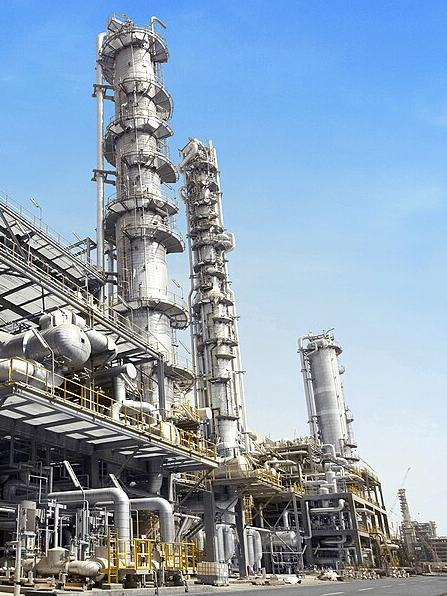
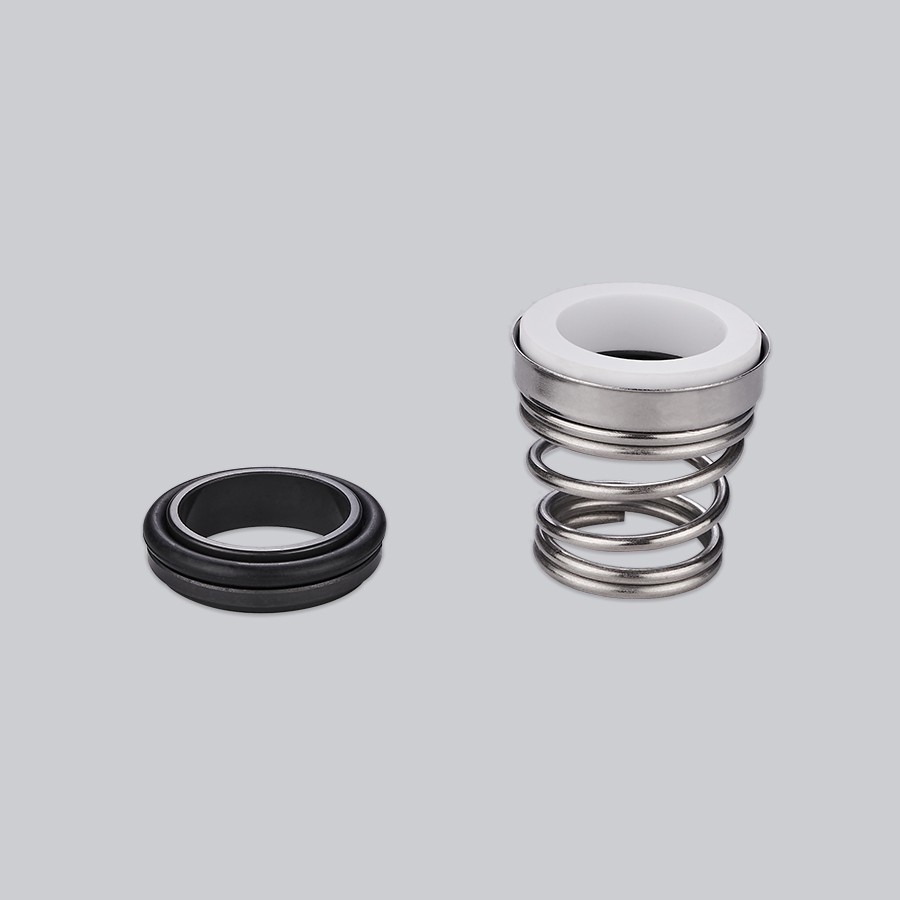
API 682, DIN24960, EN12756, and ISO3069 are rules for mechanical seals in pumps and machines that spin. These rules help companies keep things safe and working well in many jobs.
- They make machines work better and cost less to fix, so things are safer and more reliable.
- They help companies follow laws and keep fluids inside, which is better for the environment.
Victor makes mechanical seals that follow these world rules. Their seals work well even in tough places.
Key Takeaways
- Mechanical seal standards like API 682 help keep machines safe. They also make machines work well and stop leaks and breakdowns.
- Picking the right mechanical seal for the job is important. The material and design matter a lot. This can make machines last longer and work better.
- Following these rules helps companies follow safety laws. It keeps workers safe and protects nature too.
- Testing seals often and putting them in the right way is important. This helps them work well and stops expensive fixes.
- Buying from good companies like Victor is smart. You get strong seals that follow world rules.
Mechanical Seal Standard Overview
What Is a Mechanical Seal Standard?
A mechanical seal standard is a group of rules. These rules tell companies how to make, check, and use mechanical seals. The rules help seals work well and keep machines safe. Many businesses use these rules to help their machines run right.
The main goals of a mechanical seal standard are:
| Objective | Description |
|---|---|
| Reliability and Safety | Make sure seals are safe and work well in tough places |
| Standardization | Make seal types and tests the same for many jobs |
| Interchangeability | Let companies swap seals from different makers |
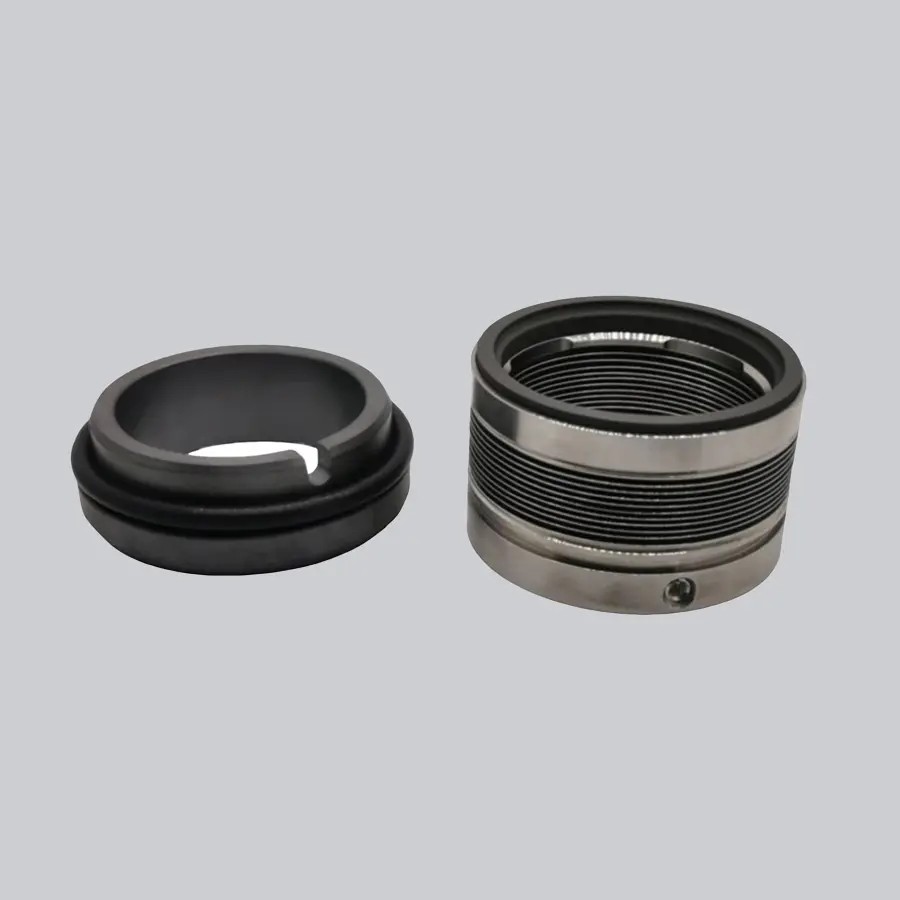
Mechanical seals have important parts. These are the main seal faces, O-rings, and springs. The materials must not rust or wear out fast. The rules also say how strong the seals should be. Companies pick materials based on the liquid, pressure, and heat in the machine.
Mechanical seal standards also give rules for how seals fit and work. They include:
| Requirement Type | Description |
|---|---|
| Material Properties | Rules for how materials fight rust and wear |
| Dimensional Tolerances | Exact sizes so seals fit and work right |
| Performance Validation | Tests to see if seals work in real jobs |
These rules help companies choose the best mechanical seal for each job. They also make it simple to change seals when needed.
API 682 and International Standards
API 682 is a very important rule for mechanical seals. The American Petroleum Institute made it in 1994. This rule helps oil and gas companies keep their machines safe and working well. API 682 gets new updates to match new tools and needs. The newest version has more chapters and helps people pick the right seal system.
Other big rules are DIN24960, EN12756, and ISO3069. These rules come from Europe and the International Organization for Standardization. They help companies everywhere use the same rules for mechanical seals.
Many companies use these rules because they:
- Make it easy to use seals from many makers.
- Help machines run safely and smoothly.
- Lower the cost to fix or change seals.
API 682 and ISO rules give clear rules for size and how seals work. This means a seal from one company can fit in another company’s machine. It also means companies know the seals will work as they should.
Mechanical seal standards are important for the world supply chain. They help companies follow safety and environment rules. They also make it easier to buy and sell machines in other countries. As energy needs grow, oil and gas companies use these rules to keep their work safe and running well.
Note: Using a mechanical seal standard helps companies stop problems and keep their machines working longer.
Key Elements of Mechanical Seals
Categories and Arrangements
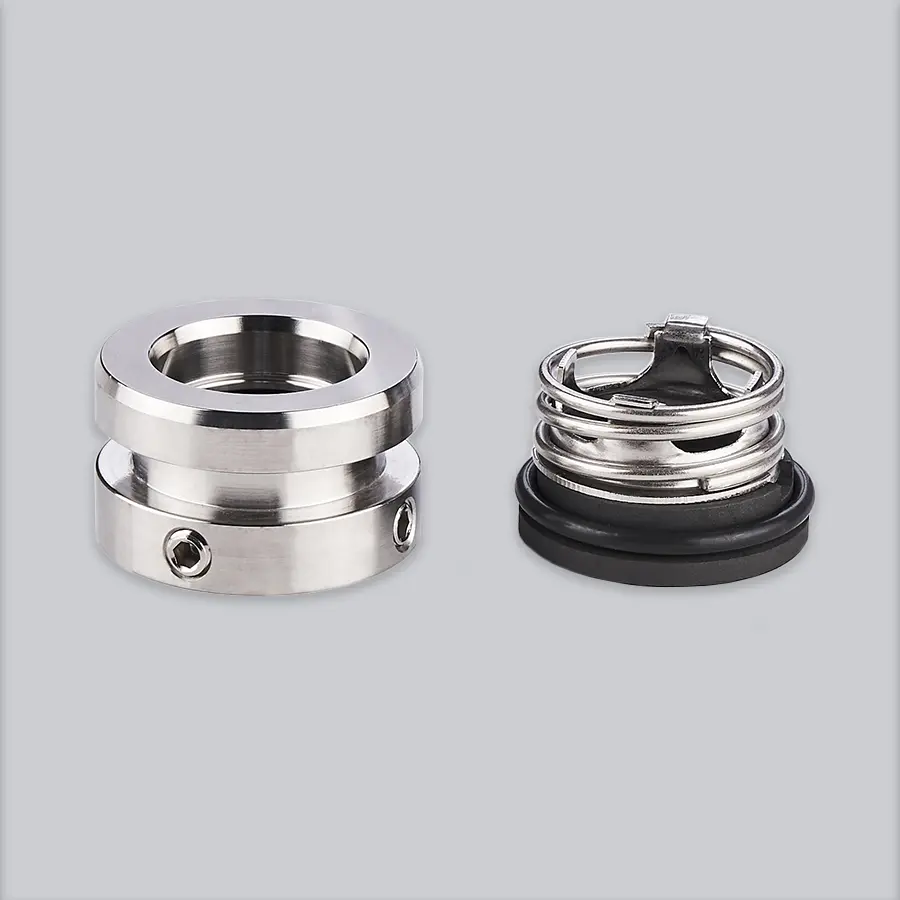
Mechanical seals have different types and setups. Standards like api 682 help companies pick the best seal for each job. These rules sort seals by how they work and how many sealing faces they have. The main groups are single, double, and tandem arrangements. Each one helps keep fluids inside pumps and machines in a special way.
The table below shows how api 682 and other rules sort seal arrangements:
| Seal Arrangement | Description | Pressure Type |
|---|---|---|
| Arrangement 2 | Unpressurized dual seal with two rotating flexible elements and two mating rings in series. | Unpressurized |
| Arrangement 3 | Pressurized dual seal with two rotating flexible elements and two mating rings in series. | Pressurized |
Arrangement 2 sends leaks to a safe place for recovery. This helps control leaks and keeps the environment safe. Arrangement 3 uses high pressure to stop leaks from getting out. This setup makes sure there are no leaks, which is important for companies that use dangerous chemicals.
Seal supply systems help these arrangements work well. They give the right fluids and pressure to the seals. api 682 gives clear rules for using seal supply systems with each arrangement.
Piping Plans and Testing
Piping plans are important for seal supply systems. api 682 lists many piping plans that help cool, clean, and protect mechanical seals. Each plan has a special job to help seals last longer and work better.
Here is a table with some common piping plans from api 682:
| Piping Plan | Description | Contribution to Seal Performance |
|---|---|---|
| Plan 11 | Recirculates flow from the high-pressure section of the pump to the seal. | Provides a simple and effective means of cooling and lubricating the seal. |
| Plan 12 | Adds filtration components to the basic flush plan. | Enhances seal performance by preventing contaminants from entering the seal chamber. |
| Plan 32 | Uses flush fluid from an external source with various control components. | Offers improved monitoring and maintenance capabilities, ensuring optimal seal operation. |
Seal supply systems use these plans to keep seals clean and cool. This helps stop leaks and keeps machines safe.
Testing is very important for making sure mechanical seals work right. api 682 and other rules say you must check seals before and after putting them in:
- Test dual seals with air and water to look for leaks.
- Turn the seal by hand to see if leaks stop.
- Use a few drops of distilled water to check liquid seals.
- Look at and clean all equipment before putting in the seal.
- Check the shaft and sleeve for damage.
- Make sure the shaft is straight before putting in the seal.
- Put the seal together the right way and follow the rules.
- Empty and check the stuffing box, then move the seal into place.
These steps help companies trust their mechanical seals will last and keep fluids inside. Seal supply systems and good testing make sure seals are safe and work well.
Tip: Using the right arrangement, piping plan, and testing steps helps companies protect the environment and keep machines safe.
Importance of Compliance
Safety and Reliability
Following mechanical seal standards is very important. It helps keep people, machines, and the environment safe. Standards like api 682 give clear rules for making, testing, and putting in seals. These rules help companies stop seal problems that can cause leaks or machine failures. Some common problems fixed by these rules are:
- Stopping dangerous materials from leaking, which is very important in chemical and oil and gas plants.
- Preventing seal face damage from sliding or rough particles.
- Stopping leaks caused by wrong installation or parts not lining up.
- Avoiding spring problems from getting tired or rusty.
- Protecting elastomers from breaking down in tough places.
- Preventing too much shaft movement that bends the seal face.
When companies follow api 682 and other world rules, their pumps work better and accidents happen less often. Good mechanical seals last longer and let companies plan repairs. This saves money and keeps work going without problems. Standards also help companies follow safety and environment laws, which is good for workers and the community.
Note: Better reliability and longer running time mean fewer emergency stops and safer places to work.
Industry Applications
Many businesses need to follow mechanical seal standards closely. The table below shows where api 682, DIN24960, EN12756, and ISO3069 are used the most:
| Industry |
|---|
| Petroleum |
| Chemical Industry |
| Power |
| Machinery |
| Metallurgy |
| Ships |
| Sewage Treatment |
| Printing and Dyeing |
| Food |
| Pharmaceuticals |
Victor makes mechanical seals that meet these world rules. The company uses strict checks and ISO 9001-certified steps. Victor gives seals for pumps in oil and gas, water cleaning, ships, and many other jobs. Their seals pass tests like the CTB test and meet api 682, ISO, and even FDA or USDA rules for food and medicine. Customers get test reports and know the seals work well in hard places.
Tip: Picking seals from trusted makers like Victor keeps machines safe and reliable in every job.
Selecting the Right Mechanical Seal
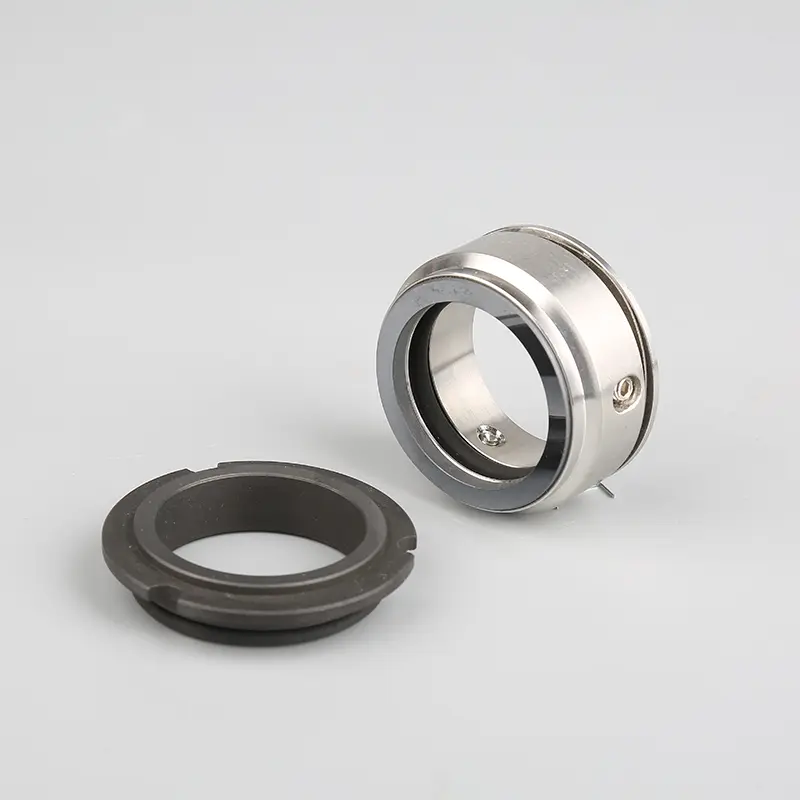
Compliance and Custom Solutions
Picking the right seal means checking if it follows important rules like api 682, DIN24960, EN12756, or ISO3069. These rules help stop leaks and keep machines from breaking. When choosing a seal, companies need to look at some main things. The table below shows what to look for:
| Criteria | Details |
|---|---|
| Surface Finish | 1.6 µm Ra for static o-rings; 0.8 µm Ra for dynamic o-rings |
| Seal Chamber Face Runout | 0.5 µm/mm of bore |
| Primary Rings | Rotating, pusher or non-pusher, usually multiple spring |
| Material for Sleeve and Gland | At least 316SS, equal or better than pump case material |
| Material for Springs | Hastelloy C for small springs, 316SS for single springs |
| Material for Bellows | Hastelloy C or Alloy 718 |
| Material for Primary Rings | Carbon, tested for quality |
| Material for Mating Rings | Silicon carbide, sintered or reaction bonded |
| Material for O-Rings | Viton is default, perfluoroelastomer is optional |
| Temperature Limits | Viton: -7 to 175°C (hydrocarbon), -7 to 120°C (water); Perfluoroelastomer: -7 to 290°C |
Custom seals are helpful when a normal seal will not work. Sometimes, companies need special sizes or different materials for hard jobs. For example, some seals use special faces and O-rings for strong chemicals. Other seals have cooling jackets for very hot places. Custom seals can also fit pumps with strange shapes or work where there is a lot of shaking. Working with a supplier who helps with design and testing makes it easier to get the right seal.
Tip: Always make sure the seal follows api 682 or other rules before you buy it. This helps stop leaks, keeps your warranty, and saves money on repairs.
Victor’s Product Advantages
Victor has many types of seals for lots of jobs. Their seals follow world rules like DIN24960, EN12756, and ISO3069. Victor makes seals for oil, chemicals, power plants, and ships. The company also makes custom seals for special pumps and hard jobs.
Victor’s seals use strong materials like silicon carbide and tungsten carbide. These materials help the seals last longer and work well in tough places. Victor’s seals pass hard tests, like the CTB test, to show they are strong and safe.
Victor helps companies save money and still get good quality. Their seals keep machines safe and lower the need for repairs.
Note: Picking Victor means you get strong seals that follow strict rules and work for many jobs.
FAQ
What is API 682?
API 682 is a standard from the American Petroleum Institute. It gives rules for mechanical seals in pumps. Oil and gas companies use it to keep machines safe and reliable.
Why do companies need mechanical seal standards?
Mechanical seal standards help companies stop leaks and protect machines. They make sure seals fit and work well. Standards also help companies follow safety laws.
How does Victor test mechanical seals?
Victor tests mechanical seals with strict checks. They use the CTB test to see if seals work in tough places. Customers get test reports for every seal.
Can Victor make custom mechanical seals?
Victor offers custom mechanical seals for special pumps or hard jobs. They use strong materials and advanced designs. Companies can ask for seals that fit their needs.