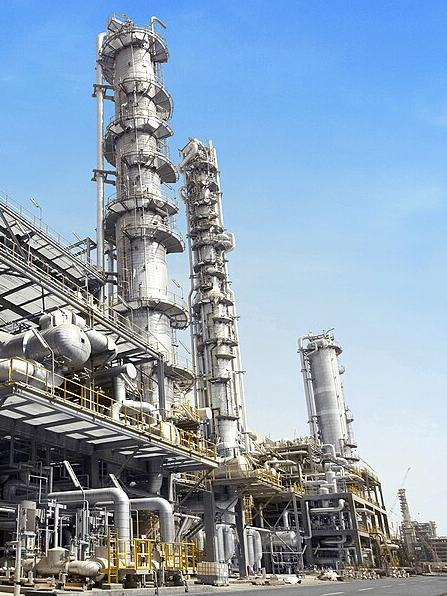
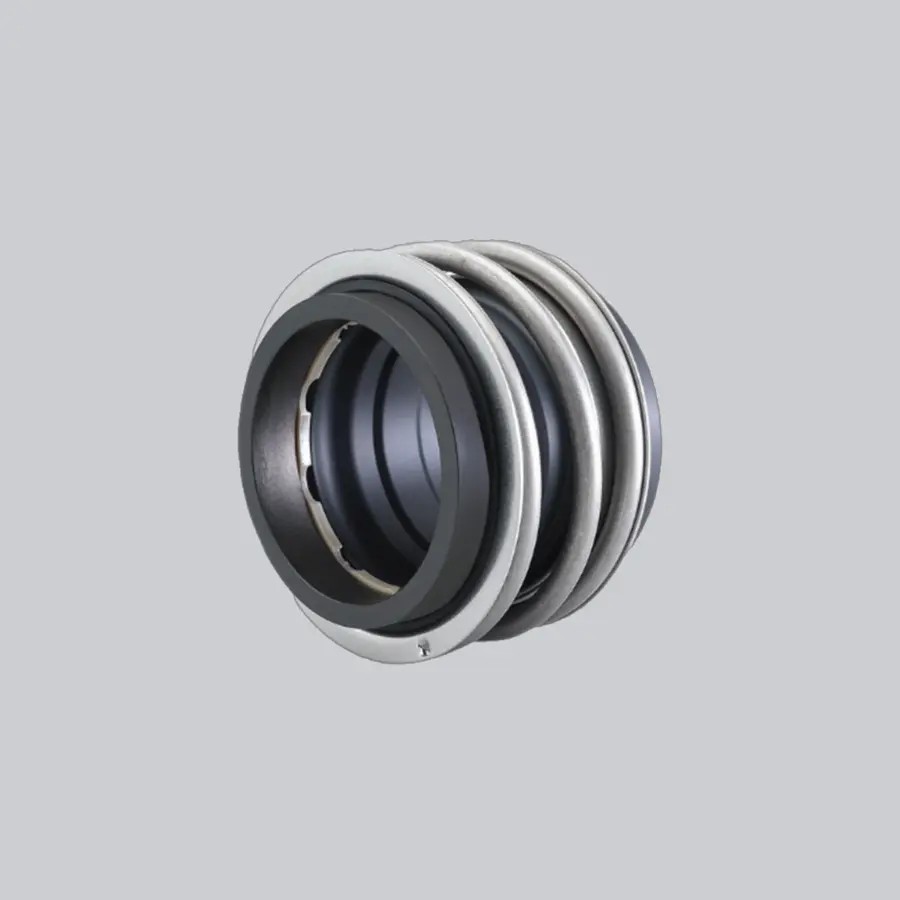
The most common seal in a water pump is the mechanical seal. Some pumps use lip seals or packing seals instead. A seal is very important because it keeps water inside the pump. It also stops leaks from happening. Seals help pumps work better and last longer. They can handle high pressure and reduce friction. Seals give strong sealing to lower the chance of leaks. The table below shows how a seal helps water pumps work better at home and in factories.
| Aspect | Contribution |
|---|---|
| High Pressure Handling | Holds dangerous or valuable fluids with little harm to the environment. |
| Friction Minimization | Lowers friction, so the pump uses less energy. |
| Superior Sealing | Seals better than old methods and lowers leak risk. |
| Reduced Maintenance | Needs fewer fixes, so there is less downtime and cost. |
| Energy Conservation | Uses less energy, which saves money over time. |
A water pump mechanical seal, like ones from Victor, helps pumps work well in many water systems.
Key Takeaways
- Mechanical seals are the most common type used in water pumps. They prevent leaks and improve pump efficiency.
- Choosing the right seal depends on the liquid type and pressure. Mechanical seals work best for high pressure and tough liquids.
- Regularly check and replace seals to prevent leaks and extend pump life. Most seals last between one to three years.
- Lip seals are simple and cost-effective for low-pressure pumps, but they may require more maintenance.
- Packing seals are found in older pumps and are easy to adjust, but they do not seal as tightly as mechanical seals.
Water Pump Mechanical Seal Types
Mechanical Seal
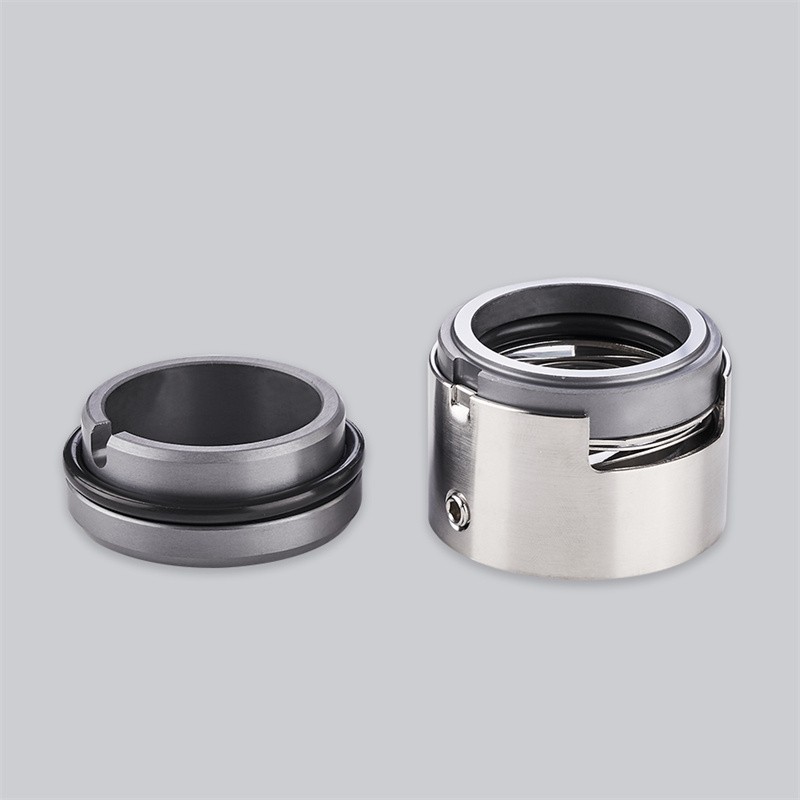
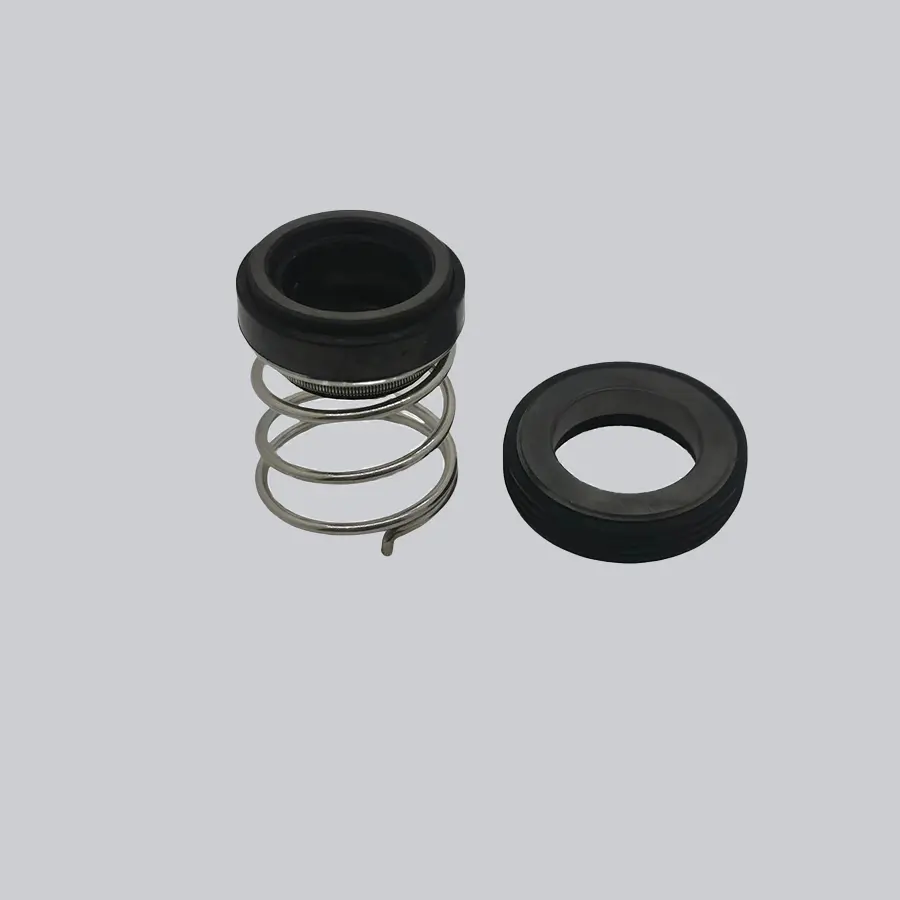
A mechanical seal is the seal most often used in water pumps. This seal keeps water from leaking out of the pump. It works by pressing two flat parts together. One part spins with the shaft, and the other part stays still. The seal stops liquids from getting out, even under high pressure or with strong chemicals. There are different types of mechanical seals for different water jobs.
| Type of Mechanical Seal | Description | Applications |
|---|---|---|
| Pusher Seals | These use a spring and an O-ring to keep pressure. They can adjust as the seal wears down. | Used in home and factory water pumps, up to 10 Bar pressure. |
| Non-Pusher Seals | These use a bellows to seal the shaft. This helps protect the seal from dirty liquids. | Used for very high pressure and strong chemicals in water systems. |
| Cartridge Seals | These put both moving and still parts in one piece. This makes them easy to put in. | Used in tall water pumps and pumps for thick liquids. |
Victor is a top company for water pump mechanical seals. They make many kinds of seals, like cartridge, rubber bellow, metal bellow, and O-ring seals. Victor also makes special seals for certain water pumps. Their seals use strong materials like silicon carbide, tungsten carbide, ceramic, and carbon. These materials help the seal last longer and stay strong. Victor’s seals meet rules like DIN24960, EN12756, and ISO3069. The company uses good machines and skilled workers to make their seals. Victor also helps customers find the right seal for their needs.
| Feature | Description |
|---|---|
| Wide Range of Seals | Has cartridge, rubber bellow, metal bellow, and O-ring seals. |
| Customization | Makes special seals for different water pumps. |
| Material Quality | Uses silicon carbide, tungsten carbide, ceramic, and carbon for strong seals. |
| Compliance with Standards | Meets DIN24960, EN12756, and ISO3069 rules. |
| Manufacturing Expertise | Uses good machines and skilled workers. |
| Customer-Centric Approach | Gives special help to water pump users. |
Mechanical seals help water pumps keep liquids inside and stop leaks, even with high pressure. They work in many water systems, like drinking water and factories. The seal keeps liquids in and stops them from getting dirty. Mechanical seals also mean less fixing and less time when the pump is not working.
Lip Seal
A lip seal is another seal used in water pumps. This seal has a soft lip that pushes against the shaft. The lip seal makes a wall to keep water in and dirt out. Lip seals work best in pumps with low pressure. They are simple and easy to put in. The seal keeps dust and dirt out, but it may not work as well as a mechanical seal for high pressure or strong liquids.
- Lip seals work well for low-pressure water pumps.
- They block dirt and help stop leaks.
- Lip seals are used in small pumps and places where fixing is easy.
Packing Seal
A packing seal is found in older water pumps. This seal uses soft, braided fibers wrapped around the shaft. The packing seal stops water from leaking out. You can tighten or loosen the seal to adjust it. Packing seals are easy to fix and replace. They work best in pumps that do not need to hold back high pressure.
- Packing seals are in old water pumps.
- They are easy to fix and adjust.
- Packing seals help keep liquids in and stop leaks in simple water systems.
Tip: Pick the right seal for your water pump by thinking about the liquid, pressure, and how much fixing you want to do. Mechanical seals are strong for most water jobs. Lip seals and packing seals are better for low pressure or old pumps.
Seal Pros and Cons
Mechanical Seal Advantages & Disadvantages
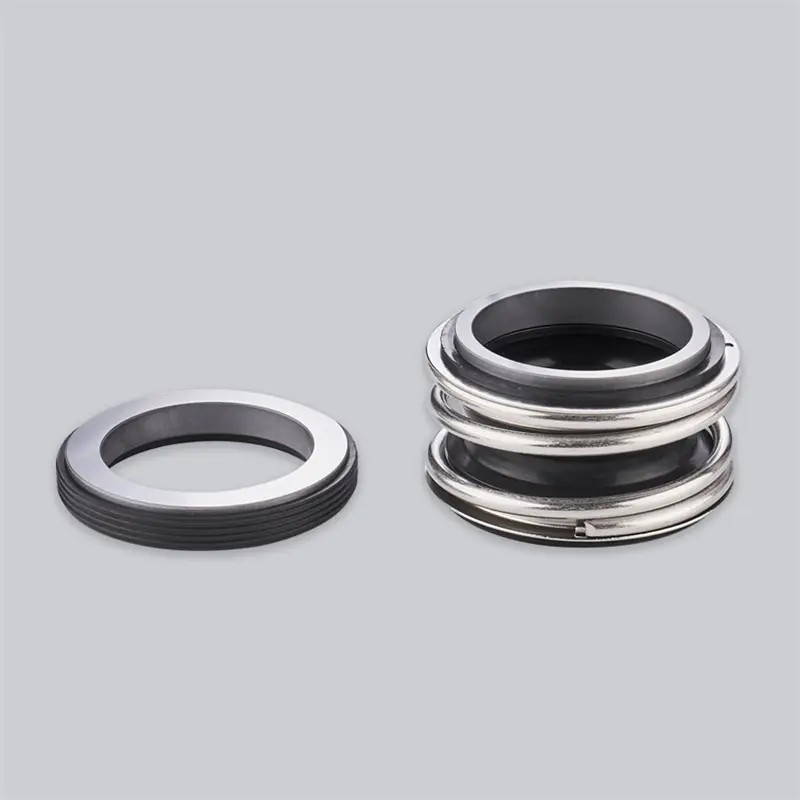
Mechanical seals give strong leak protection in water pumps. They make a tight seal between moving and still parts. This keeps liquids inside and stops leaks. Many water pump mechanical seal types last a long time. They do not need much fixing. In one water treatment plant, mechanical seals helped save money. The plant had 40% fewer surprise repairs. Pump efficiency went up by 20%. Mechanical seals work with many liquids, like water and chemicals.
Advantages:
- Stops leaks by sealing water and other liquids tightly.
- Lowers how often you need to fix the pump.
- Works with many liquids and water systems.
- Makes pumps work better and more reliably.
- Lasts longer than other seal types.
Disadvantages:
- Costs more to buy and put in.
- Needs skilled workers to set up right.
- Putting it in can be hard.
- If not installed right, the seal can fail.
Lip Seal Advantages & Disadvantages
Lip seals are simple and cheap for water pumps. They use a soft lip to keep water and liquids inside. Lip seals work best in low-pressure water systems. They are easy to put in and take out. But lip seals do not last as long as mechanical seals. They cannot handle high pressure. Lip seals may need more fixing.
Note: Lip seals are good for small water pumps and easy jobs, but they do not last as long as mechanical seals.
Advantages:
- Simple to put in and remove.
- Cheap for water pump users.
- Blocks dirt and keeps liquids inside.
Disadvantages:
- Does not last as long as mechanical seals.
- Not good for high-pressure water systems.
- Needs more fixing.
Packing Seal Advantages & Disadvantages
Packing seals use braided fibers to keep water and liquids inside. They are found in older water pumps. Packing seals let some liquid leak, and this can get worse over time. Workers must adjust packing seals often to stop leaks. Mechanical seals stop leaks better and need less fixing.
Packing seals wear out and need regular care. They cost less than mechanical seals but do not last as long. Packing seals are good for simple water jobs and liquids that do not need tight sealing.
Advantages:
- Easy to adjust and fix.
- Cheap for water pump owners.
- Works with many kinds of liquids.
Disadvantages:
- Lets more liquid leak than mechanical seals.
- Needs lots of care and adjusting.
- Wears out fast with tough liquids.
Packing seals are a cheap choice for basic water pumps, but they need more care and do not stop leaks as well as mechanical seals.
Water Pump Seal Selection
Application & Fluid Type
Picking the right seal starts with knowing what the pump does. You also need to know what kind of liquid it moves. Some pumps move clean water. Others move wastewater or chemicals. Each liquid needs a special seal to stop leaks and keep the pump working. Strong chemicals need seals that do not rust. Gritty liquids need hard-faced mechanical seals to last longer. Hot liquids also need special seals.
Here is a table that shows which seal materials work best for different liquids:
| Material Type | Suitable For |
|---|---|
| Silicon Carbide | Potable water, wastewater |
| Tungsten Carbide | Chemicals, abrasive fluids |
| Ceramics | High-temperature applications |
| Viton | Chemical resistance |
| EPDM | General-purpose applications |
Victor has many pump shaft seals for different brands and jobs. They make seals for Grundfos, Alfa Laval, Flygt, and more. Their prices help people get the right seal for every job.
Operating Conditions
How the pump works is important when picking a seal. Pressure, temperature, and speed help decide which seal is best. High pressure or heat may need double seals or special designs. Clean water pumps often use single seals. Double seals are better for tough jobs to stop leaks. The size and speed of the pump also matter. Balanced mechanical seals work for high pressure. Unbalanced seals are for lower pressure pumps.
Tip: Always read the pump manual or ask an expert before picking a seal. This helps stop seal problems and keeps the pump running well.
Maintenance & Replacement
A seal is very important in every water pump. Checking seals often helps find leaks early and stops damage. Most mechanical seals last one to three years if used right. How long they last depends on the job, the seal material, and how the pump is used. Double seals can last longer in hard jobs. If the pump moves gritty or chemical water, seals may need to be changed sooner.
Victor’s seals are easy to check and replace. They fit many types of mechanical and double seals. This makes them important for pumps at home and in factories. Taking care of seals helps stop problems and keeps the pump working for a long time.
Mechanical seals are used most often in water pumps. Picking the right material helps the pump work better and last longer.
Using the right seal for each job stops leaks and saves money on repairs. Checking seals often and changing them when needed helps pumps last longer. Victor makes strong mechanical seals that fit many pump brands and uses.
FAQ
What is the main purpose of a water pump seal?
A water pump seal keeps liquid from leaking out. It stops leaks and keeps the pump safe. The seal helps the pump work well and last longer.
How often should someone replace a water pump seal?
Most seals last from one to three years. How long they last depends on how you use the pump, the liquid, and the seal’s material. Checking seals often helps find problems early.
Can a mechanical seal fit any water pump?
Mechanical seals come in many shapes and sizes. They fit most pumps, but you should read the pump manual or ask an expert before picking a seal.
What materials work best for water pump seals?
| Material | Best Use |
|---|---|
| Silicon carbide | Clean water, chemicals |
| Tungsten carbide | Abrasive fluids |
| Ceramic | Hot liquids |
Why do mechanical seals cost more than other types?
Mechanical seals use special materials and new technology. They last longer and need less fixing. This helps save money on repairs and keeps pumps running.