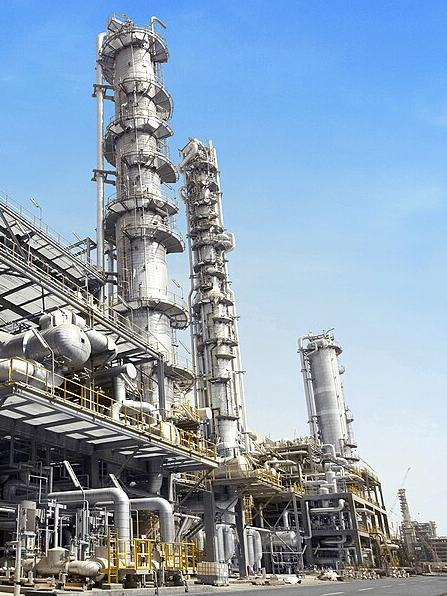

Mechanical seals and packing seals are the primary sealing methods for protecting pump shafts. Today, mechanical seals are more widely used. A good seal effectively prevents leaks and avoids equipment damage. Leaks also pose safety hazards to workers. If a pump seal fails, it not only results in the loss of valuable products but also pollutes the environment. Furthermore, it can lead to unplanned downtime, increased maintenance costs, and reduced efficiency. Choosing the appropriate sealing method ensures safety and optimal performance.
Key Takeaways
- Mechanical seals are the best choice for preventing pump leaks. They help ensure safety and reduce pump maintenance costs.
- While packing seals are easier to use, they require more frequent maintenance. Their leakage may increase over time.
- Choosing the appropriate sealing method depends on the fluid, temperature, and pressure. This contributes to the normal operation of the pump.
- Regularly inspecting and properly installing seals helps extend their service life and improve pump operating efficiency.
- Purchasing high-quality component mechanical seals, such as Veekter mechanical seals, can save on subsequent costs. This means fewer maintenance and shorter wait times in case of pump failure.
Types of Pump Seals Used to Protect Shafts
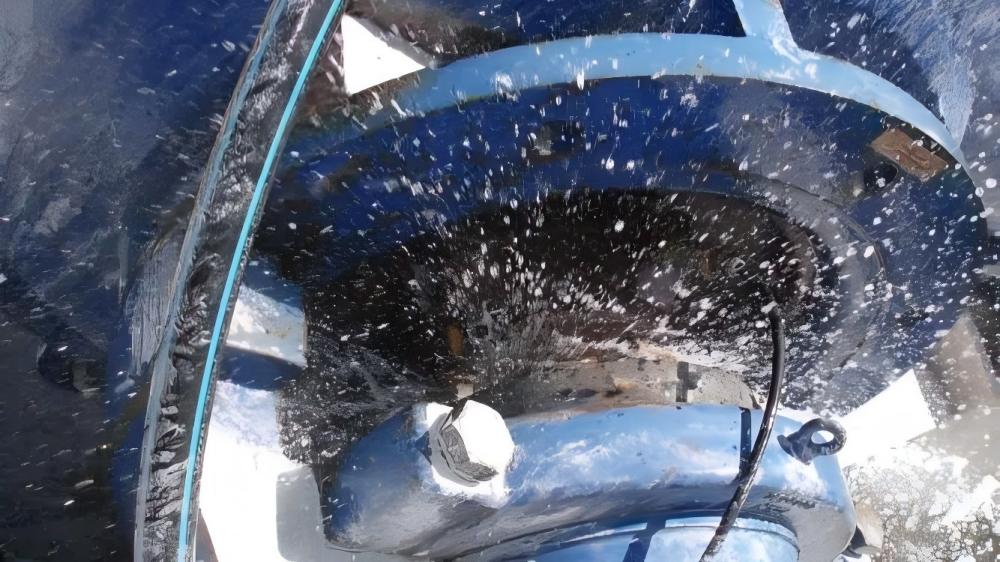
Pump seals are crucial. They help protect the shaft and prevent leaks at multiple points. Seals used to protect the shaft must be compatible with the pump and its operating principle. Different types of pumps, such as piston pumps, gear pumps, hydraulic cylinders, mud pumps, plunger pumps, geopneumatic rotor pumps, viscous drag pumps, fuel pumps, multi-way pumps, cam pumps, HPLC pumps, and cryogenic pumps, all require high-quality pump seals.
Mechanical Seal Overview
Mechanical seals are the most advanced type of seal used to protect pump shafts. These seals consist of two planar components. One component rotates with the shaft, while the other remains stationary. Together, they form a tight seal. Mechanical seals come in many types. A wide variety of mechanical seals are available, including balanced, unbalanced, pushrod, non-pushrod, conventional, and cartridge seals. Veekter mechanical seals are renowned for their superior manufacturing processes and have a long history. Veekter mechanical seals strictly adhere to relevant standards such as those of the Japan Marine Equipment Association. These seals are widely used in ships, chemical plants, and power plants. New elastomer technology extends the service life and improves the performance of mechanical seals. They can now withstand high pressures and temperatures.
Tip: Choosing the right mechanical seal can save on maintenance costs and improve pump efficiency.
| Feature | Description |
|---|---|
| Precision Engineering | Veekter Mechanical Seals are made very carefully, so they work well. |
| Application Versatility | They are used in ships, chemical plants, and other tough jobs. |
| Compliance with Standards | They follow Japanese Marine Equipment Association rules. |
Gland Packing Seal
Stuffing seals are an older type of seal used to protect pump shafts. These seals are made of braided material wound around the shaft. Stuffing seals are easy to install and maintain. They can move with the shaft and can accommodate minor alignment errors. However, stuffing seals wear out quickly and require frequent replacement.
Lip Seal and Other Alternatives
Lip seals are another type of seal used to protect pump shafts. The soft lip of the lip seal contacts the shaft, preventing dust ingress and oil leakage. Lip seals are suitable for pumps with low pressure and temperature, but not for high-temperature or high-pressure pumps.
| Seal Type | Effectiveness in Shaft Protection | Key Characteristics |
|---|---|---|
| Mechanical Seals | Very good at stopping leaks, especially double seals. | Work well in many temperatures and pressures. |
| Packing Seals | Work well but wear out and need fixing often. | Simple to put in, can move with the shaft. |
| Lip Seals | Good for keeping out dirt, not for hot or high-pressure pumps. | Soft lip touches shaft, keeps oil in and dirt out. |
Pump seals must conform to industry standards, such as API 682. This standard specifies the manufacturing specifications for mechanical seals in oil and chemical pumps. Seals used to protect the shaft must be matched to the pump and comply with industry safety regulations.
How Mechanical Seals and Pump Seals Work
Mechanical Seal Working Principle
Mechanical seals are crucial for preventing pump leakage. They form a barrier between the moving shaft and the pump body, preventing fluid leakage. Mechanical seals have two planes. One plane rotates with the shaft, while the other remains stationary. When the pump is running, these two planes fit tightly together. This tight fit helps prevent leakage, even when the pump is running at high speeds or under high pressure.
- Mechanical seals form a robust barrier at the shaft.
- They can withstand the friction of the rotating shaft.
- The seal keeps the fluid within the pump.
For many routine operations, a single mechanical seal is sufficient. Veekter mechanical seals, made of robust materials and cleverly designed, can withstand high pressure and high temperatures. Their unique shape reduces friction, thus saving energy and costs. Veekter balanced mechanical seals offer a longer service life and perform excellently under harsh conditions.
| Feature | Description |
|---|---|
| High Pressure Capability | Veekter mechanical seals can withstand pressures exceeding 20 bar. |
| Reduced Friction | Their unique shape reduces friction, thus saving energy. |
| Enhanced Longevity | Balanced seals offer a longer service life and perform excellently in harsh environments. |
Gland Packing Seal Function
Stuffing seals use a braided material, such as graphite or polytetrafluoroethylene (PTFE), wound around the shaft. The stuffing box compresses the seal to ensure a tight fit. This pressure keeps the seal sealed and prevents leakage. Stuffing seals are suitable for simple pumps but require frequent inspection and replacement.
| Function | Description |
|---|---|
| Compressing the seal | The gland pushes the seal ring to ensure a tight fit. |
| Preventing leakage | The seal ring prevents liquid leakage. |
| Holding the seal in place | The lip seal remains in place while the pump is operating. |
Lip Seal Operation
The lip of a lip seal is soft and contacts the shaft. The lip curves to create a tight seal, preventing leaks. The lip also pushes oil back into the pump, helping to keep the shaft lubricated. A metal housing holds the lip in place, and a spring further compresses it. This type of seal is best suited for low-pressure and cryogenic pumps.
- The lip forms a movable seal between the pump and the shaft.
- The oil beneath the lip helps prevent friction and heat generation.
- The seal prevents oil leakage and dust ingress.
Note: Choosing the right lip seal helps protect the shaft and ensures good pump operation.
Mechanical Seal vs. Gland Packing: Pros and Cons
Reliability and Leakage Prevention
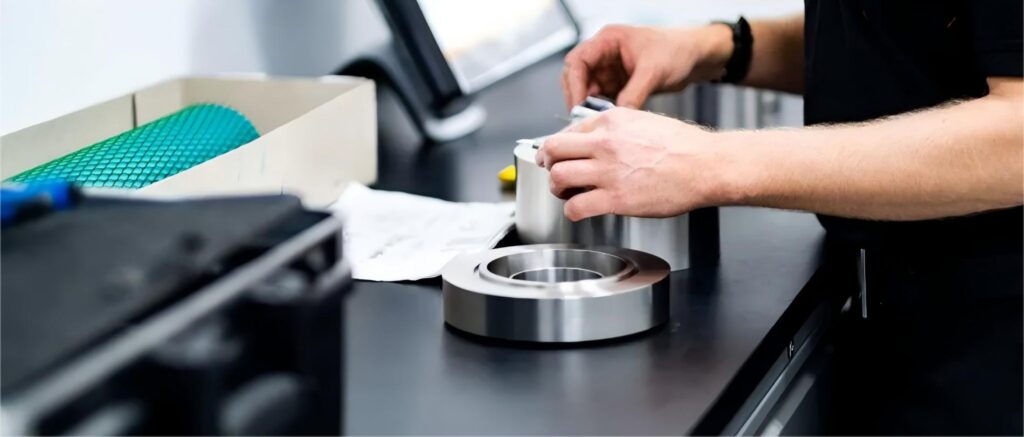
Both mechanical seals and pump stuffing boxes prevent fluid leakage, but they work on different principles. Mechanical seals utilize two planes to form a tight seal, resulting in very low leakage, only about 3-5 ml per hour. Pump stuffing boxes, however, allow for greater fluid leakage, potentially 10 to 20 drops per minute. In the long run, this translates to significant fluid loss.
The table below shows the performance of various sealing methods:
| Sealing Method | Leakage Rate | Service Life | Energy Efficiency |
|---|---|---|---|
| Pump Packing | More leaks, much higher than seals | Shorter, less than 1 year | Uses up to six times more energy |
| Mechanical Seal | Very low, 3–5 ml per hour | Can last over 8,000 hours | Uses much less energy than packing |
Mechanical seals maintain stable and low leakage. This is crucial for pumps handling hazardous or expensive fluids. They help ensure personnel safety and environmental protection. Pump packing requires frequent inspection and tightening to prevent leaks.
Note: Mechanical seals are the best choice when even a small leak could cause safety or environmental problems.
Maintenance and Lifespan
The frequency of pump maintenance depends on the type of seal. Mechanical seals require minimal maintenance and can operate for thousands of hours without manual intervention. Pump packing, on the other hand, requires frequent tightening and replacement because it wears down due to friction with the shaft.
The table below compares the maintenance frequency of various seal types:
| Type of Seal | Maintenance Frequency |
|---|---|
| Mechanical Seal | Needs less care, lasts longer |
| Pump Packing | Needs to be fixed and changed often |
The longer the seal life, the fewer pump downtimes. Mechanical seals require less maintenance, saving time and money. Pump packing wears quickly, especially under high-intensity conditions, and its service life may be less than a year.
Tip: Choosing a longer-life seal can improve pump operating efficiency and save on maintenance costs.
Cost and Application Suitability
Price is an important consideration when choosing pump seals. Pump packing has a lower initial cost. It is easy to install and replace, so it is often used for simple operations. However, in the long run, its cost may be higher. You will need to maintain it more frequently; it is more prone to leaks, and its service life is shorter.
Mechanical seals, while having a higher initial cost, offer long-term cost savings. They have a longer service life, require less maintenance, and effectively prevent leaks. This means you can reduce product loss and save cleanup time. Mechanical seals are suitable for high-pressure pumps and clean or hazardous fluids. Pump packing is better suited for low or medium pressure pumps and fluids containing dirt or grit.
The table below shows which seal is best suited for various applications:
| Application Type | Mechanical Seals | Pump Packing |
|---|---|---|
| Pressure Level | Good for high-pressure pumps | Good for low or medium pressure |
| Fluid Type | Good for clean or dangerous fluids | Good for dirty or gritty fluids |
| Environmental Concerns | Should not leak | Not good if leaks are a big problem |
Veekter mechanical seals are known for their excellent quality and relatively affordable prices. Their performance is comparable to top brands, but at approximately 10% lower. Veekter seals undergo rigorous testing and operate reliably under a variety of harsh conditions. Many companies trust Veekter to protect their pumps and save costs.
Key Points: Mechanical seals protect shafts, prevent leaks, and offer long-term cost savings. Veekter offers a wide range of options for various applications.
Choosing the Right Pump Seal for Your Application
Key Selection Factors
To select the best pump seal, you need to understand the pump’s operating conditions. The type of fluid is crucial. Some fluids are viscous, others are thin, and some can even corrode metals. The pump’s temperature and pressure are also critical. High temperatures can damage seals. High pressure means a more robust seal is required. Pumps in food or pharmaceutical plants require very clean seals. Seals must never be damaged by the fluid they come into contact with. Shaft speed also accelerates seal wear. Veekter mechanical seals are designed to operate well in a variety of clean and harsh environments.
Key Factors to Consider:
- Fluid Properties (pH, viscosity, corrosiveness to metals)
- Pump Temperature and Pressure
- Shaft Speed and Shaft Straightness
- Seal’s Ability to Withstand Fluid Corrosion
- Seal’s Cleanliness for the Food or Pharmaceutical Industry
- Ease of Seal Maintenance or Inspection
Common Mistakes to Avoid
People sometimes make mistakes when selecting pump seals. They might choose seals that are incompatible with the fluid. Some people install seals backwards because they don’t understand the correct installation method. Ignoring temperature or pressure changes can cause problems. If the pump overheats or the pressure changes, the seals may be damaged. Some people only focus on price and ignore the lifespan of the seals. In food or pharmaceutical pumps, incorrect seals can lead to contamination.
Common Misconceptions:
- Choosing seals that are incompatible with the fluid
- Installing seals backwards
- Ignoring temperature or pressure changes
- Focusing only on price
- Using unclean seals in food or pharmaceutical pumps
Practical Tips for Selecting a Seal
To extend the life of pump seals, check that the shaft is straight. Ensure the bearings are not damaged. The seal installation location should be flat so that the gasket can fit securely. Adjust the position of the pump and motor to ensure the seals are not damaged. For food or pharmaceutical pumps, always use clean seals. Never operate the pump seals without liquid. Keep the reservoir full of oil and check the valves frequently. Clean the filter and replace worn parts to ensure proper seal function. Veekter mechanical seals are durable and suitable for a variety of applications.
Tip: If you are unsure which pump seal to use, consult a pump expert.
| Seal Type | Expected Lifespan Range |
|---|---|
| Single Spring | 1 – 2 years |
| Cartridge | 2 – 4 years |
| Bellows | 3 – 5 years |
Picking the right pump seal keeps the shaft safe and helps pumps work better. Mechanical seals leak less, protect the shaft more, and help pumps last longer than gland packing.
| Benefit | Mechanical Seals | Gland Packing |
|---|---|---|
| Leakage Rates | Very low | More leaks |
| Maintenance Frequency | Not needed often | Needs fixing a lot |
| Reliability | Very good | Not as good |
Veekter mechanical seals are robust, durable, and more affordable. Many companies choose Veekter because of their superior performance and long-term cost savings.
FAQ
What types of seals are used in pumps to prevent fluid leakage?
Pumps use mechanical seals, stuffing box seals, lip seals, and O-rings. These seals prevent fluid leakage and protect the pump shaft. O-rings help form a tight seal in many pumping systems. Pumps in sanitary process applications typically use O-ring seals for added leak protection.
Why do pumps need O-rings and mechanical seals?
O-rings and mechanical seals ensure the pump is sealed. O-rings are embedded in grooves to prevent fluid leakage. Mechanical seals can withstand high pressure and high temperature. Sanitary fluid pumps and pumps in sanitary treatment applications require these seals to keep the fluid clean and safe.
What are the common causes of pump seal leaks?
Common causes of pump seal leaks include O-ring wear, shaft misalignment, and improper installation. High pressure or high temperature can also cause seal failure. Pumps with damaged seals may leak fluid. Monitoring the leakage rate helps detect problems early.
How often should a pump’s mechanical seal or O-rings be replaced?
When a pump shows signs of wear or seal failure, the mechanical seal or O-rings need to be replaced. Regular inspections help maintain the proper functioning of pump systems. Sanitary fluid pumps may require more frequent seal replacements to ensure their sealing and safety.
What is a dual mechanical seal? When is it used?
A dual mechanical seal uses two sets of seals to provide extra protection. This type of seal is used in pumps that handle hazardous or expensive fluids. It protects the rotating shaft and prevents leaks. Dual mechanical seals perform exceptionally well in demanding pumping systems.