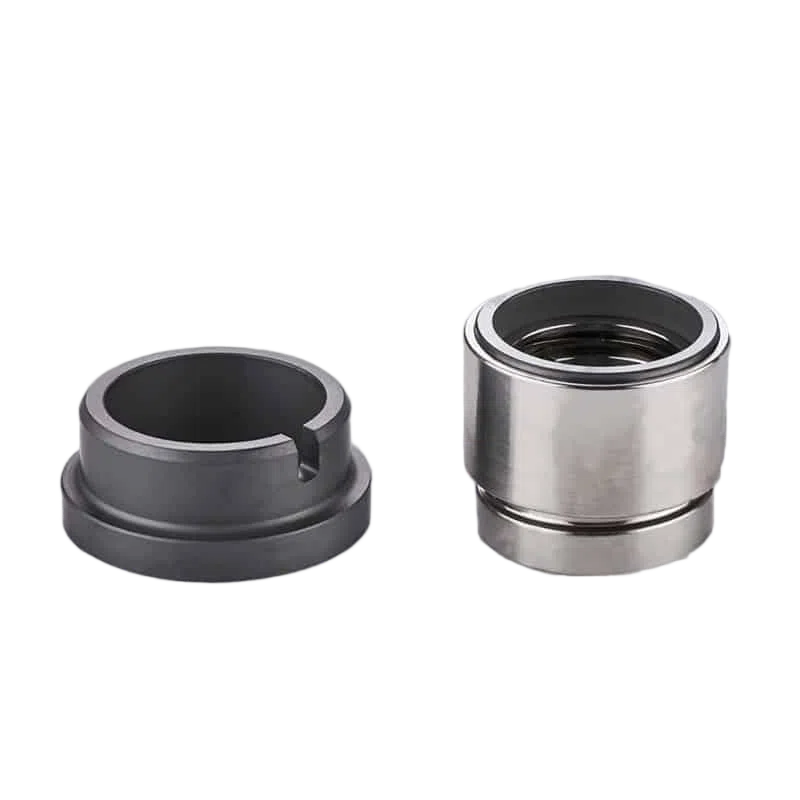
Mechanical seals are very important. They help stop leaks in pumps. There are other seal types for special cases. But most companies use the mechanical seal. This is because it works well and is trusted. The best seal depends on a few things:
- The fluid in the pump matters. Different fluids need different materials. Water, chemicals, and food all need special materials.
- Temperature and pressure are important. High heat or pressure needs stronger seals.
- Some rules need special materials or double seals. This is for safety.
Picking the right seal keeps pumps safe and working well.
Key Takeaways
- Mechanical seals stop leaks in pumps. Picking the right seal keeps things safe and helps pumps work well.
- Single mechanical seals work best with clean fluids. Double mechanical seals give more safety in dangerous places.
- Pusher seals work well when pressure is high. Non-pusher seals are better for dirty or hot fluids.
- Cartridge seals are easy to put in and fix. Many factories like to use them.
- Always pick a seal that fits the fluid, pressure, and heat. This helps pumps last longer and work better.
Main Mechanical Seal Types for Pumps
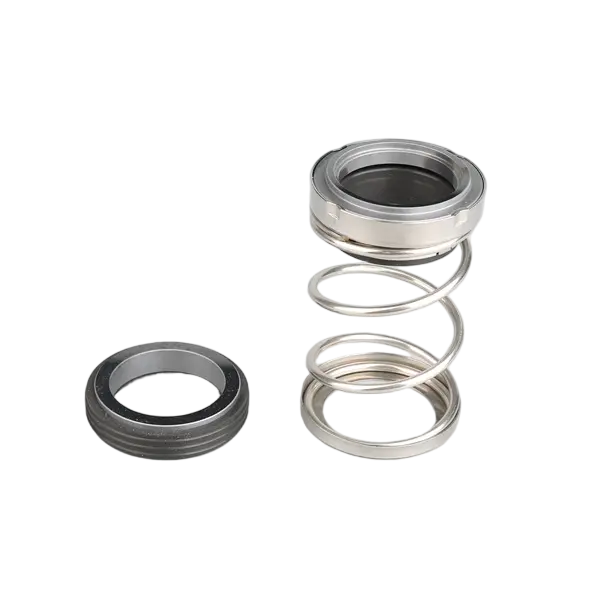
Mechanical seals are important for pumps. They help stop leaks and keep pumps safe. There are different types of mechanical seals. Each type has its own features and uses. The best seal depends on the pump, the fluid, and how the pump works. Below are the most common mechanical seals used in pumps.
Single and Double Mechanical Seals
Single and double mechanical seals are basic types. They have different designs and jobs.
| Feature | Single Mechanical Seal | Double Mechanical Seal |
|---|---|---|
| Sealing Faces | One rotating and one stationary | Two sets of sealing faces, separated by a barrier fluid |
| Leakage Prevention | Basic sealing, suitable for clean fluids | Enhanced sealing reliability, ideal for challenging environments |
| Application | Common in standard centrifugal pump applications | Used in hazardous environments to minimize leakage |
Single mechanical seals are good for clean fluids. They are easy to fix and not expensive. Double mechanical seals have two sets of sealing faces. They use a barrier fluid between the seals. This gives extra safety for pumps with dangerous liquids. Double mechanical seals are used in places like chemical plants.
Note: Victor sells single and double mechanical seals. Their single spring mechanical seals are used in water pumps. Double mechanical seals are for harder jobs.
Pusher and Non-Pusher Seals
Pusher and non-pusher seals are based on how they make sealing force.
| Type | Mechanism of Sealing Forces | Applications |
|---|---|---|
| Pusher Seals | Use springs and O-rings that move with the seal faces. | High-pressure pumps, can handle shaft misalignment. |
| Non-pusher Seals | Use bellows (metal or elastomeric) to keep sealing force without movement. | Dirty and high-temperature fluids, less shaft movement. |
Pusher seals use springs and O-rings to press the seal faces together. They work well in high-pressure pumps. Non-pusher seals use bellows instead of moving O-rings. This helps them last longer with dirty or hot fluids. Victor’s metal bellow seals are non-pusher seals. They are used in chemical and oil and gas pumps.
Cartridge and Component Seals
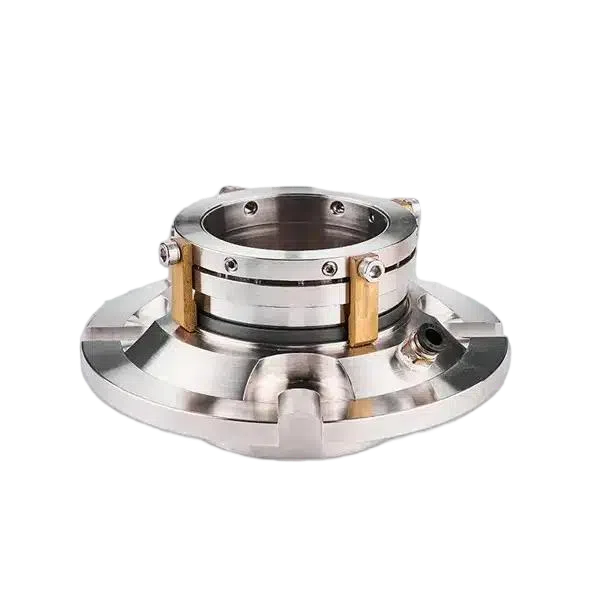
Cartridge and component seals are based on how they are put in pumps.
| Feature | Cartridge Seals | Component Seals |
|---|---|---|
| Installation | Preassembled by the manufacturer, simplifying the process | Requires individual assembly, complicating installation |
| Maintenance | Simplified due to self-contained unit | More complicated, requiring skilled technicians |
| Cost | Reduced installation costs and downtime | Increased operator time and installation cost |
Cartridge seals come ready to use. They are simple to install and help prevent mistakes. Many pumps use cartridge seals because they save time and lower leaks. Component seals need careful assembly by skilled workers. They can be changed to fit different pumps but take longer to install. Victor offers both cartridge and component seals for many pump needs.
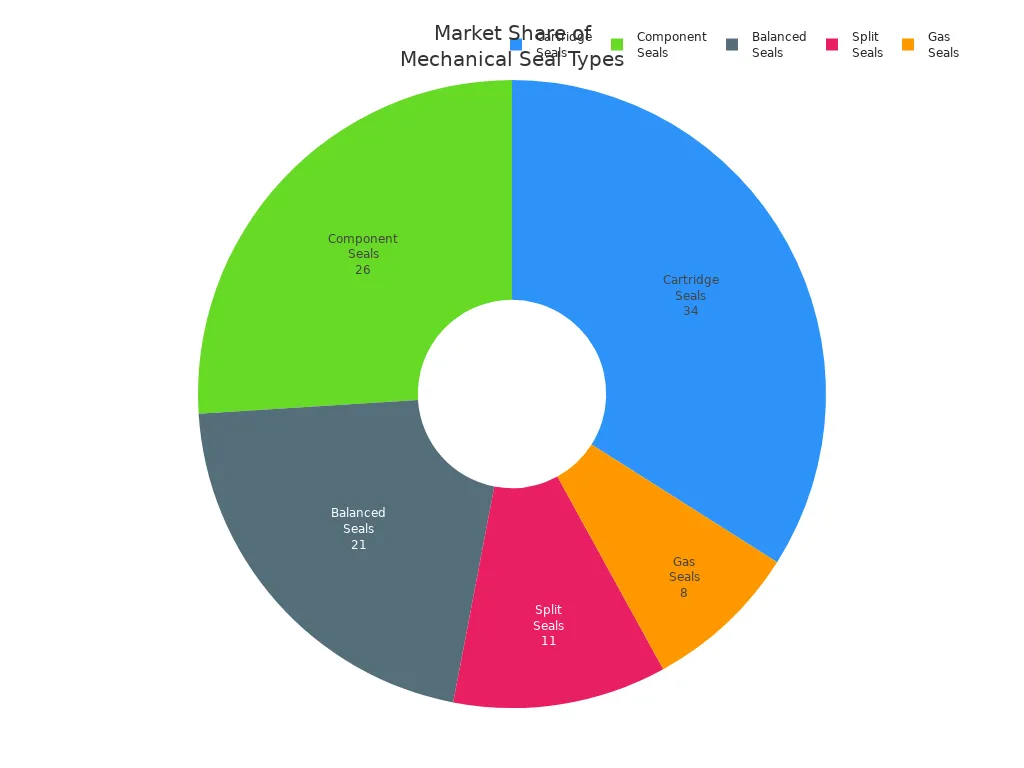
The chart shows cartridge seals are used most in pumps. Component seals are next.
Tip: Cartridge seals are good for fast repairs and less downtime. Component seals are best when pumps need custom fitting.
Special Mechanical Seal Types
Some pumps need special mechanical seals for certain jobs. These include:
- Single component seals – Have a static and rotary face with a spring. They are used in simple pumps.
- Cartridge mechanical seals – Have all parts in one housing. They are easy to install.
- Double mechanical seals – Use two seals with a barrier liquid. They protect against leaks in dangerous fluids.
Balanced and unbalanced seals are also important. Balanced seals are best for high-pressure pumps. They last longer and work well in tough jobs. Unbalanced seals cost less and are good for low or medium pressure pumps.
Victor makes single spring, wave spring, elastomer bellow, and metal bellow seals. These seals are used in many pumps, from home water systems to big chemical plants.
Note: Picking the right mechanical seal helps pumps work safely and last longer.
Mechanical Seal Comparison
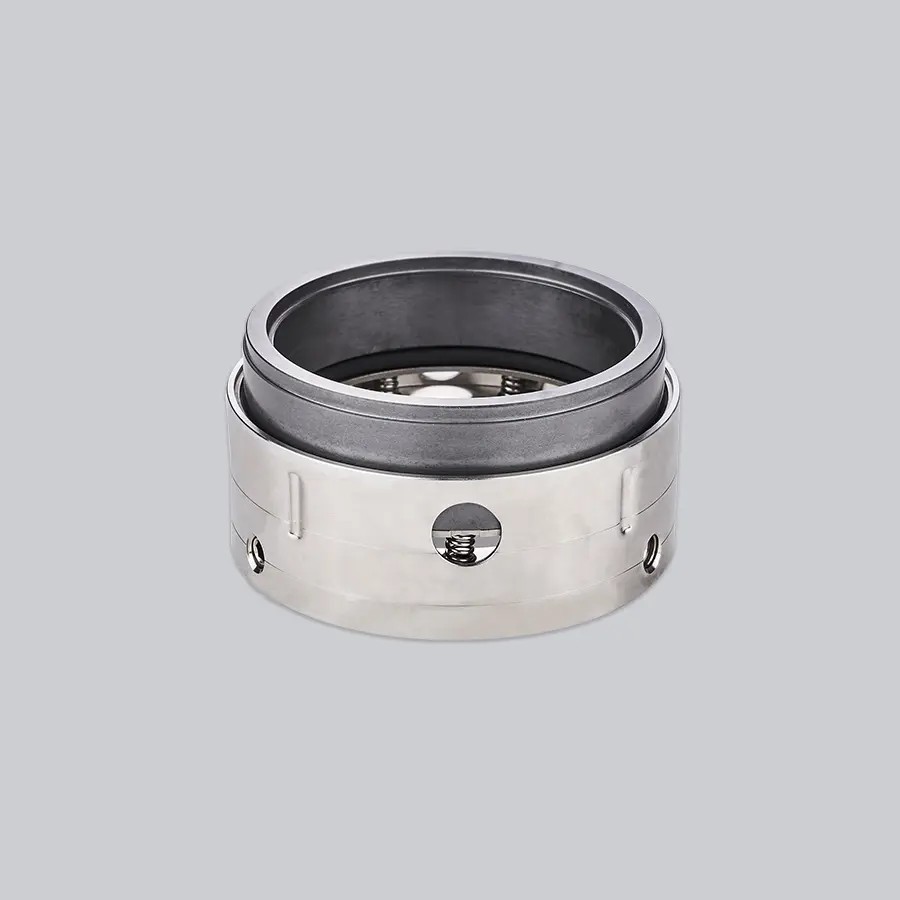
Quick Reference Table
Picking a seal for a pump is important. Engineers check the fluid type. They look at pressure and temperature. They also check how fast the pump runs. It matters how easy the seal is to put in and fix. Some places, like food factories, have special rules. Chemical plants also need special seals. The table below shows how seals compare. It lists cost, reliability, and how often they need fixing.
| Seal Type | Cost | Reliability | Maintenance Frequency | Characteristics | Advantages | Applications |
|---|---|---|---|---|---|---|
| Single Mechanical | Lower | Moderate | Moderate | Simple seal design, easy to service | Affordable, good for clean fluids | Water pumps, general use |
| Double Mechanical | Higher | Very High | Less Frequent | Uses two seals with a barrier fluid | Best for dangerous or dirty fluids | Chemical, oil and gas pumps |
| Balanced | Higher | High | Less Frequent | Even force on seal faces, better lubrication | Works well in high-pressure pumps | Mixers, compressors, pumps |
| Unbalanced | Lower | Moderate | More Frequent | Handles vibration, simple seal design | Good for low or medium pressure | General service equipment |
| Pusher | Moderate | Moderate | Moderate | Uses springs for sealing force | Reliable for high-pressure applications | Industrial pumps |
| Non-Pusher | Moderate | Low | Less Frequent | Uses bellows, no axial movement | Good for high temperature and dirty fluids | Chemical, oil and gas pumps |
| Cartridge | Higher | High | Less Frequent | One-piece unit, easy to install | Reduces errors, saves time | Many industrial pumps |
Tip: Cartridge seals are easy to put in. They help pumps work faster. Double mechanical seals give extra safety. They are good for hard jobs.
Typical Applications
Different seals work best in different pumps. The table below shows where each seal is used most.
| Mechanical Seal Type | Application Description |
|---|---|
| Oil Seal | Small pumps under 250W, stops sand and helps quick starting |
| Mechanical Seal | General water pumps, uses rotating and stationary parts for sealing |
| Graphite vs. Ceramic | Most water pumps, standard seal design |
| Graphite vs. Silicon Carbide | Most environments except those with solid particles in the liquid |
| Ceramic vs. Silicon Carbide | Liquids with particles, low friction, upgraded seal design |
| Silicon Carbide vs. Silicon Carbide | High hardness, wear resistance, best for media with particles |
Oil and gas engineers use special seals. These seals must be safe. Chemical plants need seals that do not rust. Water plants use seals for safe and toxic fluids. Each seal fits the pump and the job.
Note: Picking the right seal helps pumps last longer. It keeps pumps safe in every industry.
Choosing a Mechanical Seal
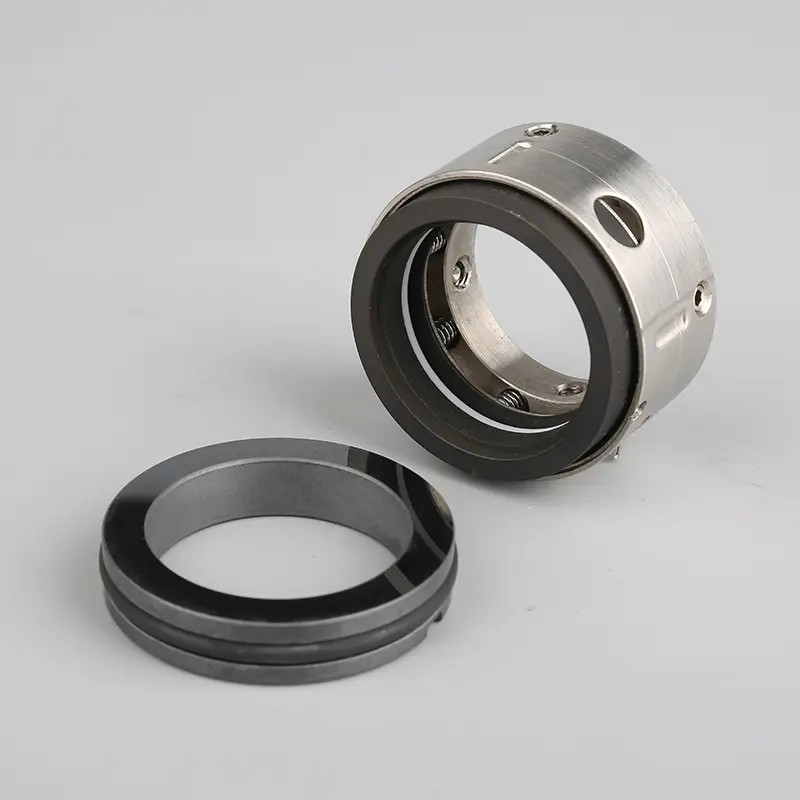
Picking a mechanical seal for pumps needs careful thinking. Every pump job is different. Engineers must pick a seal that fits the pump, the fluid, and where it works.
Fluid and Material Compatibility
The fluid in a pump changes what seal you need. Engineers check if the seal can handle the chemicals in the fluid. Clean water pumps use regular materials. Pumps with acids or rough slurries need special materials like silicon carbide or carbon graphite. The table below shows common seal materials and their features:
| Material | Properties |
|---|---|
| SiC | Great for harsh liquids and rough slurries, stands up to heat |
| Carbon graphite blends | Does not react with chemicals, self-lubricates, good for tough jobs |
| Stainless steel | Soft, cheap, used for gentle fluids |
| Teflon (glass-reinforced) | Soft, glass makes it harder, works for some chemicals |
Engineers must know the exact liquid. They check if the seal matches the fluid’s chemicals. They pick materials that fit the fluid’s heat and pressure.
Pressure and Temperature
Pressure and temperature are important for picking seals. High-pressure pumps need balanced seals. These seals spread force and last longer. Unbalanced seals work well in low-pressure pumps like water pumps. High heat can hurt some seal materials. Engineers pick seals that can handle the pump’s heat and pressure. For example, balanced seals can take up to 150 psi and −40°F to +400°F. Some special seals can handle even more.
Safety and Environmental Needs
Safety rules change what seal you need. If leaks can hurt people or nature, double mechanical seals or special oil seals help stop leaks. Food and drug pumps need seals that are clean and safe. Mechanical seals keep dangerous chemicals from leaking. Double seals with barrier fluids give extra safety for hard jobs.
Installation and Maintenance
Easy installation and fixing are important for pumps. Cartridge seals are liked because they are simple to put in and fix. This saves time and money. Harder seals need skilled workers and careful setup. Oil seals need more checks and fixing, especially in small pumps. Victor has cartridge and component seals. These give fast repairs or custom fits. Their seals are good quality and affordable. They are trusted for many water pump and oil seal jobs.
Tip: The right seal helps pumps last longer and stay safe. Always match the seal to the pump’s fluid, heat, and safety needs.
Picking the right seal keeps machines safe. It also helps pumps work well. The best seal depends on what fluid is used. It also depends on the pressure and temperature. Asking a seal expert or a trusted brand like Victor helps you find the best seal for your pump.
Tip: The right seal stops leaks. It also keeps pumps running longer and helps avoid repairs.
FAQ
What is an end-face mechanical seal?
An end-face mechanical seal uses two flat surfaces to stop leaks in centrifugal pumps. One surface rotates with the shaft. The other stays still. This seal works well for many fluids.
Why do centrifugal pumps need mechanical seals?
Centrifugal pumps move liquids at high speed. Mechanical seals prevent leaks where the shaft leaves the pump. These seals help keep the system safe and clean.
How often should someone check seals in centrifugal pumps?
Engineers should check seals in centrifugal pumps every few months. Regular checks help find leaks early. This keeps pumps running well and avoids damage.
Can an end-face mechanical seal work with hot liquids?
Yes. An end-face mechanical seal can handle hot liquids in centrifugal pumps. The right materials help the seal last longer, even with high temperatures.
What are the main benefits of using mechanical seals in pumps?
Mechanical seals reduce leaks and protect the environment. They also lower maintenance needs. Pumps with good seals last longer and work better.