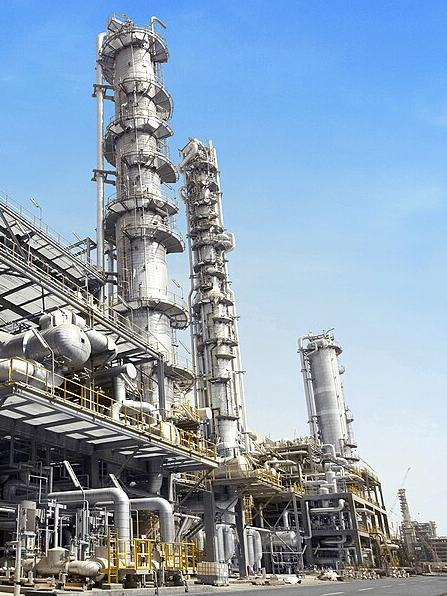
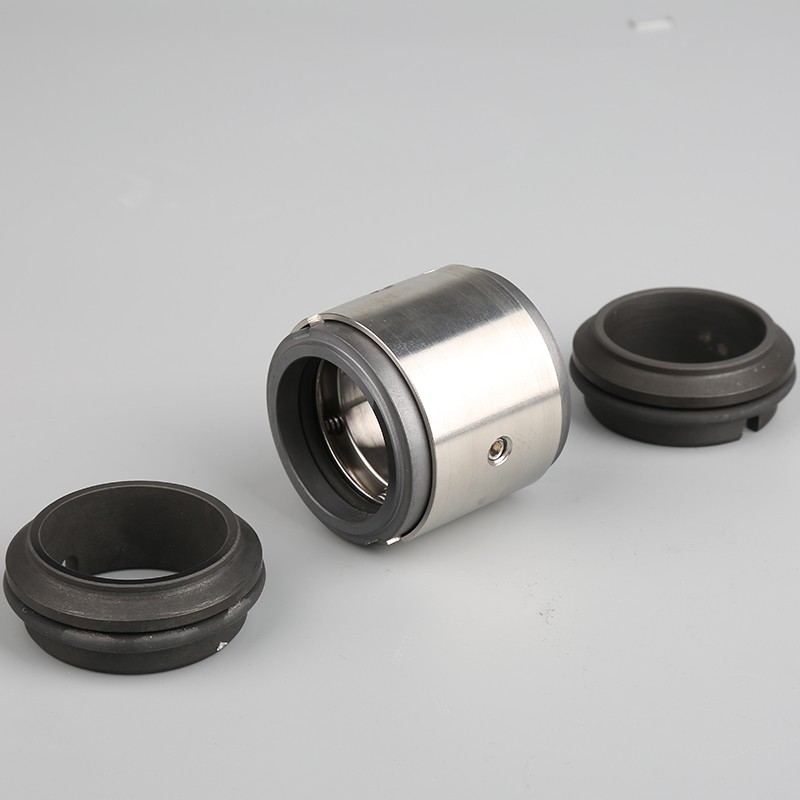
Many kinds of mechanical seal are used in pumps. Each seal is made for certain jobs and situations. Picking the right seal helps pumps work better and safer. Choosing the best seal gives big benefits:
- Maintenance costs can go down by 30% in factories.
- Pumps can run longer, up to 25% more time.
- Reliability gets better because leaks and contamination are less.
Victor is a trusted maker. Victor has many mechanical seals for different industries. These seals help reach these goals.
Key Takeaways
- Picking the right mechanical seal helps pumps last longer. It also makes them safer and stops leaks. Different seals are made for different jobs.
- Single spring seals are simple and can be used in many ways. Double seals give more protection from leaks.
- Think about the fluid, pressure, and temperature when you choose a seal. This helps make sure the seal works for the pump.
- Putting seals in the right way and checking them often keeps them working well. This also saves money on fixing pumps.
- Victor has many good seal types. They also have experts to help you pick the best seal for your pump and industry.
Main Mechanical Seal Types for Pumps
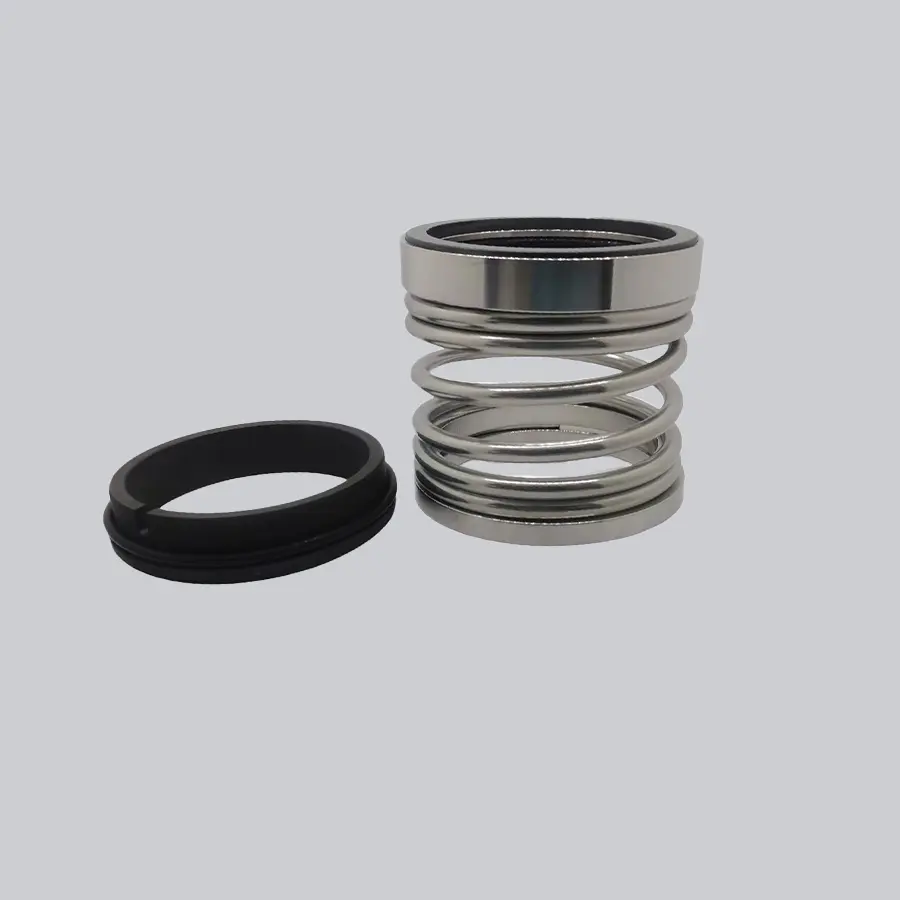
Mechanical seals are crucial for ensuring the safe operation of centrifugal pumps and also help improve pump efficiency. Mechanical seals are mainly divided into several types, each with its unique characteristics and applications. Choosing the right mechanical seal can extend pump life and improve its performance. Victor offers a wide range of mechanical seal products for various applications, including shipbuilding, chemical plants, and power plants.
Single Mechanical Seal
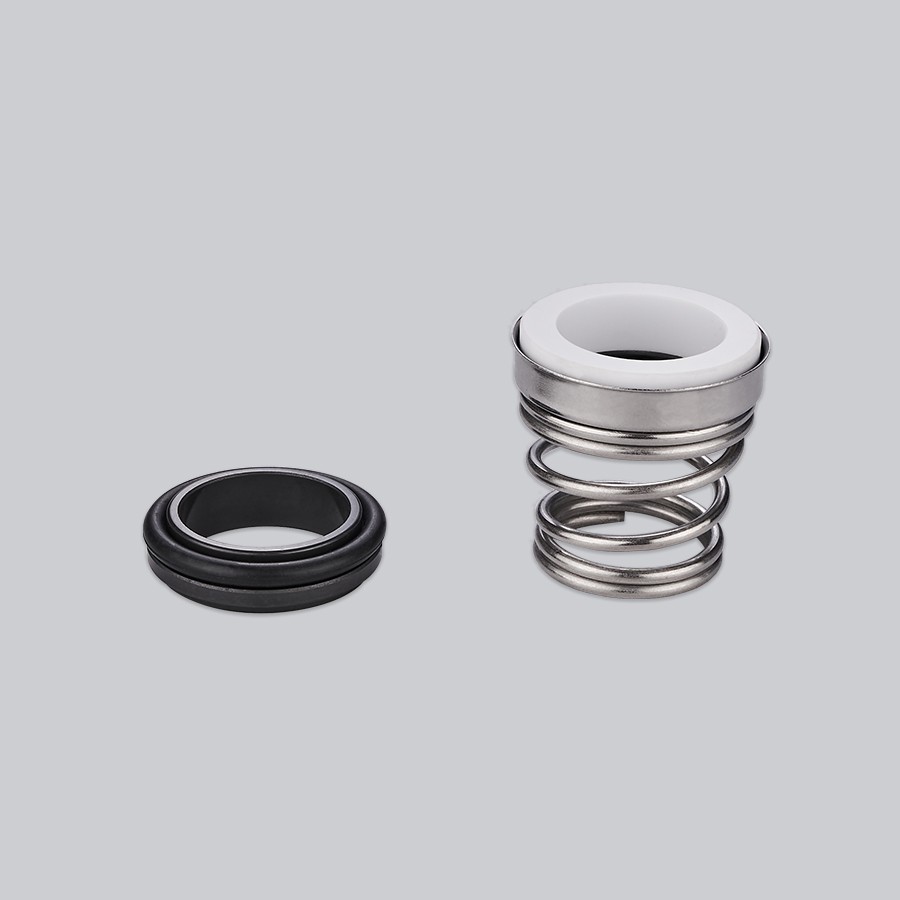
A single mechanical seal is the simplest type of mechanical seal, mainly composed of a rotating ring, a stationary ring, an elastic element, and an auxiliary sealing ring. Its working principle involves the elastic element providing compensating force, causing the end faces of the rotating and stationary rings to fit tightly together, forming a tiny gap that prevents media leakage. Lubrication and sealing are achieved through a liquid film formed between the end faces.
This type of seal has significant advantages: firstly, it has a compact structure, occupies little space, and is easy to install in various pumps and rotating equipment; secondly, it is economical, with low manufacturing and maintenance costs; thirdly, it is convenient to install and replace, requiring no complex commissioning before use; and fourthly, it has a wide range of applications, operating reliably in clean water, oil, and low-corrosion media without particles, meeting the sealing requirements of most conventional operating conditions, and is currently the most widely used sealing type in the industrial field.
Double Mechanical Seal
Double mechanical seals, also called dual mechanical seals, have two sets of sealing faces. This design gives extra safety against leaks. Pumps that move rough or thick fluids often need double mechanical seals.
- The second seal is a backup if the first one fails.
- A barrier fluid between the seals keeps bad fluids from leaking out.
- Used in pumps for toxic, flammable, or dangerous fluids.
Safety Alert: Double mechanical seals help meet zero-emission rules and protect the environment.
Victor’s double mechanical seals are used in centrifugal pumps for chemical, oil, and dangerous fluid jobs.
Metal Bellow Mechanical Seal
Metal bellow mechanical seals use a flexible metal bellows, not a spring. This design lets the seal move when pressure or temperature changes. The bellows also stop leaks better than regular seals.
- Handles high pressures and heat, up to 380°C.
- Used in pumps for oil, gas, and chemicals.
- Lasts longer in hard jobs.
Note: Metal bellow mechanical seals are best for pumps that move hot or harsh fluids.
Why choose metal bellow mechanical seals?
- The bellows let the seal move, so it stays tight even if the pump changes.
- Made from stainless steel, they do not rust or get damaged easily.
- They stop leaks, even in tough places.
Victor’s metal bellow mechanical seals are great for centrifugal pumps in chemical plants, refineries, and power stations.
Cartridge Mechanical Seal
Cartridge mechanical seals are delivered as a single unit. All components are pre-assembled before delivery, making installation quick and easy. This design helps avoid errors and saves pump maintenance time.
Advantages of Cartridge Mechanical Seals:
| Advantage | Description |
|---|---|
| Easy to install | No special skills needed. |
| High safety | Pre-set parts lower the risk of leaks. |
| Quick repair | Can be changed fast, so pumps stop for less time. |
| Cost-effective | Saves money over time by stopping failures. |
Cartridge mechanical seals are used in:
- Pharmaceuticals
- Food and Beverage
- Mining
- Shipbuilding
- Power Generation
Balanced and Unbalanced Seals
Balanced and unbalanced mechanical seals handle pressure in different ways.
- Balanced seals spread pressure evenly on the seal faces. They are best for high-pressure pumps (above 200 PSIG). This even pressure lowers friction and heat, so the seal lasts longer.
- Unbalanced seals are simpler and cost less. They are good for low-pressure pumps (under 200 PSIG).
Victor’s many types of mechanical seals cover every need. Their products help centrifugal pumps run safely and well in many industries.
Mechanical Seal Comparison Guide
Advantages and Limitations
Each type of mechanical seal has its advantages and disadvantages. Push rod seals are widely used and relatively inexpensive. Non-push rod or bellows seals can withstand high temperatures and avoid the problems associated with additional components. Cylindrical seals are easy to install and help reduce operational errors, but may be more expensive.
| Seal Type | Advantages | Limitations |
|---|---|---|
| Single Seal | Cheap, works well with clean fluids | No backup if leaks, sensitive to changes |
| Double Seal | Extra safety, handles tough fluids | Not for all abrasive fluids, weight limits |
| Cartridge Seal | Easy to install, fewer errors | Higher cost, may not fit all pumps |
| Balanced Seal | Good for high pressure, less wear | More complex, needs careful setup |
| Unbalanced Seal | Low cost, simple jobs | Not for high temp or harsh fluids |
Victor’s mechanical seals meet or beat industry rules for accuracy and safety. They give strong solutions for marine, chemical, and industrial pumps at fair prices.
Application Suitability Table
Picking the right mechanical seal depends on a few things. Operators should check the fluid type, temperature, pressure, and speed. The table below helps match seal types to pump needs.
| Criteria | Description |
|---|---|
| Material Selection | Pick seal materials for chemical and heat needs |
| Operating Conditions | Check temperature, pressure, speed, and fluid properties |
| Seal Configuration | Choose the right seal design for the pump’s job |
| Safety Requirements | Make sure the seal follows safety rules and stops leaks |
Tip: Always check the pump’s environment before picking a mechanical seal.
Decision Tips
- Check the fluid’s properties, like if it is corrosive or abrasive.
- Look at the pump’s speed, pressure, and temperature.
- Make sure the seal meets safety and environmental rules.
- Clean all parts before putting in a new seal.
- Line up the seal and shaft to stop early wear.
- Use the right lubricant to lower friction.
A simple checklist helps operators check seals, watch for leaks, and plan maintenance. This keeps pumps working safely and helps pick the best mechanical seal for each job.
Choosing a Mechanical Seal
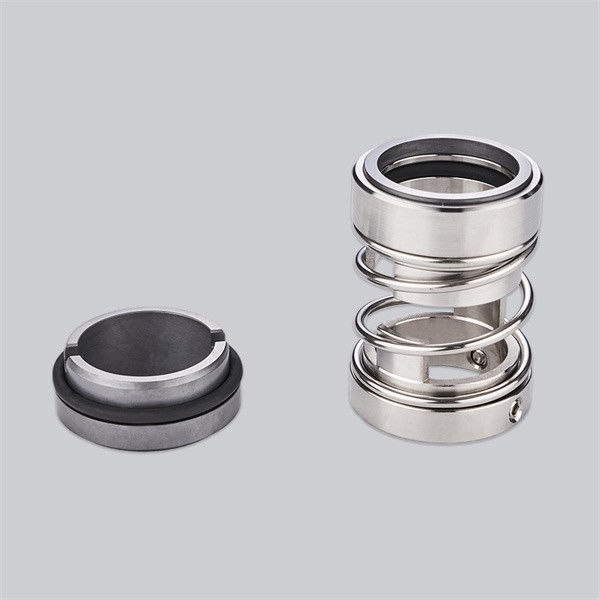
Fluid and Application Requirements
To select the right mechanical seal, you must understand the fluid and the application. The properties of the fluid inside the pump will influence the type of seal required. Some fluids are coarse, corrosive, or viscous, requiring special sealing materials. Victor offers seals made of carbon steel, ceramic, and stainless steel. These materials effectively prevent damage and leakage.
- Look at how rough and what chemicals are in the fluid.
- Pick a seal material that matches the liquid, like water, oil, or gas.
- Use seals that can safely handle dangerous fluids.
Choosing the wrong seal can cause it to crack and leak, leading to pump failure. Victor seals are suitable for a wide range of applications, from clean water to strong chemical corrosion.
Pressure and Temperature Factors
Pressure and temperature ratings determine the suitability of a seal. Most seals can withstand temperatures up to 350°F (177°C). High-pressure pumps require balanced seals to distribute pressure. Before selecting a seal, always check its normal and maximum pressure ratings. Victor seals perform excellently in harsh environments, ensuring safe and reliable pump operation.
Installation and Maintenance
When choosing a mechanical seal, cartridge mechanical seals are factory-installed and ready to use, making installation extremely simple and effectively reducing human error during maintenance. They are suitable for critical equipment requiring low failure rates and quick maintenance. While modular seals are more affordable, they require on-site assembly and precise adjustment of compression, demanding a higher level of operator skill.
Recommendation: Prioritize reliability and ease of maintenance when choosing cartridge seals; consider modular seals if spare parts costs are a concern and you have extensive experience.
Safety and Environmental Considerations
Safety and rules help you pick the right seal in some jobs. Mechanical seals stop leaks of dangerous stuff. This keeps people and nature safe. Companies must follow rules like OSHA, EPA, and ATEX. Victor’s seals help meet these rules. They lower leaks and help with ESG goals.
Tip: Ask Victor’s team for help picking the best seal for your pump. They give fast service, good products, and fair prices.
FAQ
What is a mechanical seal in a pump?
A mechanical seal keeps liquid inside the pump. It stops leaks where the moving shaft meets the pump body. This helps the pump work safely and well.
How does a mechanical seal improve pump performance?
A mechanical seal cuts down on leaks and keeps out dirt. It protects the pump’s parts from getting damaged. Pumps last longer and do not need fixing as often.
Which industries use mechanical seals?
Mechanical seals are used in chemical plants, oil and gas, shipbuilding, water cleaning, and food making. Each industry needs seals for different liquids and jobs.
How often should you check a mechanical seal?
People should check a mechanical seal during regular pump checks. Checking early helps find leaks or worn parts. This keeps pumps working well.
Can you replace a mechanical seal without special tools?
Many mechanical seals, like cartridge types, are simple to put in. People can change them without special tools. Always follow the maker’s steps.